Unmarried Adults Face 70% Higher Cancer Risk, Large Study Finds—Why Social Ties May Be Key to Prevention
A landmark study of 4 million U.S. cancer cases reveals adults who have never married face a 70% higher risk of developing cancer than their married peers. Researchers link the disparity to lifestyle, screenings, and socioeconomic factors, urging unmarried adults to prioritize preventive care.
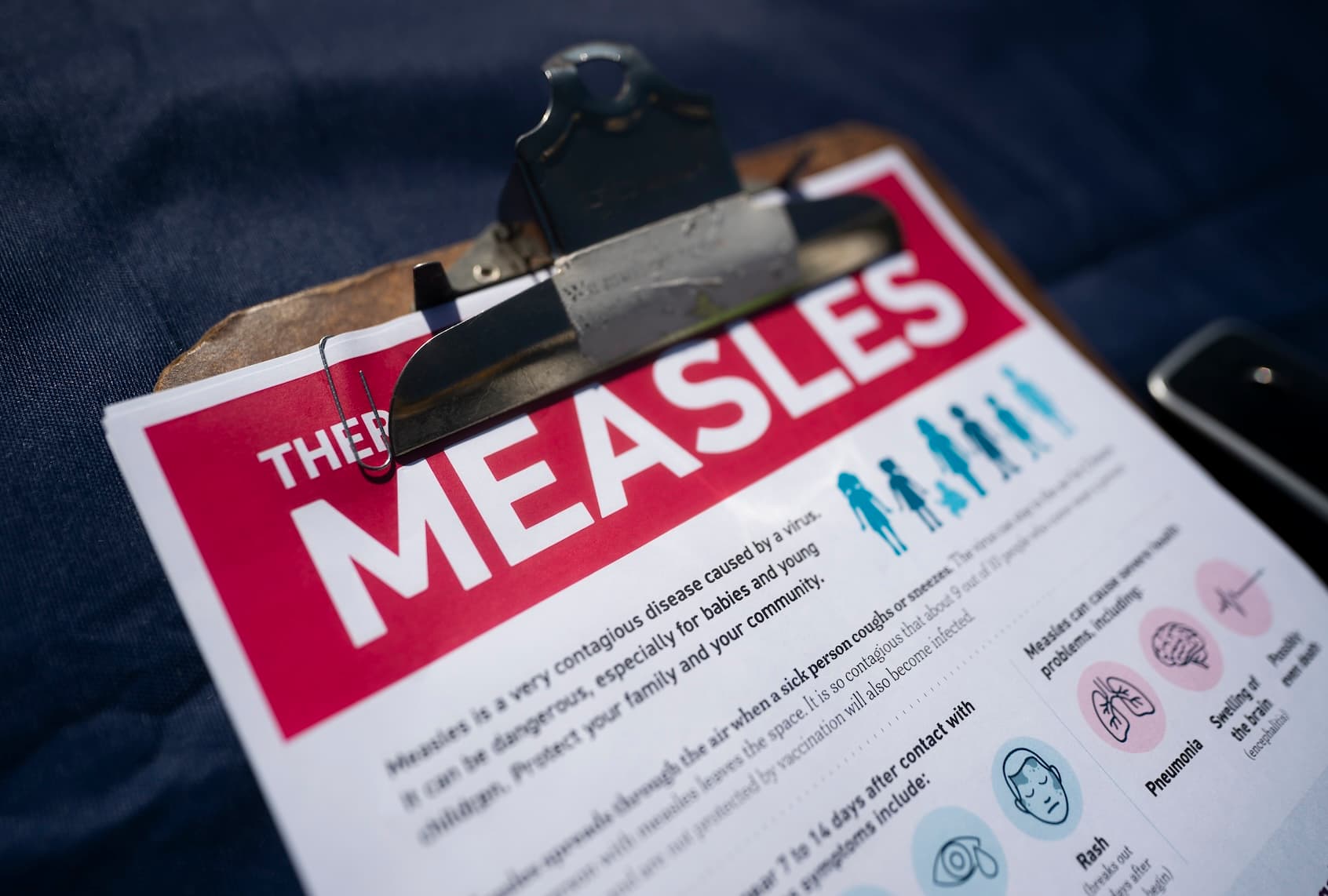
Measles Outbreaks Surge: U.S. On Track to Surpass Worst Year Since 1991 as Anti-Vaccine Sentiment Rises
The U.S. faces a worsening measles crisis with over 1,600 cases already reported in 2026, threatening to surpass 2025’s record of 2,286. Public health experts warn of normalization under the Trump administration and rising anti-vaccine sentiment.
New Cancer Drugs Target 'Undruggable' KRAS Mutations, Offering Renewed Hope
Researchers are making significant strides in developing drugs to combat KRAS mutations, once considered impossible to target. Early clinical trials show promise for both KRAS degradation and inhibition, potentially revolutionizing cancer treatment.
After Cancer Remission: The Hidden Emotional Toll on Caregivers Revealed in New Memoir
When his wife’s cancer went into remission, Paul Wayne Pennington expected relief—but instead faced a silent crisis of his own. His new memoir 'Gut Punch' explores the overlooked trauma caregivers endure after survival mode ends.
NIH Researchers Unveil DFNZ: A Breakthrough Opioid That Relieves Pain Without Addiction Risks
NIH scientists discovered DFNZ, a novel opioid superagonist, offering potent pain relief without respiratory depression or addiction risks in preclinical trials. The compound, derived from nitazenes, could revolutionize pain management and opioid use disorder treatment.
New Research Reveals Two Distinct Forms of Multiple Sclerosis Driving Personalized Treatment Approaches
Neuroscientists have identified two distinct trajectories of multiple sclerosis using advanced MRI and blood biomarkers, challenging the one-size-fits-all treatment model and offering hope for tailored therapies.
Teen Boys Turn to Illegal Steroids for Viral Bodies as Social Media Fuels Body Image Crisis
A rising number of adolescent boys are using unapproved anabolic steroids like trenbolone to achieve rapid muscle growth documented on social media. Experts warn of severe health risks as online trends normalize dangerous drug use.
Why Early Sexual History Questions Can End Relationships: Dating Experts Weigh In
A 36-year-old sex educator reveals why she cuts off men who ask about her sexual past too soon. Dating experts discuss boundaries, self-respect, and why intrusive questions often signal deeper incompatibilities.
Highly Intelligent People More Accurately Judge Others' IQ, Study Finds
A German study of 198 adults found that individuals with higher IQ scores, strong emotion perception, and greater life satisfaction were significantly better at accurately assessing strangers' intelligence from short video clips. The research highlights how cognitive and emotional traits shape socia
Menopause Products Boom: Doctors Warn Against Unproven Remedies Amid Marketing Surge
Women in perimenopause and menopause face a flood of marketed products—from serums to supplements—promising symptom relief amid rising social media attention. But physicians emphasize evidence-based care over unproven remedies.
Stanford Study Reveals Aging Occurs in Sudden Bursts at Ages 44 and 60, Redefining How We Understand Getting Older
A groundbreaking 2024 Stanford study tracking 135,000 molecules in 108 adults found aging doesn’t progress steadily but in dramatic, predictable bursts at mid-40s and early 60s, challenging long-held assumptions about the aging process.
Why You Don’t Need to Buy a ‘Detox’: Science-Backed Ways to Support Your Body’s Natural Cleaning System
Spring cleaning your body doesn’t require expensive teas or juice cleanses—your liver, kidneys, and other organs already do the job. Experts warn against marketed detox products, which lack evidence and can harm health. Here’s how to boost your body’s natural detox for free.
Occasional Binge Drinking Triples Risk of Advanced Liver Scarring, USC Study Finds
A USC study reveals that even one monthly binge-drinking episode triples the risk of advanced liver fibrosis in people with fatty liver disease. Researchers warn that drinking patterns, not just total intake, are critical to liver health.
Magnesium and Your Mental Health: The Science-Backed Foods That Boost Mood and Sleep Naturally
Nearly half of U.S. adults don’t get enough magnesium, a critical mineral that regulates mood, sleep, and stress. Dietitians reveal the top magnesium-rich foods to help you meet daily needs naturally.
Insurance Coverage Gap Drives Worse Cancer Survival Rates Among Young Adults
Young adults aged 15-39 face rising cancer rates and stark survival disparities tied to insurance status. Those with private coverage live significantly longer than Medicaid or uninsured patients, research finds.
New Science-Backed Strategies to Finally Prevent Kidney Stones: What the Research Reveals About Diet, Medication, and Long-Term Risk
A comprehensive review of 40 studies identifies five evidence-based strategies—including hydration and prescription drugs—to prevent painful kidney stones, which affect 1 in 10 Americans and are rising. Experts emphasize dietary changes as the first line of defense.
Biological Age Tests Promise Insights—But Experts Warn of Risks and Limits
Over-the-counter biological age tests promise to reveal how fast your body is aging compared to your calendar years, but experts warn these at-home kits offer limited, uncertain health insights worth understanding before purchase.
Nose Picking and Alzheimer’s Risk: New Mouse Study Reveals Potential Link via Brain Pathway
A recent mouse study suggests nose picking may increase Alzheimer’s risk by allowing harmful bacteria to travel from the nasal cavity to the brain via damaged tissue. While the research is preliminary, it highlights a plausible biological pathway for dementia development.
Study Finds Overfed Zoo Penguins Age Faster Than Wild Counterparts: A Cautionary Tale for Human Lifespan Research
Zoo penguins with unlimited food and minimal activity age faster biologically than wild counterparts, a new study reveals. Researchers warn this mirrors modern Western lifestyle risks like sedentary habits and overeating, accelerating aging at the cellular level.
Experimental Gene Therapy Offers Hope to ALS Patient with Family History of the Disease
At 41, scientist Jeff Vierstra has spent three years receiving spinal infusions to disable a mutated gene linked to ALS, the same fatal neurodegenerative disease that killed his mother and two sisters. His groundbreaking trial at Columbia University represents a first-of-its-kind attempt to prevent











.png&w=3840&q=75)