Artemis II Astronauts Begin Earth Return After Historic Lunar Flyby, Splashdown Set for Friday
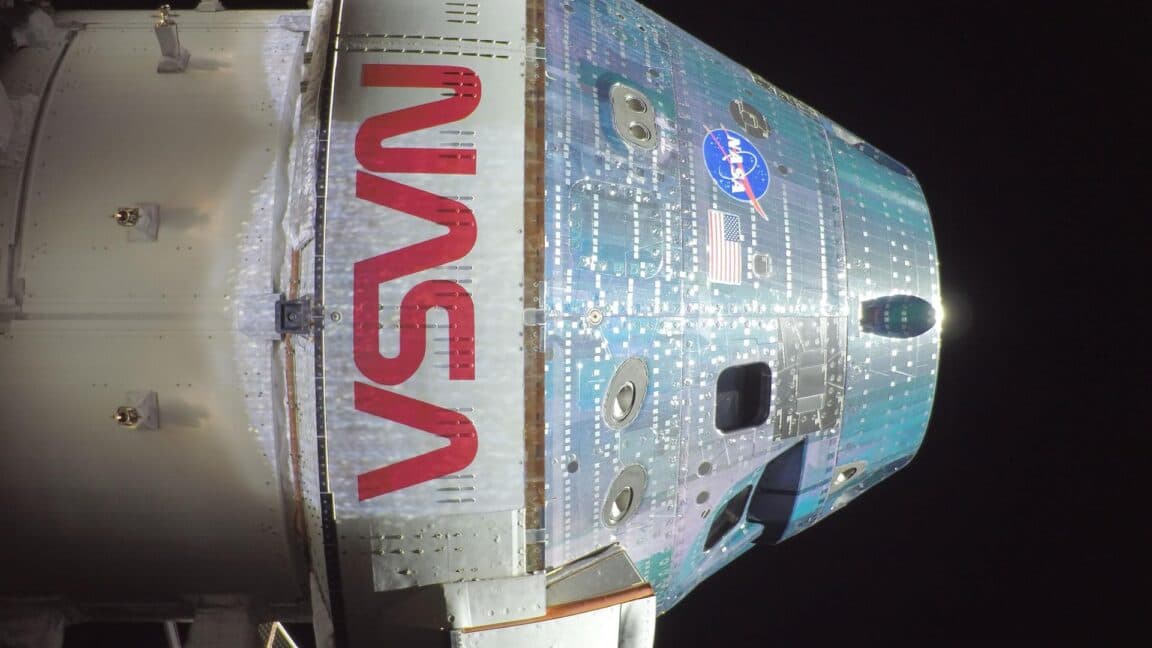
NASA's Artemis II crew has exited the Moon's gravitational sphere, marking Flight Day 8 of their 10-day mission. The historic lunar flyby sets the stage for a Friday splashdown off San Diego, with re-entry speeds nearing 35,000 feet per second.
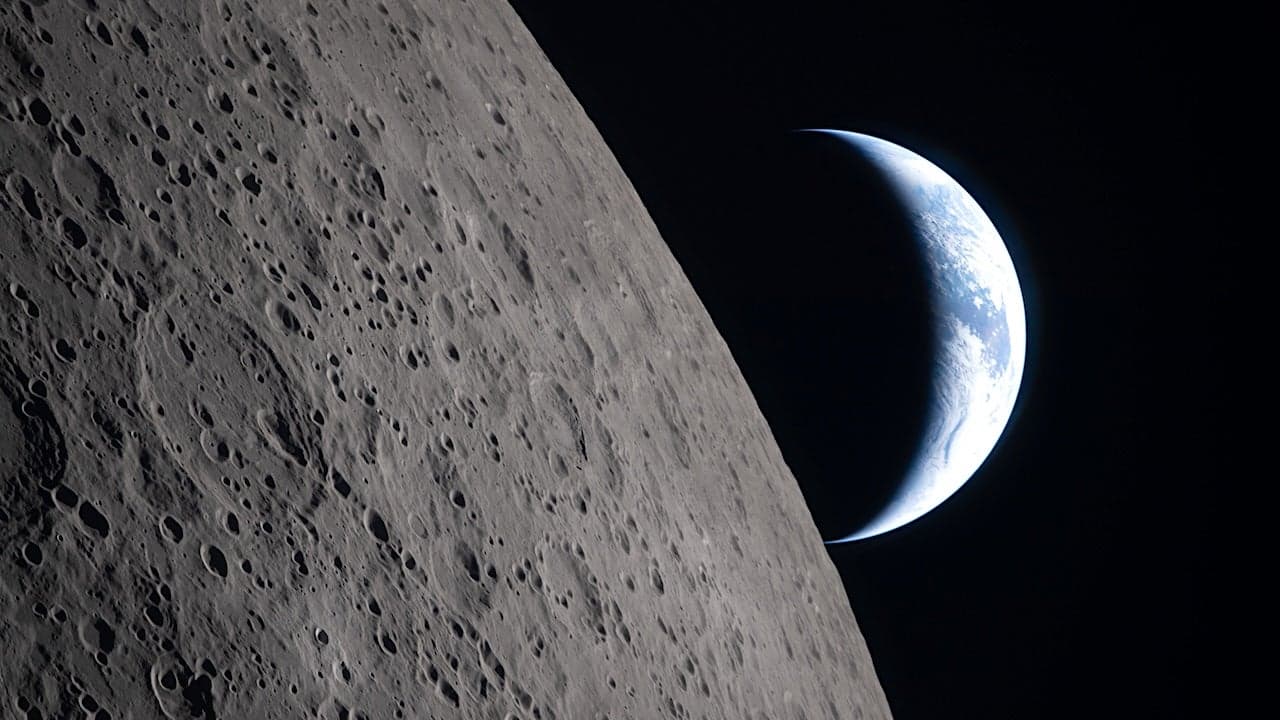
Artemis II Crew Captures Stunning New Images of the Moon’s Far Side During Historic Lunar Flyby
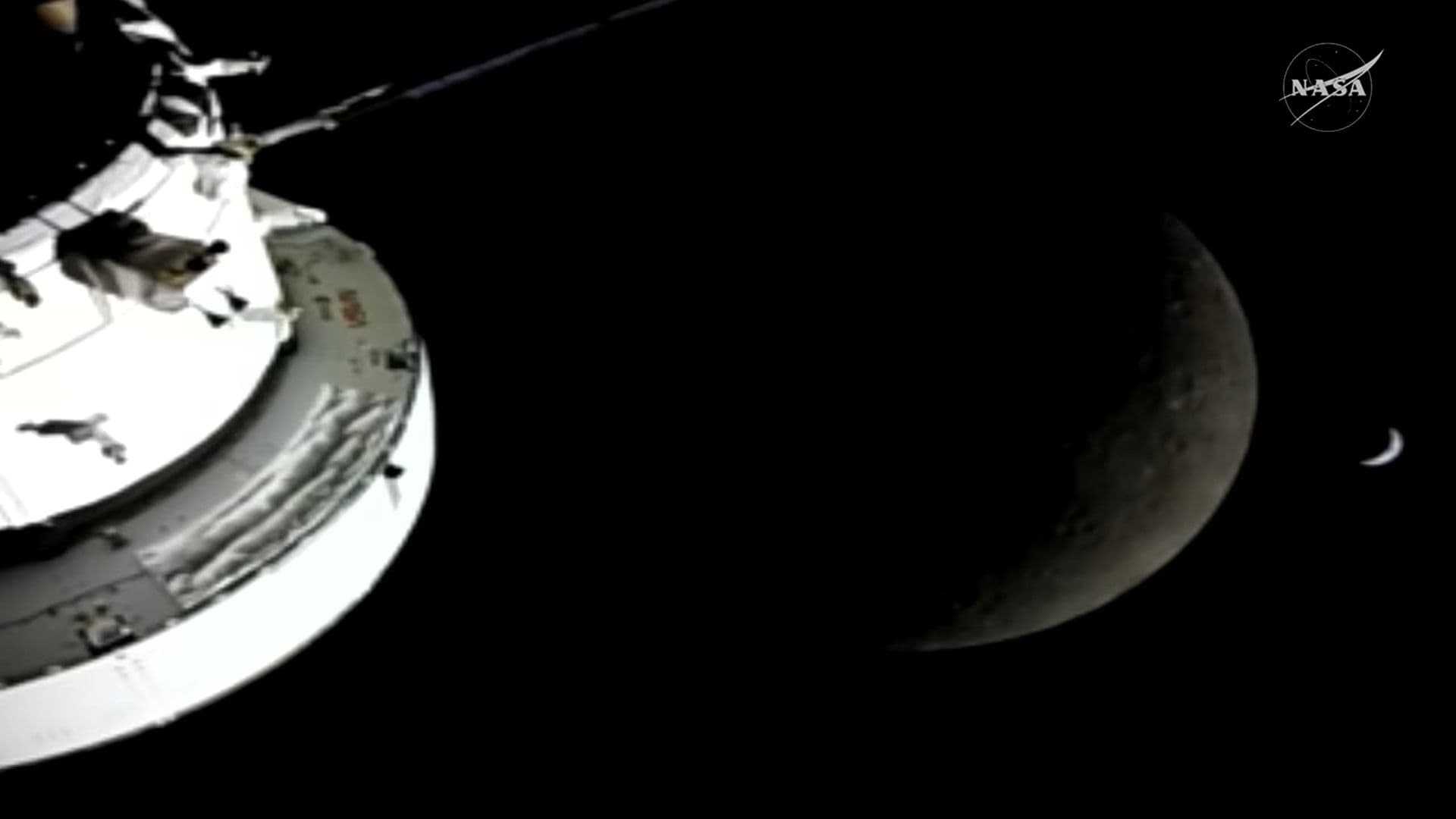
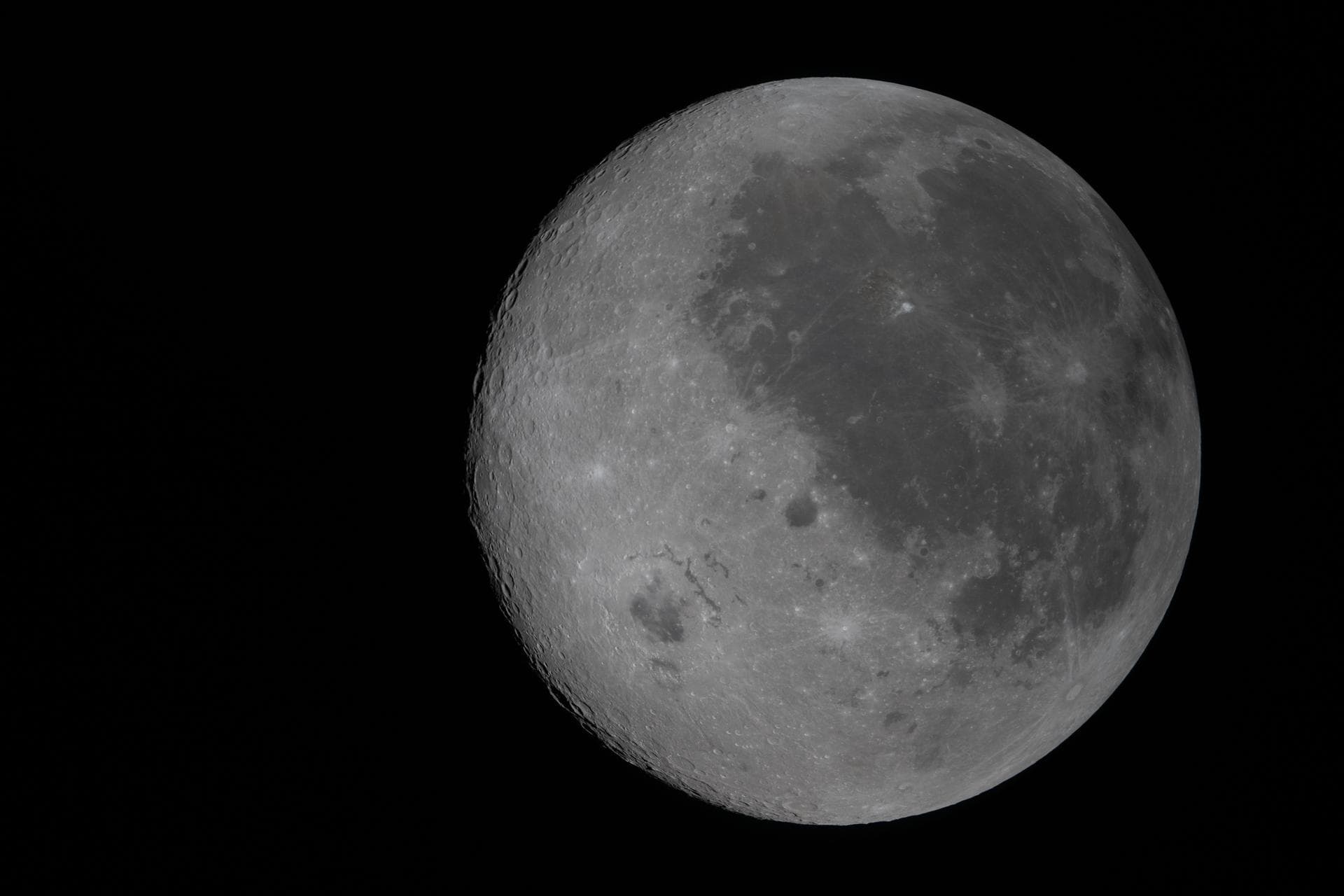
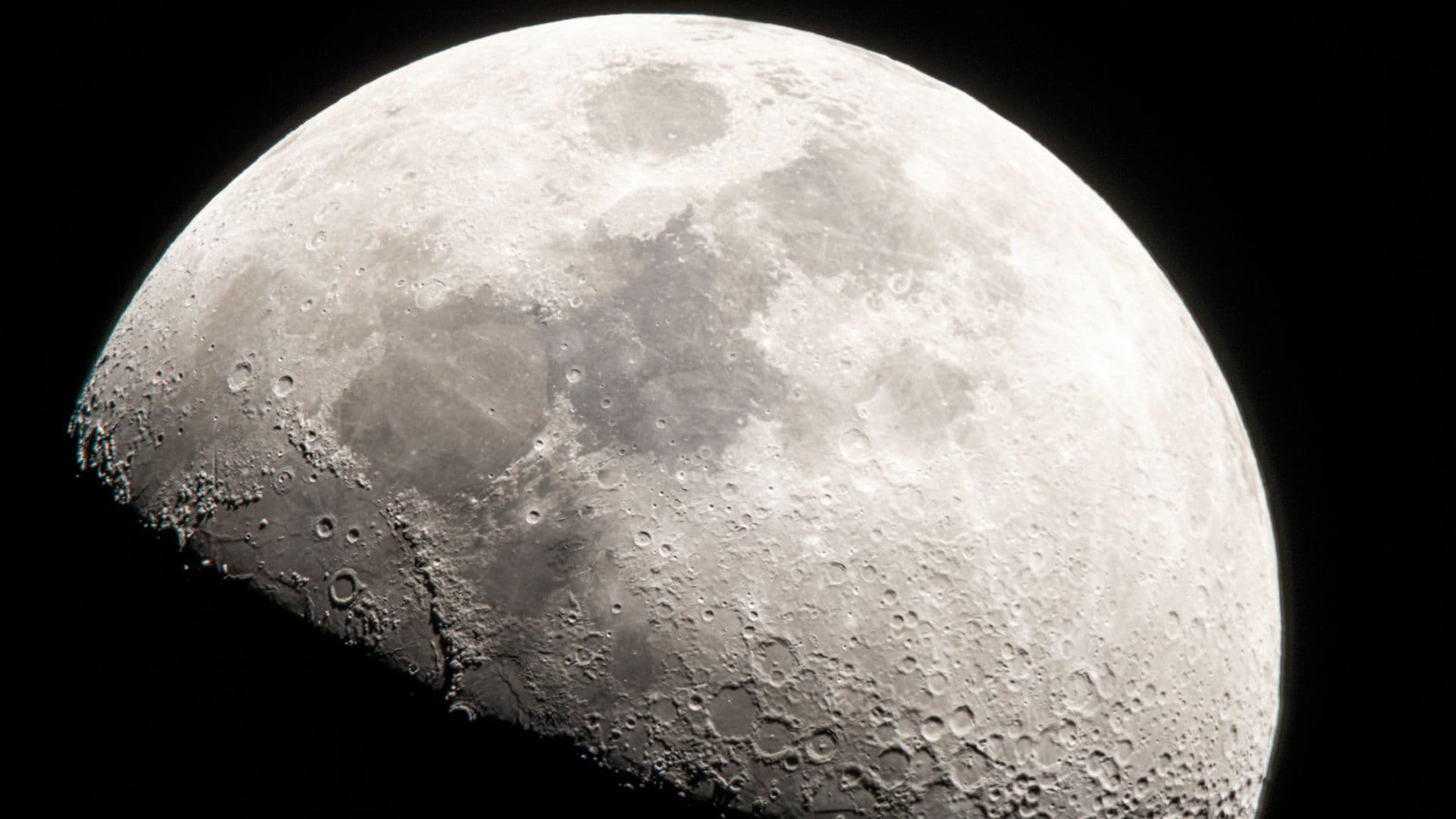
On April 6, 2026, NASA’s Artemis II crew became the first humans to photograph the Moon’s far side from space, revealing Earthrises, a rare solar eclipse, and unprecedented geological details. The images, captured during a seven-hour lunar flyby 406,771 km from Earth, offer new insights into lunar g
300-Million-Year-Old Fossil Debunked as ‘Oldest Octopus’ in Groundbreaking Study Using Synchrotron Imaging
A 300-million-year-old fossil once celebrated as the world's oldest octopus has been reclassified as a nautiloid relative after advanced imaging revealed hidden teeth. The discovery, published in Proceedings of the Royal Society B, rewrites evolutionary timelines and removes the fossil from the Guin
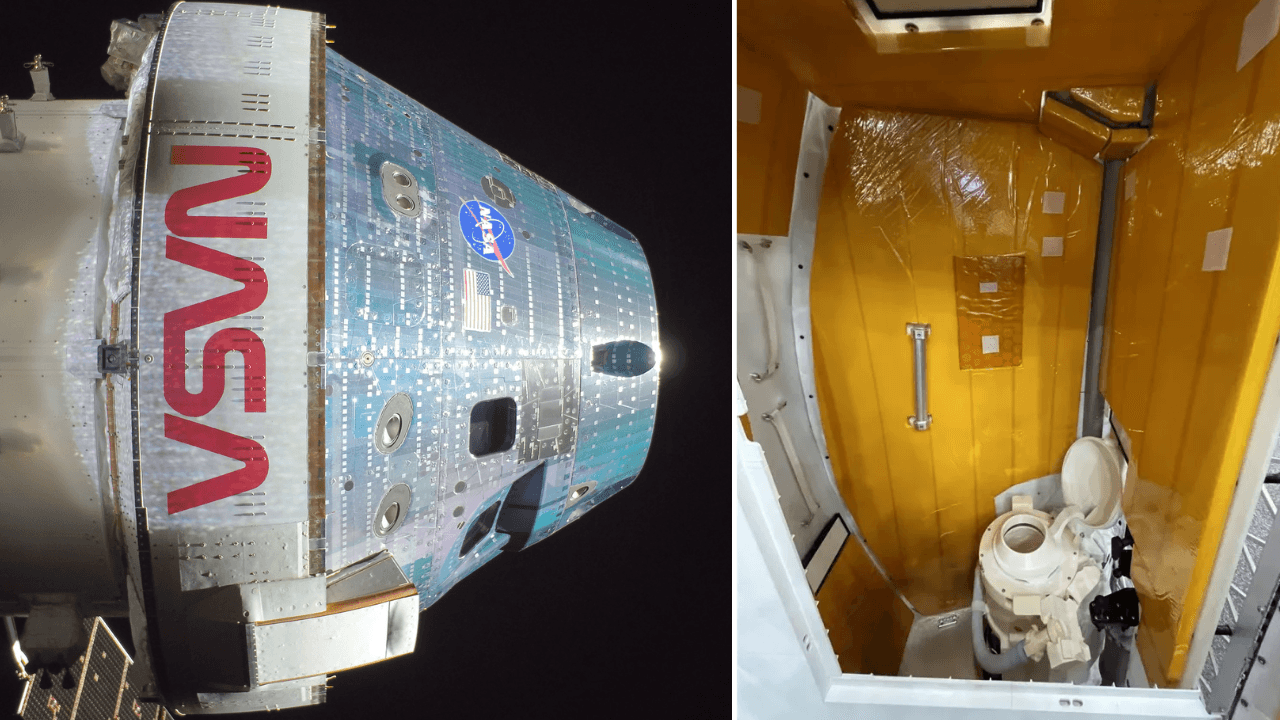
Artemis 2's Space Toilet Glitch Explained: NASA Addresses Urine Venting Issue on Historic Moon Mission
NASA confirms the Artemis 2 space toilet remains functional despite venting issues during the crewed moon flyby. Mission leads reveal a clogged filter may stem from chemical reactions in wastewater treatment. The Orion capsule and its four astronauts are set to splash down April 10.
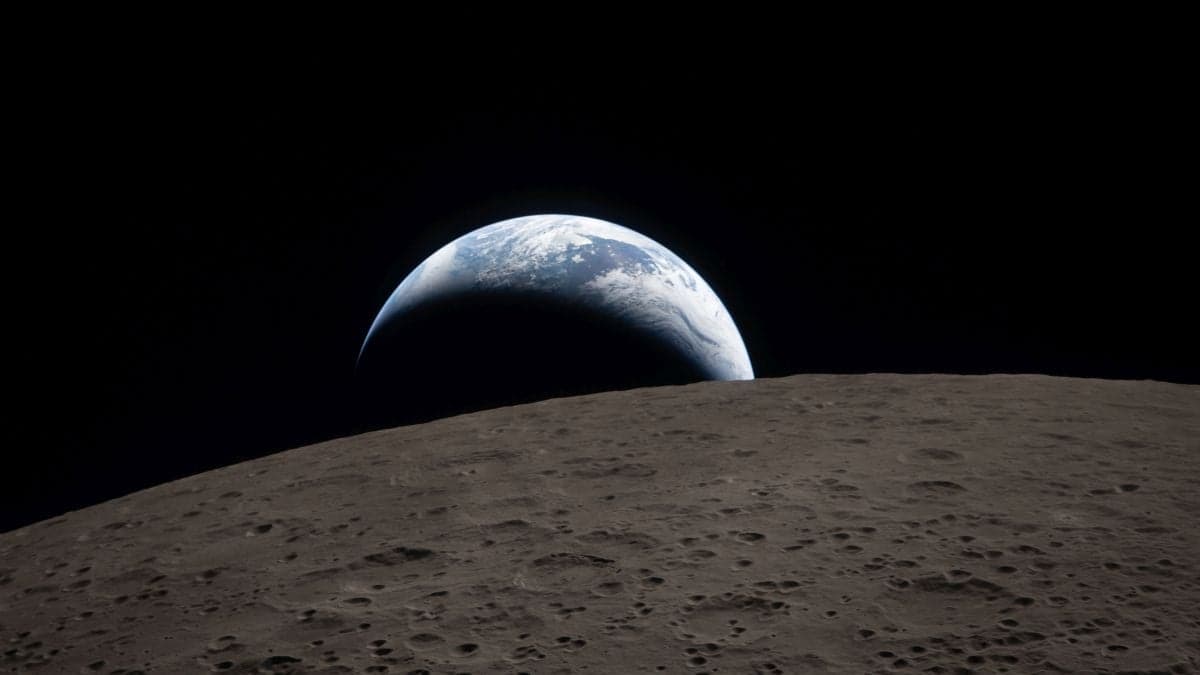
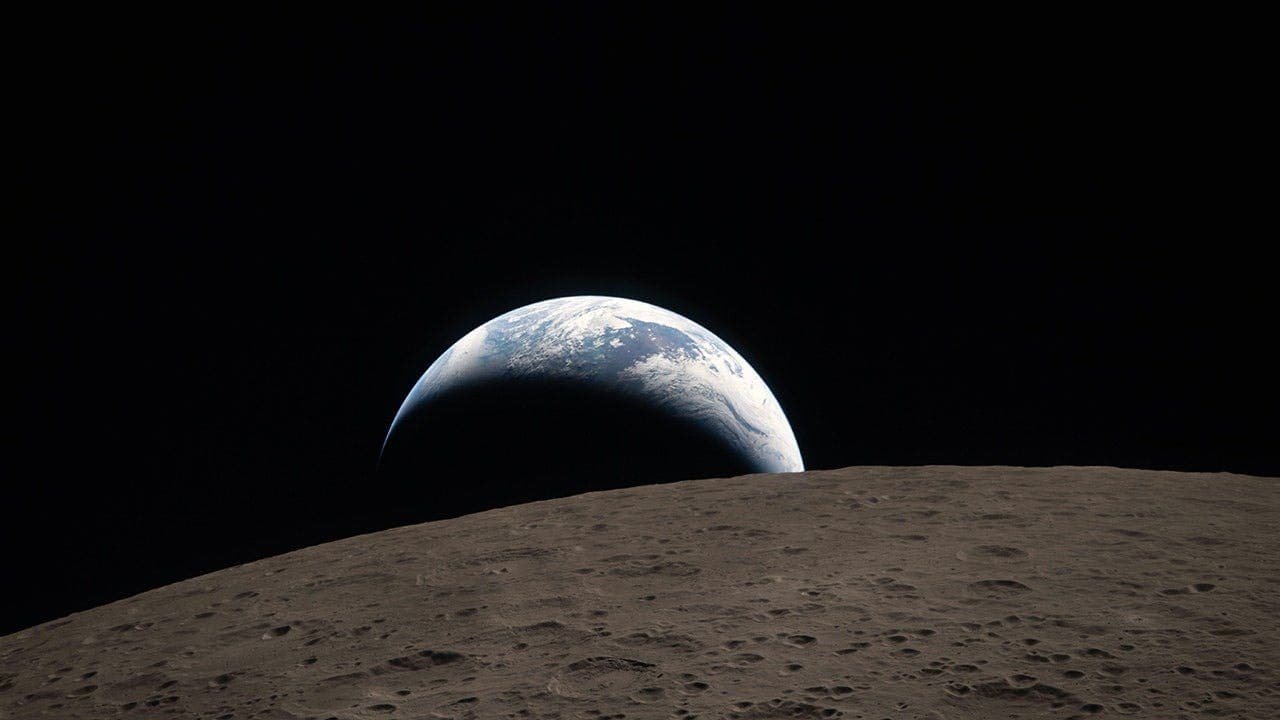
NASA Captures First-Ever 'Earthset' Photo from Far Side of the Moon Amid Artemis II Mission
NASA released the first-ever photograph of Earth from the far side of the moon, dubbed 'Earthset,' during the Artemis II lunar flyby. The historic image, reminiscent of the 1968 'Earthrise' photo, was captured by astronauts aboard the Orion spacecraft as Earth appeared to set behind the lunar horizo
Artemis 2 Astronauts Set Distance Record in Historic Lunar Flyby Beyond Earth Orbit
NASA’s Artemis 2 crew has shattered a 54-year-old human spaceflight record, venturing farther from Earth than any astronauts in history during a groundbreaking lunar flyby. The mission marked the first crewed trip beyond low Earth orbit since 1972, paving the way for future lunar exploration.
Artemis II Crew Honors Late Astronaut's Wife with Moon Crater Name
The Artemis II crew will name a lunar crater 'Carroll' after Reid Wiseman's late wife, honoring her legacy while making history 240,000 miles from Earth. NASA's decision reflects a personal tribute amid humanity's first crewed moon mission in over 50 years.
NASA's Artemis I Mission: Inside the 40-Minute Radio Blackout as Orion Orbits the Far Side of the Moon
NASA's Artemis I mission reached a pivotal moment Sunday night as Orion entered lunar orbit, facing 40 minutes of total communications blackout behind the Moon. Astronauts captured unprecedented views of the lunar far side while ground control held its breath until contact resumed.
Astronomers Uncover Vast Hydrogen Gas Halos Fueling Early Universe Galaxies During 'Cosmic Noon'
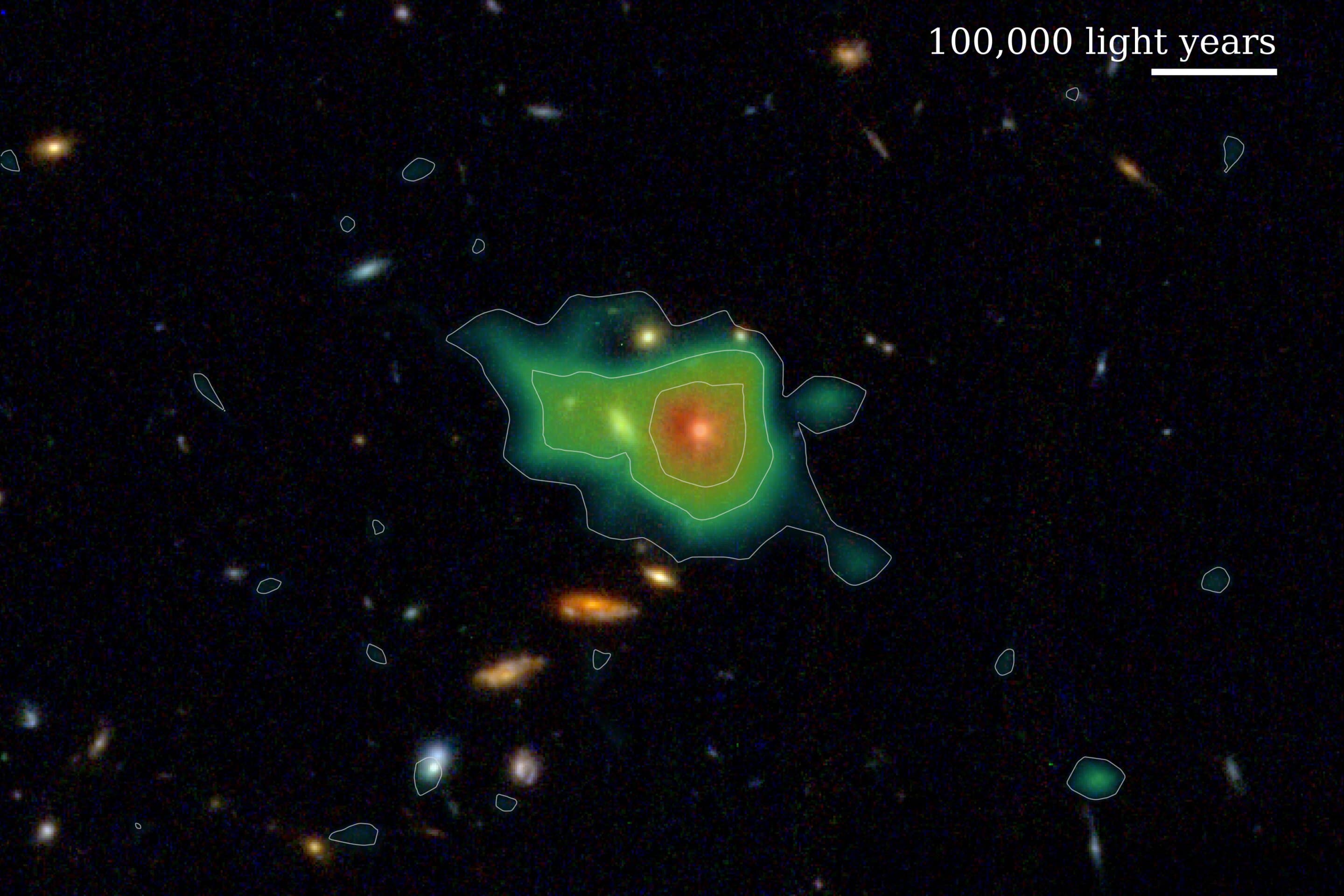
The HETDEX study has identified 33,000 Lyman-alpha nebulae, hydrogen gas halos surrounding early galaxies 10-12 billion years ago. This tenfold increase reveals critical fuel sources for star formation during Cosmic Noon.
NASA's Artemis 2 Moon Mission Faces Critical Space Toilet Malfunctions, Burning Odor Reported
NASA's Artemis 2 crew encountered multiple failures in the new Universal Waste Management System (UWMS) toilet, including a burning odor in the hygiene bay. The issues required urgent intervention from ground control to restore limited functionality.
How Human Evolution Crafted Survival in Extreme Environments: From Choking Risks to Oceanic Depths
Humans evolved unique adaptations to survive in extreme environments, from a low larynx enabling speech to genes from ancient hominins like Denisovans. These traits highlight evolution's trade-offs, including choking risks, altitude sickness, and enhanced diving abilities.
Newly Discovered Bone-Strengthening Receptor GPR133 Offers Hope for Osteoporosis Treatment
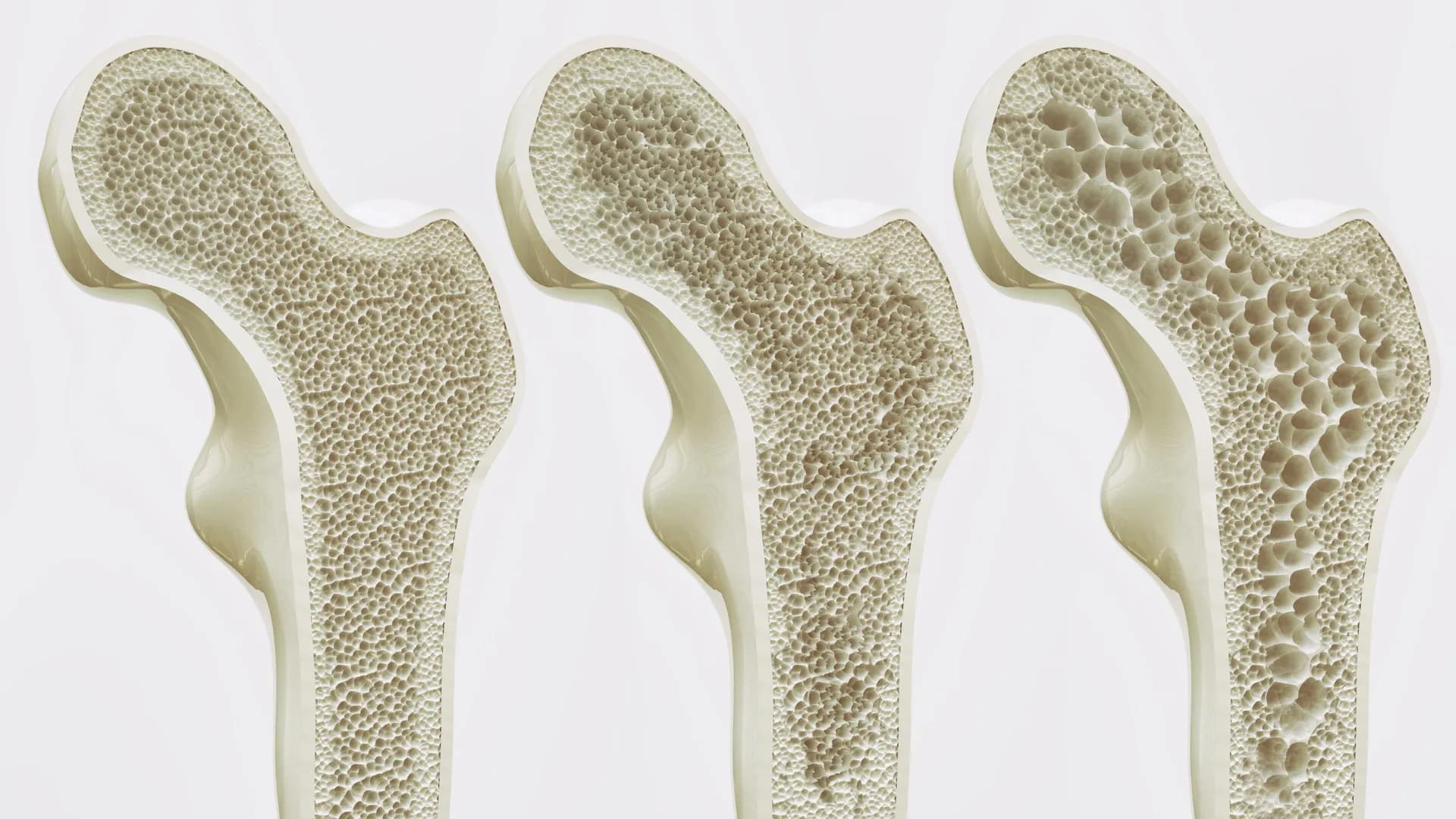
German researchers have identified GPR133 as a critical regulator of bone density, with a compound called AP503 reversing osteoporosis-like bone loss in mice. The discovery opens the door to therapies that could rebuild bone strength long-term.
Artemis II Crew to Surpass Apollo 13’s Record on Monday’s Lunar Flyby: What’s at Stake and What’s Next
NASA’s Artemis II crew will break Apollo 13’s 1970 distance record during Monday’s lunar flyby, venturing 4,100 miles farther than the famed mission. The six-hour maneuver will offer unprecedented views of the moon’s far side and a rare solar eclipse from space.
Artemis 2 Astronauts Celebrate Easter in Space, Prepare for Lunar Flyby as Mission Nears Historic Milestone
The four Artemis 2 astronauts marked Easter Sunday 230,000 miles from Earth, sharing holiday greetings and testing critical spacecraft systems ahead of Monday’s lunar flyby—the first crewed mission to the moon since 1972.
NASA Chief Defends 25% Budget Cut in 2027 Proposal, Cites Moon Missions and Artemis 3 Acceleration
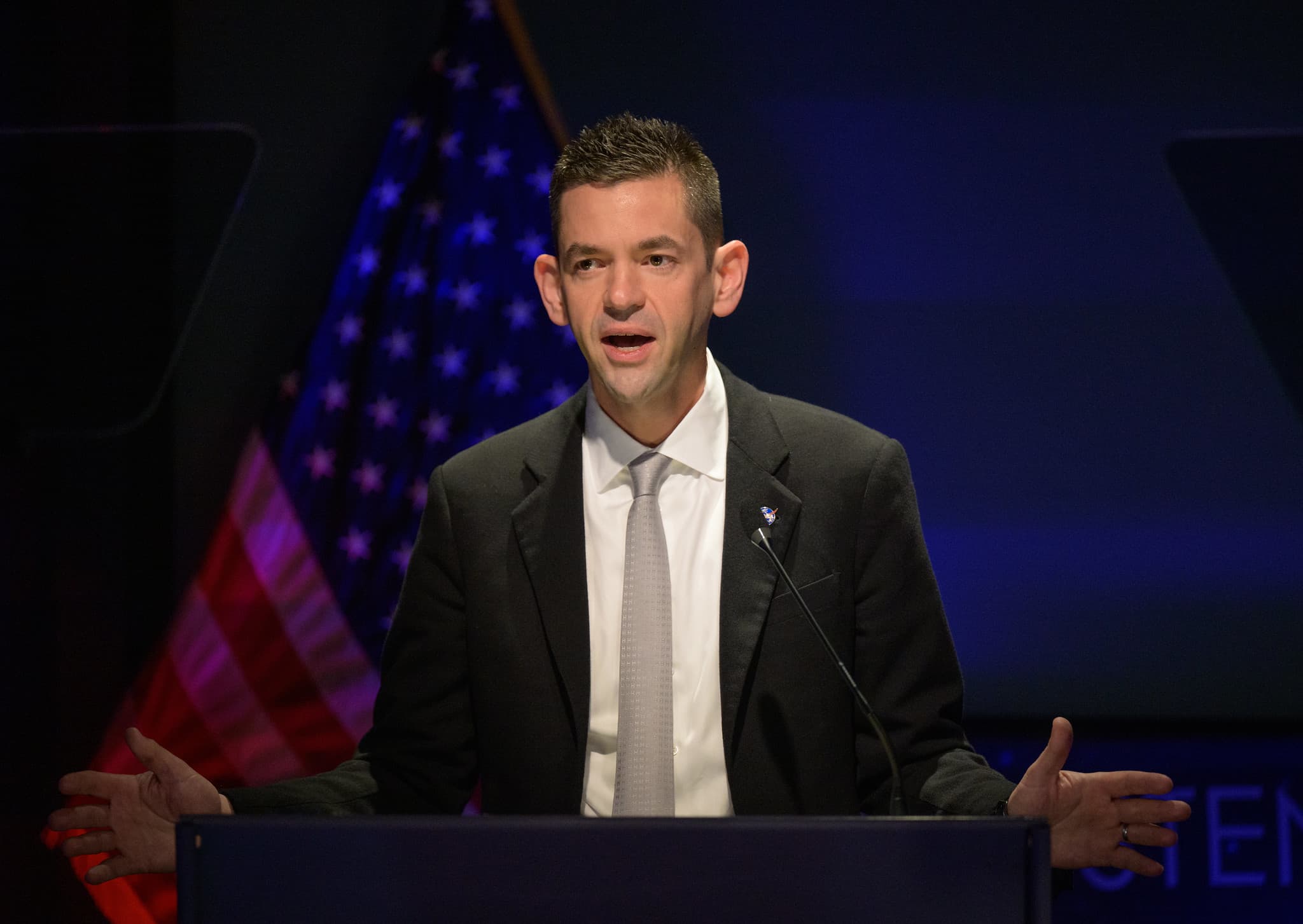
NASA Administrator Jared Isaacman defended a 2027 budget proposal slashing the agency’s funding by nearly 25%, arguing the cuts maintain key exploration priorities. The proposal, released April 3, faces steep reductions in science and technology while accelerating Artemis moon missions with suppleme
Artemis II Crew Celebrates Easter in Space, Prepares for Historic Lunar Flyby Monday
The Artemis II astronauts marked Easter Sunday 220,000 miles from Earth with egg hunts and messages home. Monday, they’ll pass behind the moon, setting new distance records and testing Orion systems.
NASA Halts Work on SLS Mobile Launcher 2, Reallocates Resources for Artemis Mission Upgrades
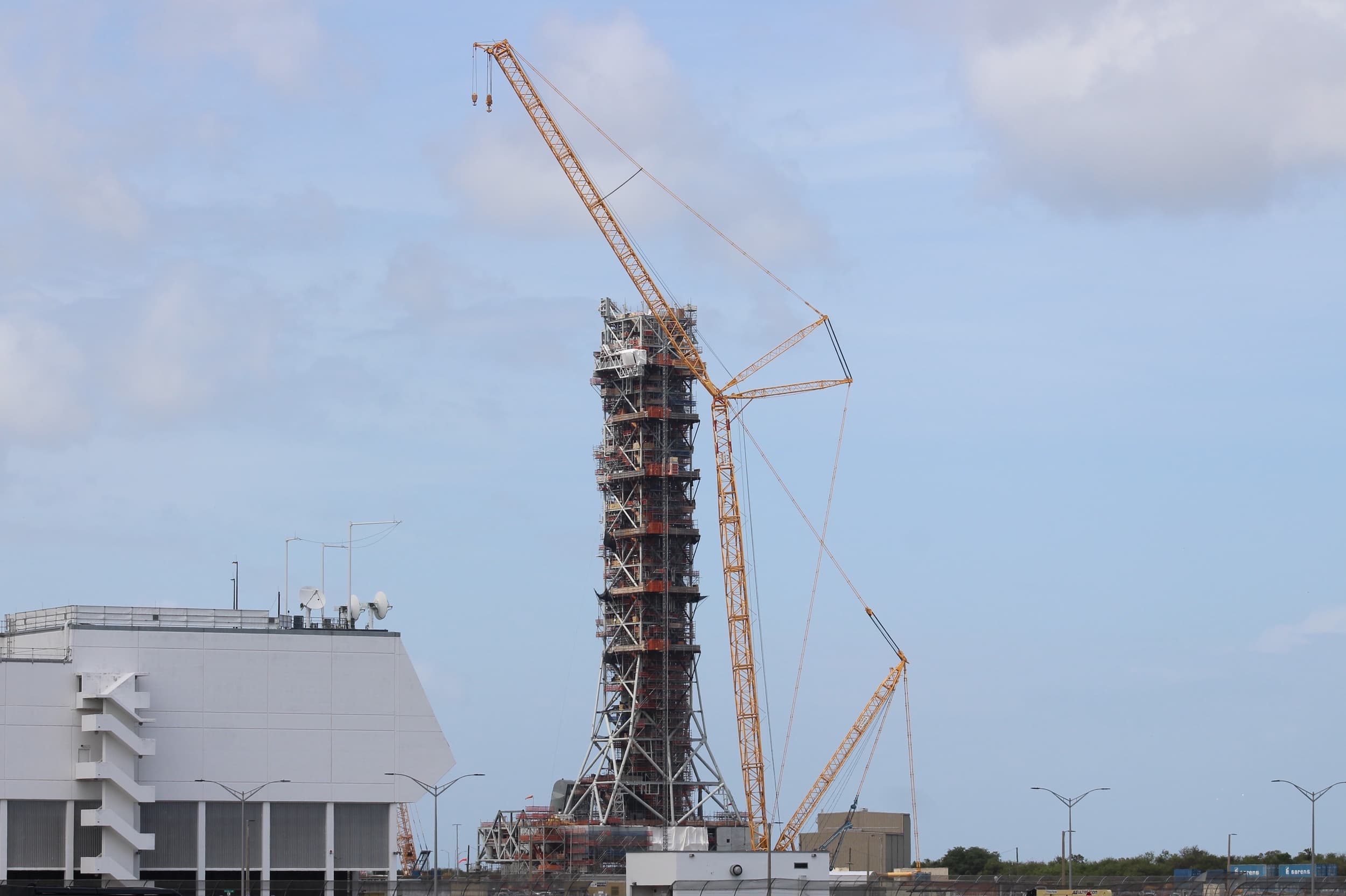
NASA has issued a stop-work order on Mobile Launcher 2, the $383 million platform meant for the canceled SLS Block 1B rocket. The agency is repurposing hardware to support ongoing Artemis missions amid cost overruns that ballooned to $2.5 billion.
Ancient Fossils in China Rewrite Timeline of Animal Evolution by 4 Million Years
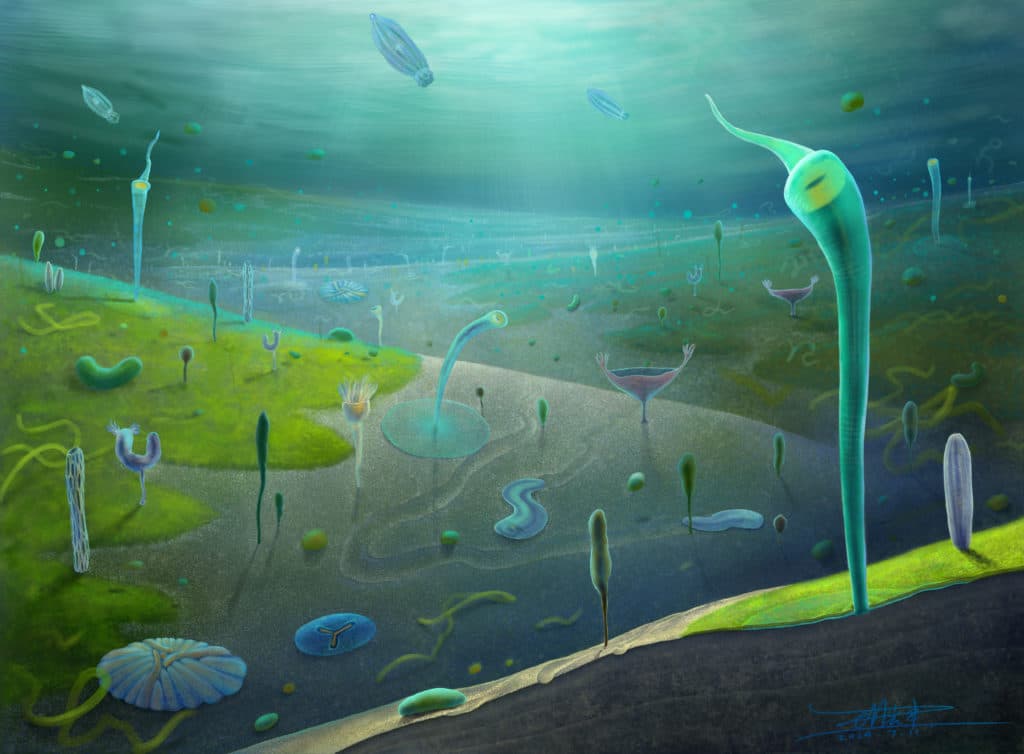
Fossils unearthed in China’s Yunnan province push back the emergence of complex animal life by 4 million years, revealing symmetrical creatures that predate the Cambrian explosion.
NASA's Bennu Asteroid Sample Reveals Water Flow Traces in Early Solar System
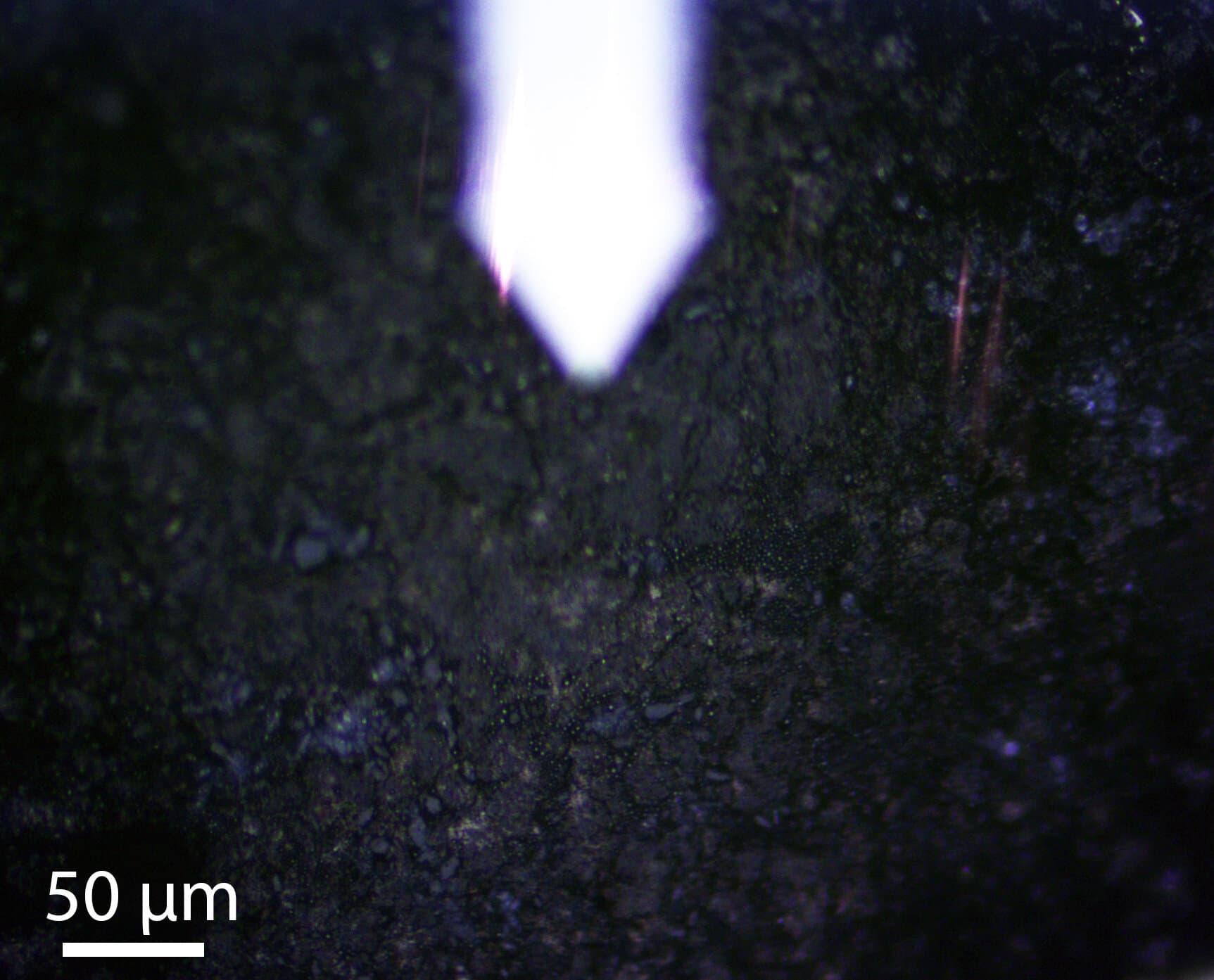
NASA's OSIRIS-REx mission delivered pristine asteroid Bennu samples in 2023. New nanoscale analysis shows water flowed through the 4.5 billion-year-old rock via restricted channels, preserving organic compounds critical to understanding early solar system chemistry and Earth's origins.
NASA’s Artemis II Mission and the Moon: How Lunar Exploration Redefines Humanity’s Future
NASA’s Artemis II mission marks humanity’s return to lunar orbit for the first time since 1972, reviving cultural and scientific fascination with the Moon. Science writer Rebecca Boyle explores how this mission reshapes our understanding of Earth’s celestial companion.
How NASA's Artemis II Toilet System Highlights Deep Space Life Support Challenges
NASA’s Artemis II mission is exceeding expectations, but a recent focus on Orion’s toilet system—including frozen urine—underscores the critical role of life support in deep space. Engineers discuss the complexities of space sanitation and why this seemingly mundane issue is vital for future Mars mi
NASA's Artemis II Mission Captures First Stunning Photos of Earth from Deep Space Ahead of Lunar Flyby
The crew of NASA’s Artemis II mission, now 100,000 miles from Earth, has released the first breathtaking images of our planet from inside the Orion spacecraft. These photos, taken during the 10-day lunar flyby mission, offer a historic glimpse of Earth from deep space ahead of humanity’s return to t
NASA Faces 23% Budget Cut in FY 2027: How Congress Could Save America’s Lead in Space Exploration
NASA’s FY 2027 budget proposal slashes the agency by 23% and NASA Science by 47%, threatening Artemis II, the Roman Space Telescope, and asteroid defense. The Planetary Society condemns the cuts as out of step with bipartisan congressional and public support for space exploration.
Astronomers Discover the Most Pristine Star in the Cosmos, Offering Glimpse into the Universe's Early Eons
An international team of astronomers has identified SDSS J0715-7334, the most metal-poor star ever observed, formed just billions of years after the Big Bang. Using SDSS-V data and Magellan telescopes, the discovery reveals new clues about the universe's first stellar generations.