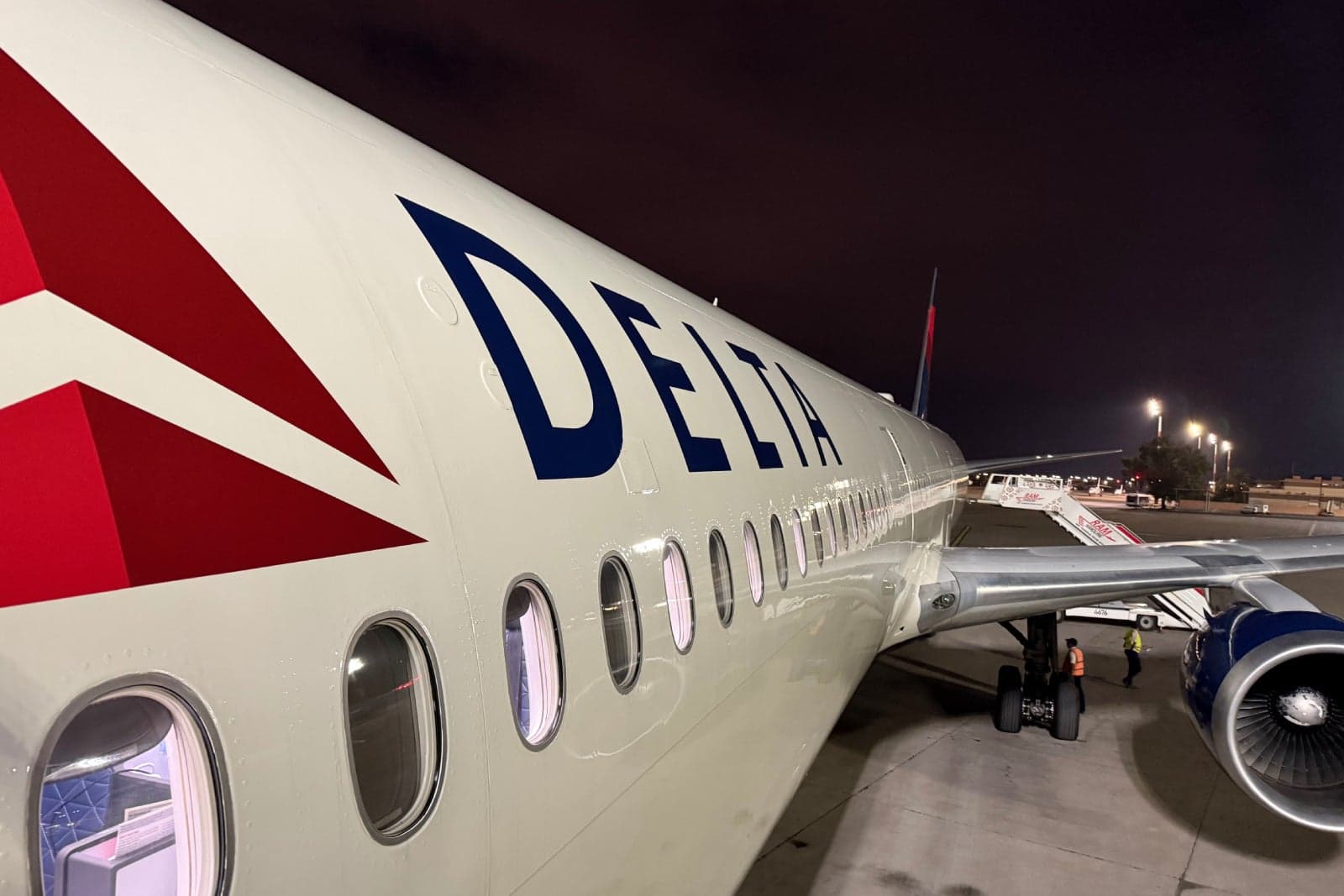
Travelers booking flights with Delta Air Lines will now pay $10 more for their first checked bag, as the Atlanta-based carrier becomes the latest U.S. airline to raise baggage fees amid a surge in fuel costs driven by geopolitical instability in the Middle East. Effective April 8, the fee for a first checked bag will increase from $35 to $45, marking a 28% jump that reflects a broader industry trend of carriers passing rising operational expenses onto consumers. This move follows similar fee hikes by JetBlue and United Airlines, signaling a coordinated effort among airlines to offset financial pressures tied to volatile fuel markets.
- Delta’s first-bag fee rises to $45 from $35, a $10 increase effective April 8, 2025.
- The second checked bag fee increases from $45 to $55, while the third jumps to $200, up from $150.
- Elite Delta SkyMiles members and certain credit cardholders retain free checked bag privileges.
- The fee hike comes as airlines face surging jet fuel costs amid Middle East tensions and global inflation pressures.
Why Airlines Are Raising Baggage Fees Now
Airlines are raising baggage fees at a time when jet fuel prices have climbed sharply, driven by ongoing geopolitical instability in the Middle East and broader supply chain disruptions. Jet fuel, a primary operating cost for airlines, has seen fluctuations tied to regional conflicts, including the Israel-Hamas war and broader tensions involving Iran and Yemen’s Houthi rebels. These conflicts have disrupted global oil supply chains, pushing prices higher and squeezing airline profit margins. In response, carriers are implementing a mix of fare increases, fuel surcharges, and add-on fees to stabilize revenue streams and offset unpredictable fuel expenses.
The Role of Fuel Costs in Airline Pricing
Fuel costs typically account for 20-30% of an airline’s total operating expenses, making them one of the most significant variables in ticket pricing. When fuel prices rise, airlines face a dilemma: absorb the costs and risk eroding profitability, or pass them on to consumers through higher fares and fees. Most carriers, including Delta, have chosen the latter strategy in recent months. The International Air Transport Association (IATA) reported that global jet fuel prices averaged $102 per barrel in March 2025, up from approximately $85 per barrel in late 2024. This increase has contributed to a wave of fee adjustments across the U.S. airline industry.
How Delta’s Fee Hike Compares to Competitors
Delta’s decision to raise baggage fees aligns with actions taken by other major U.S. airlines in recent weeks. JetBlue increased its first-bag fee from $35 to $40 in late March, while United Airlines raised its fee from $35 to $40 and then to $45 within a span of days. American Airlines, which has not yet adjusted its baggage fees in 2025, previously raised its first-bag fee from $30 to $35 in 2024. This pattern reflects a long-standing industry practice where carriers often match fee increases to maintain competitive parity and preserve revenue.
Who Will Be Affected by Delta’s Baggage Fee Increase?
Delta’s new baggage fees will primarily impact leisure travelers and those who do not qualify for waived fees through elite status or cobranded credit cards. Most passengers booking economy or basic economy fares will see the $10 increase applied to their first checked bag, while those checking a second bag will pay $55 instead of $45. The third-bag fee has seen the most dramatic rise, jumping from $150 to $200—a 33% increase that targets travelers with heavier luggage needs. However, Delta’s highest-tier elite members, including Diamond Medallion, Platinum Medallion, and Gold Medallion status holders, will continue to enjoy free checked bags, as will holders of certain Delta-American Express credit cards.
The History of Airline Baggage Fees and Industry Trends
Airline baggage fees have been a controversial staple of the U.S. airline industry since 2008, when Delta and American Airlines became the first major carriers to introduce them. Initially, the fees were positioned as a way to offset rising fuel costs, though critics argued they were a tactic to increase ancillary revenue. Over the past 17 years, baggage fees have become a significant income stream for airlines, collectively generating over $5 billion annually in the U.S. alone. Delta, for example, reported $1.2 billion in baggage fee revenue in 2024, according to the U.S. Department of Transportation. The current fee hikes represent a continuation of this trend, with airlines increasingly relying on add-on charges to bolster profitability amid fluctuating fuel prices.
How to Avoid Delta’s New Baggage Fees
Travelers looking to avoid Delta’s steepened baggage fees have several options, primarily centered around elite status or strategic credit card use. Delta’s Medallion elite members, who achieve status through frequent flying or spending, receive complimentary checked bags—up to three for Diamond Medallion members. Additionally, Delta’s cobranded credit cards, such as the Delta SkyMiles® Platinum American Express Card and Delta SkyMiles® Reserve American Express Card, offer free checked bags as a cardholder benefit. Another strategy is to pack light: Delta’s basic economy fares do not include a free checked bag, but passengers can still avoid fees by traveling with only a personal item.
The Broader Impact on Travelers and the Airline Industry
The wave of baggage fee increases underscores a broader shift in the airline industry, where carriers are prioritizing revenue diversification amid economic uncertainty. For travelers, this means higher out-of-pocket costs for trips that require checked luggage, particularly for families or those traveling with sports equipment or medical supplies. The fee hikes also come at a time when airfare prices are already elevated due to inflation, with the U.S. Bureau of Labor Statistics reporting that airline fares increased by 12% year-over-year in February 2025. Industry analysts warn that further fee increases could deter some leisure travelers, particularly those sensitive to rising costs of living.
What’s Next for Airline Fees and Industry Dynamics
As Delta and other airlines implement higher baggage fees, industry observers expect additional carriers to follow suit in the coming months. The trend may extend to other ancillary fees, such as seat selection or priority boarding, as airlines seek to offset ongoing financial pressures. However, the pace and scope of future fee hikes could depend on several factors, including fuel price stability, consumer demand, and regulatory scrutiny. The U.S. Department of Transportation has increased its oversight of airline fee transparency in recent years, mandating that carriers disclose all potential charges upfront during the booking process. This regulatory environment may limit how aggressively airlines can raise fees without risking backlash or legal challenges.
These updates are part of Delta's ongoing review of pricing across its business and reflect the impact of evolving global conditions and industry dynamics. — Delta Air Lines spokesperson, April 2, 2025
Key Takeaways for Travelers
- Delta’s first checked bag fee rises to $45 from $35 on April 8, 2025, with second and third bags increasing to $55 and $200, respectively.
- Elite Delta SkyMiles members and certain credit cardholders retain free checked bag privileges, offering a potential workaround for travelers.
- Airlines are raising fees amid surging jet fuel costs tied to Middle East conflicts and global inflation, following similar moves by JetBlue and United.
- Travelers can avoid fees by packing light, using basic economy fares with only a personal item, or leveraging elite status or cobranded credit cards.
- Industry analysts predict further fee hikes could impact leisure travel demand, particularly as airfare and living costs continue to rise.
Frequently Asked Questions
Frequently Asked Questions
- When does Delta’s new baggage fee take effect?
- Delta’s new baggage fees will apply to tickets booked on or after Wednesday, April 8, 2025. The change does not affect tickets purchased before this date.
- Does Delta offer any ways to avoid the new baggage fees?
- Yes. Delta’s Medallion elite members and holders of certain Delta-American Express credit cards receive free checked bags. Travelers can also avoid fees by packing only a personal item or using basic economy fares.
- How do Delta’s new fees compare to other airlines?
- Delta’s first-bag fee of $45 matches United Airlines’ recent increase, while JetBlue charges $40. These fees are higher than American Airlines’ current $35 fee, which has not yet been adjusted in 2025.