
The closure of the Strait of Hormuz, a critical chokepoint for global oil trade, has entered its third week amid escalating US-Iran hostilities, sending crude prices surging and threatening to destabilize political orders worldwide just months before pivotal elections in the US and beyond. With 20% of the world’s oil and gas supply—roughly 21 million barrels per day—at risk, the crisis has exposed the fragile intersection of energy security, geopolitical power, and electoral politics, forcing leaders from Washington to Brussels to reevaluate their strategies for navigating an era of unprecedented volatility.
- The Strait of Hormuz closure—triggered by the US-Iran conflict—has disrupted 20% of global oil trade, risking severe economic and political consequences ahead of elections.
- Crude oil prices are climbing, threatening to reignite inflationary pressures and undermine voter confidence in incumbent governments.
- Global leaders, including Donald Trump, face mounting political liability as energy crises collide with election cycles worldwide.
How the Strait of Hormuz Closure Is Disrupting Global Oil Markets and Fueling Economic Uncertainty
The Strait of Hormuz, a narrow waterway between Oman and Iran, is the world’s most critical oil transit route, handling approximately one-fifth of daily global crude and natural gas shipments. When Iran’s Foreign Minister Abbas Araghchi declared the strait 'open, but closed to our enemies, to those who carried out this cowardly aggression against us and to their allies' in the wake of recent US-Israeli airstrikes, the message was clear: Tehran intends to weaponize energy flows as part of its asymmetric warfare strategy. The closure—now in its third week—has already triggered a 12% spike in Brent crude prices since mid-March, with analysts at Goldman Sachs projecting further increases to $95 per barrel by June if the strait remains inaccessible.
The Economic Ripple Effects of a Prolonged Disruption
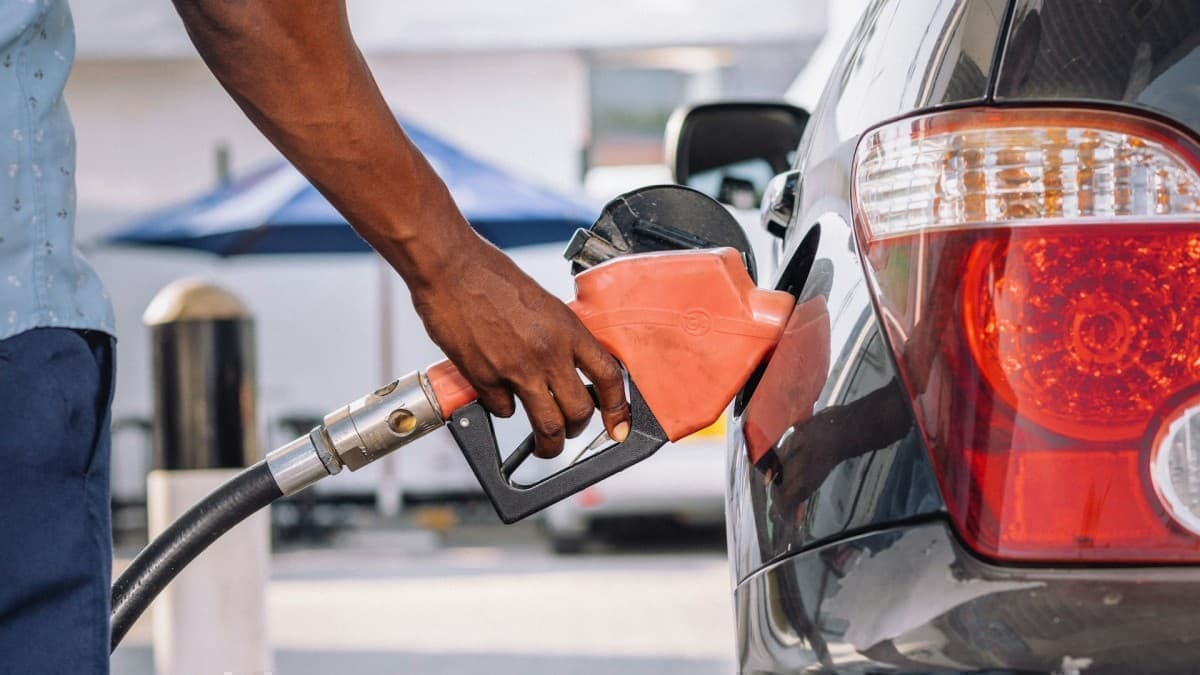
The immediate economic fallout is already visible. According to the International Energy Agency (IEA), a sustained disruption could remove up to 4.5 million barrels per day (bpd) from global markets, comparable to the supply shock triggered by Libya’s 2011 civil war. Retail gasoline prices in the US have jumped 8% in the past month, with the national average now exceeding $3.80 per gallon—a threshold that historically correlates with declining consumer sentiment and lower approval ratings for sitting presidents. In Europe, where energy prices remain a raw political wound from Russia’s war in Ukraine, the crisis threatens to derail fragile economic recoveries and reignite debates over fossil fuel dependence.
Why China’s Energy Strategy May Shield It from the Worst Impacts
While Western nations scramble to respond, China appears uniquely positioned to weather the storm. Beijing’s strategic petroleum reserves, built up over the past decade, now hold an estimated 600 million barrels of crude—enough to cover roughly 90 days of imports. Chinese state-owned oil giants, including Sinopec and CNPC, have reportedly continued importing Iranian oil via the strait despite the closure, leveraging longstanding energy partnerships with Tehran. 'China’s energy security strategy has always prioritized diversification and resilience,' said Li Shuo, senior global policy advisor at Greenpeace East Asia. 'Unlike the US or Europe, Beijing has the strategic patience and economic tools to absorb short-term shocks.'
Political Fallout: How Soaring Oil Prices Could Reshape Elections Worldwide
The timing of this crisis could not be worse for global leaders. In the United States, President Donald Trump faces a midterm election cycle where energy affordability has become a central campaign issue—despite his administration’s aggressive fossil fuel expansion policies. Trump’s 2024 platform leans heavily on promises of 'cheap, abundant, and American-made' energy, but the specter of $4-a-gallon gasoline threatens to erode that narrative. 'The administration’s foreign policy actions have collided directly with the affordability message Republicans are trying to cement ahead of the election,' said Heidi Crebo-Rediker, senior fellow at the Council on Foreign Relations and former Obama administration economist. 'Voters don’t distinguish between geopolitical strategy and their pain at the pump.'
“The post-oil world remains far in the future. We’re in the early to middle stages of an energy transition, but energy transitions take time.” — David Sandalow, fellow at Columbia University’s Center on Global Energy Policy, New York Times interview, March 2024
A Domino Effect: Which Countries Are Most Vulnerable to the Energy Crisis?
The Strait of Hormuz crisis is not just an American problem—it’s a global one. Nations already grappling with high inflation and debt burdens are now bracing for further economic strain. Brazil, which holds presidential elections in October 2024, is particularly vulnerable; the country imports 80% of its fuel and has seen diesel prices surge 15% in the past two weeks. Similarly, Nigeria— Africa’s largest oil producer—faces both economic and political instability as crude prices rise, exacerbating fuel subsidies that already consume 30% of the national budget.
Europe’s Fragile Energy Reckoning
European leaders, still recovering from the energy shock of Russia’s invasion of Ukraine, are now confronting a new crisis. The European Union’s executive arm, the European Commission, has warned that prolonged oil price spikes could push inflation back above 4%, derailing efforts to control living costs. France, which faces legislative elections in 2025, has seen protests erupt over rising fuel costs in recent weeks, echoing the 'Yellow Vests' movement of 2018. Meanwhile, Germany’s energy-intensive industries—already reeling from high gas prices—are urging the government to intervene before supply chains collapse.
Can the US and Allies Force the Strait Open? Diplomacy vs. Military Options
The Trump administration has sought to rally NATO allies and partners, including China, into a coalition to reopen the strait to global trade. However, responses have been lukewarm at best. European nations, already strained by Ukraine war costs, are reluctant to commit to another military confrontation. China, despite its reliance on Middle Eastern oil, has shown little interest in joining a US-led initiative, instead prioritizing its own energy security strategies. 'The US is asking allies to bear the cost of a strategic priority that benefits everyone, but few are willing to pay the political price,' said Elizabeth Rosenberg, former US Treasury sanctions official now at the Center for a New American Security.
The Military Option: High Risk, Uncertain Reward
Some analysts argue that a naval blockade or direct military action to secure the strait could backfire spectacularly. Iran has already threatened to target tankers and US military assets in the region, raising the specter of a broader conflict. 'Any attempt to forcibly reopen the strait would likely escalate into a full-blown regional war,' warned Vali Nasr, professor of international affairs at Johns Hopkins University. 'The costs—human, economic, and political—would dwarf the benefits.'
The Long Shadow of Energy Crises: Lessons from History and the Road Ahead
This is not the first time oil has been wielded as a geopolitical weapon. The 1973 oil embargo, led by OPEC in retaliation for Western support of Israel, triggered a global recession and reshaped energy policy for decades. More recently, Russia’s weaponization of gas supplies to Europe in 2022 demonstrated how quickly energy can become a tool of coercion. What makes the current crisis different is the sheer scale of disruption—and the timing, with elections looming in nearly every major economy.
The Energy Transition Paradox: Fossil Fuels Still Rule
Despite global pledges to transition to renewable energy, fossil fuels still account for 80% of the world’s primary energy supply. The International Energy Agency (IEA) projects that even under its most aggressive net-zero scenario, oil demand will not peak until 2030. 'The post-oil world remains far in the future,' said David Sandalow of Columbia University. 'We’re in the early to middle stages of an energy transition, but energy transitions take time.'
What Happens Next? Scenarios for the Coming Months
The path forward remains uncertain, with several potential scenarios unfolding: 1) A negotiated resolution could reopen the strait within weeks, easing supply pressures but leaving geopolitical tensions unresolved. 2) A prolonged closure could push oil prices above $100 per barrel, triggering a global recession and political upheaval in energy-dependent nations. 3) Further military escalation could spark a regional conflict, with catastrophic consequences for energy markets and global stability. 'The next 30 days will be decisive,' said Helima Croft, global head of commodity strategy at RBC Capital Markets. 'Either we see a de-escalation, or we’re looking at a much darker picture by summer.'
Key Takeaways: What Voters and Policymakers Need to Know
- The closure of the Strait of Hormuz has disrupted 20% of global oil trade, with Brent crude prices up 12% since mid-March and forecasts of $95+ per barrel by June if the strait remains closed.
- Soaring fuel prices threaten to undermine voter confidence in incumbent governments, with midterm elections in the US and pivotal votes in Brazil, Nigeria, and Europe all at risk.
- China’s strategic oil reserves and continued imports from Iran highlight its resilience, while Western nations struggle to coordinate a unified response.
- A prolonged crisis could push global inflation above 4%, reigniting economic instability and social unrest reminiscent of past energy shocks.
- Military intervention to reopen the strait carries high risks of escalation, potentially triggering a broader regional conflict.
Frequently Asked Questions About the Strait of Hormuz Closure and Global Oil Crisis
Frequently Asked Questions
- How long has the Strait of Hormuz been closed?
- The Strait of Hormuz has been closed for three weeks as of this reporting, following escalating US-Iran military tensions. Its reopening depends on diplomatic or military developments in the region.
- What countries are most affected by the oil supply disruption?
- The US, European nations, Brazil, Nigeria, and other oil-importing countries face the greatest economic and political risks from the closure, which threatens 21 million barrels per day of crude shipments.
- Could this lead to a global recession?
- A prolonged closure could push crude prices above $100 per barrel, triggering inflation spikes and reduced consumer spending—conditions that historically precede economic downturns.

