
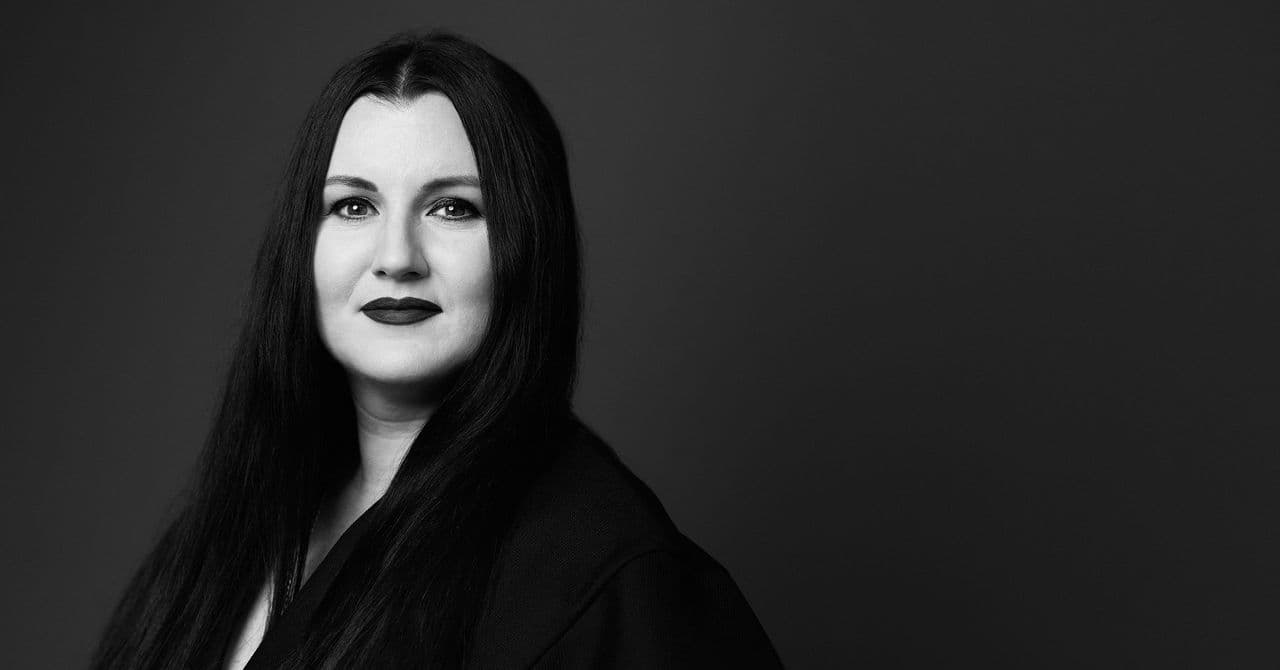
Fidji Simo, OpenAI’s chief of AGI deployment and a key executive in the company’s rapid expansion, announced she will take a medical leave of absence for several weeks after disclosing a relapse of a neuroimmune condition. Her departure comes amid a sweeping leadership restructuring at the San Francisco-based artificial intelligence giant, including the transition of COO Brad Lightcap to a newly created “special projects” role and the departure of Chief Marketing Officer Kate Rouch, who is taking time away from her role to focus on breast cancer treatment. The shake-up underscores the personal and professional challenges facing OpenAI’s leadership team as it navigates a pivotal moment in its history—one marked by aggressive growth, a looming IPO, and intense scrutiny over its governance and strategic direction.
OpenAI’s Leadership Turmoil: Who’s Leaving and Why It Matters
The executive departures at OpenAI are more than just personnel changes—they reflect the immense pressures facing a company that has become one of the most valuable in the world almost overnight. Simo, who joined OpenAI in August 2025, was tasked with overseeing consumer-facing products like ChatGPT, Codex, and the short-form video app Sora. Her leadership was central to the company’s push into new markets and its efforts to scale AI adoption globally. However, her candid announcement in an internal Slack message—shared with WIRED—revealed a deeply personal struggle that has now taken precedence over her professional responsibilities. "As I shared when I joined, I had a relapse of my neuroimmune condition a few weeks before starting the job," Simo wrote. "It’s been a bit of a rollercoaster since, and the last month has been particularly rough health-wise."
The Health Struggles Behind the Leave
Simo’s disclosure laid bare the human cost of OpenAI’s breakneck pace of growth. She admitted that she had postponed medical tests and therapies since joining the company to avoid missing work, even undergoing tests just two weeks before her leave began. "For my entire time here, I’ve postponed medical tests and new therapies to stay completely focused on the job and not miss a single day of work," she said. "I took time off for the first time two weeks before the break for some medical tests, and it's now clear that I've pushed a little too far and I really need to try new interventions to stabilize my health."
Her decision to step back highlights the broader issue of burnout and health challenges in Silicon Valley’s most high-profile companies, where executives often face relentless demands to deliver results in an increasingly competitive AI landscape. OpenAI’s rapid ascent—marked by its $122 billion funding round in early 2025, which valued the company at $852 billion—has placed enormous pressure on its leadership to execute flawlessly. Simo’s departure is a stark reminder that even at the highest levels of the tech industry, personal well-being can collide with professional ambition.
Brad Lightcap’s Shift to Special Projects
Brad Lightcap, who served as OpenAI’s COO and one of CEO Sam Altman’s most trusted deputies, is transitioning to a newly created “special projects” role. In his new position, Lightcap will oversee the company’s forward-deployed engineers, a team embedded within enterprise organizations to help integrate OpenAI’s technology into their operations. This shift suggests a strategic realignment at OpenAI, where the company is prioritizing its core products and enterprise use cases over experimental side projects.
Lightcap’s move comes as OpenAI faces increasing pressure to demonstrate profitability and operational efficiency ahead of its highly anticipated IPO. His departure from the COO role—traditionally a critical position in scaling a company—raises questions about the bench strength of OpenAI’s executive team as it prepares for public markets. OpenAI’s spokesperson emphasized in a statement that the company remains focused on advancing frontier research, growing its global user base—which now exceeds 1 billion—and powering enterprise use cases. But the leadership shuffle underscores the challenges of maintaining stability during a period of rapid transformation.
Kate Rouch’s Departure and the Future of OpenAI’s Marketing Team
Kate Rouch, OpenAI’s chief marketing officer, is taking a leave of absence to focus on her health as she undergoes treatment for breast cancer. When she returns, she will assume a “different, more narrowly scoped role” within the company, according to Simo’s internal note. Rouch’s departure adds another layer to OpenAI’s executive turnover, particularly in a critical function like marketing, which is essential for shaping the company’s public image and driving user adoption.
OpenAI has confirmed it will begin searching for a new CMO, a role that has become increasingly vital as the company seeks to differentiate itself in a crowded AI market. The company is also looking to fill the position of chief communications officer, left vacant since Hannah Wong’s departure in January. In the interim, veteran strategist Chris Lehane, known for his work in crisis communications and political strategy, has taken over leadership of the communications team. Lehane’s involvement suggests OpenAI is prioritizing messaging and stakeholder relations amid growing scrutiny from regulators, investors, and the public.
OpenAI’s Strategic Pivot: From Experimentation to Core Products
Simo’s tenure at OpenAI was marked by a deliberate shift away from experimental projects toward a focus on the company’s core offerings. In late 2025, she made the decision to shut down Sora, OpenAI’s short-form video app, signaling a broader effort to streamline operations and double down on its most successful products. This strategic pivot reflects the company’s need to demonstrate financial discipline and operational clarity as it eyes a public listing.
The move to consolidate around ChatGPT, Codex, and enterprise solutions comes as OpenAI faces increasing competition from rivals like Google, Microsoft, and Anthropic. The company’s ability to maintain its market leadership hinges on its ability to deliver consistent, scalable products that meet the demands of both consumers and businesses. Simo’s leadership was instrumental in this transition, and her absence leaves a significant leadership void at a critical juncture.
The Road to an IPO: What’s at Stake for OpenAI
OpenAI’s leadership shake-up occurs against the backdrop of its aggressive plans to go public, with reports suggesting an IPO could take place as soon as 2026. The company’s $122 billion funding round in early 2025—led by a consortium of investors including Microsoft, Thrive Capital, and Founders Fund—valued OpenAI at $852 billion, making it one of the most valuable private companies in history. The IPO would be a landmark event for the AI industry, providing a litmus test for investor appetite for generative AI technologies.
However, the IPO process is fraught with challenges. OpenAI must navigate regulatory scrutiny, particularly around its governance structure and safety protocols, as well as investor expectations for profitability and growth. The company’s leadership turnover—including the departures of Simo, Lightcap, and Rouch—could raise questions about its operational stability and long-term strategy. Additionally, OpenAI’s reliance on enterprise customers and its push into new markets like video generation and coding tools will be closely scrutinized by public market investors.
The Broader Implications: Leadership Stability and AI Industry Dynamics
OpenAI’s executive shake-up is symptomatic of the broader challenges facing the AI industry as it matures. Companies like OpenAI, which have raised unprecedented sums of capital and achieved breakneck growth, are now grappling with the realities of scaling operations, managing governance, and delivering on ambitious promises to investors and the public. The departures of Simo and others highlight the personal toll that this pace can take on even the most resilient leaders.
Moreover, the leadership turnover raises questions about OpenAI’s ability to maintain its competitive edge as it faces increasing competition from both established tech giants and well-funded startups. The company’s ability to retain top talent and execute on its strategic vision will be critical to its success in the public markets. For now, OpenAI’s leadership team is emphasizing continuity and momentum, but the coming months will test whether the company can navigate these challenges without further disruption.
Key Takeaways
- Fidji Simo, OpenAI’s chief of AGI deployment, is taking a medical leave of several weeks after disclosing a relapse of a neuroimmune condition, citing burnout and postponed medical care.
- Brad Lightcap, OpenAI’s COO, is transitioning to a special projects role, while Kate Rouch, the CMO, is stepping back for breast cancer treatment—both moves signal a broader executive restructuring.
- OpenAI’s strategic pivot under Simo focused on core products like ChatGPT and enterprise solutions, including the shutdown of the Sora video app, as the company prepares for a potential IPO.
- The company’s $122 billion funding round in 2025 valued it at $852 billion, but leadership turnover and health concerns raise questions about its operational stability and IPO readiness.
- OpenAI’s executive shake-up reflects the intense pressures facing AI companies as they scale rapidly, balance innovation with governance, and prepare for public markets amid regulatory scrutiny.
Frequently Asked Questions
Frequently Asked Questions
- Why is Fidji Simo taking a leave of absence from OpenAI?
- Simo disclosed a relapse of a neuroimmune condition and acknowledged that she had postponed medical care to focus on her work, leading her to take several weeks off to pursue new treatments and stabilize her health.
- What role is Brad Lightcap transitioning to at OpenAI?
- Lightcap is shifting to a newly created ‘special projects’ role, where he will oversee OpenAI’s forward-deployed engineers, a team focused on integrating the company’s technology into enterprise organizations.
- Is OpenAI planning an IPO soon?
- OpenAI has indicated it is eyeing a public listing as soon as 2026, following its record $122 billion funding round in early 2025, which valued the company at $852 billion.

