Shein ended its long-awaited journey to the public markets with a valuation of about $26.2 billion after debuting in Hong Kong. The fast-fashion giant raised $1.7 billion, but its shares struggled early before finishing almost flat. The listing marks a major moment for a company that was once valued at nearly $100 billion. It also puts Shein under a brighter spotlight as it faces rising costs, tougher regulation, trade tensions and growing competition.
Shein Raises $1.7 Billion in Hong Kong
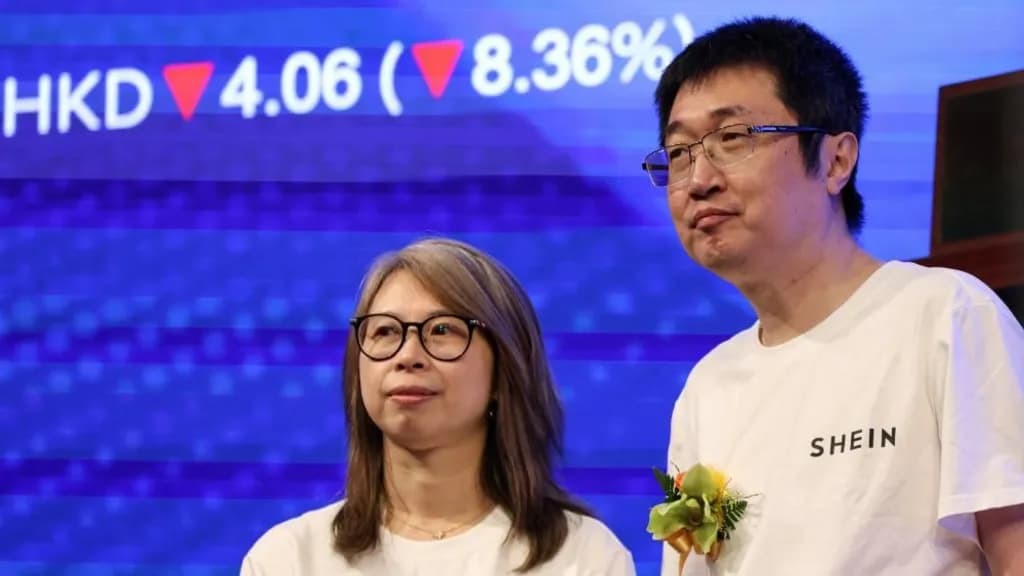
Shein priced its shares at HK$48.56 before trading began Monday, raising 13.6 billion Hong Kong dollars, or about $1.7 billion. The stock initially fell as much as 10%. It recovered most of those losses and closed at $48.50, leaving the company valued at approximately $26.15 billion. The offering is the largest new share sale in Hong Kong so far this year and provides investors with a rare opportunity to assess a major fast-fashion e-commerce company on its own.
From Nearly $100 Billion to $26 Billion
Shein became a global shopping phenomenon by offering rapidly changing fashions at extremely low prices. Its network of factories in China helped it serve customers across roughly 160 markets. The company said it had more than 273 million active customers and processed more than 1 billion orders during the year ending March 2026. At the Hong Kong listing ceremony, Chief Financial Officer Leigh Gui highlighted Shein's global reach, saying its business model has allowed consumers around the world to access fashion through small, rapidly processed orders. But the company's valuation has fallen sharply from previous estimates approaching $100 billion.
Why Shein Struggled to List in the West
Shein spent years exploring a stock market debut in the United States and the United Kingdom. Both efforts faced political and regulatory resistance. US lawmakers raised concerns about forced labor allegations involving the company's supply chain. Shein has said it maintains a zero-tolerance policy for forced labor. The company has also faced accusations of copying designers' work. Shein has said it takes infringement claims seriously and respects designers' rights. The company ultimately turned to Hong Kong after Chinese authorities approved the listing in July.
Trade Rules Are Adding Pressure
Shein's public debut comes as its low-cost business model faces higher expenses and changing trade rules. The United States ended the de minimis import exemption that allowed packages worth less than $800 to enter the country without import duties. The rule had played an important role in the rapid growth of Shein and rival Temu. The company reported a $99 million quarterly loss in July as sales slowed after the US policy change. The European Union has also introduced a €3 tax on low-value imports. Shein has additionally said the Iran war has affected demand, increased costs and caused delivery delays in some markets.
Competition Is Getting Tougher
Shein is no longer operating in a market where its model is as unusual as it once was. Rivals including Temu have expanded aggressively, while other online retailers are using predictive technology to improve how products are presented to shoppers. Temu's parent company, PDD, reported lower-than-expected quarterly revenue in August, showing that Shein is not alone in dealing with pressure on the sector. Fashion analysts also point to the troubled performance of rivals such as Asos and Boohoo as evidence that investors have become more cautious about fast-fashion businesses.
What Comes Next
Shein now has to convince public-market investors that it can maintain growth while dealing with regulation, trade restrictions and rising costs. Its Hong Kong listing gives the company access to public capital, but the debut also establishes a much lower valuation than the figures attached to Shein during its earlier attempts to enter Western markets. For shoppers, the bigger question is whether the pressure on Shein's business model eventually translates into higher prices.
FAQ
What is Shein worth after its stock market debut?
Shein was valued at approximately $26.15 billion after its first day of trading in Hong Kong.
How much money did Shein raise in its IPO?
Shein raised 13.6 billion Hong Kong dollars, equivalent to about $1.7 billion, through the listing.
Where did Shein go public?
Shein made its stock market debut in Hong Kong after attempts to list in the United States and United Kingdom faced resistance.
Why did Shein's valuation fall from nearly $100 billion?
Shein has faced stronger competition, trade tensions, regulatory scrutiny and concerns surrounding its supply chain and environmental impact.
Could Shein's problems lead to higher prices?
Investment strategist Charu Chanana said pressure on Shein's business could make its very low prices harder to sustain, potentially leading to higher prices for customers.