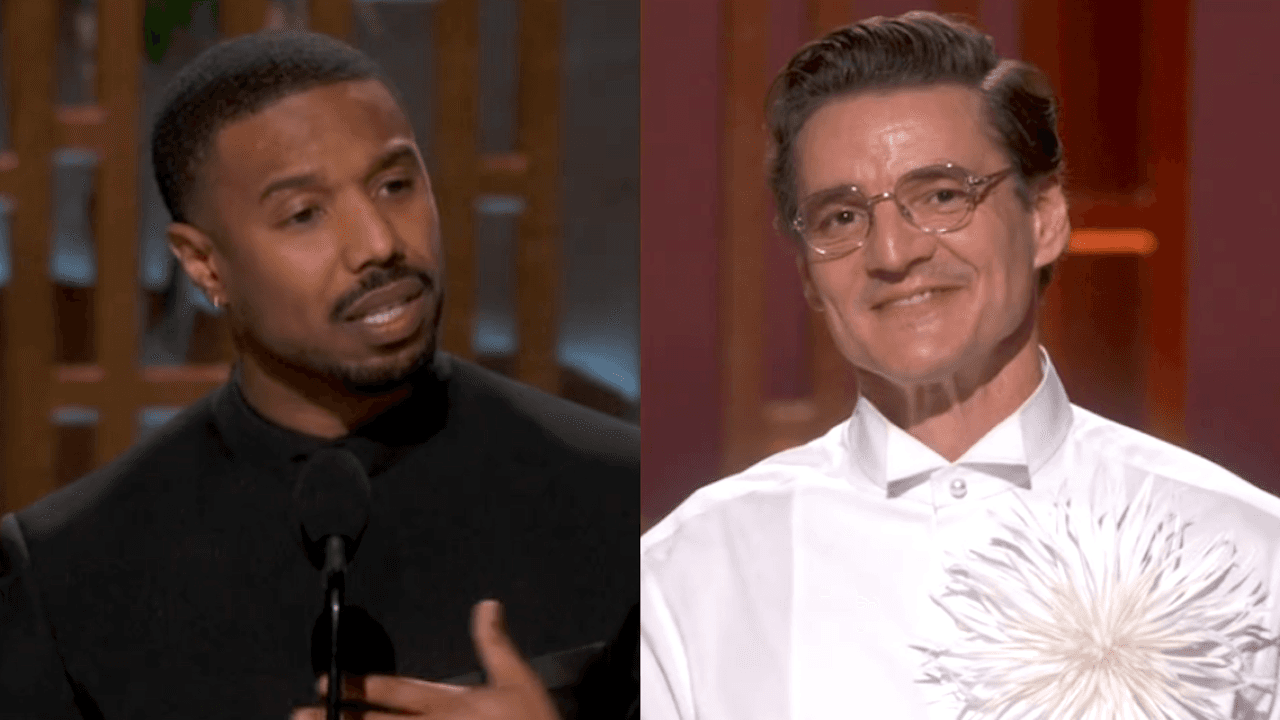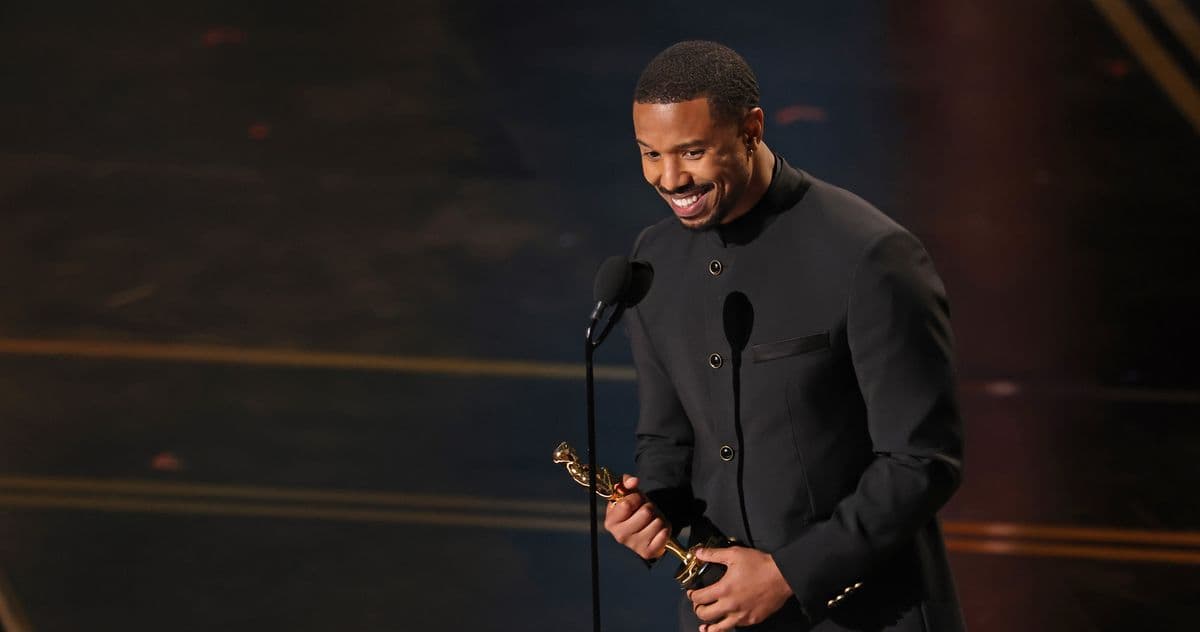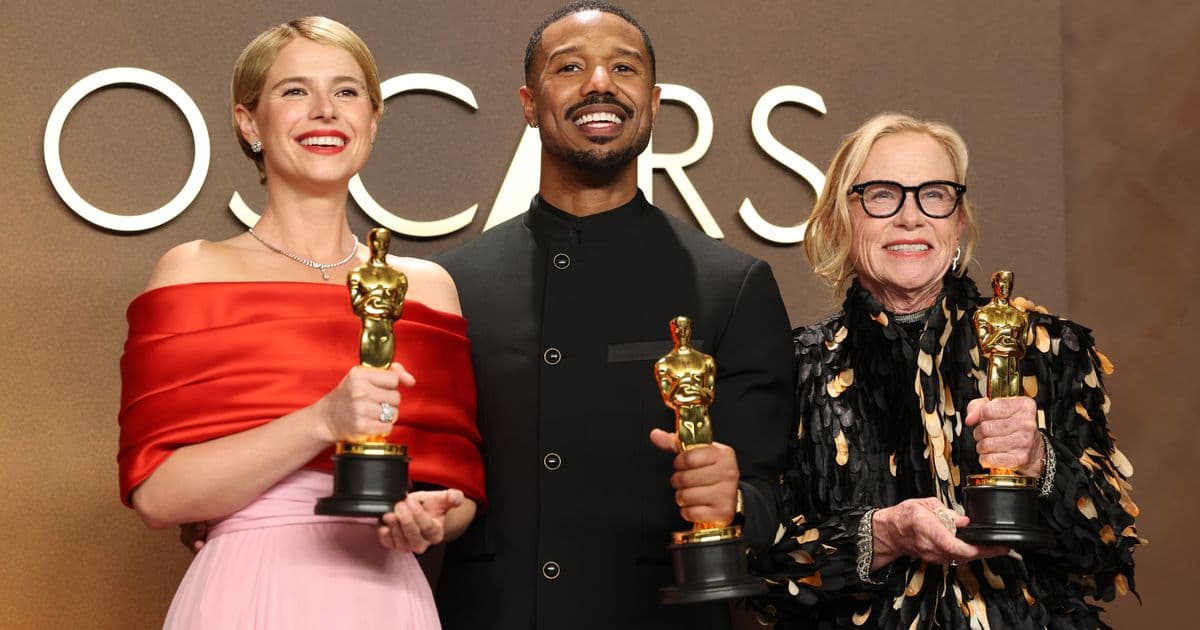
The 2026 Academy Awards delivered a cultural gut punch to Silicon Valley’s cinematic disrupters, proving that Hollywood’s oldest institution still knows how to laugh at its own existential threats. Host Conan O’Brien opened the show with a biting monologue that directly mocked Netflix co-CEO Ted Sarandos for his infamous 2024 rant against communal movie-going, while later segments gleefully spoiled the endings of *One Battle After Another*, *Weapons*, and *Hamnet*—a deliberate provocation aimed squarely at the 18-to-34 demographic of TikTok scrollers and algorithm-fed consumers. For a night that handed Best Picture to *One Battle After Another*—a sweeping war epic starring Sean Penn as the doomed Colonel Steven J. Lockjaw—the Oscars made one thing unmistakably clear: this was an awards show for the people who actually watch movies, not the tech bros who want to monetize every second of their attention.
- The 2026 Oscars embraced a bold, meta approach to hosting and programming, skewering streaming executives and spoiling major film endings to cater to dedicated filmgoers.
- Conan O’Brien’s opening monologue and prerecorded bits directly targeted Netflix’s Ted Sarandos, mocking the company’s resistance to traditional theater experiences.
- Best Picture winner *One Battle After Another* and other major categories reflected the Academy’s renewed focus on celebrating cinematic craft over populist appeal.
- The ceremony introduced new categories like Best Casting and announced a future Stunts category, signaling a shift toward recognizing behind-the-scenes technical artistry.
- The in-memoriam segment, led by Barbra Streisand, paid homage to Robert Redford with a live performance of ‘The Way We Were,’ embodying the evening’s blend of nostalgia and defiance.
Why the 2026 Oscars Felt Like a Rebuke to Streaming’s Cinephobic Vision
For years, the Academy Awards were widely criticized as a relic struggling to justify its relevance in an era dominated by algorithmic content and on-demand viewing. Think pieces proliferated annually, diagnosing the Oscars’ existential crisis with suggestions ranging from eliminating categories to replacing hosts with pop stars in a desperate bid for youth appeal. The 2025 ceremony, for instance, was widely panned for its awkward Fan Favorite Award and a Best Cheer Moment that felt like a surrender to the lowest-common-denominator audience. But the 2026 edition marked a sharp pivot—a deliberate rejection of the idea that the Oscars must cater to casual viewers or tech executives who see cinema as little more than content to be sliced, diced, and monetized.
Conan O’Brien’s Hosting as a Cultural Corrective
Conan O’Brien, a veteran of late-night television and a longtime critic of the industry’s pandering instincts, seemed tailor-made for this moment. His opening monologue didn’t just lampoon the absurdity of modern awards shows; it explicitly targeted the forces threatening traditional cinema. In a spot-on imitation of Ted Sarandos, O’Brien donned a mock-serious demeanor, petting an imaginary cat while shrieking, *“Why are they all together enjoying themselves? They should be home alone, where I can monetize it!”*—a direct parody of Sarandos’ 2024 comments about the “inefficiency” of theaters compared to streaming. The bit landed with the precision of a scalpel, underscoring the Academy’s newfound willingness to confront its detractors rather than placate them.
O’Brien’s satire extended beyond Sarandos, touching on the streaming industry’s obsession with vertical video formats and the absurdity of repeatedly explaining movie plots to distracted audiences. In one segment, he joked about a hypothetical future where the Oscars migrate to YouTube, complete with mid-broadcast ads that interrupt the host mid-sentence—a prescient jab at the erosion of attention spans in the digital age. Another bit targeted the vertical video trend, with O’Brien joking that a new company was cropping films to fit phone screens, *“cutting out like 80 percent of the image.”* The humor wasn’t just clever; it was a manifesto for a film culture that values composition, context, and communal experience over the fragmented, ad-driven consumption of streaming platforms.
The Oscars’ Newfound Confidence: Celebrating What Actually Matters
The 2026 ceremony’s most striking feature was its unapologetic embrace of its own artistry. Gone were the anxious hand-wringing about ratings or the need to explain every nominated film to a hypothetical audience member who had never heard of *Barry Lyndon*. Instead, the show leaned into the things that make cinema special: the craft of casting, the alchemy of sound design, and the emotional resonance of a well-told story. The introduction of the new Best Casting category was a case in point. Unlike the rushed, perfunctory tributes of past years, this segment featured extended clips of actors from each nominated film discussing the pivotal role their casting directors played in shaping their performances. It was a rare moment of institutional self-respect—a recognition that behind every great film is a team of unseen artists whose work is as vital as any director’s vision.
The Academy also announced plans to introduce a Best Stunts category in 2027, a long-overdue acknowledgment of the physical risk and technical skill required in action and thriller films. This decision followed years of criticism that the Oscars had become overly focused on flashy visual effects or prestige dramas, often sidelining the practical artisans who make cinema feel real. The inclusion of stunts as a competitive category aligns with a broader industry trend toward celebrating the nuts-and-bolts craftsmanship of filmmaking, from cinematography to editing to, now, stunt coordination.
Best Picture and the Triumph of *One Battle After Another*: A Film for the Ages
When *One Battle After Another* took home Best Picture, it wasn’t just a victory for Sean Penn’s bravura performance as Colonel Lockjaw or for director Paul Thomas Anderson’s sprawling, visually stunning epic. It was a statement. The film, a darkly comic meditation on legacy and futility set against the absurd backdrop of the Christmas Adventurers Club, had already dominated the awards season, sweeping nearly every major precursor award. But its Oscar win carried symbolic weight: here was a film that demanded—and rewarded—deep engagement from its audience, not the passive, distracted viewing habits encouraged by streaming platforms. Anderson’s acceptance speech, in which he paid tribute to the five Best Picture nominees from 1975 (including Stanley Kubrick’s *Barry Lyndon*, a film the director has long admired), further underscored the evening’s intellectual and artistic ambitions.
The film’s victory was all but assured, yet its dominance didn’t feel like a foregone conclusion. The 2026 Best Actor and Best Supporting Actor categories were among the most stacked in recent memory, with Michael B. Jordan (nominated for *The Last Black King*) and Sean Penn facing off against heavyweights like Paul Giamatti (*The Wager*) and Willem Dafoe (*The Night Clerk*). Jordan’s win felt particularly resonant, as his performance—a layered portrayal of a civil rights leader navigating personal and political turmoil—represented a career-defining moment. The Academy’s choices in these categories suggested a willingness to reward depth over spectacle, a refreshing contrast to the industry’s recent obsession with franchise films and CGI spectacles.
The In-Memoriam Segment: A Masterclass in Nostalgia and Defiance
No moment at the 2026 Oscars encapsulated the evening’s ethos more than the in-memoriam segment. Running longer than in any recent year, it was less a perfunctory tribute and more a full-throated celebration of cinema’s enduring power. The segment opened with Billy Crystal leading a meticulous walkthrough of Rob Reiner’s filmography, from *This Is Spinal Tap* to *When Harry Met Sally...* to *A Few Good Men*. Crystal’s rapid-fire delivery and Reiner’s own cameo in *The Bucket List* made it clear: this wasn’t just a eulogy for a director, but a love letter to the films that shaped generations. The omission of *North* (Reiner’s 1994 flop) was a particularly witty touch, nodding to the Academy’s newfound comfort with self-deprecation and historical honesty.
The segment’s emotional core came in its final act, as Barbra Streisand took the stage to honor Robert Redford. Dressed in a shimmering gold gown, Streisand delivered a heartfelt tribute, peppered with personal anecdotes about their collaborations, including their iconic pairing in *The Way We Were* (1973). As she launched into a live rendition of the film’s title song, her voice—still rich with vibrato despite the passage of time—filled the Dolby Theatre. The performance was a triumph of vulnerability and power, a reminder that great art outlasts trends and algorithms. It was also a quiet rebuke to the streaming era’s obsession with disposable content. To truly appreciate Streisand’s tribute, one had to know who she was, who Redford was, and why their films mattered. In that moment, the Oscars weren’t broadcasting to the masses—they were speaking to the converted, the cinephiles, the people who still believe in the magic of the movies.
The Tech Satire That Defined the Night: From Vertical Screens to YouTube Ads
The 2026 Oscars didn’t just acknowledge the threats to traditional cinema—it weaponized humor against them. In addition to O’Brien’s Sarandos impression, the show featured several bits that skewered the tech industry’s encroachment on film culture. One segment imagined a future where the Oscars are hosted on YouTube, complete with ads that interrupt the host mid-sentence, a not-so-subtle critique of the ad-heavy, attention-fragmented experience of digital platforms. Another joke targeted the vertical video trend, with O’Brien donning a phone-shaped costume and lamenting that *“some company is converting movies to vertical screens, cutting out like 80 percent of the image.”* The bit was a direct shot at services like TikTok and Instagram, which have increasingly pushed creators to adapt their work for mobile viewing, often at the expense of cinematic composition.
The tech satire extended to the show’s structure. Unlike past ceremonies, which often included interminable explanations of nominated films or awkward segues to unrelated pop performances, the 2026 Oscars moved with a brisk, confident rhythm. The absence of a live orchestra’s heavy-handed timing (a longstanding gripe of filmmakers and audiences alike) allowed winners to speak without being cut off mid-thought. The show’s pacing suggested a newfound trust in the audience’s intelligence—a belief that if you were watching the Oscars, you already cared about the films being honored.
A New Era for the Oscars? The Implications of 2026’s Bold Experiment
The 2026 Academy Awards may well be remembered as a turning point for the institution. For decades, the Oscars operated under the assumption that they needed to appeal to the broadest possible audience, even if that meant diluting their own identity. The 2025 ceremony, with its ill-received Fan Favorite Award and cringe-inducing crowd-pleasing stunts, was a low point in that regard. But the 2026 edition felt like a declaration of independence—a rejection of the idea that the Oscars must constantly prove their relevance to people who don’t care about cinema in the first place. Instead, it doubled down on the things that make the Oscars special: the art of filmmaking, the craft of storytelling, and the communal experience of watching a movie on the big screen.
This shift didn’t happen in a vacuum. It reflects broader industry trends, including the growing backlash against streaming’s dominance and the resurgence of theatrical releases for prestige films. 2025 saw a record number of Best Picture nominees grossing over $100 million at the box office, while films like *One Battle After Another* and *Weapons* proved that audiences still crave the immersive, communal experience of cinema—when given the chance. The Academy’s embrace of this ethos suggests that it may finally be waking up to the fact that its core audience isn’t the casual viewer, but the dedicated cinephile who treasures the medium’s unique strengths.
The Legacy of 2026: Did the Oscars Finally Get It Right?
Whether the 2026 Oscars will be remembered as a fluke or a turning point remains to be seen. The Academy has a long history of overcorrecting after perceived failures, only to revert to type in subsequent years. But for one night, at least, it felt like the Oscars had rediscovered its soul. The ceremony wasn’t just entertaining—it was defiant. It refused to apologize for being a celebration of cinema, for spoiling movies, or for mocking the tech executives who see films as little more than data points to be monetized. In a cultural moment dominated by distraction and fragmentation, the 2026 Oscars offered a rare, unapologetic ode to the power of the big screen.
Frequently Asked Questions
- Why did the 2026 Oscars spoil major movie endings during the broadcast?
- The Oscars’ deliberate spoiling of films like *One Battle After Another* and *Weapons* was a playful middle finger to the streaming era’s obsession with passive, distracted viewing. By assuming its audience had already seen the nominated films, the ceremony celebrated the dedicated cinephiles who value cinema as an art form, not just content to be consumed.
- What did Conan O’Brien’s monologue at the 2026 Oscars target?
- O’Brien’s monologue skewered streaming executives like Netflix’s Ted Sarandos, mocking their resistance to communal theater experiences and their attempts to monetize every second of audience attention. The bit also targeted the tech industry’s push for vertical video and algorithm-driven content.
- Will the Oscars move to YouTube in the future?
- While not officially confirmed, the 2026 ceremony’s jokes about YouTube hosting and ad interruptions suggested that the Academy is exploring digital platforms as a potential future home for the Oscars, possibly as early as 2027.