
Increasingly diverse audiences across the United States also prefer diverse content in theatrical film releases, according to UCLA’s newly released Hollywood Diversity Report. Published on Thursday, the full report takes a deep dive into audience preferences, casting diversity, and box-office trends.
Films with casts that were 41–50% BIPOC performed the best across several categories, including the highest median global and domestic box office receipts, the largest average theater releases, the highest average opening-weekend rank, and the widest international distribution. The diversity range closely mirrors the 45.2% BIPOC share of the U.S. population, suggesting that films reflecting demographic reality resonate with audiences. BIPOC moviegoers also over-indexed as ticket buyers for films with 21–30% BIPOC casts and for films with more than 40% BIPOC casts.
The report also investigated genre trends in 2025 to further dissect audience preferences. Science fiction films generated the highest median global box office earnings, while horror films achieved the highest median return on investment. Audience composition varied by genre as well: White moviegoers dominated the audience for biographies, documentaries, and dramas, which coincidentally had the lowest median box office receipts. In contrast, BIPOC audiences made up the majority of viewers for animation and horror films and nearly half of the audience for action films.
Ticket-buying patterns also revealed the growing influence of diverse audiences. BIPOC moviegoers purchased the majority of opening-weekend domestic tickets for five of the top 10 films and 11 of the top 20 films ranked by global box office in 2025. Female moviegoers bought the majority of opening-weekend tickets for two of the top 10 films and four of the top 20, while audiences aged 18–34 purchased the majority of opening-weekend tickets for four of the top 10 films and 11 of the top 20.
Casting diversity was also common among the highest-grossing films. Six of the top 10 films and 12 of the top 20 featured casts that were more than 30% BIPOC. Additionally, three of the top 10 films and eight of the top 20 had casts that were over 40% women, while two of the top 10 and four of the top 20 included casts in which more than 20% of actors had a known disability.
Among each BIPOC audience group, 10–13 of their top 20 films featured casts that were more than 30% BIPOC. Even among White moviegoers, seven of the top 20 films included casts with more than 30% BIPOC representation. Similarly, 13 of the top 20 films favored by female audiences featured casts that were over 40% female, and 12 of those films centered on women-focused stories.
The report concluded that Hollywood must focus on maintaining diversity across race and gender to ensure people keep attending the movies.
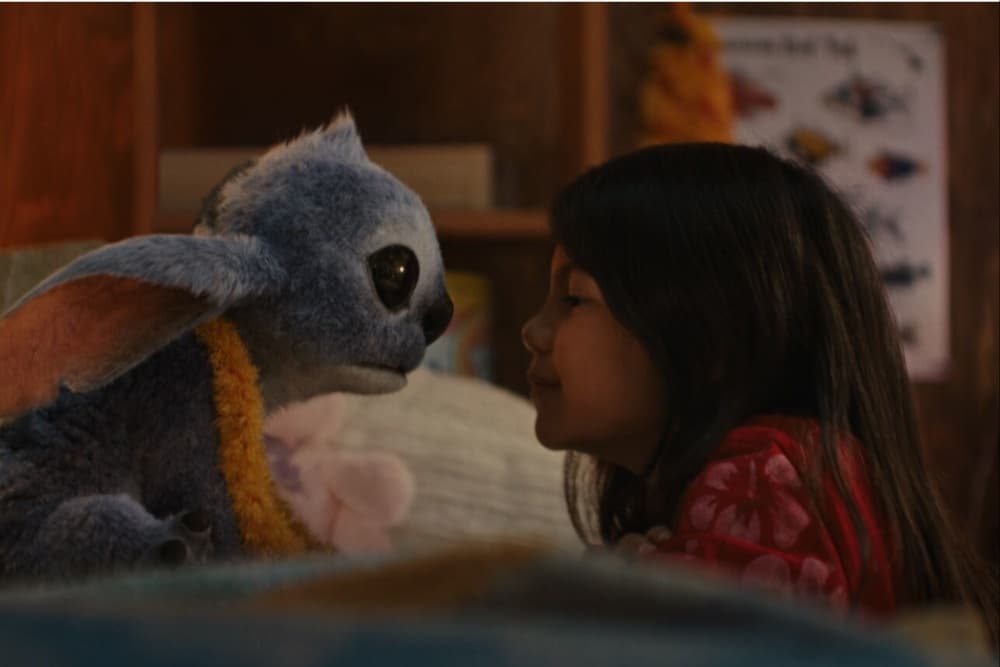
Female leads fell sharply after a historic high in 2024, and among the top 20 global box office films, female-led titles dropped from nine to six. Films where women made up the majority of the audience also declined from eight to four. In 2025, 19 of the top 20 films with the largest share of female opening-weekend audiences had a female lead or co-lead, 13 had gender-balanced casts, and 12 featured women-centered stories. According to the report, box-office successes such as “Barbie,” “Inside Out 2,” “Zootopia 2,” and the live-action “Lilo & Stitch” highlight this demand. Meanwhile, women’s total roles fell from 41.3% in 2024 to 37.1% in 2025, while majority-male casts increased from 51.5% to 66.9%.
In the report’s conclusion, the co-authors state, “People want stories they can relate to and connect with in the movies they watch. In a society where people increasingly do not interact with each other in person, film affords people the opportunity to connect with others who they may never come in contact with in real life and helps them to understand their shared humanity. This is why meaningful representation in film is so vital and why Hollywood must adapt to meet this need.”


