
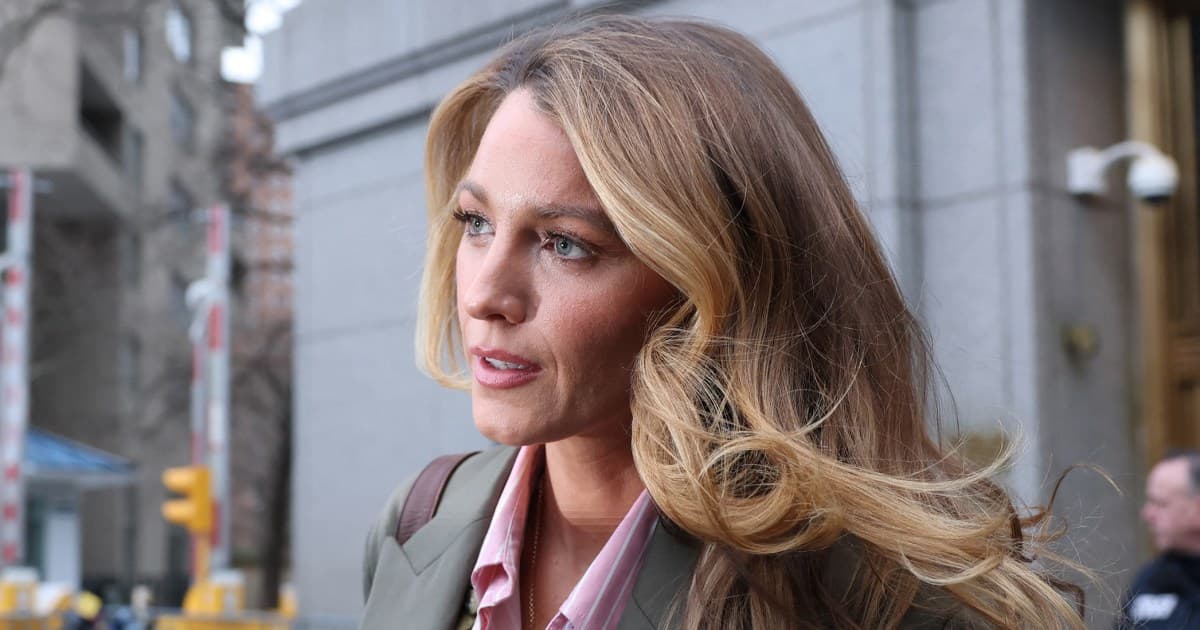
Actress and producer Blake Lively is set to take her high-profile sexual harassment lawsuit against director and co-star Justin Baldoni to trial in May, following a federal judge’s decision to dismiss the majority of her claims. On Thursday, U.S. District Judge Lewis J. Liman ruled that 10 of Lively’s 13 allegations—encompassing harassment, defamation, and conspiracy—would not proceed, while three core claims—breach of contract, retaliation, and aiding and abetting in retaliation—were allowed to move forward. The ruling marks a pivotal shift in a case that has drawn widespread attention to workplace dynamics in Hollywood and the legal recourse available to actors navigating on-set misconduct.
What the Judge’s Ruling Means for Blake Lively’s Case and the Remaining Claims
The 152-page decision handed down by Judge Liman on Thursday represents a significant narrowing of Lively’s lawsuit, which she first filed in early 2024. The judge dismissed claims under federal civil rights law, citing that Lively, as an independent contractor rather than a full-time employee, did not meet the legal threshold for those protections. However, the court allowed three critical claims to advance to a jury trial scheduled to begin on May 18, signaling that the dispute over workplace behavior and retaliation will now be scrutinized in open court.
The Three Claims That Survived the Dismissal
Of the 13 original claims filed by Lively’s legal team, three have survived judicial scrutiny: breach of contract, retaliation, and aiding and abetting in retaliation. These claims center on allegations that Baldoni and his production company, Wayfarer Studios, engaged in retaliatory actions after Lively privately raised concerns about inappropriate behavior on the set of their 2023 film 'It Ends With Us.' Her legal team argued that her complaints about unwelcome physical contact—including being kissed, nuzzled, and touched without consent—were met with professional and reputational harm, including damage to her career and public image.
In a statement issued to her Instagram Stories on Friday, Lively expressed gratitude for the court’s decision to allow the case to proceed to trial. 'The last thing I wanted in my life was a lawsuit,' she wrote, 'but I brought this case because of the pervasive retaliation I faced—and continue to face—for privately and professionally asking for a safe working environment for myself and others.' Her emotional post underscored the personal toll of the legal battle, which has spanned more than a year and drawn public support from advocates for survivors of workplace misconduct.
The Allegations: What Lively Accused Justin Baldoni of Doing on Set
Lively’s lawsuit paints a detailed portrait of alleged misconduct during the production of 'It Ends With Us,' a romantic drama based on Colleen Hoover’s bestselling novel, which also starred Baldoni as the lead and Lively as his co-star. According to court documents, Lively’s legal team alleged that Baldoni engaged in a pattern of inappropriate behavior, including repeatedly crossing professional boundaries through physical contact that she did not consent to. Her lawyers described the conduct as 'consistently inappropriate,' with instances of being kissed, nuzzled, and touched without her permission.
The lawsuit further contends that after Lively privately expressed her discomfort with Baldoni’s behavior to production staff and executives, she faced retaliatory actions. These allegedly included efforts to undermine her professional reputation, limit her creative input, and exclude her from key decisions on set. Lively’s attorneys argued that these actions constituted a deliberate campaign to silence her and deter others from speaking out about misconduct, a claim that has resonated with advocates for workplace accountability in the entertainment industry.
How Wayfarer Studios and Justin Baldoni Responded to the Allegations
In a joint statement issued on Friday, Baldoni’s legal team—led by attorneys Alexandra Shapiro and Jonathan Bach—expressed relief at the judge’s decision to dismiss the majority of Lively’s claims. 'These were very serious allegations, and we are grateful to the Court for its careful review of the facts, law, and voluminous evidence that was provided,' they said. 'What’s left is a significantly narrowed case, and we look forward to presenting our defense to the remaining claims in court.' The statement did not address the specific allegations of inappropriate physical contact but emphasized the legal team’s confidence in prevailing on the remaining issues.
Baldoni, who co-founded Wayfarer Studios and served as both director and lead actor in 'It Ends With Us,' has not publicly commented on the allegations beyond the legal filings. Wayfarer Studios, which produced the film, has also remained largely silent on the matter, though court documents indicate the company was named as a defendant in several of Lively’s claims. The studio’s legal strategy appears to focus on challenging the validity of the remaining allegations rather than disputing the factual basis of Lively’s assertions.
Legal and Industry Implications: Why This Case Matters Beyond Hollywood
The outcome of Lively’s lawsuit could have far-reaching implications for how workplace misconduct is addressed in the entertainment industry and beyond. While the judge’s ruling limits the scope of Lively’s claims, the fact that the case is proceeding to trial sends a signal that allegations of retaliation and breach of contract—particularly in cases involving independent contractors—can still be legally actionable. Employment law experts note that the ruling highlights the complexities of pursuing claims under federal civil rights statutes when the plaintiff is not a traditional employee, a scenario that is increasingly common in gig-based and project-driven industries like Hollywood.
Labor advocates and legal scholars are closely watching the case, which has already sparked conversations about the need for stronger protections for actors and crew members who experience harassment or retaliation on set. 'This case underscores the importance of clear policies and accountability mechanisms in workplaces where power dynamics are often skewed,' said employment attorney Fatima Goss Graves, president of the National Women’s Law Center. 'Even when some claims are dismissed, the fact that a trial will proceed can serve as a powerful deterrent against retaliation and a reminder that survivors have legal options.'
Blake Lively’s Public Stance: A Call to Action for Survivors and Allies
Lively’s public statements following the judge’s ruling reflect a resolve to continue advocating for systemic change, even as the legal battle intensifies. In her Instagram post, she acknowledged the emotional and professional toll of the lawsuit but emphasized her commitment to fighting for others. 'The physical pain from digital violence is very real,' she wrote. 'It is abuse. And it's everywhere. Not just in the news, but in your communities and schools.' Her reference to 'digital warfare' alludes to the online harassment and reputational attacks she has faced since filing the lawsuit, which have included coordinated social media campaigns and invasive commentary.
Lively’s statement also paid tribute to the survivors who have come before her, urging others to speak up despite the challenges. 'I know it's a privilege to be able to stand up,' she wrote. 'I will not waste it.' Her words echo those of other high-profile women in Hollywood, such as Gwyneth Paltrow and Zelda Perkins, who have used their platforms to advocate for accountability in the industry. The case has become a touchstone in broader discussions about the #MeToo movement’s legacy and the ongoing struggle for equity in entertainment workplaces.
What’s Next? The Road to Trial and Potential Outcomes
With the trial set to begin on May 18, both sides are preparing for a legal showdown that could last weeks. The remaining claims—breach of contract, retaliation, and aiding and abetting in retaliation—will be the focus of testimony from witnesses, including Lively, Baldoni, and production staff. Lively’s legal team, led by attorney Mike Gottlieb, has framed the case as a fight against systemic retaliation, arguing that the court’s decision to allow the claims to proceed validates her experiences. 'The retaliation Ms. Lively faced for privately speaking up for a safe working environment has always been the beating heart of her case,' Gottlieb said in a statement. 'It is why she filed this lawsuit.'
Possible outcomes range from a full trial verdict in Lively’s favor to a settlement before or during the proceedings. If the jury finds in her favor on the retaliation claims, it could result in significant financial damages and a precedent-setting ruling on workplace accountability. Conversely, a ruling in Baldoni’s favor could embolden production companies to challenge similar claims more aggressively in the future. Legal experts caution that the case’s outcome may hinge on the jury’s interpretation of the evidence, particularly regarding the nature of the alleged misconduct and the causal link to Lively’s career setbacks.
Key Takeaways: What This Case Reveals About Hollywood and Workplace Accountability
- A federal judge dismissed 10 of Blake Lively’s 13 claims in her lawsuit against Justin Baldoni, but three core allegations—breach of contract, retaliation, and aiding and abetting in retaliation—will proceed to trial on May 18.
- The case highlights the legal challenges faced by independent contractors in Hollywood when pursuing claims of workplace harassment or retaliation, as many federal civil rights protections do not apply to non-employees.
- Lively’s lawsuit alleges that Baldoni engaged in repeated, unwanted physical contact and that she faced professional retaliation after complaining, setting the stage for a high-stakes trial.
- The entertainment industry’s response to the allegations—including Wayfarer Studios’ legal strategy and Baldoni’s silence—will be closely scrutinized as the trial approaches.
- This case underscores broader debates about accountability in Hollywood, where power imbalances and project-based employment structures can complicate efforts to address misconduct.
Frequently Asked Questions About the Blake Lively vs. Justin Baldoni Lawsuit
Frequently Asked Questions
- What claims in Blake Lively’s lawsuit against Justin Baldoni were dismissed?
- A federal judge dismissed 10 of Lively’s 13 claims, including those alleging sexual harassment, defamation, and conspiracy. The remaining claims focus on breach of contract, retaliation, and aiding and abetting in retaliation.
- When is the trial scheduled to begin?
- The trial is set to start on May 18, 2025. Both sides are preparing for a legal battle that could last several weeks, depending on the evidence presented.
- What does Blake Lively allege happened on the set of 'It Ends With Us'?
- Lively alleges that Justin Baldoni engaged in repeated, unwanted physical contact, including being kissed and nuzzled without her consent. She also claims she faced retaliation after privately raising concerns about the behavior.

