
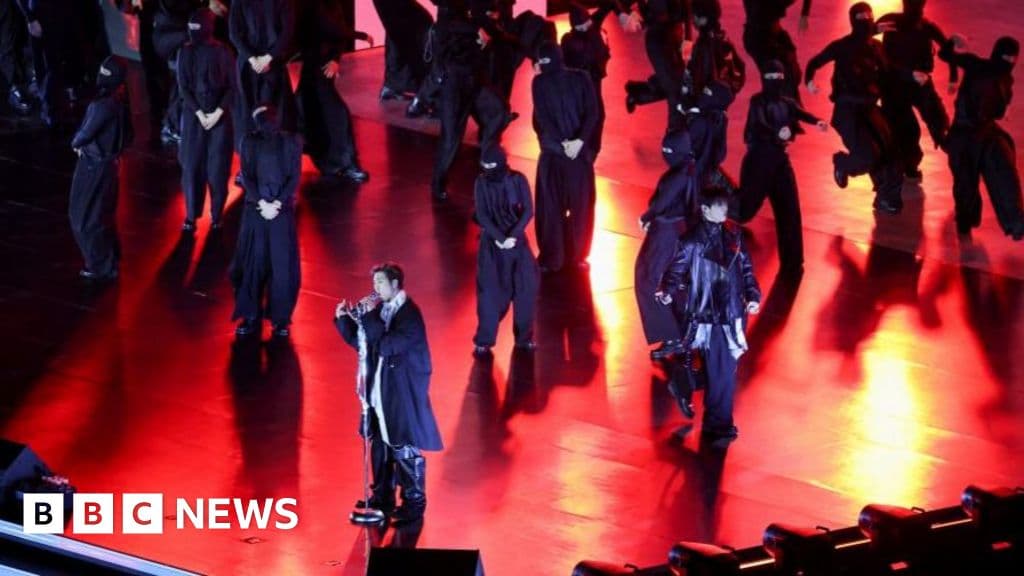
In a dazzling display of fandom and cultural diplomacy, South Korea’s capital, Seoul, transformed into a colossal stage on Saturday as BTS—the world’s most influential K-pop act—made their triumphant return to the stage together for the first time in nearly two years. Before a sprawling crowd of 260,000 adoring fans packed into Gwanghwamun Square, the seven members—RM, Jin, Suga, J-Hope, Jimin, V, and Jung Kook—performed a one-hour set that capped off years of anticipation since their 2022 hiatus for mandatory military service. The historic reunion coincided with the release of their long-awaited new album, *Arirang*, which sold 3.98 million copies on its first day, setting a new benchmark for Korean music exports and reaffirming BTS’s unparalleled influence on global pop culture.
Why BTS's Return to Seoul Is More Than Just a Concert
BTS’s comeback was not merely a musical event—it was a cultural watershed moment for South Korea. The group, which has sold over 30 million albums worldwide and topped charts from Billboard to the UK Singles Chart, represents one of the most successful exports of Korean soft power in history. Their music, fashion, and humanitarian efforts have elevated Korea’s global profile, contributing billions to the nation’s cultural economy. According to the Korea Culture & Tourism Institute, a single BTS performance can generate up to $842 million in economic activity, including tourism, merchandise, and hospitality. As the band steps back into the spotlight, their return signals not just artistic revival, but a continued expansion of Korea’s influence in shaping global entertainment trends.
A Historic Stage: Gwanghwamun Square and the Symbolism of Arirang
The choice of Gwanghwamun Square—a sprawling public plaza at the heart of Seoul, flanked by the historic Gyeongbokgung Palace and the iconic Bosingak Belfry—was deeply symbolic. The venue’s location, just steps from Korea’s political and cultural nerve center, underscored the band’s connection to the nation’s identity. The album’s title, *Arirang*, refers to Korea’s most beloved folk song, a timeless anthem about resilience and hope that dates back centuries. But the band’s promotional video drew a deliberate parallel to a little-known historical moment: the first known recording of *Arirang*, made in 1896 at Howard University in Washington, D.C., by seven Korean men. By recreating that moment in their own video, BTS positioned themselves as modern heirs to a legacy of cultural diplomacy, now exporting K-pop and Korean values worldwide with the same intent as those early Korean students over a century ago.
From Military Hiatus to Global Reunion: The Road to Arirang
BTS’s temporary disbandment in 2022 marked the end of an era when all seven members simultaneously enlisted in South Korea’s mandatory military service—a requirement for able-bodied men between the ages of 18 and 35. Jin became the first to enlist in June 2022, followed by the others in staggered intervals. Suga, the last to serve, completed his duty in June 2023, officially clearing the path for their full return. Their 82-date world tour, beginning in May 2024, will span over 30 cities across Asia, Europe, and North America, with the Seoul concert serving as the emotional apex of their comeback. Fans like Park Joo-young, a 22-year-old student from Busan, expressed both relief and high expectations: *“They’ve always exceeded my expectations. They might feel the pressure, but I believe they’ll do their best.”*
How Fans Around the World Experienced the BTS Comeback
While only 22,000 lucky ticket holders gained entry to the cordoned-off concert zone, millions of fans worldwide tuned in via a historic partnership with Netflix. The streaming giant secured exclusive live-streaming rights to both the concert and a companion documentary chronicling the band’s emotional reunion. This deal—part of Netflix’s broader investment in Korean content, including the global hit *Squid Game*—reflects the streaming platform’s strategy to dominate the booming K-entertainment market. For international fans like Margarita Perez, a 58-year-old architect from Germany who traveled to Seoul without a ticket, the event was a pilgrimage. *“I didn’t manage to snag a ticket, but I want to be nearby,”* she told BBC News. *“BTS is why I learned Korean, I studied their history, and I follow their every move.”*
The Impact of the Netflix Partnership on BTS and Korean Media
The Netflix collaboration wasn’t just a streaming convenience—it was a strategic coup for both parties. For BTS, it provided a global stage to reconnect with their international fanbase after years of solo projects. For Netflix, it reinforced its dominance in Asian content, following its $500 million investment in Korean productions in 2021. The exclusive live stream also positioned Netflix as a key player in live entertainment, a space traditionally dominated by traditional broadcasters and YouTube. With the documentary set to air later this year, the partnership is expected to drive further engagement and merchandise sales across multiple platforms.
Seoul on High Alert: Security, Tourism, and the Cost of a BTS Concert
Preparations for the BTS concert turned Gwanghwamun Square into a militarized zone. Authorities deployed 7,000 police officers, including SWAT teams equipped with anti-drone technology, to manage the massive crowd. Three nearby subway stations were closed, and access to the square was restricted through 31 entry points equipped with metal detectors. Even South Korea’s strict gun laws were temporarily tightened, with civilians barred from retrieving firearms stored at local police stations. The heightened security reflected both the scale of the event and the potential risks of such a high-profile gathering. But the precautions also sparked debate among locals. One user on X (formerly Twitter) criticized the government’s focus: *“They’ve pulled in police and fire personnel en masse. If something happens elsewhere, there may be no staff left to respond, and access could be blocked because of the controls.”*
Economic Ripple Effects: Hotels, Restaurants, and Local Businesses
The BTS effect extended far beyond the concert grounds. Hotels near Gwanghwamun Square were fully booked months in advance, with many raising prices significantly. Restaurants like *Haemul Jip*, owned by Kim Sung-dae, decked their establishments in BTS’s signature purple—K-pop’s unofficial color—and expanded menus to include English, Chinese, and Japanese to cater to the influx of international visitors. Kim said, *“We’re seeing a surge in bookings from fans coming early and staying longer. This is a once-in-a-generation opportunity.”* The Korea Tourism Organization estimated that BTS’s global tour could generate over $1 billion in revenue by 2027, when the final show concludes.
A Wedding Disrupted: The Human Cost of a National Celebration
Among those caught in the BTS whirlwind was Sohn Yeon-ju, a Seoul-based lawyer preparing to hold her wedding near Gwanghwamun Square just hours before the concert. By Thursday, the venue’s closure and security restrictions left her scrambling to find an alternative route for 200 guests. Police officials suggested transporting guests via police buses if nearby subway stations remained shut. Despite the disruption, Sohn acknowledged the moment’s significance: *“It’s a once-in-a-lifetime event. We’ll make it work.”* Her experience highlighted the tension between national pride and personal inconvenience during such massive cultural moments.
The BTS Phenomenon: Soft Power, Fan Culture, and Global Influence
BTS’s rise from a K-pop rookie act to a global superpower is a story of strategic branding, fan engagement, and cross-cultural appeal. Since debuting in 2013 under Big Hit Music (now HYBE), the group has broken records on Spotify, YouTube, and Billboard, earning Grammy nominations and a historic U.S. presidential invitation in 2021. Their fanbase, known as the *ARMY*, is one of the most organized and devoted communities in the world, known for massive streaming campaigns, charitable donations, and unwavering support during the hiatus. According to Hyundai Research Institute, BTS contributed an estimated $3.6 billion annually to South Korea’s economy through tourism, music sales, and related industries—a figure that underscores their role as national ambassadors of Korean culture.
- BTS reunited in Seoul for a free concert at Gwanghwamun Square, drawing 260,000 fans and marking their first full-group performance in 17 months.
- The *Arirang* album debuted with 3.98 million copies sold in one day, setting a new record for Korean music and reinforcing BTS’s global dominance.
- Netflix secured exclusive live-streaming rights to the concert and a reunion documentary, highlighting the platform’s investment in Korean content.
- The event generated an estimated $1 billion in economic impact, with hotels, restaurants, and tourism benefiting from the influx of international fans.
- Security measures included 7,000 police officers, anti-drone systems, and restricted access to Gwanghwamun Square, sparking debate over resource allocation.
The Future of BTS and K-Pop in a Post-Hiatus World
As BTS embarks on their world tour, the band faces both opportunity and challenge. The K-pop industry has grown exponentially since their debut, with newer groups like NewJeans and Stray Kids achieving global success. Yet BTS remains the gold standard, their every move scrutinized by fans and industry analysts alike. Their ability to maintain relevance during and after their hiatus—through solo projects, social initiatives, and strategic partnerships—has set a new benchmark for longevity in pop music. Industry experts predict that their return could reignite interest in Korean content, from dramas to films, further solidifying Korea’s place in the global entertainment landscape. As RM once said during a 2021 UN speech, *“Music and art have the power to unite and heal. That’s what we want to do.”* That mission now extends across continents, with Seoul as the starting point.
Frequently Asked Questions
Frequently Asked Questions
- When did BTS members complete their military service?
- BTS members began enlisting in June 2022. Suga, the last to serve, completed his duty in June 2023, officially clearing the way for their full reunion.
- How can I watch the BTS Arirang concert if I missed the live stream?
- Netflix has exclusive rights to the concert and a reunion documentary. Check Netflix’s upcoming releases section for global availability. Additional footage may appear on BTS’s official YouTube channel.
- What does the album title 'Arirang' mean for BTS fans?
- The title references Korea’s iconic folk song, symbolizing resilience and hope. BTS’s promotional video linked their global impact to the song’s 1896 recording in the U.S., reinforcing their role in cultural diplomacy.


