
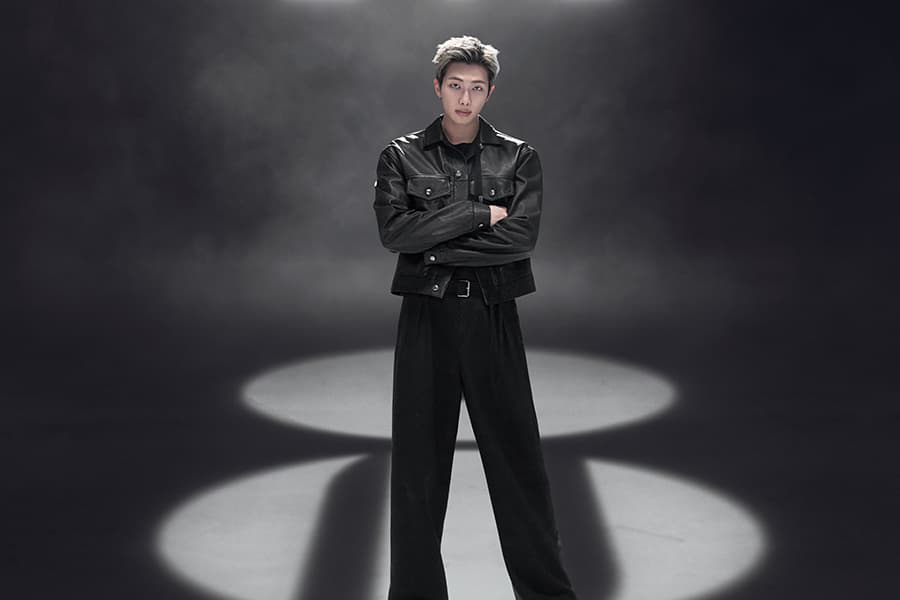
BTS’s leader and principal rapper RM will be performing with significant physical limitations at the group’s much-anticipated comeback stage, ‘BTS THE COMEBACK LIVE | ARIRANG,’ after sustaining a serious ankle injury just days before the March 21 event in Seoul. The injury, sustained during a rehearsal on March 19, has been diagnosed as a sprain of the accessory navicular, a partial ligament tear, and a talus contusion—conditions that involve both ligament damage and inflammation. Despite his commitment to deliver a high-quality performance at the symbolic Gwanghwamun venue, BIGHIT Music confirmed in an official statement that RM must wear a cast and strictly limit movement for at least two weeks to ensure full recovery and prevent further damage. This decision underscores the group’s unwavering prioritization of artist well-being over immediate performance demands, even as fans worldwide await the group’s return after a prolonged hiatus.
The Nature of RM’s Ankle Injury: What Doctors Diagnosed and Why It’s Serious
Accessory Navicular Sprain: A Lesser-Known but Painful Condition
The accessory navicular is an extra bone or piece of cartilage located on the inner side of the foot, near the arch. This condition affects approximately 10% of the general population, though many remain asymptomatic. When injured, as in RM’s case, the accessory navicular can become inflamed or sprained due to repetitive stress or acute trauma—such as the high-impact choreography typical in K-pop performances. Symptoms include localized pain, swelling, and difficulty bearing weight, all of which can severely restrict movement during dance sequences. Given the demanding physicality of BTS’s routines, even a minor aggravation of this condition can lead to prolonged recovery if not properly managed.
Partial Ligament Tear and Talus Contusion: The Double Threat to RM’s Mobility
Beyond the accessory navicular sprain, RM has also suffered a partial ligament tear, likely involving one of the stabilizing ligaments in the ankle such as the anterior talofibular ligament (ATFL), a common site for sports-related injuries. Ligament tears are graded from Grade 1 (mild stretch) to Grade 3 (complete tear), and while the severity in RM’s case has not been specified, even a partial tear can cause instability, sharp pain, and compromised range of motion. The talus contusion—a bruise on the talus bone, which connects the leg to the foot—adds further complication by causing deep joint pain and swelling. Together, these injuries create a compounded risk that requires immobilization and rest to prevent chronic issues such as arthritis or recurrent sprains.
Medical professionals have emphasized that ankle injuries involving both bone and soft tissue damage typically require a minimum of two weeks of casting and restricted weight-bearing to allow initial healing. In RM’s case, the decision to immobilize his ankle aligns with standard orthopedic protocols aimed at minimizing long-term damage. The use of a cast, rather than a splint or brace, suggests a more severe presentation, potentially involving multiple structures within the joint.
We prioritize our artists’ health and safety above all else, and are committed to providing RM with all the necessary support for his complete recovery and return to full health. Although RM’s on-stage performance will inevitably be limited, he will do his best to participate on stage and engage with ARMY and the audience.
BTS’s ‘ARIRANG’ Comeback: A Symbolic Return After Years of Anticipation
The ‘ARIRANG’ live event was set to mark BTS’s first major performance since their 2022 hiatus announcement, following a period of intense global touring, solo projects, and the conclusion of their contract with HYBE in 2023. The event was positioned not only as a musical comeback but as a symbolic return to their roots—ARIRANG is a traditional Korean folk song celebrating national pride, and the choice of Gwanghwamun Square, a historic and politically significant site in Seoul, underscored the emotional weight of the performance. For RM, the event held particular significance as he has been a vocal advocate for cultural exchange and the global promotion of Korean music, making his limited participation a bittersweet moment for fans and industry observers alike.
The Impact on BTS’s Comeback Trajectory and Fan Reactions
BTS’s hiatus and subsequent solo activities have left ARMY—their fandom—eager for a unified return, and social media platforms erupted with messages of support and concern following the injury announcement. While many fans expressed disappointment over RM’s reduced stage presence, the prevailing sentiment was one of understanding and encouragement for his recovery. The situation highlights the immense physical toll that K-pop idols endure, often performing through pain due to contractual obligations and fan expectations. RM’s decision to prioritize health over performance reflects a growing awareness within the industry of the need to normalize injury acknowledgment and recovery time, especially for artists at the peak of their careers.
How BIGHIT Music and BTS Are Managing the Crisis
In the wake of the injury, BIGHIT Music issued a detailed statement within hours of the incident, demonstrating transparency and responsiveness—key factors in maintaining fan trust during crises. The agency emphasized their close consultation with RM and medical professionals, signaling a collaborative approach to decision-making. This incident also draws attention to the evolving role of artist management in K-pop, where companies are increasingly balancing commercial demands with ethical responsibilities toward performers’ well-being. Notably, BTS members have been vocal about mental health and physical limits in past interviews, and RM himself has spoken about the pressures of being a public figure in the entertainment industry.
The Broader Implications for K-Pop: Health, Performance, and Industry Standards
RM’s injury comes at a time when K-pop idols are facing heightened scrutiny over health-related absences and performance cancellations. Recent years have seen several high-profile cases, including NCT’s Johnny and EXO’s Xiumin, sidelined due to injuries or medical conditions, sparking debates about industry practices. Mental health struggles, such as those faced by BTS’s SUGA and J-Hope, have also entered the conversation, prompting calls for systemic change. RM’s situation serves as a case study in how artists, agencies, and fans can navigate physical setbacks with empathy and prioritization of long-term health. The incident may encourage other K-pop acts to adopt similar protocols, particularly for high-stakes events or tours.
Key Takeaways: What Fans Need to Know About RM’s Injury and Recovery
- RM sustained a sprain of the accessory navicular, a partial ligament tear, and a talus contusion during a rehearsal on March 19.
- Doctors have advised strict immobilization with a cast and at least two weeks of limited movement to ensure full recovery.
- RM’s participation in BTS’s ‘ARIRANG’ comeback event on March 21 at Gwanghwamun will be partially limited due to the injury.
- BIGHIT Music and BTS have emphasized the importance of prioritizing RM’s health over immediate performance demands.
- The incident highlights broader industry discussions about health, recovery time, and ethical management of K-pop artists.
What’s Next for RM and BTS After the ‘ARIRANG’ Event?
While RM’s immediate focus will be on rehabilitation, BTS’s return to the global stage remains a top priority for the group and their fandom. The ‘ARIRANG’ event, though physically diminished for RM, is expected to feature creative staging that minimizes his need for aggressive movement. Longer term, RM’s recovery timeline will dictate his ability to participate in future promotions, interviews, or tours. Fans can likely expect regular updates from BIGHIT Music regarding his progress, and the agency has pledged full support for his return to full health. Industry analysts suggest that this incident may lead to more cautious scheduling and injury-prevention protocols for BTS and other K-pop groups in the future.
Frequently Asked Questions About RM’s Injury and BTS’s Comeback
Frequently Asked Questions
- What exactly is an accessory navicular sprain and how does it affect movement?
- An accessory navicular sprain involves injury to an extra bone or cartilage on the inner arch of the foot. It causes pain, swelling, and instability, making high-impact activities like dancing extremely difficult. Full recovery typically requires rest and immobilization.
- Will RM miss the entire BTS ‘ARIRANG’ performance?
- No, RM will still participate but with limited movement due to his injuries. He will be on stage and engage with the audience, though choreography will be adjusted to accommodate his condition.
- How long will RM need to recover from this injury?
- Medical professionals have advised a minimum of two weeks of strict immobilization with a cast. The full recovery timeline depends on the severity of the ligament tear and talus contusion, and may extend beyond that initial period.


