
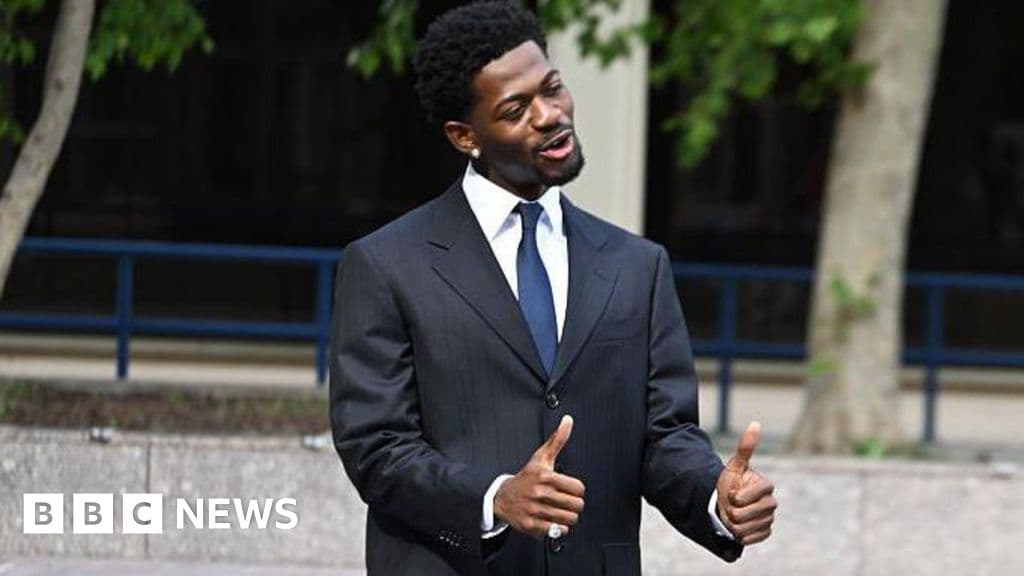
Grammy-winning rapper Lil Nas X (born Montero Lamar Hill) will avoid a potential five-year prison sentence after a Los Angeles judge granted him entry into a court-mandated mental health diversion program on Monday. The decision comes nearly a year after his arrest in Hollywood, when he was found wandering the streets in undergarments and cowboy boots, allegedly assaulting police officers and resisting arrest. If Hill successfully completes the two-year program and adheres to all legal conditions, the felony charges against him may be dismissed entirely—a move that underscores the growing recognition of mental health challenges in the criminal justice system.
How California’s Mental Health Diversion Programs Work and Why They Matter
California’s mental health diversion programs represent a critical shift in how the criminal justice system addresses nonviolent offenses linked to psychiatric conditions. Under state law, defendants diagnosed with qualifying mental health disorders may petition for diversion, allowing them to undergo treatment instead of serving traditional jail or prison time. These programs aim to break the cycle of recidivism by addressing root causes of criminal behavior rather than imposing punitive measures. According to the California Department of Health Care Services, over 1,200 individuals entered diversion programs statewide in 2023, reflecting a 22% increase from the previous year. For celebrities like Lil Nas X, whose public struggles with mental health have been widely documented, such programs offer a pathway to rehabilitation while mitigating the collateral consequences of a criminal record.
Eligibility and Process: What Defendants Must Prove
To qualify for mental health diversion in California, defendants must demonstrate that their diagnosed mental disorder played a significant role in the alleged offense. The process typically begins with a psychiatric evaluation conducted by a licensed professional, followed by a formal request to the presiding judge. If approved, the defendant is placed under court supervision for a period ranging from 12 to 24 months, during which they must comply with treatment plans, regular check-ins with a probation officer, and abstain from further legal trouble. Failure to meet these conditions can result in the reinstatement of original charges. In Lil Nas X’s case, his defense team successfully argued that his bipolar disorder was a contributing factor to his behavior during the August 2023 incident, which included allegations of assaulting officers and resisting arrest.
The 2023 Arrest: A Night of Distress and Public Scrutiny
On the evening of August 30, 2023, Los Angeles Police Department officers responded to reports of a man behaving erratically on Ventura Boulevard in Hollywood. According to court documents and police reports, Hill—who was 24 years old at the time—was found wearing only underpants and cowboy boots, exhibiting signs of distress. Witnesses alleged that he physically resisted officers during the arrest, leading to charges of battery on a peace officer and resisting arrest, both classified as felonies under California law. The incident took a further turn when Hill was transported to a nearby hospital, where medical staff raised concerns about a possible overdose. His subsequent hospitalization and diagnosis of bipolar disorder became central to his defense strategy.
Witness Accounts and Officer Reports Paint a Troubling Picture
Bodycam footage from the arrest, later obtained by media outlets, shows Hill appearing disoriented and agitated as officers attempt to detain him. One officer reported that Hill "lunged at" the arresting officers, while another described his behavior as "uncharacteristically aggressive." The Los Angeles Police Protective League, the union representing LAPD officers, issued a statement shortly after the incident expressing concern over officer safety, noting that such confrontations pose significant risks to both law enforcement and the individuals involved. The union declined to comment on the judge’s recent decision, emphasizing that their focus remains on the welfare of their members.
Legal Team Strategy: Leveraging Mental Health as a Defense
Hill’s legal team, led by attorney Christy O’Connor, argued that his actions that night were directly tied to his undiagnosed bipolar disorder, which was later confirmed by psychiatric evaluations. During Monday’s hearing, Judge Alan Schneider acknowledged that Hill’s behavior was "aberrant from his normal conduct," a key phrase that underscored the court’s receptiveness to the mental health defense. O’Connor emphasized to the judge that Hill had already taken proactive steps toward treatment, including a two-month stay at a specialized facility in Arizona following his arrest. "He’s committed to getting better, and the court recognized that," O’Connor told reporters after the hearing. The defense’s strategy highlights a growing trend in celebrity legal cases, where high-profile individuals increasingly turn to mental health diagnoses to mitigate legal consequences.
The judge told the Grammy-winning artist (real name Montero Lamar Hill) at a hearing on Monday that the charges may be quashed if he completes the programme and obeys all laws for the next two years. "I'm thankful. Just very thankful," Hill told Rolling Stone magazine after the hearing. "It could have been much worse."
The Role of Mental Health in Celebrity Culture and Public Perception
Hill’s case has reignited conversations about the pressures faced by celebrities in the public eye, particularly those navigating mental health challenges. Since rising to fame with his 2019 hit "Old Town Road," which spent a record 19 weeks atop the Billboard Hot 100, Hill has been open about his struggles with anxiety, depression, and bipolar disorder. In interviews, he has discussed the toll of fame, financial pressures, and family struggles—including his mother’s battle with addiction—as factors exacerbating his mental health issues. His father, Robert Stafford, told the Los Angeles Times in September 2023, "For a 26-year-old to have to deal with what he's dealing with—to be a breadwinner for a lot of people, the inability to change his mother's situation and the pressure he puts on himself—it can weigh heavily on your heart."
Stigma vs. Support: How the Public Responds to Celebrity Mental Health Struggles
The public’s reaction to Hill’s arrest and subsequent legal proceedings has been mixed, reflecting broader societal attitudes toward mental health. While many fans and advocacy groups praised the judge’s decision as a compassionate approach, others criticized it as a potential "get-out-of-jail-free card" for celebrities. Mental health advocates argue that such cases highlight the need for systemic reforms in how the criminal justice system handles psychiatric emergencies, noting that untreated mental illness often leads to escalating encounters with law enforcement. Organizations like the National Alliance on Mental Illness (NAMI) have long advocated for increased funding for crisis intervention teams and diversion programs, citing data that shows nearly 20% of incarcerated individuals in the U.S. have a serious mental health condition.
What’s Next for Lil Nas X? Probation, Treatment, and the Road to Redemption
With the court’s decision finalized, Lil Nas X now faces a two-year probationary period under the mental health diversion program. During this time, he will be required to attend regular therapy sessions, comply with a prescribed medication regimen, and avoid any further legal infractions. Failure to meet these conditions could result in the reinstatement of his felony charges, potentially leading to a trial and a maximum sentence of five years in state prison. His defense team has emphasized that Hill is committed to prioritizing his mental health, with plans to continue working with mental health professionals even after the program concludes. In a brief statement to the press following the hearing, Hill smiled and gave a thumbs-up, signaling a cautiously optimistic outlook on his future.
Broader Implications: How This Case Reflects Shifting Legal and Social Attitudes
Lil Nas X’s case is emblematic of a broader cultural shift toward recognizing mental health as a legitimate factor in legal proceedings. In recent years, several high-profile individuals—from musicians like Brian Wilson to athletes like Aaron Hernandez—have used mental health defenses to explain or mitigate their actions. Legal experts note that such defenses are not new, but their increasing acceptance reflects growing public awareness of psychiatric conditions and their impact on behavior. California’s mental health diversion laws, signed into effect in 2018 as part of Senate Bill 1015, were designed to address this very issue, offering judges the discretion to consider treatment over punishment for nonviolent offenses. Since their implementation, data from the California Judicial Council shows a 30% reduction in recidivism rates among participants compared to traditional sentencing.
- Lil Nas X avoided prison time after a California judge approved his entry into a 24-month mental health diversion program following his 2023 arrest in Los Angeles.
- The decision hinges on Hill’s completion of court-mandated treatment and adherence to legal conditions, with original felony charges potentially dismissed upon fulfillment.
- His defense successfully argued that undiagnosed bipolar disorder contributed to his behavior during the arrest, a strategy increasingly used in celebrity legal cases.
- California’s mental health diversion programs have seen a 22% increase in participation since 2022, reflecting a broader shift toward rehabilitative justice.
- Public reaction to the case highlights ongoing debates about celebrity privilege, mental health stigma, and the role of treatment in the criminal justice system.
A Timeline of Key Events in Lil Nas X’s Legal and Personal Journey
To understand the significance of Monday’s ruling, it’s helpful to revisit the timeline of events leading up to it: – **August 30, 2023**: Lil Nas X is arrested in Hollywood on charges of battery on a peace officer and resisting arrest after being found wandering Ventura Boulevard in underpants and cowboy boots. – **August 31, 2023**: Hill is hospitalized for concerns about a possible overdose and subsequently diagnosed with bipolar disorder. – **September 2023**: Hill pleads not guilty to the charges and enters a plea of not guilty. – **October 2023**: Hill begins a two-month stay at a treatment facility in Arizona as part of his legal defense preparation. – **June 2024**: Judge Alan Schneider reviews Hill’s progress and approves his petition for mental health diversion, citing his commitment to treatment. – **June 10, 2024**: The judge formally grants Hill’s request, setting the stage for potential dismissal of charges if he completes the program.
Frequently Asked Questions About Lil Nas X’s Legal Case and Mental Health Diversion
Frequently Asked Questions
- What is a mental health diversion program in California?
- A mental health diversion program allows defendants with qualifying psychiatric disorders to undergo treatment instead of serving jail time for nonviolent offenses. Defendants must meet specific criteria, including a confirmed diagnosis and a demonstrated link between their mental health condition and the alleged crime.
- Could Lil Nas X still go to prison if he fails the program?
- Yes. If Hill violates the terms of his diversion program—such as missing therapy sessions or committing new crimes—the court may reinstate his felony charges, potentially leading to a trial and a maximum sentence of five years in prison.
- How common is it for celebrities to use mental health defenses in legal cases?
- While not unheard of, mental health defenses in celebrity cases have become more visible in recent years. High-profile examples include musicians like Brian Wilson and athletes like Aaron Hernandez, reflecting a growing societal acknowledgment of mental health challenges.


