
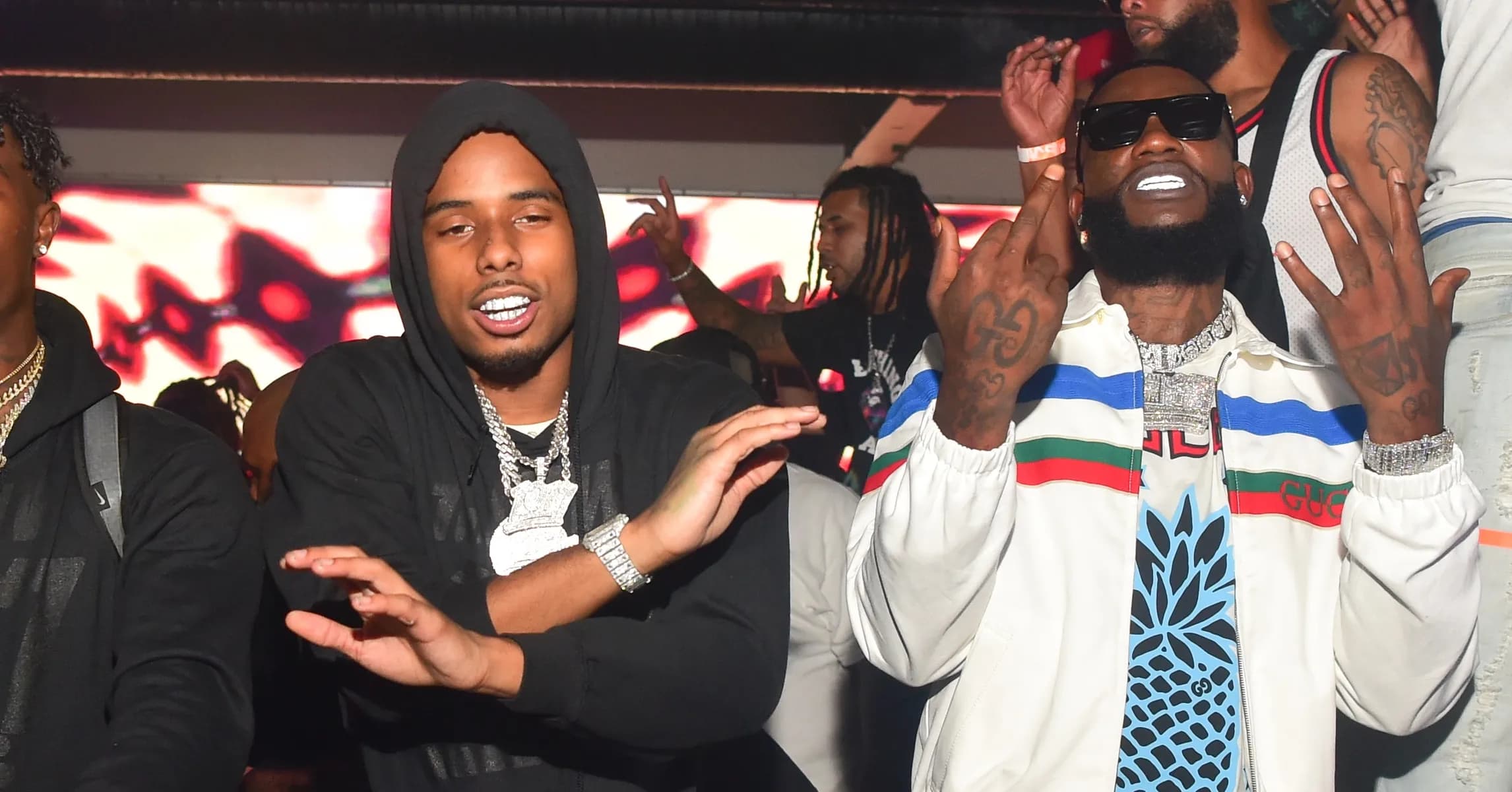
Pooh Shiesty, the rising Memphis rapper known for hits like 'Back in Blood' and 'Shiesty Summer,' is embroiled in a high-stakes federal legal battle after he and eight others, including his father, were charged with kidnapping and robbing Gucci Mane and two associates at a Dallas recording studio in April 2023. On Friday, April 3, Shiesty’s newly retained attorney, Dallas-based John Helms, broke his silence in an exclusive interview with *The Dallas Morning News*, offering the first glimpse into the defense strategy that will shape one of the most closely watched cases in hip-hop’s volatile intersection with the justice system. Helms, a seasoned criminal defense attorney with experience in high-profile federal cases, framed the allegations as a misrepresentation of a complex dispute—one rooted in contract negotiations rather than criminal intent.
Who Is Pooh Shiesty and Why Is This Case Significant?
Pooh Shiesty, born Lontrell D. Williams Jr., rose to prominence as a protégé of Gucci Mane through the latter’s 1017 Records label, a subsidiary of Atlantic Records. By 2020, Shiesty had become one of the most recognizable names in Southern hip-hop, earning a platinum plaque for 'Back in Blood' and headlining festivals like Rolling Loud Miami. However, his relationship with Gucci Mane—once a mentor-figure—had reportedly soured over contractual disputes, with rumors circulating for over a year suggesting Shiesty sought to exit his recording deal. This tension, according to Helms, is central to the defense’s argument that the alleged kidnapping was not a violent crime but a business conflict gone awry.
The Contract Dispute That Preceded the Alleged Incident
Public records and industry insiders confirm that Shiesty signed with 1017 Records in 2019 under a multi-album deal, a common structure in the hip-hop industry where labels invest heavily in artist development in exchange for exclusivity. By late 2022, reports emerged that Shiesty was frustrated with the label’s handling of his projects, including delays and limited promotional support. In March 2023—just weeks before the alleged incident—Shiesty publicly aired grievances on social media, tweeting, 'Y’all really want me to keep putting in work for y’all but y’all don’t want to put in the work for me.' While Shiesty did not explicitly name Gucci Mane or 1017 Records in the post, the timing fueled speculation about a rift. Legal experts point out that such disputes rarely escalate to criminal charges, making this case an outlier in hip-hop’s often unregulated business dealings.
Federal Charges and the Alleged Dallas Studio Kidnapping
According to the indictment unsealed in federal court, Shiesty and eight co-defendants—including his father, Lontrell Williams Sr.—are accused of orchestrating the April 14, 2023, kidnapping of Gucci Mane and two of his associates at a Dallas recording studio. Prosecutors allege the group lured Gucci Mane under false pretenses of a business meeting before detaining him against his will, stealing over $200,000 in cash and jewelry, and allegedly assaulting him. The indictment, filed in the Northern District of Georgia, cites witness testimony, surveillance footage, and alleged incriminating social media posts from Shiesty and others following the incident. If convicted on all counts—including kidnapping, conspiracy, and Hobbs Act robbery—Shiesty faces a potential life sentence in federal prison.
The Prosecution’s Case: Evidence and Witness Testimony
Federal prosecutors have indicated they will rely on a combination of digital evidence, witness statements, and physical evidence to build their case. Court filings reference surveillance footage from the studio and surrounding areas, as well as social media activity from Shiesty and co-defendants that allegedly references the alleged crime. Additionally, prosecutors allege that Gucci Mane and his team provided detailed accounts of the incident, including descriptions of physical altercations and coercive tactics used during the alleged detention. The government’s narrative hinges on portraying the incident as a premeditated act of violence and theft, rather than a spontaneous dispute. Legal analysts note that federal kidnapping charges carry severe penalties, particularly when interstate commerce (such as crossing state lines for the alleged crime) is involved, as described in the indictment.
The Defense’s Counterargument: Misinterpreted Motivations
The government tries to characterize this as a dispute over money between Lontrell and his record label, but in this business, things are very often not what they seem, and people’s motivations are very often not what they seem. This is a complex situation with layers that go beyond a simple financial disagreement.
Helms, in his interview, emphasized that the defense will challenge the prosecution’s portrayal of the incident as a violent crime. He suggested that the alleged actions stemmed from a contract dispute between Shiesty and 1017 Records, which he argues was misinterpreted by law enforcement. 'In this business, the lines between personal and professional conflicts can blur,' Helms stated. 'What may appear as coercive behavior to outsiders could be a misguided attempt to resolve a contractual disagreement.' The defense’s strategy will likely involve dissecting the motivations behind Shiesty’s communications with Gucci Mane, including text messages, social media posts, and in-person interactions leading up to the alleged incident. Helms also hinted at potential discrepancies in witness testimony, suggesting that Gucci Mane’s account may not fully align with the evidence.
Legal Experts Weigh In: Why This Case Breaks the Mold
Legal scholars and hip-hop industry analysts are closely watching this case as a potential landmark in how contractual disputes between artists and labels are handled in the criminal justice system. Traditionally, such conflicts are resolved through civil litigation or arbitration, not criminal prosecution. 'This is highly unusual,' said University of Georgia law professor Elizabeth Tippett. 'Even in cases where artists feel exploited, the legal system typically doesn’t intervene in this way. The fact that federal charges were filed suggests prosecutors see something more sinister than a typical business dispute.' Others point to the racial and cultural dynamics at play, noting that Black artists in the hip-hop industry have historically faced systemic barriers that may influence how disputes are perceived and prosecuted. The case also raises questions about the role of social media in criminal investigations, as prosecutors have cited posts from Shiesty and others as evidence of consciousness of guilt.
The Hip-Hop Community Reacts: Shock, Support, and Polarization
The alleged incident has sent shockwaves through the hip-hop community, with reactions ranging from disbelief to outright support for Shiesty. On social media, fans have debated the credibility of the allegations, with some pointing to Gucci Mane’s own past legal troubles—including a 2005 federal gun charge—as evidence of a complicated dynamic between the two. Others have rallied behind Shiesty, arguing that the charges are an overreach by federal authorities. High-profile figures like T.I. and Yo Gotti have publicly commented on the case, with T.I. tweeting, 'This ain’t the Pooh I know. Something ain’t right.' Meanwhile, industry insiders have expressed concern about the broader implications for artist-label relationships, fearing this case could set a precedent that discourages collaboration between rising stars and established labels.
What’s Next? The Legal Road Ahead for Pooh Shiesty
With the case now in the pre-trial phase, Shiesty and his legal team are preparing for a prolonged battle. Helms has indicated that the defense will file motions to suppress evidence, challenge witness credibility, and argue for a change of venue, citing potential biases in Dallas and Atlanta, where Gucci Mane is based. The next major milestone will be the arraignment, where Shiesty is expected to enter a plea. Legal analysts predict that if the case proceeds to trial, it could last several months, given the complexity of the charges and the high-profile nature of the defendants. Shiesty, who has remained out of custody since his arrest, is currently under strict bail conditions, including electronic monitoring and a travel ban. His legal team has also sought to highlight his community contributions, including his work with youth programs in Memphis, as part of their argument for leniency in sentencing if he is ultimately convicted.
- Pooh Shiesty faces potential life imprisonment if convicted on federal kidnapping and robbery charges related to the alleged 2023 Dallas studio incident involving Gucci Mane.
- His attorney, John Helms, argues the case stems from a contract dispute with 1017 Records, not a violent crime, and plans to challenge the prosecution’s portrayal of events.
- The prosecution is relying on surveillance footage, witness testimony, and social media posts as key evidence, while the defense questions the credibility of these sources.
- Legal experts note the rarity of criminal charges in artist-label disputes, making this case a potential precedent-setter for the hip-hop industry.
- The hip-hop community is divided over the allegations, with some fans and artists rallying behind Shiesty while others await further evidence.
Broader Implications: How This Case Could Reshape Artist-Label Relationships
Beyond the immediate legal battle, this case has sparked conversations about the power dynamics in the music industry, particularly between artists and their labels. Historically, Black artists in hip-hop have faced exploitation, with many signing unfavorable contracts that limit their creative freedom and financial gains. While some argue that Shiesty’s case highlights the need for stronger protections for artists, others worry that criminalizing contractual disputes could have unintended consequences. 'If labels fear criminal repercussions for every dispute, it could chill innovation and collaboration,' said entertainment attorney Dina LaPolt. 'But on the other hand, no one should be subjected to abduction and robbery, regardless of the context.' The outcome of this case could influence how future disputes are handled, both in the courtroom and in industry negotiations.
Key Players in the Case: From the Defendants to the Prosecution
The federal indictment names nine defendants, including Pooh Shiesty and his father, Lontrell Williams Sr. Other co-defendants include several associates with ties to Shiesty’s camp. On the prosecution side, the case is being handled by Assistant U.S. Attorneys from the Northern District of Georgia, with support from the FBI’s Dallas Field Office. Gucci Mane, whose legal name is Radric Davis, has not publicly commented on the case but is expected to testify if the trial proceeds. His legal team has not responded to requests for comment, and representatives for 1017 Records have declined to address the allegations, citing ongoing litigation. John Helms, Shiesty’s attorney, is a Dallas-based criminal defense lawyer with experience in federal cases, including white-collar crime and civil rights violations.
Frequently Asked Questions
Frequently Asked Questions
- What are the exact charges against Pooh Shiesty?
- Pooh Shiesty and eight co-defendants face federal charges including kidnapping, conspiracy, and Hobbs Act robbery. If convicted on all counts, Shiesty could face a potential life sentence in federal prison.
- How does Pooh Shiesty’s defense plan to argue against the allegations?
- Shiesty’s attorney, John Helms, argues that the incident stemmed from a contract dispute with 1017 Records, not a violent crime. The defense plans to challenge the prosecution’s evidence and portray Shiesty’s actions as misguided attempts to resolve a business conflict.
- When is the next major court date for Pooh Shiesty’s case?
- The next significant milestone is the arraignment, where Shiesty is expected to enter a plea. The exact date has not been publicly confirmed, but legal analysts anticipate it will occur within the next few months as the case proceeds to the pre-trial phase.


