
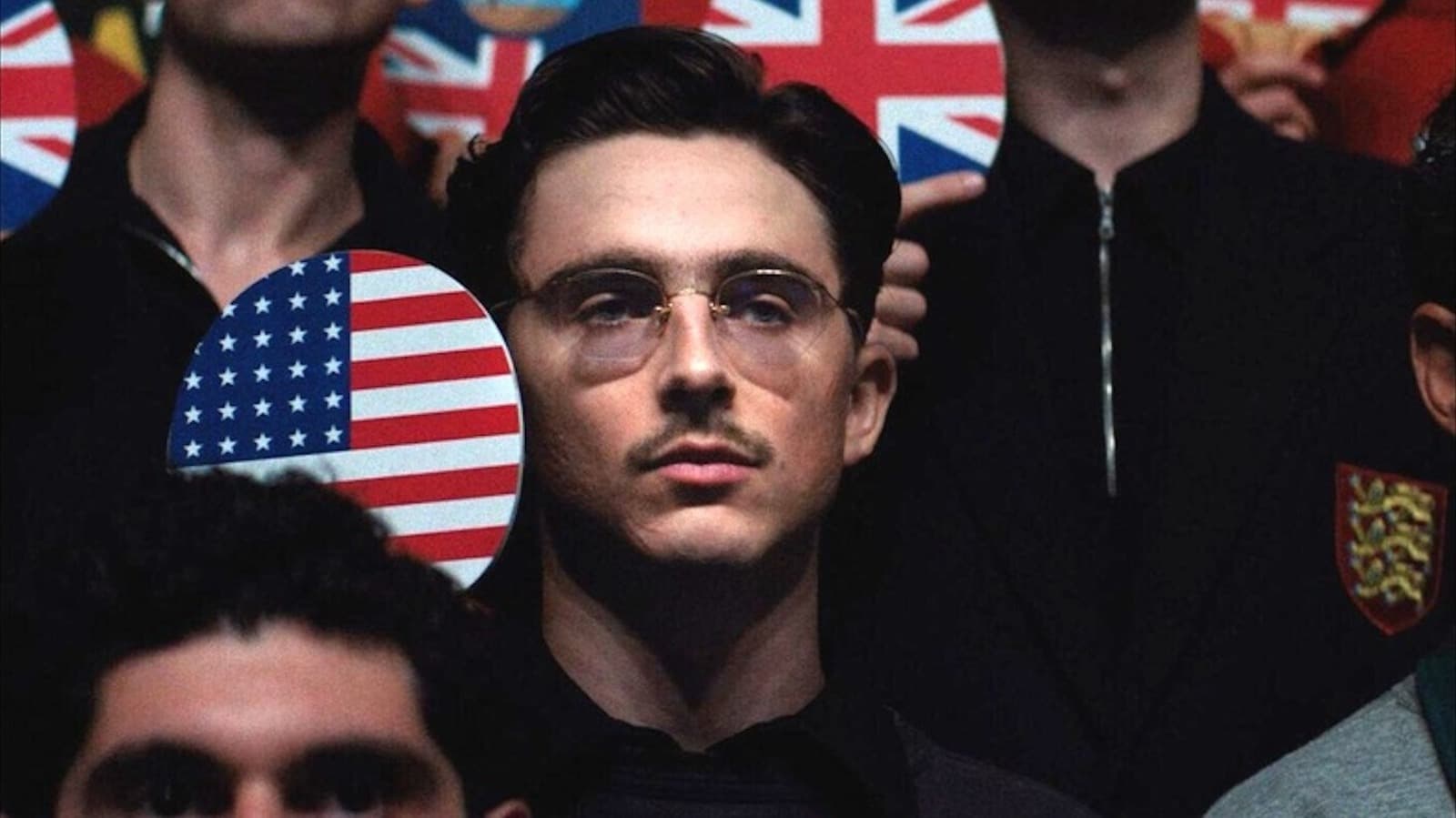
At the 98th Academy Awards, history was made not on the red carpet but in the voting booths. Timothée Chalamet, widely regarded as the front-runner for Best Actor for his performance in the critically acclaimed *Marty Supreme*, left the Dolby Theatre empty-handed—with the Oscar instead going to Michael B. Jordan for his role in *One Battle After Another*. The upset capped a dramatic awards season where every category felt like a nail-biter, culminating in a ceremony where the margins between victory and defeat were razor-thin.
Key Takeaways: Why Chalamet Lost the Best Actor Oscar to Jordan
- Timothée Chalamet’s Oscar campaign suffered from self-sabotaging remarks about ballet and opera, which overshadowed his performance in *Marty Supreme*.
- His brash promotional tactics—including a controversial rap and claims of 'top-level' performances—alienated some voters and undermined his likability.
- Michael B. Jordan’s commanding, physically transformative role in *One Battle After Another* resonated more deeply with Academy voters.
- The Best Actor race was a tight three-way contest among Chalamet, Jordan, and Leonardo DiCaprio, with DiCaprio’s low-key approach sidelining his chances.
- The Oscars’ secretive voting process and the influence of last-minute campaigning likely played a decisive role in the upset.
A Clash of Titans: The Best Actor Field and the Pressure of 2025’s Exceptional Film Year
The 2025 awards season was one for the record books, a year when major studios—Warner Bros., Paramount, and Netflix—rolled the dice on bold, original visions. Films like *One Battle After Another*, *Sinners*, *Marty Supreme*, *Weapons*, and Guillermo del Toro’s visually stunning *Frankenstein* redefined what it meant to be a contemporary blockbuster. The sheer volume of high-caliber performances made the Best Actor race particularly grueling. Nominees Timothée Chalamet (*Marty Supreme*), Michael B. Jordan (*One Battle After Another*), Leonardo DiCaprio (*The Fable*), Wagner Moura (*The Last Frontier*), and Ethan Hawke (*The Lyricist*) each delivered performances that could have justifiably claimed the gold.
A Murderers’ Row of Talent: Why Every Nominee Was Worthy
The 2025 Best Actor lineup was the kind of stacked field that only comes around once a decade. Ethan Hawke, long overdue for Oscar recognition, delivered a career-best performance as Lorenz Hart in *The Lyricist*, a role that blended humor, heartbreak, and historical gravitas. Wagner Moura, fresh off his breakout role in *Narcos*, brought raw intensity to *The Last Frontier*, a neo-Western epic where he played a morally ambiguous rancher. Leonardo DiCaprio, a four-time Oscar nominee, returned to form with his portrayal of a disillusioned writer in *The Fable*, a role that showcased his range without the typical awards-bait trappings. Even Michael B. Jordan, already a two-time Oscar nominee (*Black Panther*, *Creed*), raised the bar with his physically and emotionally demanding turn in *One Battle After Another*, a film that demanded both endurance and vulnerability from its lead.
The Chalamet Controversy: When a Campaign Backfires
Few Oscar snubs in recent memory can be traced back to a single misstep as clearly as Timothée Chalamet’s. Just days before the March 5 voting deadline, Chalamet sat down with Matthew McConaughey for a promotional interview where he aired frustrations about the pressure to promote films in theaters. His remarks—particularly his dismissive comment about ballet and opera—sparked an immediate backlash. 'I don’t want to be working in ballet, or opera, or things where it’s like, "Hey, keep this thing alive, even though like no one cares about this anymore,"' Chalamet said. ‘All respect to all the ballet and opera people out there.’ While he attempted to walk back the comments, the damage was done. The controversy erupted just as ballots were being finalized, leaving little time for recalibration.
The Timing of the Backlash: Why Late-Stage Scandals Hit Hardest
The timing of Chalamet’s remarks couldn’t have been worse. Oscar campaigns are meticulously planned, with studios and actors strategizing their promotional pushes months in advance. The McConaughey interview aired on February 24, but the firestorm didn’t fully ignite until after the voting deadline on March 5. By then, Chalamet’s team had little recourse. Historically, nominees have survived far more egregious controversies. Jane Fonda’s anti-war activism in the 1970s—including her infamous Hanoi Jane photo—could have derailed her career, yet she won Best Actress for *Klute* in 1972 and *Coming Home* in 1979. Chalamet’s comments, while tone-deaf, lacked the moral weight of Fonda’s actions. Still, in an era where social media amplifies outrage in real time, even minor missteps can feel seismic. The ballet and opera communities, already marginalized in Hollywood’s relentless push for big-budget blockbusters, seized on Chalamet’s remarks as emblematic of a broader industry neglect.
The Marty Mauser Problem: Why an Unlikable Protagonist Didn’t Doom Chalamet
Some observers speculated that Chalamet’s character in *Marty Supreme*—a self-absorbed table tennis prodigy whose ambition destroys lives—was too morally repellent to win over voters. After all, most Best Actor winners play characters who are either inherently good, capable of redemption, or at least sympathetic. But history shows that audiences—and Academy voters—are drawn to compelling villains and deeply flawed protagonists. Robert De Niro’s Oscar-winning turn as Jake LaMotta in *Raging Bull* depicted a jealous, violent, and ultimately self-destructive boxer. Michael Douglas won for playing Gordon Gekko, the iconic ‘greed is good’ stockbroker in *Wall Street*. Denzel Washington’s Oscar came for his chilling portrayal of corrupt LAPD detective Alonzo Harris in *Training Day*. Even Forrest Whitaker’s win for *The Last King of Scotland* required him to embody Uganda’s genocidal dictator, Idi Amin. If Chalamet’s Marty Mauser was a jerk, he was in good company.
Chalamet’s Campaign Missteps: From Grounded Star to Overconfident Prodigy
Chalamet’s undoing may have been his own campaign strategy—or lack thereof. Prior to *Marty Supreme*, he had cultivated an image as a humble, grounded star. His interviews were thoughtful, his engagement with fans (including courtside Knicks games) felt authentic, and he avoided the trappings of diva behavior. But as *Marty Supreme*’s awards season ramped up, Chalamet’s demeanor shifted. He adopted a brash, almost unrecognizable persona in interviews, at times seeming to perform as Marty Mauser himself. The shift culminated in a cringe-inducing rap remix with EsDeeKid, where he bragged about delivering ‘top-of-the-line performances’ over the past seven or eight years. ‘I don’t want people to take it for granted,’ he declared. ‘This is really some top-level s***.’ The comments reeked of entitlement, a tone at odds with the self-deprecating charm that had endeared him to audiences.
Easy, kid. He’s still relatively new to the party, and while I think he was sensational in *Call Me by Your Name*, *A Complete Unknown*, and *Marty Supreme*, his run pales in comparison to Al Pacino rattling off *The Godfather*, *Scarecrow*, *Serpico* *The Godfather Part II* and *Dog Day Afternoon* over a three-year span. Pump the brakes, act like a human being during the *Dune: Part Three* press tour, and never, ever attempt to rock a mic again.
Jordan’s Victory: How *One Battle After Another* Outperformed the Competition
Michael B. Jordan’s win was not just a triumph for his performance in *One Battle After Another*—it was a validation of his meticulous, actor-driven approach to the role. Jordan underwent a grueling physical transformation, shedding 20 pounds to play a soldier battling both external enemies and internal demons. The film, a war epic with arthouse sensibilities, demanded emotional and physical endurance, and Jordan delivered. His victory also underscored the Academy’s growing appreciation for performances that blend action and depth. While Chalamet’s loss may sting, Jordan’s win reflects a broader trend: voters are increasingly rewarding actors who commit fully to their craft, regardless of genre.
The DiCaprio Factor: Why a Legendary Career Didn’t Secure the Win
Leonardo DiCaprio’s presence in the race added another layer of complexity. A four-time Oscar nominee, DiCaprio has long been a frontrunner in critics’ circles, but his approach to the *The Fable* campaign was notably subdued. Unlike Chalamet’s high-wire act or Jordan’s physical dedication, DiCaprio relied on his reputation rather than aggressive self-promotion. His performance as a disillusioned writer was universally praised, but the campaign lacked the fireworks of his past bids. The Academy has a history of rewarding DiCaprio for his perseverance—he finally won in 2016 for *The Revenant*—but this year, voters seemed more drawn to the raw energy of Jordan and the narrative of Chalamet’s rise-and-fall.
The Secret Ballots: How Last-Minute Campaigning May Have Decided the Race
The Oscars’ secret ballot system ensures that even the most seasoned campaigners can’t game the outcome entirely. Studios and actors rely on a mix of screenings, luncheons, and one-on-one schmoozing to sway voters. In Chalamet’s case, his late-stage controversies may have overshadowed his performance’s strengths. Jordan, meanwhile, benefited from a campaign that emphasized his preparation and the film’s thematic resonance. The Academy’s voting body—dominated by older, industry veterans—may have been particularly attuned to performances that felt ‘classic’ in scope, aligning with Jordan’s transformative, physically demanding role over Chalamet’s nuanced but divisive character study.
The Broader Implications: What Chalamet’s Loss Says About Oscar Campaigns
Chalamet’s loss serves as a cautionary tale for future Oscar contenders. In an era where actors are increasingly expected to be social media savvy, marketable, and media-friendly, his campaign veered into uncharted territory. The backlash over his ballet and opera remarks, combined with his sudden embrace of arrogance, highlights the risks of overcorrecting for perceived industry expectations. For Jordan, the win reinforces the power of authenticity—his campaign stayed true to his strengths as an actor and a brand, avoiding the pitfalls of self-sabotage. As the Oscars evolve, so too must the strategies of the artists who seek its highest honors.
Frequently Asked Questions About the 2026 Oscars Best Actor Snub
Frequently Asked Questions
- Did Timothée Chalamet’s comments about ballet and opera really cost him the Oscar?
- While it’s impossible to know for certain, the timing of the backlash—coming just before the voting deadline—likely played a role in eroding voter goodwill. The comments were amplified by social media, making it harder for his team to recover in time.
- How often do Oscar frontrunners lose on awards night?
- It’s rare but not unheard of. In 2020, Antonio Banderas was the presumed favorite for *Pain and Glory* but lost to Joaquin Phoenix for *Joker*. Similarly, Glenn Close lost after being the frontrunner for *The Wife* in 2019.
- Why did Michael B. Jordan win over Leonardo DiCaprio and Timothée Chalamet?
- Jordan’s win reflects a combination of factors: his physically demanding performance, the film’s thematic resonance with voters, and his avoidance of campaign missteps. DiCaprio’s subdued approach and Chalamet’s controversies may have worked against them.

