
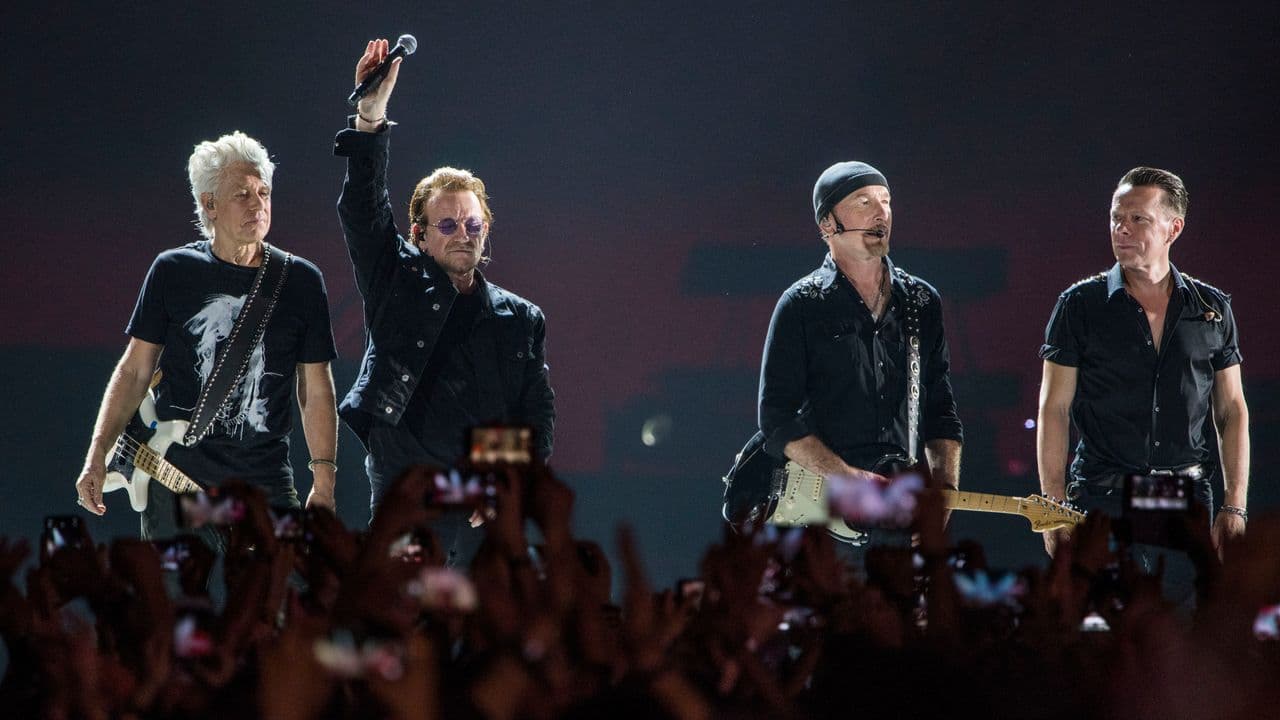
In the spring of 2026, as global tensions and personal reckonings dominate headlines, U2 has returned with Easter Lily, their second EP in just two months—and their first collaboration with ambient pioneer Brian Eno. The six-track collection marks a deliberate shift from the band’s recent activist-focused Days of Ash EP, instead plumbing the depths of personal grief, faith, and human connection amid a fractured world. Fronted by a tribute to the late producer Hal Willner, Easter Lily weaves spiritual inquiry with rock’s unmistakable urgency, as Bono confronts questions of meaning, memory, and resistance in an era of algorithmic noise and geopolitical crisis.
- U2 released their second EP of 2026, Easter Lily, featuring a collaboration with Brian Eno on the closing track.
- The EP explores personal grief, faith, and human connection, departing from the activism-focused Days of Ash EP released in February 2026.
- Bono’s lyrics on Easter Lily reference spiritual inquiry, Patti Smith’s 1978 album *Easter*, and the emotional weight of friendship and loss.
- The band released a digital edition of their *Propaganda* zine alongside the EP, featuring contributions from Bono, the Edge, Adam Clayton, and Larry Mullen Jr.
- Easter Lily precedes a still-untitled new U2 album slated for late 2026, described by Bono as "noisy, messy, and unreasonably colourful."
From Activism to Introspection: How U2’s Easter Lily Shifts Tone Amid Turbulent Times
Less than a month after releasing Days of Ash—a six-track EP dedicated to activists who had died, including Palestinian consultant Awdah Hathaleen and healthcare worker Renée Good—U2 has pivoted sharply with Easter Lily. While Days of Ash leaned into public mourning and political solidarity, Easter Lily turns inward, exploring the private fractures of faith, friendship, and grief. The band’s decision to follow such overtly political material with a deeply personal release reflects a broader artistic strategy: to meet the chaos of the modern world not just with protest, but with introspection.
Hal Willner’s Legacy: A Song for a Beloved Producer
The EP’s opening track, “Song for Hal,” serves as a poignant elegy for Hal Willner, the legendary music producer and curator who died in 2020 from COVID-19 complications. Willner was renowned for his work with artists across genres, from Lou Reed to Marianne Faithfull, and was a longtime collaborator with U2, particularly on their 1997 album *Pop*. Bono’s dedication reflects the band’s long-standing bond with Willner, whose influence extended beyond production into the realm of creative mentorship. In a press statement, Bono recalled first hearing Patti Smith’s 1978 album *Easter* at 18, calling it a formative moment that shaped his understanding of music as a vehicle for hope and spiritual inquiry.
Faith, Algorithms, and the Search for Meaning in the Digital Age
Easter Lily is not just a meditation on loss, but a broader interrogation of belief in an era dominated by digital distraction. Bono’s lyrics pose provocative questions: *Can our faith survive the mangling of meaning that those algorithms love to reward? Is all religion rubbish and still ripping us apart…? Or are there answers to find in its crevices?* These lines underscore a tension that has defined much of U2’s recent work—the struggle to reconcile spiritual longing with the disorienting speed of modern life. The album’s title itself is a nod to Patti Smith’s *Easter*, an album that Bono has cited as a touchstone for its raw emotional power and unapologetic idealism.
Brian Eno’s Involvement and the Closing Track’s Message of Hope
The collaboration with Brian Eno on the EP’s final track, “Coexist (I Will Bless the Lord at All Times?),” adds another layer of depth to Easter Lily. Eno, known for his ambient and experimental work, brings a meditative quality to the song, which U2 wrote for the parents of children growing up in war zones. The track’s title—with its parenthetical question mark—hints at both desperation and defiance, a plea for solace amid unending violence. Eno’s involvement is particularly significant given his history with U2; he co-produced their groundbreaking 1987 album *The Joshua Tree*, a record that cemented the band’s reputation as chroniclers of spiritual and political upheaval.
The Political Roots of U2’s Recent Work: From Gaza to the Gaza Strip
U2’s recent output has been marked by a renewed commitment to political activism, a stance that dates back to their 1980s protest anthems like *Sunday Bloody Sunday* and *Pride (In the Name of Love)*. In 2025, all four members of the band—Bono, the Edge, Adam Clayton, and Larry Mullen Jr.—issued individual statements condemning Israel’s blockade and starvation tactics in the Gaza Strip. While they acknowledged their lack of expertise in regional politics, the band made their stance clear: *We are not experts in the politics of the region, but we want our audience to know where we each stand.* This public alignment with humanitarian causes has drawn both praise and criticism, but Easter Lily suggests that the band is now channeling their activism through a more personal lens.
Propaganda Zine Returns: A Multimedia Companion to Easter Lily
Like Days of Ash before it, Easter Lily arrives alongside a digital edition of *Propaganda*, U2’s long-running zine that has been in circulation since 1986. This issue includes sleeve notes from the Edge, a conversation between Bono and Franciscan friar Richard Rohr on faith and art, and an essay from Adam Clayton reflecting on *art and the journey of recovery*. Larry Mullen Jr.’s behind-the-scenes studio photographs and a memorial essay on Hal Willner round out the publication, offering fans a deeper glimpse into the creative and emotional landscape of the EP. The zine’s return underscores U2’s commitment to multimedia storytelling, a tradition that has been a hallmark of the band’s identity since their early days.
What’s Next: A New U2 Album Looms in Late 2026
Easter Lily and Days of Ash are not standalone releases but stepping stones toward a full-length album U2 has described as “noisy, messy, and unreasonably colourful.” Slated for late 2026, the untitled record promises to build on the band’s recent explorations of sound and subject matter. Bono has hinted at a return to the raw, live energy that defined U2’s early work, framing the new material as an act of resistance against the numbing effect of constant digital consumption. *We still look to vivid rock n roll as an act of resistance against all this awfulness on our small screens,* he said in a statement accompanying Easter Lily. *These are for sure ‘wilderness years’ for so many of us looking at the mayhem out there in the world.*
Why U2’s 2026 Output Matters in a Fragmented Cultural Landscape
U2’s 2026 releases arrive at a moment when rock music’s cultural relevance is often debated amid the dominance of streaming platforms and algorithm-driven playlists. Yet the band’s willingness to confront both personal and political crises head-on—while maintaining a commitment to sonic experimentation—positions them as outliers in an industry that increasingly prioritizes ephemeral trends. Easter Lily, in particular, reflects a broader generational shift among longstanding artists who are using their platforms to explore existential questions in an era of uncertainty. The EP’s blend of introspection and urgency resonates at a time when audiences are hungry for art that doesn’t just entertain but also challenges and consoles.
The Band’s Enduring Legacy and the Road Ahead
Now in their sixth decade, U2 has weathered countless shifts in the music industry, from the rise of MTV to the decline of physical media. Their ability to reinvent themselves while staying true to their core themes—faith, justice, and human connection—has ensured their longevity. With Easter Lily, the band continues to prove that rock music can still be a vessel for both protest and prayer. As they head into the studio for their next album, fans can expect a sound that is as unpredictable as it is familiar, a testament to U2’s refusal to be confined by expectations. *We will attempt hoopla and fanfare at a later date to remind the rest of the world we exist*, Bono wrote, *but in the meantime… this is between you and us.*
We are in the studio, still working towards a noisy, messy, 'unreasonably colourful’ album to play LIVE… which is where U2 lives. We still look to vivid rock n roll as an act of resistance against all this awfulness on our small screens. These are for sure ‘wilderness years’ for so many of us looking at the mayhem out there in the world.
Key Takeaways: What to Know About U2’s Easter Lily EP
- U2 released *Easter Lily*, their second EP of 2026, featuring a collaboration with Brian Eno on the closing track.
- The EP shifts focus from activism to personal and spiritual themes, including a tribute to producer Hal Willner.
- Bono’s lyrics explore faith, friendship, and resistance in an era dominated by digital distraction.
- The release is accompanied by a digital edition of U2’s *Propaganda* zine, featuring contributions from all band members.
- The EP precedes a full-length album slated for late 2026, described as "noisy, messy, and unreasonably colourful."
Frequently Asked Questions About U2’s Easter Lily EP
Frequently Asked Questions
- When did U2 release Easter Lily?
- U2 released Easter Lily in 2026 as their second EP of the year, following Days of Ash in February. The EP features six tracks, including a collaboration with Brian Eno.
- What is the meaning behind Easter Lily’s title?
- The title *Easter Lily* nods to Patti Smith’s 1978 album *Easter*, which Bono cited as a source of hope and inspiration. The lily is also a symbol of rebirth and renewal, themes central to the EP’s exploration of faith and resilience.
- Will U2’s new album be released in 2026?
- Yes, U2’s next full-length album is slated for late 2026. Bono has described it as "noisy, messy, and unreasonably colourful," indicating a return to their rock roots with a modern edge.


