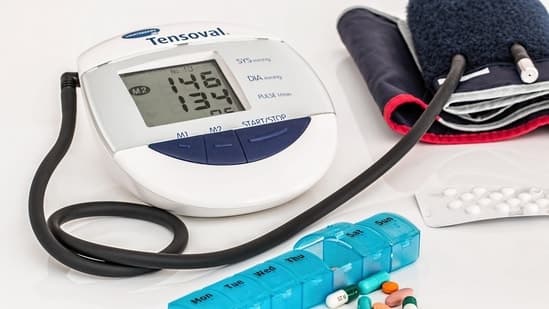
High blood pressure is a silent killer and a major cause of premature death worldwide, with an estimated 1.4 billion people having the condition, per the WHO.
In a world where hypertension affects an estimated 1.4 billion people, a heart expert is sharing a 'biochemical hack' that takes less time than brewing a cup of coffee. Dr Sanjay Bhojraj, a California-based cardiologist with more than two decades of experience, took to Instagram on February 23 to share a powerful tool for blood pressure management: controlled breathing. Also read | Cardiologist reveals how to control high blood pressure naturally with diet: Here's what to eat and what to avoid
The 'silent killer' meets the vagus nerve
According to the World Health Organization (WHO), hypertension is a 'silent killer' and a leading cause of premature death globally. While many patients immediately look to medication or salt restriction, Dr Bhojraj suggests that the nervous system is a frequently overlooked lever in heart health.
"The fastest way to lower your blood pressure naturally takes less than 2 minutes a day," Dr Bhojraj says, explaining, "When my day spikes, I don’t reach for more caffeine. I control my breathing."
The method is rooted in the physiological relationship between the lungs and the heart, according to Dr Bhojraj, who outlines a simple cadence:
⦿ Inhale: through the nose for 4 seconds.
⦿ Exhale: slowly for 6 to 8 seconds.
⦿ Duration: repeat this cycle for 2 minutes.
The science behind the 'long exhale' isn't just about relaxation; it’s about biology. Dr Bhojraj explains that longer exhales increase vagal tone and reduce sympathetic output (the 'fight or flight' response). This process lowers vascular resistance, which can drop systolic pressure within minutes.
While it may sound like simple mindfulness, the cardiologist insists this is grounded in clinical data: "Multiple clinical studies on slow breathing and device-guided breathing have shown average systolic reductions of 5 to 10 mmHg when practised consistently. That’s comparable to what some first-line interventions achieve."
He notes that while factors like visceral fat, insulin resistance, and salt intake are critical, blood pressure is also a direct 'nervous system signal'. By regulating that signal, patients may see results faster than they expect.
Dr Bhojraj integrates these techniques into his broader health programs, such as Well12 and GLP Rescue. He observes that even when patients lose weight, blood pressure doesn't always drop immediately — often because the nervous system remains in a state of high alert.
His advice for those looking to try this at home? Consistency and data. He recommends practising the 2-minute breathwork and tracking blood pressure readings for two weeks to see the tangible impact on your cardiovascular health.
Note to readers: This report is based on user-generated content from social media. HT.com has not independently verified the claims and does not endorse them.
This article is for informational purposes only and not a substitute for professional medical advice.
Catch every big hit, every wicket with Crick-it, a one stop destination for Live Scores, Match Stats, Quizzes, Polls & much more. Explore now!.
Catch your daily dose of Fashion, Taylor Swift, Health, Festivals, Travel, Relationship, Recipe and all the other Latest Lifestyle News on Hindustan Times Website and APPs.