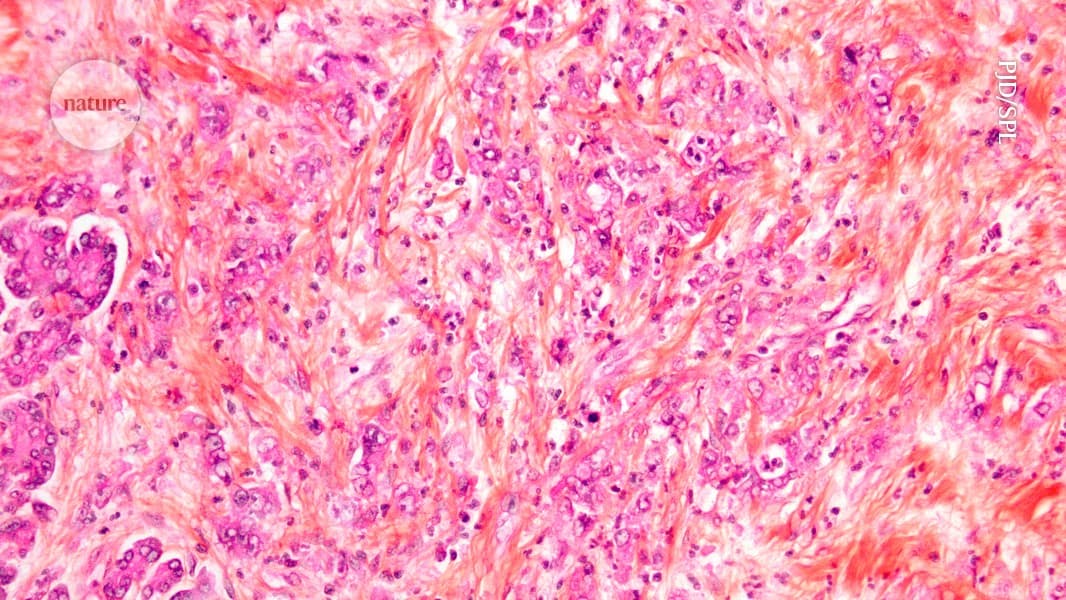
For decades, the KRAS protein, a key player in cell growth and proliferation, has been a formidable foe in the fight against cancer. Mutations in KRAS are implicated in a significant portion of cancers, including pancreatic, lung, colorectal, and others, often driving aggressive tumor growth and poor patient outcomes. Once deemed ‘undruggable’ due to its complex structure and rapid development of resistance, KRAS is now the focus of intense research, with several innovative drug strategies showing promising early results, offering a renewed sense of hope for patients and clinicians alike.
The Challenge of KRAS: Why Was It Considered 'Undruggable'?
KRAS belongs to the RAS family of proteins, which act as molecular switches, relaying signals that control cell growth, division, and differentiation. When KRAS is mutated, it becomes locked in an ‘on’ position, constantly signaling cells to grow and divide uncontrollably – a hallmark of cancer. The initial difficulty in developing drugs targeting KRAS stemmed from its relatively smooth surface, lacking the deep pockets that most traditional drugs bind to and inhibit. Early attempts to design molecules that could effectively block KRAS’s activity proved largely unsuccessful, leading to the protein’s reputation as ‘undruggable’.
The History of Resistance and Failed Attempts
While initial compounds were identified that could bind to and disable mutant KRAS, these drugs quickly encountered a significant hurdle: resistance. Patients treated with these early KRAS inhibitors often developed resistance within a short period, with new mutations arising in the KRAS protein or alternative cellular pathways compensating for the loss of KRAS function. This rapid development of resistance underscored the need for fundamentally different approaches to targeting KRAS.
New Approaches: KRAS Degradation and Inhibition in Clinical Trials
The current wave of optimism in KRAS research is fueled by two primary strategies: KRAS inhibition and, more recently, KRAS degradation. A clinical trial of a drug targeting one form of mutant KRAS for degradation has yielded encouraging initial results. This approach, coupled with four large clinical trials testing drugs that inhibit multiple mutant forms of KRAS and related proteins, represents a significant shift in the field. The first of these larger studies is expected to report results in the coming months, potentially providing crucial insights into the efficacy and safety of these new therapies.
KRAS Degradation: A Novel Strategy
KRAS degradation represents a paradigm shift in drug development. Instead of simply inhibiting the mutant KRAS protein, these compounds aim to eliminate it entirely from the cell. Degraders work by binding to KRAS and then tethering it to an E3 ubiquitin ligase, a cellular protein responsible for tagging proteins for destruction. This process effectively marks KRAS as ‘cellular rubbish,’ leading the cell’s waste-processing machinery to break down and dispose of the protein. This approach circumvents some of the resistance mechanisms observed with traditional inhibitors.
Expert Perspectives and the Future of KRAS-Targeted Therapies
Dieter Saur, a gastroenterologist and cancer researcher at the Technical University of Munich in Germany, emphasizes that it is unlikely any single approach will provide a cure. “It’s exciting. So many different things are going on,” Saur says. “The field has completely changed.” The prevailing hope is that these new therapies can be combined with one another or with existing cancer treatments to create more effective and durable regimens that KRAS-mutant cancers cannot easily evade. Kevan Shokat, a chemical biologist at the University of California, San Francisco, highlights the complexity of manipulating these cellular processes, noting that “sometimes your protein can get degraded, sometimes it just can’t.” Oncologist Wungki Park at the Memorial Sloan Kettering Cancer Center in New York City, is enthusiastic about the potential of KRAS degraders, stating, “You can actually re-educate the cell: ‘hey, this is disposable, just remove it’.”
The Broader Implications for Cancer Treatment
The progress in targeting KRAS has far-reaching implications for cancer treatment. KRAS mutations are found in a wide range of cancers, including approximately 90% of pancreatic cancers, 30% of lung cancers, and 40% of colorectal cancers. Successfully targeting KRAS could significantly improve outcomes for patients with these and other cancers. Furthermore, the development of KRAS inhibitors and degraders has spurred innovation in drug design and opened up new avenues for targeting other previously ‘undruggable’ proteins, potentially revolutionizing the treatment of various diseases beyond cancer.
- KRAS mutations are implicated in a significant portion of cancers, often driving aggressive tumor growth.
- New drug strategies, including KRAS degradation and inhibition, are showing promising early results in clinical trials.
- The development of KRAS-targeted therapies has spurred innovation in drug design and could impact treatment for various cancers.
- Combining these new therapies with existing cancer treatments is expected to be crucial for achieving durable responses.
Frequently Asked Questions
- Why was KRAS considered 'undruggable' for so long?
- KRAS was considered 'undruggable' due to its relatively smooth surface, lacking the deep pockets that most drugs bind to. Early attempts to design inhibitors were largely unsuccessful, leading to its reputation as a difficult target.
- What is the difference between KRAS inhibition and KRAS degradation?
- KRAS inhibition aims to block the protein's activity, while KRAS degradation seeks to eliminate the protein entirely from the cell. Degradation offers a potential advantage in overcoming resistance mechanisms seen with traditional inhibitors.
- When can we expect to see results from the larger clinical trials?
- The first of the four large clinical trials testing KRAS inhibitors and degraders is expected to report results in the coming months, providing crucial data on their efficacy and safety.