ShareLinkedInFacebookXWhatsAppTelegram .kadence-column33341_67ccb3-83 > .kt-inside-inner-col{display:flex;}.kadence-column33341_67ccb3-83 > .kt-inside-inner-col,.kadence-column33341_67ccb3-83 > .kt-inside-inner-col:before{border-top-left-radius:0px;border-top-right-radius:0px;border-bottom-right-radius:0px;border-bottom-left-radius:0px;}.kadence-column33341_67ccb3-83 > .kt-inside-inner-col{column-gap:var(--global-kb-gap-none, 0rem );}.kadence-column33341_67ccb3-83 > .kt-inside-inner-col{flex-direction:row;flex-wrap:wrap;align-items:center;}.kadence-column33341_67ccb3-83 > .kt-inside-inner-col > *, .kadence-column33341_67ccb3-83 > .kt-inside-inner-col > figure.wp-block-image, .kadence-column33341_67ccb3-83 > .kt-inside-inner-col > figure.wp-block-kadence-image{margin-top:0px;margin-bottom:0px;}.kadence-column33341_67ccb3-83 > .kt-inside-inner-col > .kb-image-is-ratio-size{flex-grow:1;}.kadence-column33341_67ccb3-83 > .kt-inside-inner-col:before{opacity:0.3;}.kadence-column33341_67ccb3-83{position:relative;}.kadence-column33341_67ccb3-83, .kt-inside-inner-col > .kadence-column33341_67ccb3-83:not(.specificity){margin-bottom:20px;}@media all and (max-width: 1024px){.kadence-column33341_67ccb3-83 > .kt-inside-inner-col{flex-direction:row;flex-wrap:wrap;align-items:center;}}@media all and (min-width: 768px) and (max-width: 1024px){.kadence-column33341_67ccb3-83 > .kt-inside-inner-col > *, .kadence-column33341_67ccb3-83 > .kt-inside-inner-col > figure.wp-block-image, .kadence-column33341_67ccb3-83 > .kt-inside-inner-col > figure.wp-block-kadence-image{margin-top:0px;margin-bottom:0px;}.kadence-column33341_67ccb3-83 > .kt-inside-inner-col > .kb-image-is-ratio-size{flex-grow:1;}}@media all and (max-width: 767px){.kadence-column33341_67ccb3-83 > .kt-inside-inner-col{flex-direction:row;flex-wrap:wrap;justify-content:flex-start;}.kadence-column33341_67ccb3-83 > .kt-inside-inner-col > *, .kadence-column33341_67ccb3-83 > .kt-inside-inner-col > figure.wp-block-image, .kadence-column33341_67ccb3-83 > .kt-inside-inner-col > figure.wp-block-kadence-image{margin-top:0px;margin-bottom:0px;}.kadence-column33341_67ccb3-83 > .kt-inside-inner-col > .kb-image-is-ratio-size{flex-grow:1;}} By
LinkedInFacebookWhatsAppXTelegramShare
Add Silicon Canals to your Google News feed.
Theres a popular explanation for why some people come home from a dinner party and collapse face-first into the couch like they just ran a half-marathon. We call them introverts. We tell them their social battery is drained. We hand them a mug that says Id rather be reading and call it self-awareness.
But heres the problem: the people who are most wrecked after socializing often arent introverts at all. Many of them are outgoing, articulate, even charismatic. They light up rooms. They ask the right questions. They remember your dogs name. And then they go home and feel like theyve been emptied out from the inside.
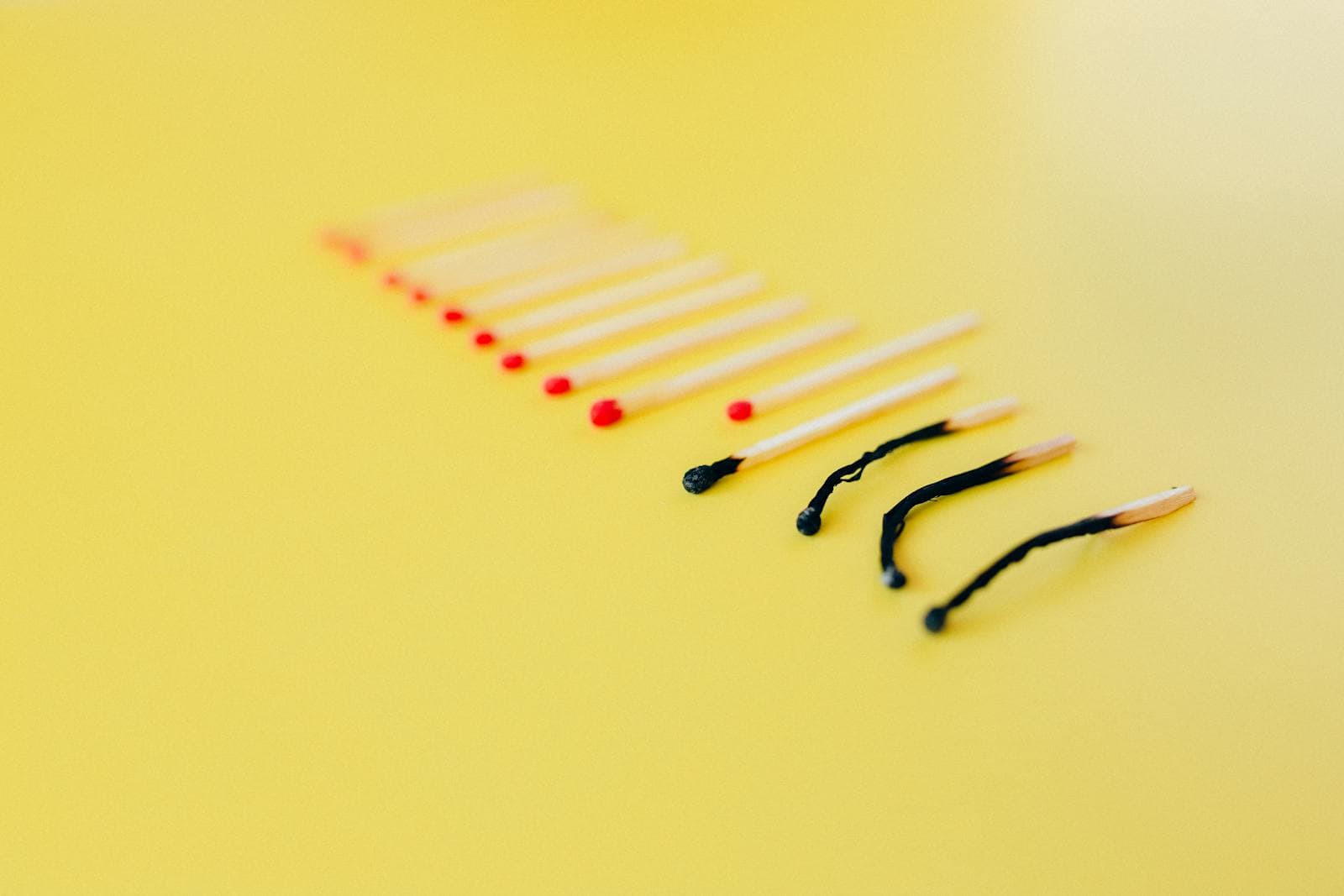
Thats not introversion. Thats performance fatigue. And the distinction matters more than most people realize.
The Misdiagnosis of Introversion
Introversion, as psychologists like Hans Eysenck and later Susan Cain have framed it, is about stimulus sensitivity. Introverts process social input more deeply, which means they reach saturation faster. Its a neurological baseline, not a wound.
But what were seeing in a lot of people who self-identify as introverts — especially high-functioning, socially skilled ones — isnt stimulus overload. Its self-monitoring overload. Theyre not exhausted by people. Theyre exhausted by the version of themselves they become around people.
Psychologist Mark Snyders self-monitoring theory describes this perfectly. High self-monitors are people who constantly adjust their behavior, tone, and emotional expression to match what they think a situation demands. They read the room — then they rebuild themselves to fit it. Every conversation becomes a micro-performance.
This isnt charm. Its survival strategy disguised as charm.
Most people who perform in social spaces didnt learn this skill at a networking event. They learned it at the kitchen table.
In families where emotional safety was conditional — where love was available only when you were agreeable, funny, helpful, or invisible — children learn that authenticity is dangerous. Being yourself doesnt get you connection. Being the right version of yourself does.
Developmental psychologists call this an insecure attachment style, and research published in the Journal of Personality and Social Psychology has shown that adults with anxious attachment styles engage in significantly more self-monitoring and impression management. They dont just want to be liked. They believe — on a body-level, pre-verbal level — that if they stop managing how they come across, theyll be abandoned.
So they perform. Everywhere. All the time. And theyve been doing it so long that they confuse the exhaustion of performing with the trait of introversion.
Heres how to spot the difference. An introvert recharges alone and feels restored. They curl up with a book, take a walk, and come back feeling like themselves again.
A social performer recharges alone and often feels worse. Because the moment the audience disappears, theyre left with the dissonance — the gap between who they just pretended to be and who they actually are. Thats not recharging. Thats crashing.
Related Stories from Silicon Canals
- People who grew up translating adult emotions as children now read every room they walk into
- Psychology says people who overthink at night often have a brain that refuses to shut down because it never felt safe enough to rest
- The quiet power of people who stopped explaining themselves
If your introvert time is mostly spent ruminating about whether you said the wrong thing, replaying conversations for evidence that someone is upset with you, or feeling a vague sense of emptiness that you cant quite name — thats not your social battery recharging. Thats your nervous system trying to come down from a performance high.
The Cost of Never Taking Off the Mask
The real damage isnt the tiredness. Its the identity erosion.
People who perform constantly start to lose track of who they are underneath the performance. Ask them what they actually want, what they actually think, what theyd do if no one were watching — and youll often get a pause. A long one. Not because theyre thoughtful. Because they genuinely dont know.
Psychotherapist Donald Winnicott described this as the development of a false self — a socially constructed persona that exists to protect the true self from rejection. The false self is competent, likable, and agreeable. Its also hollow. And maintaining it is a full-time job.
This is why some of the most socially fluent people you know are also the loneliest. They have dozens of relationships — and feel truly known in none of them. Because the person everyone connects with isnt quite real.