For decades, the human brain has been studied as an isolated organ, responsible for thought, memory, and decision-making. But emerging science is rewriting that narrative, revealing that the gut—a complex ecosystem of trillions of bacteria, viruses, and fungi—may play a far more influential role in brain health than previously understood. A landmark review published in *Nutrition Research* has now synthesized 15 human clinical trials, spanning nearly 15 years and involving 4,275 adults over the age of 45 from Europe, Asia, North America, and the Middle East, to explore whether interventions targeting the gut microbiome could slow cognitive decline. The findings, while preliminary, suggest that reshaping gut bacteria through diet, supplements, or even fecal transplants may offer a novel pathway to preserve memory, attention, and executive function—particularly in the early stages of cognitive impairment.
How the Gut-Brain Connection Reshapes Our Understanding of Aging and Memory
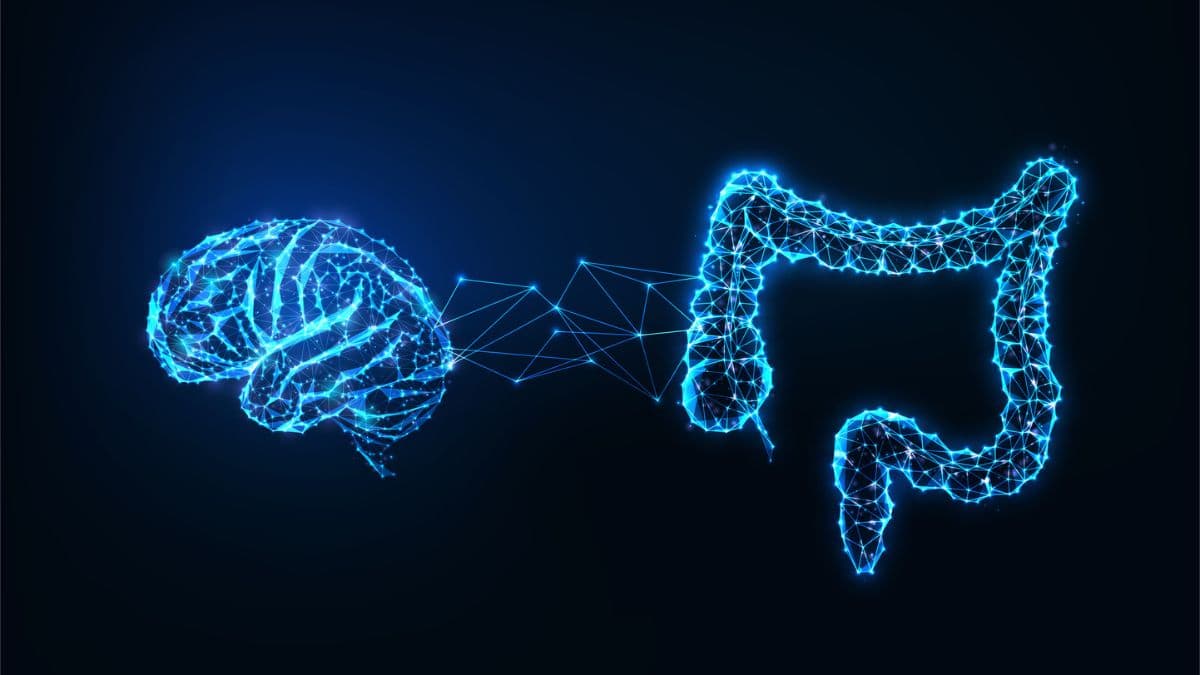
The gut-brain axis is a bidirectional communication network linking the central nervous system and the enteric nervous system—the so-called “second brain” nestled in the gastrointestinal tract. This connection operates through neural pathways, immune responses, and metabolic signaling, with trillions of microbes producing compounds that can cross the blood-brain barrier. Among the most critical are short-chain fatty acids (SCFAs), which are fermentation byproducts of dietary fiber that exhibit anti-inflammatory and neuroprotective properties. When gut bacteria are out of balance—a condition known as dysbiosis—these protective effects may diminish, potentially accelerating cognitive decline. This process has been linked to conditions like Alzheimer’s disease, where inflammation and microbial imbalances are increasingly recognized as contributing factors.
The Science Behind Gut Microbes and Cognitive Health
The review, led by researchers from Italy and Spain, analyzed trials that tested a variety of interventions designed to modulate the gut microbiome. These included dietary approaches (such as the Mediterranean diet, ketogenic diet, or omega-3 supplementation), probiotics (live beneficial bacteria), prebiotics (compounds that feed good bacteria), synbiotics (combinations of probiotics and prebiotics), and even fecal microbiota transplants (FMT), which transfer stool from a healthy donor to the patient’s gut. The comparison groups received placebos, standard care, or alternative nutritional plans. Across these studies, participants who received gut-modulating interventions consistently showed greater diversity in their gut microbiomes. Diversity is a key marker of gut health, associated with lower inflammation and better metabolic function. Perhaps more notably, these individuals also demonstrated measurable improvements in memory, executive function (such as planning and problem-solving), and global cognition scores.
What the Data Reveals About Interventions That Work—and Which Don’t
Not all interventions were equally effective. The strongest cognitive benefits were observed in individuals with early or mild cognitive impairment, such as those showing signs of subjective cognitive decline or early-stage Alzheimer’s disease. In one notable study, five patients with Alzheimer’s who received a single fecal microbiota transplant experienced a significant increase in gut microbial richness in stool samples. These participants also showed improvements on two standardized cognitive tests: the Mini-Mental State Examination (MMSE), which assesses orientation, memory, and language, and the Alzheimer’s Disease Assessment Scale-Cognitive Subscale (ADAS-Cog), which evaluates memory, attention, and praxis. The authors noted that FMT appeared to induce more rapid and pronounced shifts in gut bacteria compared to dietary changes, though the long-term stability and safety of such transplants remain uncertain.
Diet and Supplements: Lower Risk, Slower Results
Dietary interventions, while less dramatic in their immediate effects, offer a safer and more accessible route to gut-brain health. The Mediterranean diet, rich in olive oil, nuts, fish, and plant-based foods, has been repeatedly linked to better cognitive outcomes in older adults. In one trial included in the review, older adults following a Mediterranean diet incorporating extra virgin olive oil or mixed nuts scored significantly higher on cognitive tests than those on a low-fat diet. Similarly, twin studies have found that certain plant-fiber prebiotics—such as inulin and oligofructose—can enhance brain function by promoting the growth of beneficial bacteria like *Bifidobacterium* and *Lactobacillus*. These bacteria produce SCFAs that may reduce neuroinflammation, a hallmark of Alzheimer’s pathology.
Probiotics and Synbiotics: A Balanced Approach with Growing Promise
Probiotics, which directly introduce beneficial bacteria into the gut, have shown promise in improving mood and stress resilience, though rigorous clinical evidence remains limited. The review highlighted several small randomized trials where probiotics and synbiotics (combinations of probiotics and prebiotics) improved executive function, memory, and verbal fluency in older adults. These benefits were accompanied by increases in gut microbial diversity and alterations in neurotransmitter pathways, including changes in serotonin and gamma-aminobutyric acid (GABA) production. While the mechanisms are not fully understood, researchers hypothesize that probiotics may help restore the integrity of the intestinal barrier, often described as "leaky gut," which can otherwise allow harmful microbial byproducts to trigger systemic inflammation.
Why Fecal Transplants Are Cutting-Edge—But Controversial
Fecal microbiota transplants represent the most radical intervention studied in the review. Originally developed to treat recurrent *Clostridioides difficile* infections, FMT involves transferring stool from a healthy donor to the patient’s colon via colonoscopy or capsule. The procedure has shown remarkable efficacy in restoring gut microbial balance, but its application for cognitive decline is still in its infancy. In addition to the Alzheimer’s study mentioned earlier, FMT has been explored for Parkinson’s disease, autism, and depression, with mixed but intriguing results. The review authors caution that while FMT can induce rapid microbial shifts, the long-term effects on brain health—and potential risks such as infection or immune overreaction—remain poorly understood. Unlike dietary changes, which can be sustained over years, the durability of FMT’s cognitive benefits is still an open question.
The Broader Implications: A Sixth Sense of the Human Body?
The gut-brain connection is so profound that some researchers now argue it should be considered a distinct sensory system—akin to sight, hearing, or touch. This "sixth sense" may help explain why stress can trigger gut symptoms (like irritable bowel syndrome), why certain foods affect mood, and why infection or dysbiosis can lead to brain fog. Beyond cognitive decline, the gut-brain axis is being investigated as a potential therapeutic target for a range of conditions, including depression, anxiety, multiple sclerosis, and even autism spectrum disorders. Understanding this hidden communication network could revolutionize how we approach chronic disease, shifting the focus from symptom management to root-cause interventions.
Key Takeaways: What Older Adults Should Know
- Rebalancing gut bacteria through diet, probiotics, or prebiotics may help preserve cognitive function in older adults, particularly those with early-stage cognitive impairment.
- The Mediterranean diet—rich in olive oil, nuts, and fiber—has been linked to measurable improvements in memory and executive function.
- Fecal microbiota transplants show the most dramatic short-term effects on gut microbes and cognition but come with significant safety and long-term efficacy concerns.
- Short-chain fatty acids produced by gut bacteria may act as natural neuroprotectants, reducing inflammation linked to Alzheimer’s disease.
- More large-scale, long-term clinical trials are needed to confirm these findings and determine the optimal interventions for different stages of cognitive decline.
The Road Ahead: What’s Next for Gut-Brain Research?
The review’s authors emphasize that while the current evidence is promising, it remains preliminary. Most of the studies included were small, short-term, or lacked diversity in participant demographics. To move the field forward, larger randomized controlled trials with longer follow-up periods are urgently needed. These trials should compare specific interventions (e.g., Mediterranean diet vs. probiotics vs. FMT) and stratify results by age, gender, and stage of cognitive decline. Additionally, researchers are exploring personalized approaches, such as using microbiome testing to tailor probiotic strains or dietary plans to an individual’s unique microbial profile. The goal is not just to slow cognitive decline but to potentially reverse it, offering a future where gut health and brain health are managed as a unified system.
FAQ: Understanding the Gut-Brain Connection and Cognitive Health
Frequently Asked Questions
- Can changing my diet really improve my memory as I age?
- Emerging research suggests that diets rich in fiber, healthy fats, and antioxidants—such as the Mediterranean diet—can support gut health and may slow cognitive decline. Studies have shown that older adults following these dietary patterns perform better on memory and thinking tests compared to those on low-fat or standard diets.
- What are probiotics and prebiotics, and how do they differ?
- Probiotics are live beneficial bacteria, often found in fermented foods like yogurt or taken as supplements, that directly add to the gut’s microbial community. Prebiotics are compounds in foods like bananas, onions, and asparagus that feed the good bacteria already present in your gut, helping them thrive.
- Is fecal microbiota transplant safe for cognitive decline?
- FMT is still an experimental treatment for cognitive impairment, with limited long-term safety data. While early studies show rapid improvements in gut bacteria and some cognitive measures, the procedure carries risks such as infection and is not yet recommended outside of clinical trials.