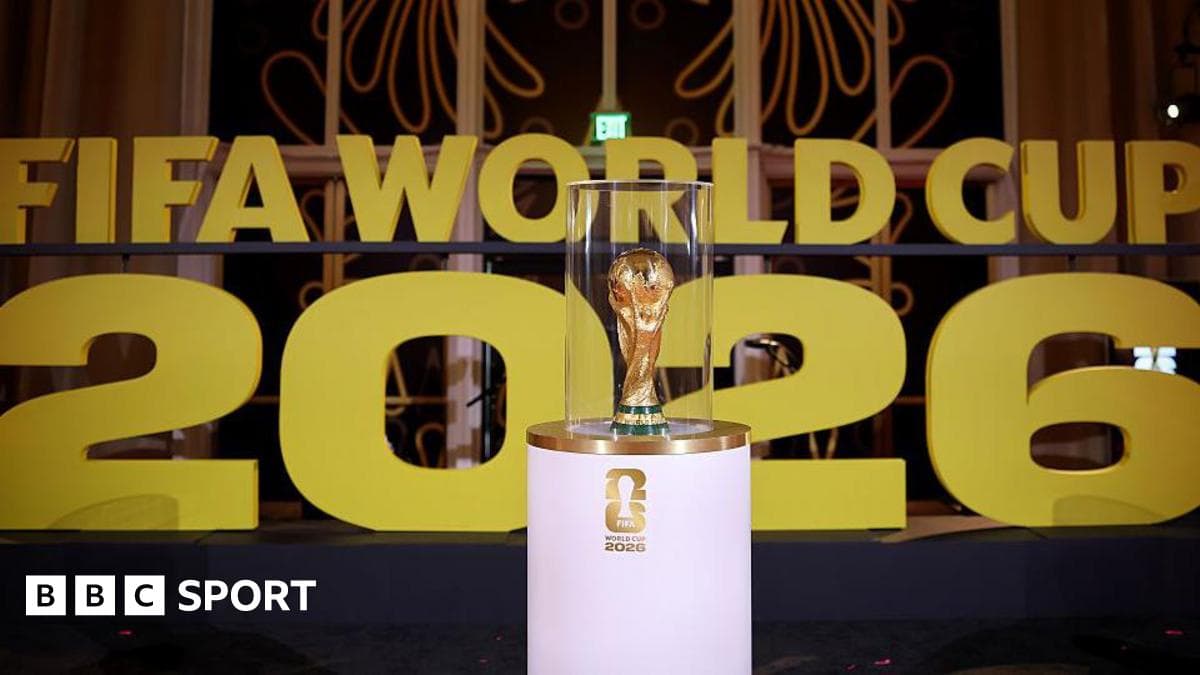
When the first open sale of tickets for the 2026 FIFA World Cup launched on Wednesday, fans faced not only eye-watering prices—reaching $10,990 for the final—but also a litany of technical failures, chaotic virtual queues, and a pricing structure that has sparked widespread criticism. The top-tier ticket for the championship match in New York, Dallas, or Los Angeles now costs nearly seven times what FIFA initially promised in its 2021 bid book and 6.8 times the $1,604 equivalent for the 2022 Qatar final. For many supporters, the sale was a masterclass in frustration, with hours-long waits, glitches locking them out of matches, and limited availability for even the most coveted fixtures. Behind the scenes, FIFA’s use of dynamic pricing—adjusting costs based on demand—has turned the ticketing process into a high-stakes gamble for millions of football fans worldwide.
The Skyrocketing Price of 2026 World Cup Tickets: Breaking Down FIFA’s Pricing Strategy
FIFA’s pricing for the 2026 World Cup has already shattered expectations. The governing body initially pledged in its bid book that final tickets would cap at $1,550 (£1,174), a figure that drew little controversy. But as the tournament approaches, reality has diverged sharply from those promises. In December, during a presale to members of official supporters’ clubs in the U.S., Canada, and Mexico, the highest price for a final ticket was $8,680 (£6,581). By the time the first open sale launched on May 15, 2024, the top price had ballooned to $10,990 (£8,333)—a 38% increase from December and more than six times the bid-book estimate.
For context, the most expensive general-admission ticket for the 2022 Qatar World Cup final was $1,604 (£1,214), according to FIFA’s published prices at the time. That means the 2026 final could cost nearly seven times as much, not adjusted for inflation. The surge reflects FIFA’s adoption of dynamic pricing, a system where ticket costs fluctuate based on real-time demand, opponent strength, and historical sales patterns. While dynamic pricing is common in sports like the NFL or Premier League, its application to a World Cup—an event marketed as the world’s most inclusive football tournament—has drawn sharp criticism from fans and advocacy groups.
How Dynamic Pricing Is Reshaping World Cup Economics
Dynamic pricing allows FIFA to maximize revenue by adjusting ticket prices in real time, often within minutes. For example, a match featuring a top seed like Brazil or France could see prices climb rapidly if demand spikes, while less popular fixtures remain cheaper. This system was hinted at in FIFA’s bid documents but not fully disclosed to the public until sales began. Fans attempting to purchase tickets have reported prices changing mid-session, with some group-stage matches jumping from $140 to over $3,000 in a matter of hours. The lack of transparency has made it nearly impossible for supporters to budget effectively.
Critics argue that dynamic pricing undermines FIFA’s stated commitment to accessibility. In December, FIFA touted a small number of $60 (£45) tickets for the 2026 tournament—a figure celebrated as a nod to affordability. However, these low-cost options appear to be rare and are not available for marquee matches. The $60 tickets were part of a limited allocation reserved for specific supporter groups, and their availability during the open sale remains unclear. As of May 16, 2024, no group-stage matches involving England or Scotland were listed with tickets at that price point.
Chaos and Technical Failures: Fans Struggle Through a Broken Ticketing System
The technical breakdowns during the open sale were as notorious as the prices. Fans attempting to access FIFA’s ticketing website on Wednesday encountered a series of failures that delayed purchases by hours. BBC Sport reporters, joining the queue at 3:20 p.m. BST, initially saw a holding screen before being redirected to a red circle with the message: *'Almost there…'* By 5:00 p.m., a countdown clock appeared, showing just two minutes to the front of the line. Then, without warning, the timer jumped back to 15 minutes—reportedly due to a glitch affecting thousands of users.
Once users finally gained access, many were wrongly funneled into a queue labeled 'PMA tickets,' which is reserved for fans of the week’s CONCACAF playoff winners. This error forced supporters to restart the process from the back of the virtual line. For those who persevered, the average wait time to reach the ticket page was six hours and 14 minutes. Even then, availability was shockingly limited. Of the 72 group-stage matches, only 35 had tickets listed for sale, and none were available for England or Scotland games. Among the top 10 seeded nations, only the Netherlands match against the U.S. had tickets available at the time of the BBC’s report.
Limited Supply and Hidden Costs: What Fans Actually Saw
The prices that did appear were eye-catching. Group-stage tickets ranged from $140 (£106) to $2,985 (£2,261), with the latter being the most expensive seen during the sale. That price was for the opening match between Mexico and South Africa, though only a tiny fraction of the 87,000-capacity stadium was available. Average prices for the limited group-stage games hovered around $358 (£271), but the median was skewed upward by the handful of premium fixtures. Corporate hospitality packages added another layer of expense: a luxury suite for England vs. Panama was priced at $124,800 (£94,444), or roughly $5,200 per person, including food, drinks, and premium seating.
Wheelchair-accessible tickets presented another controversy. FIFA’s policy does not provide free companion tickets for wheelchair users, nor does it guarantee adjacent seating. While some matches showed wheelchair companion tickets for sale, FIFA has not clarified whether these are intended for public purchase or are administrative placeholders. This policy has drawn condemnation from disability rights advocates, who argue that the World Cup’s accessibility commitments are being undermined by ticketing practices.
Resale Market: Where Prices Go Exponential
Even as FIFA’s official sale site struggled with demand, the resale platform—reopened on Thursday, May 16, 2024—became a free-for-all for profiteers. Scalpers listed tickets at astronomical prices: one seller sought $82,780 (£62,646) for a single ticket, while others asked between $10,000 and $20,000 for high-demand matches. In Mexico, where resale above face value is illegal, scalpers circumvented the law by using loopholes or selling 'services' alongside tickets. U.S. and Canadian laws are more lenient, allowing resale at any price, which has created a secondary market that FIFA has not effectively regulated.
FIFA’s Justifications and the Broader Implications for Football Governance
FIFA defends its pricing and sales strategy, arguing that dynamic pricing ensures fair distribution and maximizes revenue to fund global football development. In a statement, FIFA noted that ticket allocation is complex and that prices reflect 'market realities.' The organization also highlighted that prices are adjusted based on demand, opponent quality, and venue capacity. However, critics counter that FIFA’s approach prioritizes profitability over inclusivity, particularly for working-class fans in host nations. With the 2026 World Cup co-hosted by the U.S., Canada, and Mexico—three countries with significant income disparities—the ticketing disparities have raised questions about FIFA’s social responsibility.
The Bidding Promise vs. Reality: A Pattern of Overpromising
The discrepancy between FIFA’s bid-book promises and the reality of ticket prices is not new. In 2017, the U.S. Soccer Federation pledged in its official bid that 'affordable ticket options will be made available to all fans,' including prices as low as $15 for group-stage matches. Those promises have not materialized in the public sales. Similarly, FIFA’s 2022 World Cup in Qatar was criticized for high prices and limited availability, despite initial assurances of accessibility. The 2026 tournament, billed as the 'most inclusive World Cup ever,' now faces similar scrutiny as early sales expose a widening gap between rhetoric and reality.
Key Takeaways: What Fans Need to Know About 2026 World Cup Tickets
- FIFA’s 2026 World Cup final tickets now cost up to $10,990, a 38% increase from December’s presale and nearly seven times the bid-book estimate.
- Dynamic pricing means costs can change rapidly, with group-stage matches jumping from $140 to over $3,000 in hours.
- Fans faced six-hour queues and technical glitches during the open sale, with limited availability for marquee matches.
- Wheelchair users receive no free companion tickets and may not sit next to their assistants, drawing criticism.
- Resale prices have skyrocketed to $82,780 for a single ticket, far exceeding official prices.
What’s Next for World Cup Ticketing?
As the 2026 World Cup approaches, FIFA has indicated that new ticket releases could occur up until kickoff, potentially introducing more affordable options or last-minute price adjustments. However, the organization has not provided a clear timeline or allocation breakdown. Fans who missed the open sale may still have opportunities to purchase tickets through official lotteries, supporters’ clubs, or corporate packages—but the window is closing. With the tournament just over two years away, FIFA faces mounting pressure to address accessibility concerns and restore trust in its ticketing process.
Frequently Asked Questions About 2026 World Cup Tickets
Frequently Asked Questions
- Why are 2026 World Cup tickets so expensive?
- FIFA is using dynamic pricing, which increases costs based on demand and opponent strength. The final ticket price has surged to $10,990, up from an initial bid-book cap of $1,550. Scalpers on the resale market are asking even higher prices, like $82,780.
- Will FIFA release more affordable tickets later?
- FIFA has hinted that additional tickets may be released up to kickoff, including through lotteries, supporters’ clubs, or corporate channels. However, no specific dates or guarantees have been provided.
- Are there any cheap World Cup tickets left?
- A small number of $60 tickets were offered in December, but their availability during the open sale is unclear. Most listed group-stage tickets start at $140, with average prices around $358. Marquee matches have far higher price floors.