FC Bayern Munich arrived at the Santiago Bernabéu on Tuesday night with one mission: to end a 12-year winless streak against Real Madrid in the UEFA Champions League. What unfolded was a match that defied expectations—not because of Madrid’s brilliance, but because of Bayern’s own contradictions. A 2-1 victory, secured by goals from Luis Díaz and Michael Olise, masked a performance riddled with fatigue, tactical missteps, and a troubling lack of killer instinct. For a team that has dominated German football for over a decade, the cracks in their armor were impossible to ignore.
Key Takeaways from Bayern’s Narrow Champions League Win Over Real Madrid
- Bayern’s 2-1 win at the Bernabéu ended a 12-year Champions League hoodoo but exposed critical issues: fatigue from a grueling schedule and a mental block preventing them from closing out games.
- Manuel Neuer delivered a vintage performance, earning UEFA’s Man of the Match, but Bayern’s defensive frailties—particularly Dayot Upamecano’s error leading to Mbappé’s goal—remained glaring.
- Michael Olise and Luis Díaz were Bayern’s standout performers, with Olise dominating his duels and Díaz delivering on the biggest stage, silencing critics about his big-game reputation.
- Real Madrid’s aura showed a rare fracture, as Kylian Mbappé missed multiple clear chances and defensive errors went unpunished, hinting at vulnerabilities Bayern may exploit in the second leg.
A Night of Contradictions: How Bayern’s Victory Obscured Deeper Problems
On paper, Bayern’s 2-1 triumph over Real Madrid should have been celebrated as a statement win. After all, no team had beaten Los Blancos at the Bernabéu in the Champions League since Bayern’s 4-1 demolition in 2012. Yet, the manner of the victory—a second-half collapse where Madrid dominated possession and created far more clear chances than Bayern—painted a far less flattering picture. The Bavarians entered the match nursing wounds: a dramatic 100th-minute comeback against SC Freiburg just days prior, a grueling international break, and the physical toll of a congested schedule. By the 46th minute, Bayern were 2-0 up, seemingly in complete control. By the 90th, they were clinging to victory, saved only by the heroics of captain Manuel Neuer.
The Fatigue Factor: A Squad Stretched to Its Limits
Bayern Munich’s midweek schedule is the stuff of nightmares. Between their 3-1 Champions League win over Copenhagen in midweek, a dramatic stoppage-time comeback against Freiburg in the Bundesliga, and international duty for several key players, the squad was operating on fumes. Serge Gnabry and Luis Díaz, both instrumental in Bayern’s first goal, visibly faded as the match progressed, their legs betraying them in the second half. Vincent Kompany’s side, known for their high-pressing gegenpressing system, reverted to a low block in the second half, ceding possession and allowing Madrid to dictate the tempo. The loss of momentum was stark: Bayern held 59% possession in the first half but were out-possessed 57% in the second. The last time Bayern experienced such a dramatic shift in fortunes, it was against PSG in the 2020-21 Champions League, where they were reduced to 10 men.
The Mentality Question: Why Bayern Couldn’t Close Out the Game
If fatigue was Bayern’s physical albatross, mentality was their psychological one. Leading 2-0 with 45 minutes remaining should have been a formality—especially against a Madrid side lacking cohesion and firepower. Yet Bayern failed to capitalize on a series of gilt-edged chances, including 11 corners, many of them consecutive. Luis Díaz, often criticized for his profligacy, buried his chance with clinical precision, but the missed opportunities piled up. Michael Olise, Bayern’s creative spark, was denied by a string of poor final balls. Meanwhile, Vinícius Júnior—Madrid’s most dangerous attacker—ran rampant down Bayern’s right flank, tormenting Dayot Upamecano, who committed a calamitous error to gift Mbappé his goal. "You just cannot do that in the UEFA Champions League," the article notes, and it’s a sentiment echoed by fans and pundits alike. The inability to kill off games against elite opposition is a recurring theme for Bayern, one that could prove costly in high-stakes ties.
Manuel Neuer’s Vintage Display: The Captain Steals the Show
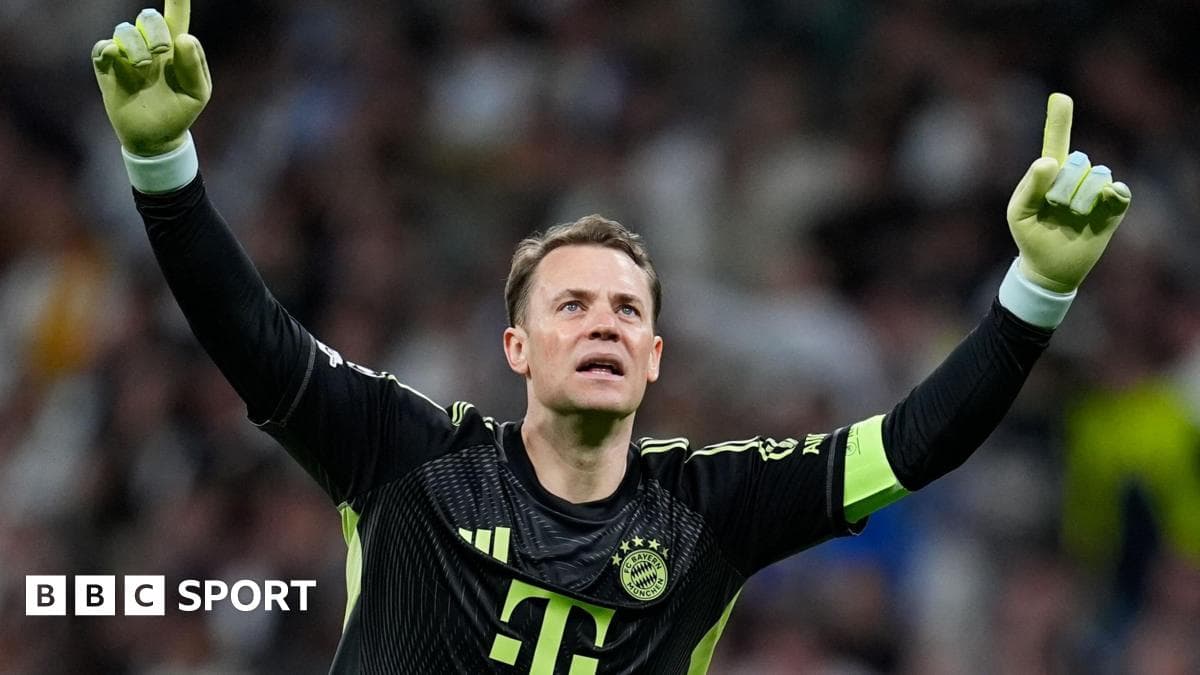
Amidst the chaos, one man stood tall. Manuel Neuer, Bayern’s 38-year-old goalkeeper, turned back the clock with a performance that earned him UEFA’s Man of the Match award. Facing a barrage of second-half chances, Neuer made save after save, his reflexes and positioning a stark contrast to his teammates’ lethargy. His command of the box, distribution, and sheer presence were reminiscent of his prime years. "He turned back the clock," the original article noted, and it’s an assessment few would dispute. Neuer’s heroics prevented Madrid from piling on the goals, but his clean sheet was denied by Upamecano’s error—a reminder that even legends need help from their defenders.
Individual Performances: Olise and Díaz Shine, Upamecano Falters
While Neuer was the unsung hero, Michael Olise and Luis Díaz were Bayern’s most dangerous players. Olise, the French winger, dominated his opposite number, Dani Carvajal, winning duels with alarming regularity. His assist for Harry Kane’s goal was merely his least impressive contribution; his dribbling, creativity, and work rate were the standout features of Bayern’s attack. Díaz, meanwhile, delivered on the biggest stage. After years of criticism for his wastefulness, the Colombian forward buried his chance against his former club, Liverpool, proving himself a "big game player." His goal was a statement: Díaz belongs among Europe’s elite forwards.
Upamecano’s Costly Mistake and the Search for Defensive Stability
If Díaz and Olise were Bayern’s saviors, Dayot Upamecano was their Achilles’ heel. The French defender, who has made a habit of costly errors in big games, gifted Kylian Mbappé the simplest of chances to pull Madrid back into the tie. His positioning was erratic, his composure shaky, and his reaction time glacial. For a team that prides itself on defensive solidity, Upamecano’s lapse was inexcusable. Fans have grown accustomed to his blunders, but in the Champions League, such mistakes are unforgivable. The question now is whether Kompany will gamble on rotation or address the defensive frailties before the second leg.
Real Madrid’s Rare Flaws: Mbappé’s Missed Chances and Madrid’s Defensive Lapses
For all their reputation as Europe’s most ruthless team, Real Madrid’s performance against Bayern suggested a chink in their armor. Kylian Mbappé, who has banged in goals for fun this season, missed multiple clear chances, including one in the 60th minute where he scuffed a shot wide from six yards out. His wastefulness was symptomatic of Madrid’s struggles: a lack of cohesion, poor decision-making, and defensive errors that went unpunished. Federico Valverde and Trent Alexander-Arnold stepped up in midfield, but the team as a whole lacked their usual ruthlessness. The fact that Madrid’s "aura" showed a rare fracture could prove crucial if Bayern can exploit it in the second leg.
Tactical Missteps: Why Bayern’s Game Plan Collapsed After Halftime
Vincent Kompany entered the match with a clear plan: press high, win the ball back quickly, and exploit Madrid’s defensive frailties. It worked—briefly. In the first half, Bayern’s gegenpressing stifled Madrid, and Díaz’s opener was the result of relentless pressure. But as fatigue set in, Bayern’s intensity waned. By the second half, they had retreated into a low block, allowing Madrid to dominate possession and create chances. The tactical shift was understandable given the squad’s physical condition, but it exposed Bayern’s over-reliance on their full-backs and wingers to create chances. With Olise and Davies often isolated, Bayern’s attack lacked the dynamism Kompany craves. "Between this and the PSG game, he’s proving himself a big game player," the article notes of Díaz, but the same cannot be said for Bayern’s collective mentality.
The Road Ahead: Rotation, Reinforcements, and the Second Leg
Bayern’s victory at the Bernabéu was a step forward, but the path to the Champions League quarter-finals is fraught with peril. Kompany will need to rotate aggressively before the Bundesliga clash with St. Pauli to address the fatigue issue. The mentality problem, however, runs deeper. Bayern cannot afford to gift Madrid chances in the second leg, nor can they afford another collapse in defensive concentration. Alphonso Davies may need to start at left-back to shore up Bayern’s right flank, while Aleksandar Pavlović’s impressive performance against Madrid’s midfield suggests he could be a key figure in the tie’s conclusion. For Madrid, the cracks in their armor are visible—but Bayern must capitalize if they are to progress.
Refereeing Review: A Rare Fair Match in the Champions League
One factor that worked in Bayern’s favor was the officiating. Despite years of frustration with refereeing decisions going against them, Bayern were spared such indignities on Tuesday. English referee Michael Oliver was firm but fair, carding Aurélien Tchouaméni for a second yellow (which will see him miss the second leg) and ignoring Vinícius Júnior’s theatrics. His refusal to award a penalty to Olise late in the game was the only blemish on an otherwise clean performance. "After so many games where Bayern Munich have been robbed by the match officials, getting a relatively fair referee seems like a blessing," the article notes. It’s a small mercy, but one that Bayern will take.
Frequently Asked Questions About Bayern’s Champions League Win Over Real Madrid
Frequently Asked Questions
- How long has it been since Bayern Munich last beat Real Madrid in the Champions League at the Bernabéu?
- Bayern’s 2-1 victory on Tuesday was their first Champions League win at the Santiago Bernabéu since 2012, when they defeated Madrid 4-1.
- What were the main issues exposed by Bayern’s performance against Real Madrid?
- Bayern’s narrow win masked deeper problems: severe fatigue from a congested schedule, a tactical collapse in the second half, and a troubling lack of killer instinct that prevented them from closing out the game.
- How did Manuel Neuer perform in the match against Real Madrid?
- Neuer delivered a vintage performance, earning UEFA’s Man of the Match award for his heroics in goal. He made several crucial saves to keep Bayern in the tie, turning back the clock with his reflexes and presence.