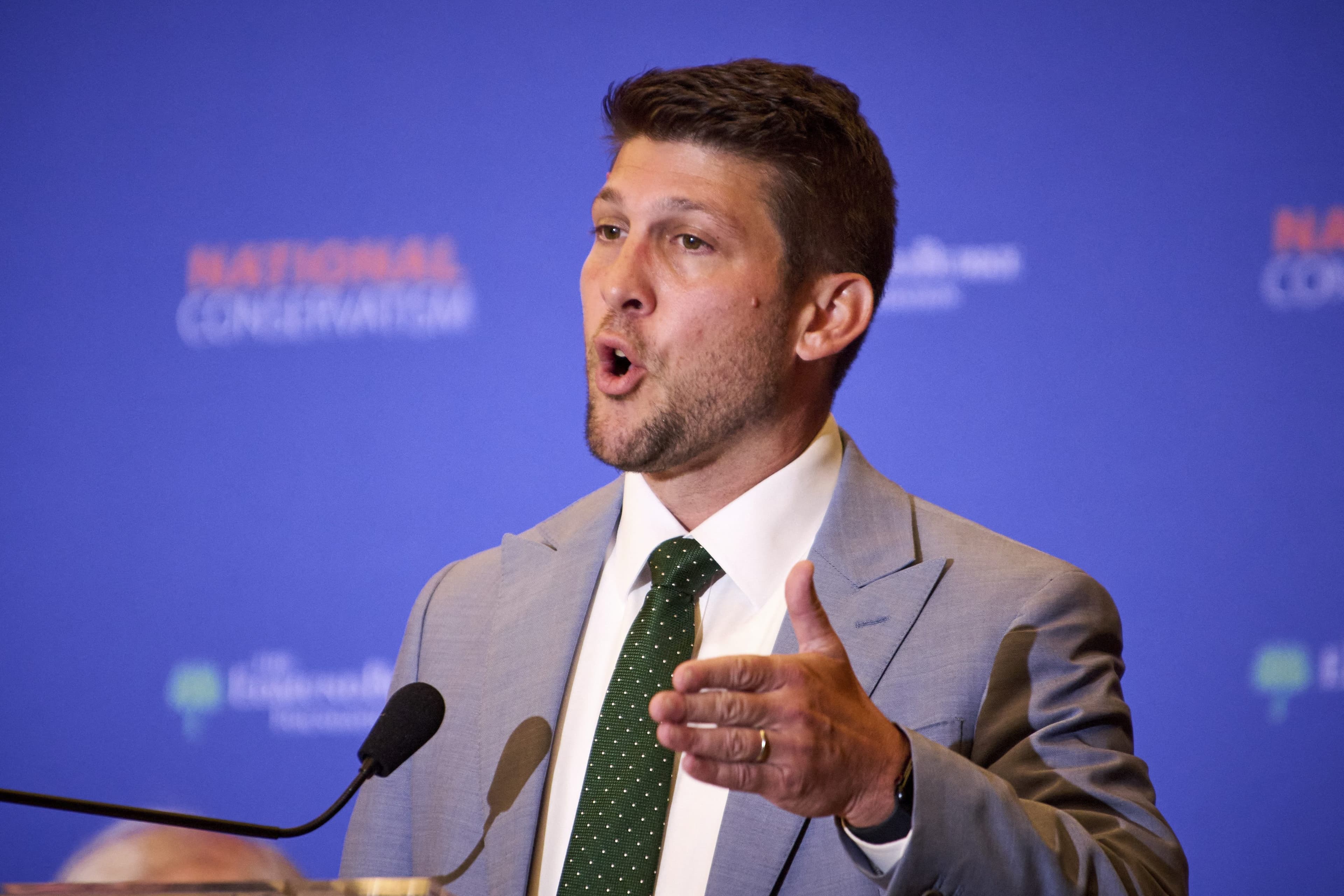
Florida Attorney General James Uthmeier escalated his state’s campaign against corporate diversity initiatives on March 25, 2025, by demanding the National Football League abandon its Rooney Rule—a policy requiring teams to interview minority candidates for head coaching and senior front-office positions. In a video statement and accompanying letter to NFL Commissioner Roger Goodell, Uthmeier argued the rule violates Florida law by mandating race-based considerations in hiring. The move comes amid a broader push by Uthmeier and Governor Ron DeSantis to dismantle diversity, equity, and inclusion (DEI) programs across industries, targeting major corporations with legal action and public condemnation. Critics of the Florida AG’s stance, however, contend that the Rooney Rule is already a weak, performative measure that fails to address systemic inequities in the NFL’s predominantly white ownership structure—and that Uthmeier’s objections are rooted more in political posturing than legal principle.
What Is the Rooney Rule, and Why Does It Exist?
The Rooney Rule, named after the late Dan Rooney, the longtime owner of the Pittsburgh Steelers and a former chairman of the NFL’s diversity committee, was established in 2003 to combat the league’s long history of excluding minority coaches and executives from top positions. Before the rule’s implementation, the NFL had only seven Black head coaches in its history—none of whom had been hired by teams in major markets. The policy required teams to interview at least one minority candidate for open head coaching and general manager positions, though it did not mandate hiring. Over the years, the rule was expanded to include other senior roles and was later augmented by additional measures, such as the requirement that teams hire a minority offensive assistant coach starting in 2022. Despite these changes, the NFL’s hiring practices remain dominated by white men. As of the 2025 offseason, the league has just three Black head coaches out of 32 teams, a statistic that has barely budged since the rule’s inception.
The Rule’s Origins: A Response to Lawsuits and Public Pressure
The Rooney Rule emerged from a 2002 report by attorney Cyrus Mehri and former NFL player Johnnie Cochran, which exposed systemic racial discrimination in the league’s hiring practices. The report, titled "Black Coaches in the National Football League: Superior Performance, Inferior Opportunities," documented how Black candidates were routinely passed over for coaching and executive roles despite strong qualifications. Faced with the threat of a class-action lawsuit and public backlash, NFL owners adopted the Rooney Rule as a preemptive measure to avoid litigation. The policy was named after Dan Rooney, who championed diversity efforts within the league. However, critics argue that the rule was never intended to be a transformative policy but rather a symbolic gesture to protect the NFL’s image and ownership class from accountability.
How Effective Is the Rooney Rule in Practice?
Despite its intentions, the Rooney Rule has faced widespread criticism for its lack of enforcement and loopholes. Teams are required to interview minority candidates but are not obligated to hire them, leading to widespread "token interviews" where candidates are brought in solely to meet the rule’s requirements without genuine consideration. A 2023 study by The Institute for Diversity and Ethics in Sport (TIDES) found that 80% of NFL head coaching hires from 2013 to 2022 were white, despite the Rooney Rule’s existence. The policy’s most rigorous component—a 2022 mandate requiring teams to hire a minority offensive assistant coach—has also been criticized for being easily circumvented. For example, teams can comply by hiring a minority coach in a non-playcalling role, such as an offensive quality control position, which does little to address broader systemic issues.
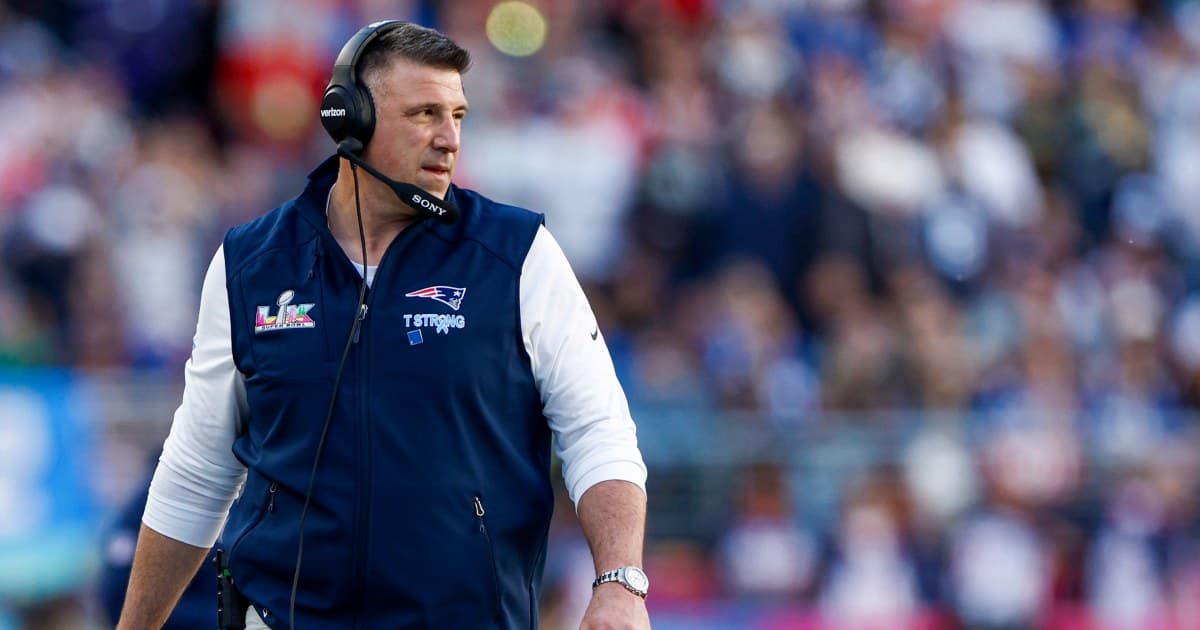
The rule’s ineffectiveness is further highlighted by the NFL’s recent hiring cycle. In 2025, only one of the ten new head coaches hired was a minority—Robert Saleh of the Tennessee Titans. This brought the league’s total to just three Black head coaches, a number that has remained stagnant for years. The lack of progress has led to ongoing legal challenges, including a discrimination lawsuit filed by former Miami Dolphins head coach Brian Flores in 2022, which alleges the league and its owners engaged in racial bias in hiring practices. The case is set to go to trial in April 2025, underscoring the inadequacy of the Rooney Rule as a standalone solution to discrimination in the NFL.
Florida’s Legal Assault on Diversity Policies
James Uthmeier’s attack on the Rooney Rule is part of a broader campaign by Florida’s Republican leadership to dismantle DEI initiatives across public and private sectors. Since taking office in 2025—appointed by Governor Ron DeSantis, who has made opposition to "woke" policies a cornerstone of his administration—Uthmeier has filed lawsuits against major corporations, including Starbucks and Target, over their diversity programs. In the case of Target, Uthmeier alleged that the company’s 2023 Pride marketing campaign defrauded investors by prioritizing social causes over financial performance, a claim that legal experts have widely dismissed as frivolous. Uthmeier’s legal crusade has drawn scrutiny for its political motivations, particularly given his personal entanglement in the "Hope Florida" scandal. In 2024, it was revealed that $10 million from a state Medicaid settlement was allegedly funneled into a political committee that Uthmeier oversaw before the 2024 election, raising questions about the objectivity of his attacks on corporate DEI policies.
The Broader Context: DEI Bans and Corporate Backlash
Florida is one of several states—including Texas, Tennessee, and Idaho—that have passed laws restricting or banning DEI programs in public universities and state agencies. These bans have extended to private companies operating in those states, with some corporations facing pressure to dismantle diversity initiatives to avoid legal repercussions. The NFL, which is headquartered in New York but has a significant presence in Florida (home to the Miami Dolphins, Tampa Bay Buccaneers, and Jacksonville Jaguars), has become a target for conservative lawmakers seeking to score political points by attacking perceived "woke" policies. Uthmeier’s demand that the league abandon the Rooney Rule is the latest example of this trend, which has been amplified by DeSantis’s national political ambitions and his frequent clashes with major corporations over social issues.
NFL Commissioner Roger Goodell Defends the Rooney Rule
In response to Uthmeier’s letter, NFL Commissioner Roger Goodell reiterated the league’s commitment to diversity during a press conference the following week. "One thing that doesn’t change is our values, and we believe that diversity has been a benefit to the National Football League," Goodell said. "We are well aware of the laws and where the laws are changing or evolving. We think the Rooney Rule is consistent with those." Goodell emphasized that the rule has been used across industries globally to identify talent and that diverse hiring practices lead to better organizational outcomes. "It’s intended to try to help, and it’s been used by industries far beyond football and far beyond the United States to help identify candidates, and a diverse set of candidates bring in better talent and give us an opportunity to hire the best talent, ultimately," he added.
Critics Argue the Rooney Rule Is Already Too Weak
Despite the NFL’s defense of the Rooney Rule, many critics argue that the policy is already a hollow gesture designed to placate critics without effecting real change. The rule’s lack of enforcement mechanisms and its reliance on performative interviews have led to widespread skepticism about its impact. "The Rooney Rule is the NFL’s way of saying, ‘We’re doing something’ without actually doing anything," said Harry Edwards, a sociologist and civil rights activist who has long studied racial dynamics in sports. "It’s a fig leaf to cover the naked truth that the league’s ownership and front offices are still overwhelmingly white and male." The rule’s ineffectiveness is further underscored by the league’s persistent underrepresentation of minorities in key decision-making roles. According to a 2024 report by the NFL’s own diversity committee, only 10% of senior-level front-office positions are held by people of color, a figure that has seen little improvement over the past decade.
The Role of Ownership in Perpetuating the Status Quo
The NFL’s ownership structure has long been dominated by white men, many of whom are either former players or business tycoons with deep ties to Republican politics. The league’s 32 owners—who collectively control a $200 billion enterprise—have historically shown little appetite for meaningful reform. The Rooney Rule was never intended to challenge this power structure; instead, it was designed to provide a veneer of progressivism while allowing owners to maintain control over hiring decisions. As Edwards noted, "The owners are fine with the Rooney Rule as long as it doesn’t lead to the hiring of more Black coaches or executives. It’s a way to say they’re committed to diversity without actually having to change anything."
Key Takeaways: What You Need to Know About the Rooney Rule and Florida’s Attack
- The Rooney Rule, established in 2003, requires NFL teams to interview minority candidates for head coaching and senior front-office positions but does not mandate hiring, making it a weak and easily circumvented policy.
- Florida Attorney General James Uthmeier has demanded the NFL abandon the Rooney Rule, arguing it violates state law by mandating race-based hiring considerations—a claim critics say is politically motivated.
- The rule has had minimal impact on increasing diversity in the NFL, with only three Black head coaches out of 32 teams as of 2025, a number that has remained stagnant for years.
- Uthmeier’s attack on the Rooney Rule is part of a broader campaign by Florida’s Republican leadership to dismantle DEI initiatives, including lawsuits against Starbucks and Target.
- NFL Commissioner Roger Goodell has defended the rule, stating it aligns with the league’s values and has been used globally to identify diverse talent, though critics argue it is already too weak to drive real change.
Frequently Asked Questions About the NFL’s Rooney Rule and Florida’s Fight Against It
Frequently Asked Questions
- What is the Rooney Rule, and why was it created?
- The Rooney Rule, named after former Pittsburgh Steelers owner Dan Rooney, was established in 2003 to address the NFL’s long history of excluding minority coaches and executives from top positions. It was created in response to a 2002 report by Cyrus Mehri and Johnnie Cochran that exposed systemic racial discrimination in the league’s hiring practices.
- How effective is the Rooney Rule in increasing diversity in the NFL?
- Critics argue the Rooney Rule has been largely ineffective, as it does not mandate hiring and allows teams to bypass its requirements through token interviews. As of 2025, the NFL has only three Black head coaches out of 32 teams, a number that has seen little improvement since the rule’s inception.
- Why is Florida’s Attorney General targeting the NFL’s Rooney Rule?
- Florida Attorney General James Uthmeier has made dismantling diversity, equity, and inclusion (DEI) programs a key part of his agenda, part of a broader push by Governor Ron DeSantis to restrict DEI initiatives in both public and private sectors. Uthmeier has also filed lawsuits against companies like Starbucks and Target over their diversity policies.