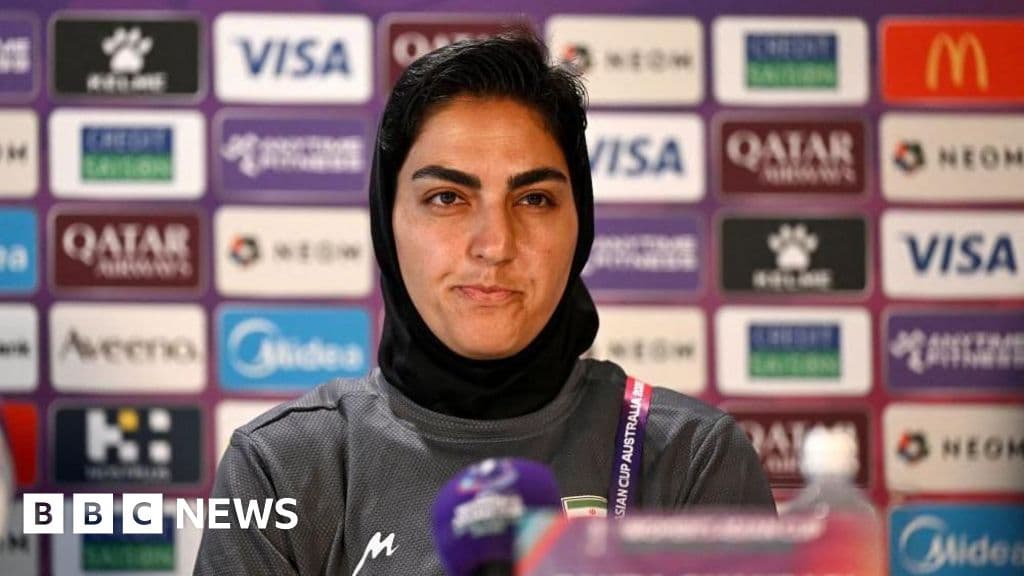
Five members of Iran’s women’s football team have reversed their asylum bids in Australia, including captain Zahra Ghanbari, amid reports of intense pressure from Iranian authorities. The defections leave only two of the original seven players and staff who sought humanitarian visas still in Australia, highlighting the complex geopolitical tensions surrounding the team’s silent protest during the Asian Cup. The decision comes as human rights activists warn of threats against the players’ families back in Iran.
The Asylum Reversals: Who Changed Their Minds and Why
The latest reversal involves Ghanbari, who will return to Iran from Malaysia, according to Iran’s state-run IRNA. Australian officials confirmed another unnamed player also withdrew their asylum claim, following three others—Soltan Meshkehkar, Hamoudi, and Sarbali—who backed out on Saturday. The initial seven members sought asylum after their silent protest during Iran’s anthem at the Asian Cup, which sparked backlash in Iran, where they were labeled "wartime traitors."
Activists Allege Pressure from Iranian Authorities
Shiva Amini, an exiled former Iranian national futsal player, claimed on X that Iran’s Football Federation, in coordination with the Islamic Revolutionary Guard Corps (IRGC), pressured the players’ families. "Several of the players decided to go back because the threats against their families became unbearable," she wrote. The IRGC-affiliated Tasnim news agency hailed the returns as a victory over "psychological warfare" and "seductive offers" from Australia.
Australia’s Response: A Government’s Role in Asylum Decisions
Australian Home Affairs Minister Tony Burke defended the government’s handling of the case, stating that officials provided the players with "genuine choices." "While we can ensure opportunities are provided, we cannot remove the context in which the players are making these incredibly difficult decisions," he said. Deputy Prime Minister Kristy McBain dismissed Iranian claims of propaganda, emphasizing Australia’s transparency.
The Broader Context: Sports, Protest, and Geopolitical Tensions
The team’s silent protest during the Asian Cup came amid widespread anti-government demonstrations in Iran, where women’s rights activists have faced severe crackdowns. The team’s initial defection was seen as a rare public act of defiance, but their subsequent anthem singing in later matches raised suspicions of government coercion. The drama unfolds against a backdrop of escalating Middle East tensions, including US-Israeli strikes on Iran and retaliatory attacks.
Key Takeaways
- Five of seven Iranian women’s football team members have withdrawn asylum claims in Australia, leaving two defectors.
- Activists allege Iran’s government pressured the players through threats against their families.
- Australia’s government insists it provided the players with genuine choices but could not override external pressures.
- The case reflects broader tensions between sports, protest, and geopolitical conflicts in the Middle East.
Frequently Asked Questions
Frequently Asked Questions
- Why did the Iranian footballers initially seek asylum in Australia?
- The players sought asylum after refusing to sing Iran’s anthem during the Asian Cup, a silent protest linked to broader anti-government demonstrations in Iran. They feared repercussions for their defiance.
- What evidence supports claims of pressure from Iran’s government?
- Exiled activist Shiva Amini and other human rights groups reported threats against the players’ families, allegedly orchestrated by Iran’s Football Federation and the IRGC. Iranian state media framed the returns as victories over foreign influence.
- How has Australia responded to the asylum reversals?
- Australian officials, including Home Affairs Minister Tony Burke, stated they provided the players with support and choices but acknowledged they couldn’t override external pressures. The government dismissed Iranian claims of propaganda.