In a dramatic reversal that has sent shockwaves through African football, Morocco was awarded the 2025 Africa Cup of Nations (Afcon) title on Tuesday after the Confederation of African Football (CAF) annulled Senegal’s 1-0 victory in the final, ruling that Senegal had forfeited the match by walking off the pitch in protest over a disputed penalty call. The decision, which applied CAF’s strict Article 82 and Article 84 regulations, marks only the second time in Afcon history that a final result has been overturned, and the first in 40 years, leaving fans, players, and officials divided over the implications for the sport’s governance in Africa.
The Chain of Events: How the Controversial Final Unfolded
The Disputed Penalty and Senegal’s Walk-Off
The match, held on January 18 at the newly inaugurated 100,000-seat Grand Stade Hassan II in Casablanca, Morocco, appeared to be heading for a tense goalless draw when referee Jean Jacques Ndala awarded Morocco a stoppage-time penalty in the 8th minute of added time. The decision followed a VAR review prompted by Morocco’s request to examine El Hadji Malick Diouf’s tackle on Real Madrid forward Brahim Díaz. Senegal’s players, led by head coach Pape Thiaw, immediately stormed off the pitch in protest, arguing the foul was outside the box and the call was unfair. The delay lasted 17 minutes before Senegal’s players reluctantly returned to the field after Caf officials intervened.
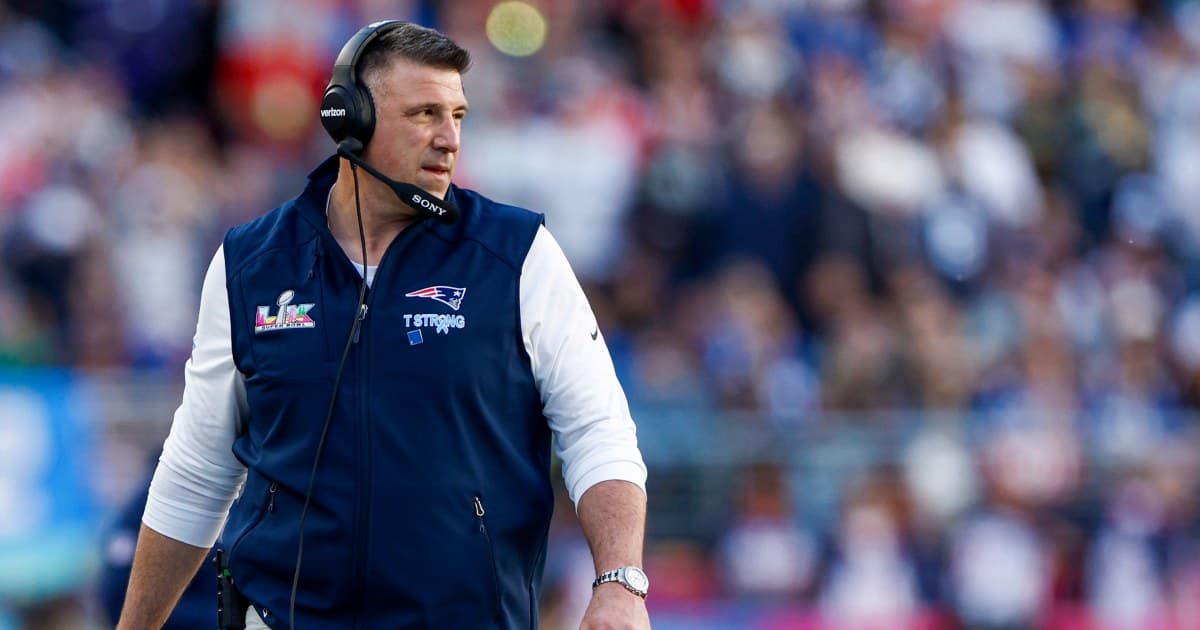
In the aftermath, the emotional fallout was immediate. Coach Thiaw, who had already seen a Senegal goal disallowed moments earlier—ruled offside by VAR despite replays suggesting otherwise—was filmed in a heated exchange with match officials. Former Liverpool star Sadio Mané remained on the pitch, visibly attempting to persuade his teammates to resume play, while Moroccan players and staff celebrated what they believed was a miraculous escape from defeat.
Díaz’s Missed Penalty and Senegal’s Extra-Time Winner
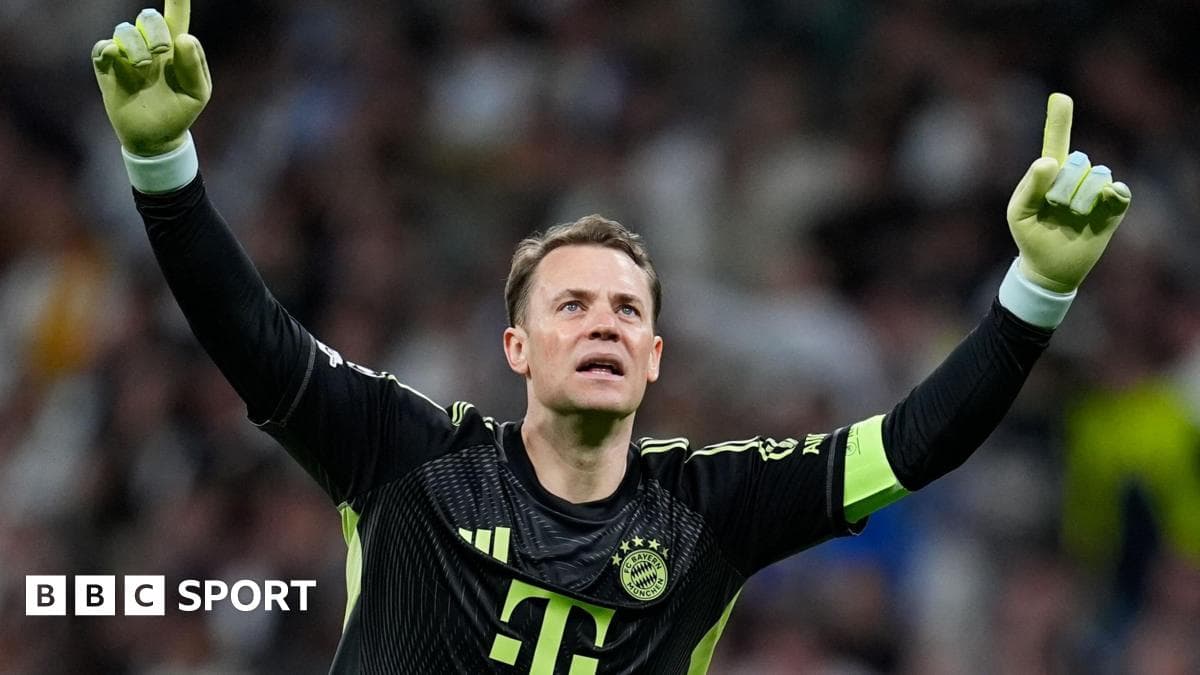
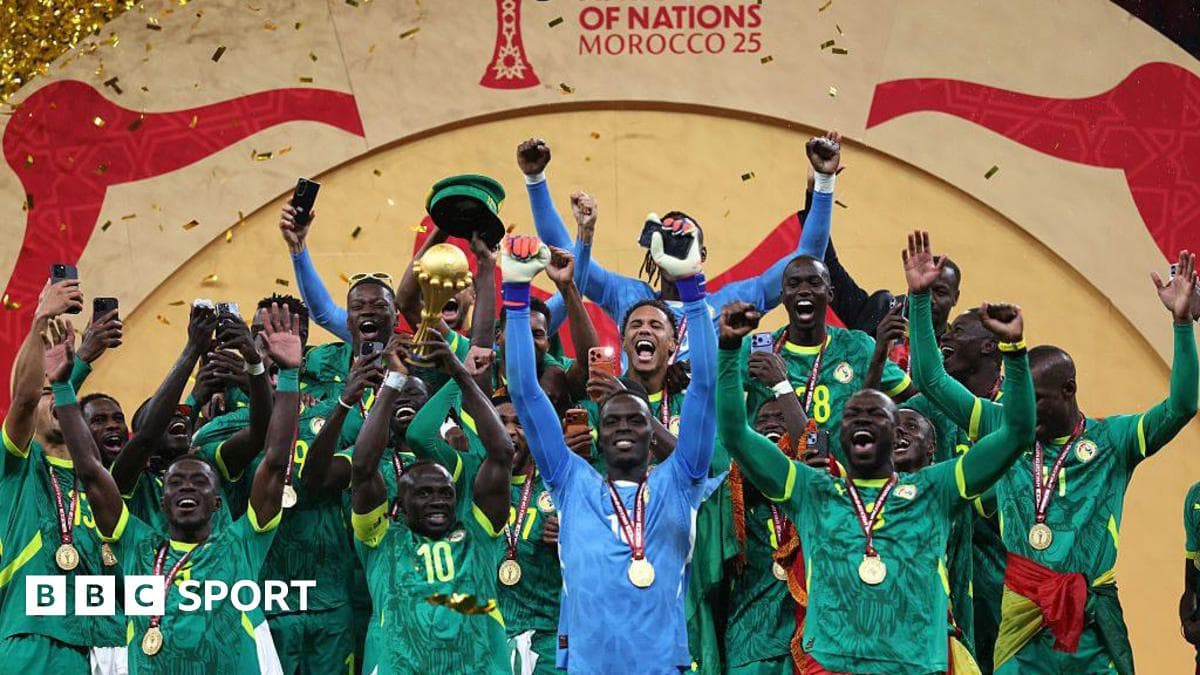
With the stadium in stunned silence, Díaz stepped up to take the penalty. The Real Madrid player attempted a delicate Panenka-style chip, but Senegal goalkeeper Édouard Mendy—barely moving—palmed the ball away with ease. Seconds later, the referee blew the whistle to signal full-time. In extra time, Villarreal midfielder Pape Gueye, playing under the shadow of his nation’s protest, struck a low shot past goalkeeper Yassine Bounou to give Senegal a 1-0 victory. The goal sent Senegalese players and fans into raptures, with celebrations broadcast live on social media, including an infamous X post showing the team’s trophy parade featuring an ‘OK’ hand emoji—a moment that would later haunt the federation in its legal battles.
CAF’s Ruling: Why Senegal Was Disqualified
Within hours of the final whistle, the Moroccan Football Federation (FRMF) filed an appeal to Caf, arguing that Senegal’s refusal to continue play without referee authorization violated Article 82 of the Afcon regulations. According to Caf’s statement issued on Tuesday, the appeal was deemed ‘admissible in form’ and upheld under Article 84, which mandates that any team violating Article 82 shall be declared the loser, permanently eliminated, and the match result recorded as a 3-0 forfeit victory for the opposing team.
Caf’s appeal board concluded that Senegal had acted in clear contravention of tournament rules by leaving the field before the match concluded, despite having been given multiple warnings to return. The governing body emphasized that such conduct undermined the integrity and continuity of the competition. ‘Through the conduct of its team, Senegal infringed on Article 82,’ Caf stated, ‘and as a result, Article 84 became applicable.’ The decision was not unanimous among board members, according to sources close to the process, with some dissenting voices arguing for a lesser penalty such as a replay or point deduction.
‘We cannot erase the final 16 minutes of that match and what we saw. We cannot erase the feelings of seeing Senegal lift the trophy and the players going home with the medal and them having a parade.’ — Maher Mezahi, North African football journalist and BBC Radio 5 Live contributor
Reactions from Across African Football
The Caf ruling has triggered a wave of reactions from players, coaches, federations, and fans, reflecting deep divisions over the fairness and precedent of the decision. Morocco’s coach at the time, Walid Regragui—who was controversially sacked by the FRMF on March 5, four months before the 2024 FIFA World Cup—labeled Senegal’s actions in the final as ‘shameful’ and said they did ‘not honour Africa.’ His post-match comments were widely circulated and amplified by Moroccan media, which framed the walk-off as an act of poor sportsmanship.
FIFA President Gianni Infantino condemned the ‘ugly scenes’ in a rare public statement posted on Instagram the day after the match, calling for unity and respect in African football. ‘Football is about passion, about emotion, but it must also be about respect—respect for the rules, respect for the referee, and respect for your opponents,’ Infantino wrote. His comments were seen as a tacit endorsement of Caf’s decision, though FIFA later declined to comment on the appeal process itself.
Senegal’s Football Federation (FSF) reacted with outrage, calling the Caf decision ‘unfair, unprecedented, and unacceptable.’ In a statement, the federation announced its intention to appeal the ruling to the Court of Arbitration for Sport (CAS), describing it as ‘a decision that brings discredit to African football and sets a dangerous precedent for future tournaments.’ The FSF also disputed Caf’s interpretation of the regulations, arguing that the walk-off was a spontaneous reaction to perceived injustice and not a deliberate forfeit.
Senegal’s head coach Pape Thiaw, who faced immediate backlash from fans and media, later acknowledged in a post-match interview that he should not have ordered the walk-off. ‘I reacted in the heat of the moment,’ he said, though he maintained that the referee’s decisions were incorrect. The cancellation of his planned press conference due to a ruckus in the media room underscored the volatile emotions surrounding the incident.
A Historic Precedent and Broader Implications for African Football
The Caf decision marks only the second time in Afcon history that a final result has been overturned. The last such instance occurred in 1984, when Nigeria was awarded a 2-0 victory over Cameroon after Cameroon walked off in protest over refereeing decisions during the final in Abidjan, Ivory Coast. That match was replayed, but Cameroon refused to participate, leading to Nigeria’s retroactive award. Since then, African football’s governing body has rarely invoked such severe penalties, preferring instead to use fines or point deductions in less severe cases.
Experts and historians of African football point out that the 2025 final exposes deeper structural issues within the continent’s football governance—namely, inconsistent enforcement of rules, delayed technological adoption, and a lack of unified refereeing standards. The reliance on VAR, while intended to improve fairness, has also introduced new layers of controversy, particularly in high-stakes moments where communication breakdowns between officials and players can escalate rapidly.
‘This is not just about one match or one decision,’ said Dr. Adewale Adebajo, a sports governance researcher at the University of Pretoria. ‘It reflects a broader crisis of trust—between federations, between players and referees, and between African football and its global audience. When fans see a trophy change hands not on the pitch but in a boardroom, the credibility of the tournament is eroded.’
What Comes Next: Senegal’s Appeal and the Future of Afcon 2025
Senegal’s Football Federation has confirmed it will take its case to the Court of Arbitration for Sport (CAS), where it will argue that Caf misapplied the regulations and that the walk-off was not a forfeit but a protest against officiating errors. Legal experts suggest that CAS may take several months to issue a ruling, potentially delaying any formal resolution until after Afcon 2025 has concluded its legacy period. In the meantime, Caf has already confirmed Morocco as the official winners, with the title to be formally presented in a ceremony in Rabat.
The outcome of the CAS appeal could have far-reaching consequences for future Afcon editions. If the ruling is upheld, it may embolden other federations to challenge controversial decisions through formal channels rather than walk-offs. Conversely, if Senegal prevails, Caf may face pressure to revise its disciplinary framework to avoid similar situations in the future. Already, calls are growing within African football circles for the introduction of independent refereeing panels and real-time communication systems between referees and VAR teams to prevent breakdowns in decision-making.
Key Takeaways: What This Means for African Football
- Morocco has been awarded the 2025 Afcon title by Caf after Senegal was found to have forfeited the final by walking off the pitch in protest over a disputed penalty.
- The decision was made under Caf’s Articles 82 and 84, which mandate a 3-0 forfeit for teams that refuse to complete a match without referee authorization.
- Senegal plans to appeal the ruling at the Court of Arbitration for Sport (CAS), arguing the walk-off was a spontaneous reaction, not a deliberate forfeit.
- The controversy has exposed deep divisions over refereeing standards, VAR implementation, and the enforcement of disciplinary rules in African football.
- The ruling sets a rare precedent in Afcon history, only the second time a final result has been overturned, and the first in 40 years.
The Human and Emotional Cost of the Controversy
Beyond the legal and regulatory dimensions, the Afcon 2025 final has taken an emotional toll on players, coaches, and fans. For Senegal, the initial euphoria of victory was quickly replaced by shock and indignation. Mané, a global icon and two-time African Player of the Year, found himself at the center of the storm, criticized for his role in the walk-off and praised for his attempt to calm his teammates. For Moroccan supporters, the reversal was a moment of redemption after a grueling tournament that saw their team overcome early group-stage difficulties and hostile crowd conditions in Casablanca.
‘This is not just about a trophy,’ said a fan interviewed outside the Grand Stade Hassan II. ‘It’s about pride, about respect. Senegal played with fire, and now we’re left wondering what’s next for African football.’ Such sentiments reflect a growing sense of disillusionment among African football communities, who increasingly view governance issues as impediments to the sport’s growth on the continent.
What Caf and FIFA Can Do to Restore Trust
To restore confidence in African football’s governing bodies, Caf and FIFA must address several urgent issues. First, they should consider adopting a unified VAR protocol with mandatory real-time audio channels between referees and VAR teams to prevent communication breakdowns. Second, they should establish a transparent appeals process that allows federations to challenge decisions without fear of punitive sanctions. Third, they could explore the creation of an independent refereeing panel for high-stakes matches, composed of officials from outside the host continent to reduce bias concerns.
‘Football in Africa is at a crossroads,’ said Aliou Cissé, former Senegal captain and current technical director of the national team. ‘We have the talent, the passion, and the potential. But without clear rules, consistent enforcement, and mutual respect, we risk losing the very thing that makes our game special.’
Frequently Asked Questions
Frequently Asked Questions
- Why did CAF overturn Senegal’s Afcon 2025 final win?
- CAF ruled that Senegal violated Article 82 of the Afcon regulations by walking off the pitch without referee authorization during stoppage time, triggering Article 84, which mandates a 3-0 forfeit victory for Morocco.
- Will Senegal appeal the CAF decision?
- Yes, Senegal’s Football Federation has announced it will appeal the ruling to the Court of Arbitration for Sport (CAS), arguing the walk-off was a spontaneous reaction to refereeing decisions, not a deliberate forfeit.
- Has a final result ever been overturned in Afcon history before?
- Yes, this is the second time in Afcon history. The only previous instance was in 1984, when Nigeria was retroactively awarded a 2-0 victory over Cameroon after Cameroon refused to participate in a replay.