SEATTLE — The NBA is poised to take a historic step toward expansion, with league owners scheduled to vote March 24-25 on whether to begin formal exploration of adding two new franchises—one in Seattle and another in Las Vegas—targeted for potential debuts in the 2028-29 season. This vote marks the first concrete move in decades to grow the NBA from its current 30-team roster, a process that could reshape the league’s geographic and economic landscape. Industry insiders, citing confidential sources, indicate that stakeholder momentum is building behind the initiative, with financial projections suggesting bids could exceed $7 billion per team—a figure that underscores the league’s growing valuation and the premium placed on relocating to major markets.
Why the NBA is Pushing for Expansion Now: Revenue, Geography, and Fan Demand
The NBA’s expansion ambitions come at a pivotal moment for the league, which has not added a team since the Charlotte Hornets were approved in 2002 and began play in 2004. Over the past two decades, the NBA’s average franchise value has skyrocketed—from $367 million in 2004 to an estimated $3.9 billion in 2024, according to Forbes—driven by surging media rights deals, global viewership, and lucrative sponsorships. Adding two teams could further amplify the league’s $10 billion annual revenue, particularly by tapping into untapped markets. Las Vegas, with its booming entertainment economy and lack of a pro sports team in the NBA, offers a prime opportunity to capture a younger, digitally engaged audience, while Seattle represents a nostalgic yet economically vibrant return to a city with deep basketball roots. Commissioner Adam Silver has long emphasized geographic diversity as key to the league’s growth strategy, telling reporters in 2023 that expansion would help "solidify the NBA’s presence in major metropolitan areas" and "create new revenue streams through real estate, sponsorships, and fan engagement."
The Financial Stakes: $7B-$10B Bids and the NBA’s Revenue Model
The projected bid range of $7 billion to $10 billion per expansion team far exceeds the $300 million entry fee paid by the Charlotte Hornets in 2002 (adjusted for inflation). Today, that figure would be roughly $500 million, reflecting the league’s exponential growth. Analysts point to several factors driving the higher valuation: the NBA’s $2.6 billion annual media rights deal with ESPN and TNT (expiring in 2025), the success of the WNBA’s recent expansion and rising valuations, and the league’s embrace of sports betting, which has turned Las Vegas into a marketing goldmine. A league source confirmed to KOMO News that the $7B-$10B estimate was independently reported by industry executives but did not originate from NBA offices, and no timeline has been set for final decisions. However, the vote this month is a critical first step toward gauging ownership interest and feasibility.
For prospective owners, the investment would extend beyond the franchise fee. Potential bidders—likely to include tech moguls, real estate developers, and sports investment groups—would need to present comprehensive plans covering arena development, ticketing strategies, digital rights, and community engagement. In Seattle, one of the most discussed sites for a new arena is the former Northgate Mall property, currently home to the Kraken Community Iceplex and owned by Herb Simon, the billionaire owner of the Indiana Pacers and WNBA’s Indiana Fever. Simon, who has deep ties to Seattle’s sports scene, has long been speculated as a potential bidder or partner in a Sonics return. Business insiders note that a new arena could anchor a broader redevelopment of the Northgate neighborhood, mirroring the success of Climate Pledge Arena—a $1.15 billion renovation completed in 2021 that now hosts the NHL’s Seattle Kraken and WNBA’s Seattle Storm.
Seattle’s SuperSonics Return: A 16-Year Absence and the Ghost of Relocation
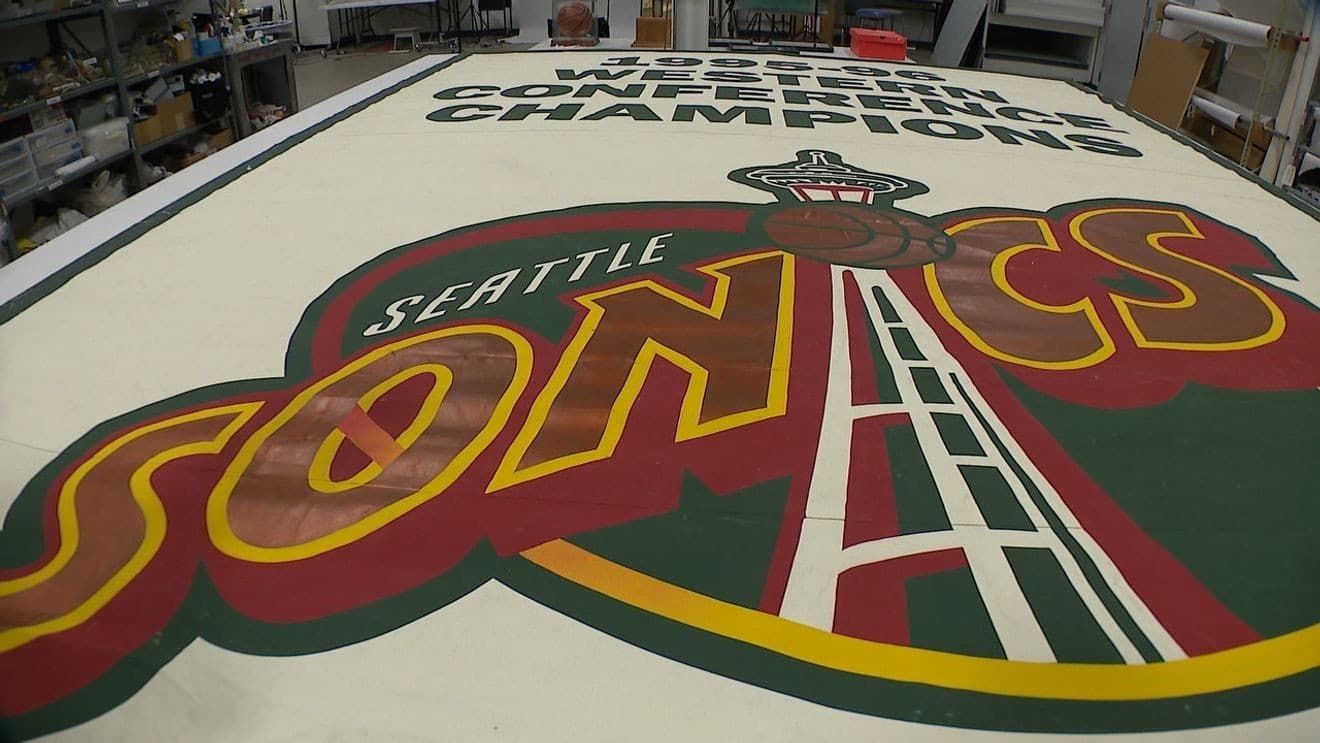
Seattle’s connection to professional basketball dates back to 1967, when the SuperSonics joined the NBA as an expansion team. For 41 years, the franchise became a cultural cornerstone, producing legends like Gary Payton, Shawn Kemp, and Lenny Wilkens, who led the team to its only NBA championship in 1979. The Sonics’ departure in 2008, when owner Clay Bennett relocated the team to Oklahoma City, remains a painful chapter in Seattle sports history. Bennett cited the outdated lease of KeyArena (now Climate Pledge Arena) as a primary reason, though the move sparked years of litigation and fan protests. The relocation left a void in Seattle’s sports landscape, and while the city has since embraced the Kraken and Storm, the absence of an NBA team has been keenly felt. The Kraken’s 2021 arrival and the Mariners’ 2022 and 2023 playoff runs have reignited conversations about Seattle’s viability as a major-league market, with Governor Jay Inslee and Senator Maria Cantwell among the most vocal advocates for the Sonics’ return.
Political and Economic Backing: Why Washington Leaders Are All In
Washington’s political leadership has thrown its weight behind the NBA expansion effort, with Governor Jay Inslee and Senator Maria Cantwell (D-WA) leading the charge. Cantwell, ranking member of the Senate Commerce Committee, has been particularly active, publicly championing Seattle’s case. In February 2024, she told reporters during a Super Bowl celebration in Las Vegas that Seattle’s recent sports successes—highlighted by the Kraken’s playoff runs, the Mariners’ near-miss in the 2022 ALCS, and the Seahawks’ Super Bowl appearance—have given the city a "resume" that the NBA cannot ignore. "People are looking at Seattle again," Cantwell said. "The Mariners came close. The Kraken is thriving. But we want our Sonics back."
Governor Inslee, who has long supported bringing the NBA back to Seattle, has signaled his administration’s willingness to explore incentives, though specifics remain under wraps. In a January 2024 interview with the Seattle Times, Inslee emphasized the state’s commitment to sports infrastructure, noting that Climate Pledge Arena’s success "proves Seattle can sustain a world-class NBA team." Meanwhile, state legislators are navigating a separate debate over a proposed "millionaires tax" that could impact player salaries and recruitment. House Budget Chair Travis Couture (R-Allyn) cautioned that higher tax burdens on athletes could "have a chilling effect on recruiting free agents," a concern echoed by team executives across the league.
The NBA’s engagement with local leaders has also been front and center. Washington Governor Bob Ferguson—though not the state’s current governor—has publicly expressed his enthusiasm for the Sonics’ return. Ferguson, who grew up attending Sonics games and the Lenny Wilkens basketball camp, initiated a Zoom call with Commissioner Adam Silver in early February to voice his support. While Silver’s office characterized the meeting as introductory, the gesture underscored the NBA’s openness to collaboration with public officials. NBA spokesman Mike Bass told KOMO News, "Governor Ferguson initiated the call to introduce himself to Commissioner Silver, and they had a good conversation."
The Las Vegas Factor: A Market Built for the NBA’s Future
Las Vegas, often overlooked in major professional sports, has emerged as a top contender for NBA expansion due to its unparalleled growth as a global entertainment hub. The city’s population has surged by 20% since 2010, and it now ranks as the 25th largest metropolitan area in the U.S., surpassing markets like Orlando and San Antonio—both home to NBA teams. The lack of a pro basketball team has left a gaping hole in Vegas’s sports identity, despite the city’s deep ties to the NBA through summer league games, the NBA All-Star Game (last hosted in 2023), and the NBA G League Ignite program. The Las Vegas Aces’ WNBA success since their 2018 relocation from San Antonio has also proven that the market can sustain a major league franchise, with average attendance exceeding 9,000 fans per game at the Michelob Ultra Arena.
For the NBA, Las Vegas offers a unique opportunity to capitalize on sports betting, a legal and thriving industry in Nevada that generated $1.2 billion in revenue in 2023. The league has embraced betting partnerships, including a 2023 deal with DraftKings, and expansion to Vegas would allow for in-market betting integration, fan engagement tools, and corporate sponsorships with casinos and hospitality brands. Sheldon Adelson’s Las Vegas Sands Corp. and other gaming giants have been floated as potential ownership groups, though no confirmed bids have been announced. The NBA’s last expansion vote in 2002 approved Charlotte over Seattle and New Orleans, a decision that still stings for Pacific Northwest fans. This time, the league appears determined to avoid repeating past controversies, with Silver emphasizing "transparency and economic viability" in the selection process.
What Happens Next? Timeline and Roadblocks Ahead
The NBA’s Board of Governors—comprising 30 team owners—will vote March 24-25 on whether to formally explore expansion. For the measure to pass, it requires approval from 23 of the 30 governors, a supermajority that reflects the high stakes of adding two teams. If the vote passes, the league will enter a months-long due diligence phase, where prospective ownership groups submit bids, and the NBA evaluates their financial plans, arena proposals, and market viability. Insiders predict a second vote in late 2024 or early 2025 could finalize the selections, with teams targeting the 2028-29 season for debuts. However, several roadblocks loom: the millionaires tax in Washington could complicate Seattle’s bid by increasing player tax burdens, while Las Vegas must navigate zoning and infrastructure challenges for a potential arena. Additionally, the NBA’s labor negotiations with the players’ union loom large, as the league’s collective bargaining agreement expires in 2025.
A Historic Reckoning: Seattle’s Chance to Rewrite Its Basketball Legacy
For Seattle, the NBA’s expansion vote represents more than just the return of a beloved team—it’s a chance to heal a 16-year-old wound and reassert the city’s status as a premier sports market. The SuperSonics’ relocation in 2008 was a bitter pill for fans, but the intervening years have seen Seattle evolve into a tech and cultural powerhouse, with a median household income of $115,000—higher than both Portland and Denver, which each boast NBA teams. Climate Pledge Arena’s success, with an average attendance of 17,000 for Kraken games and a waiting list for Storm season tickets, demonstrates that Seattle can fill a 19,000-seat venue for major events. The city’s corporate base, led by Amazon, Microsoft, and Starbucks, has also shown a willingness to invest in sports sponsorships, with Amazon acquiring naming rights to Climate Pledge Arena in a 2020 deal valued at $300 million over 10 years.
Yet nostalgia alone won’t secure a franchise. The NBA’s expansion criteria now prioritize market size, corporate support, arena readiness, and digital engagement. Seattle meets all of these metrics: it ranks as the 15th largest U.S. metro area, with 3.7 million residents, and boasts a median age of 37.2—perfect for targeting young, digitally native fans. The city’s international profile, bolstered by its tech industry and global events like the NFL Draft (2024) and FIFA World Cup (2026), further strengthens its case. As Senator Cantwell put it during a recent interview: "There is no better and more deserving city than Seattle if you want to talk about expansion. HUGE fan base plus history equals a great future for the NBA in Seattle."
Key Takeaways: What Fans, Investors, and Policymakers Need to Know
- The NBA’s Board of Governors will vote March 24-25 on whether to explore adding teams in Seattle and Las Vegas, with a potential second vote later in 2024 to finalize selections.
- Industry projections estimate expansion bids could range from $7 billion to $10 billion per team, reflecting the NBA’s skyrocketing franchise values and revenue potential.
- Seattle’s return hinges on resolving the SuperSonics’ relocation legacy, securing arena infrastructure (likely at the Northgate Mall site), and navigating Washington’s proposed millionaires tax.
- Las Vegas offers the NBA a chance to tap into the sports betting economy, entertainment industry, and a rapidly growing metro area with no current NBA team.
- A final decision on expansion could come in late 2024 or early 2025, with teams targeted to begin play in the 2028-29 season.
Frequently Asked Questions About NBA Expansion to Seattle and Las Vegas
Frequently Asked Questions
- When will the NBA vote on expansion to Seattle and Las Vegas?
- The NBA Board of Governors will vote March 24-25, 2024, on whether to explore adding teams in Seattle and Las Vegas. A second vote later in the year could finalize the selections if bids meet the league’s criteria.
- How much would it cost to buy an NBA expansion team?
- Industry projections suggest bids could range from $7 billion to $10 billion per team, far exceeding the $300 million entry fee paid by the Charlotte Hornets in 2002. The final cost would depend on ownership groups and the NBA’s selection criteria.
- Where would a new Seattle NBA arena be built?
- One of the most discussed sites is the former Northgate Mall property, owned by Herb Simon (owner of the Indiana Pacers). The property currently houses the Kraken Community Iceplex and is adjacent to a planned transit-oriented development.