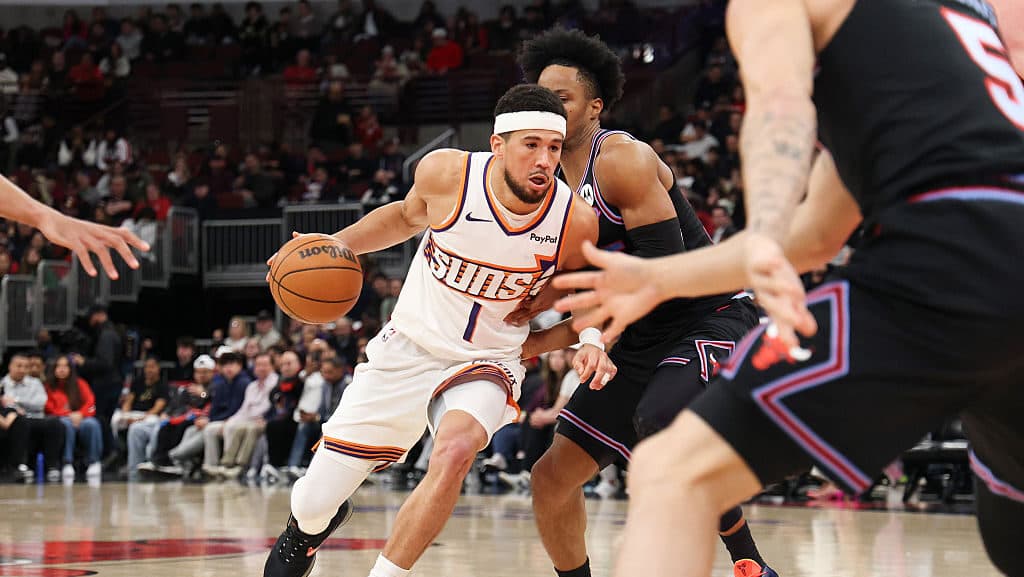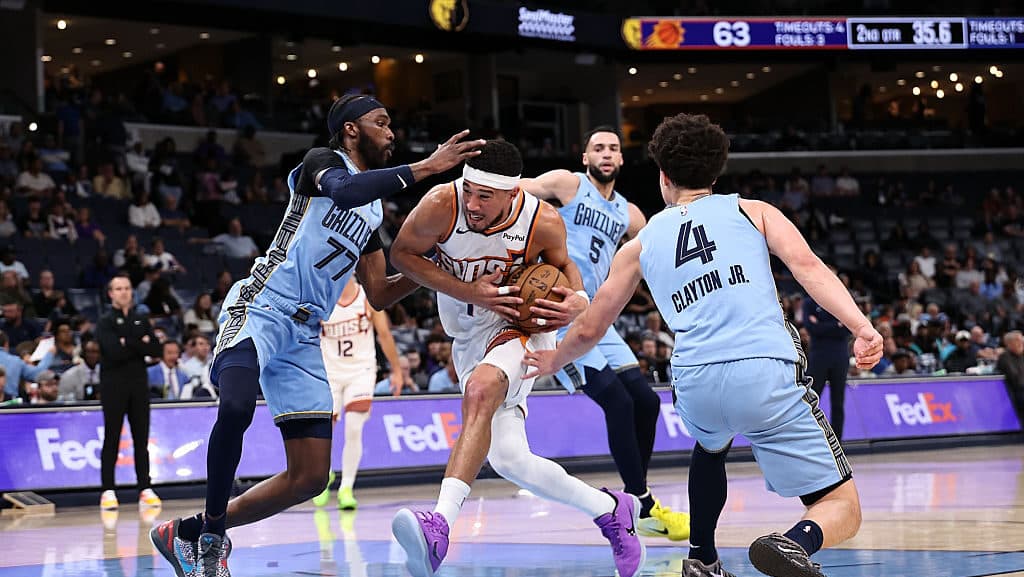
The Phoenix Suns secured a decisive 131-105 victory over the Memphis Grizzlies on Monday, but the final score belied a troubling defensive performance that underscored deeper issues within the team’s roster management and competitive focus. While Phoenix ultimately outscored Memphis by 26 points, the Grizzlies’ makeshift lineup—hobbled by season-long injuries and strategic tanking—allowed the Suns to capitalize on easy scoring opportunities without sufficient resistance. The game served as a stark reminder of the NBA’s evolving roster dynamics, where teams at the bottom of the standings prioritize development over wins, often at the expense of competitive integrity. For the Suns, a franchise with playoff aspirations, Monday’s win masked a concerning trend: a defense that frequently goes through the motions, even against inferior competition.
Key Takeaways: Suns’ Defensive Lapses and Grizzlies’ Troubled Season
- The Phoenix Suns defeated the Memphis Grizzlies 131-105, but their defensive effort was lackluster, with Grizzlies ball-handlers routinely penetrating to the rim.
- Memphis entered the game with 12 players unavailable due to injury, forcing a roster that included only four original starters and three new additions from trades.
- Devin Booker led Phoenix with 36 points on 16-of-24 shooting, but his defensive effort was inconsistent, including moments where he stood still during transition plays.
- The Grizzlies’ season has been derailed by injuries to Ja Morant, Zach Edey, and Ty Jerome, while tanking strategies further depleted their competitiveness.
- With seven games left in a compressed schedule, the Suns’ ability to tighten their defensive rotations will be critical ahead of the postseason.
A Game That Looked Easy, But Wasn’t
At first glance, Monday’s matchup appeared to be a cakewalk for the Phoenix Suns. Memphis entered the game with a decimated roster, boasting just four players who were on the team at the start of the season. The Grizzlies, languishing near the bottom of the Western Conference, had already committed to a tanking strategy, prioritizing player development over wins. Yet despite the Suns’ eventual 26-point victory, the game was anything but a straightforward triumph. Phoenix’s defense, a cornerstone of their identity under head coach Jordan Ott, regressed to alarming levels, allowing Memphis to dictate the pace in the first half. The Grizzlies shot 57% from the field in the opening 24 minutes, including a blistering 61 points—their highest first-half total of the season. What should have been a mismatch instead became a sluggish, disjointed affair, with the Suns’ defensive rotations resembling a half-hearted exercise rather than a coordinated effort.
Defensive Breakdown: Where the Suns Failed
The Suns’ defensive woes were not merely a matter of lazy rotations; they reflected a systemic issue that has plagued the team in spurts throughout the season. Grizzlies ball-handlers, many of whom are either rehabbing from injuries or playing for the first time in months, had no trouble slicing through Phoenix’s perimeter defense. Memphis guards repeatedly attacked the paint, drawing easy layups and dunks that should have been contested. For much of the game, it appeared the Suns were operating with only a single effort per possession—a far cry from the "multiple efforts" philosophy Ott has preached. Even when Memphis’ shots weren’t falling, their players found success through sheer persistence, cutting to open spaces and receiving kickouts that Phoenix’s closeouts failed to disrupt.
The breakdown was most glaring in transition, where the Suns often allowed Memphis to push the pace without resistance. Devin Booker, despite his 36-point performance, was occasionally complicit in these lapses. Multiple times, he turned the ball over and then stood idly by as former teammate Kevin Durant—now with the Grizzlies—exploited the lack of defensive urgency. Jalen Green and Royce O’Neale, both key rotation players, contributed to the porousness with erratic closeouts and miscommunications in pick-and-roll coverage. By the time Phoenix’s defense showed signs of life late in the third quarter, the damage was already done. Memphis had clawed back to within four points, forcing Ott to call a timeout and adjust a lineup that had been outplayed for most of the game.
Memphis’ Season of Misfortune and Strategic Surrender
The Grizzlies’ roster situation entering Monday’s game was nothing short of catastrophic. With 12 players unavailable due to injury, Memphis was forced to field a lineup that included only four original starters and three players who had joined the team within the last month. The litany of injuries reads like a worst-case scenario: Ja Morant, the franchise cornerstone, has played just 20 games this season after suffering a left elbow sprain. Zach Edey, the Rookie of the Year runner-up, has appeared in only 11 contests due to left ankle and elbow surgeries. Ty Jerome, a high-profile free-agent signing, made a strong debut in late January but has since battled a sprained left ankle and inconsistent availability.
The Grizzlies’ depth chart is a graveyard of what-ifs. Brandon Clarke, once a key rotational piece, has logged just two appearances after a right calf strain. Scottie Pippen Jr., a promising young guard, missed significant time due to a right toe surgery and has played only 10 games. Santi Aldama (right knee surgery), Kentavious Caldwell-Pope (right finger surgery), and Jaylen Wells (right toe injury management) have all been sidelined at various points, their seasons cut short by a mix of bad luck and lingering issues. Even when healthy, Memphis has struggled to maintain cohesion, with players cycling in and out of the rotation based on fitness rather than performance.
The team’s tanking strategy has only exacerbated these challenges. In the final quarter, with Memphis clinging to a two-point lead, the Grizzlies subbed out four of their starters—including Edey, their 7-foot-4 rookie sensation—replacing them with bench players who had logged under 20 minutes all game. The move was a tacit admission that the season’s competitive goals had shifted from winning games to accumulating draft capital. It was a stark contrast to Phoenix’s approach, where coach Jordan Ott managed minutes carefully, keeping starters like Booker and Durant out of the fourth quarter to preserve energy for the stretch run.
The Phoenix Suns’ Delicate Balance: Playoff Aspirations vs. Roster Stability
For the Phoenix Suns, Monday’s game was a microcosm of their season-long tightrope walk between playoff contention and roster preservation. The franchise entered the campaign with high expectations, buoyed by the return of Devin Booker and Kevin Durant from injury and the addition of Bradley Beal. Yet despite flashes of brilliance, the Suns have been plagued by inconsistency, particularly on the defensive end. Their performance against Memphis underscored the fragility of their depth chart, with key contributors like Grayson Allen (left knee soreness) and Jusuf Nurkić (calf strain) frequently sidelined. Allen’s inclusion on the injury report before Monday’s game—only to be ruled out—highlighted the team’s thin margins, where even minor injuries can derail momentum.
Booker’s 36-point outing masked the defensive deficiencies that nearly cost Phoenix a game they were favored to win. His effort was commendable, but his moments of disengagement—especially in transition—underscored the mental toll of a compressed schedule and the pressure to secure a playoff spot. With seven games remaining in a 14-day span, Ott faces a critical decision: prioritize rest for his stars or maintain the intensity required to climb the Western Conference standings. The Suns sit on the playoff bubble, and every defensive lapse could prove costly in a tightly contested postseason race.
The Broader NBA Landscape: Tanking, Injuries, and the Erosion of Competitive Integrity
The Suns-Grizzlies matchup is emblematic of broader trends gripping the NBA in 2024. With the league’s competitive balance increasingly skewed by injuries and strategic tanking, games between teams at the top and bottom of the standings often lack the urgency or spectacle that fans expect. Memphis’ approach—subbing out starters with minutes to spare, deploying players below their typical workload, and prioritizing development over wins—is no longer an outlier but a league-wide reality. Teams like the Detroit Pistons, San Antonio Spurs, and Orlando Magic have similarly embraced tanking, sacrificing short-term wins for long-term assets. The NBA’s incentive structure, which rewards losing teams with higher draft picks via the lottery system, has inadvertently encouraged this behavior, even as it diminishes the quality of competition on the court.
For the Suns, a franchise that has invested heavily in veteran talent, the erosion of competitive integrity presents a unique challenge. Unlike teams explicitly rebuilding, Phoenix is operating in win-now mode, with star players like Booker and Durant on the back half of their careers. Yet the Grizzlies’ willingness to cede ground so openly raises questions about the NBA’s future. If teams at the bottom of the standings are no longer incentivized to compete, how does the league maintain fan engagement and parity? The Suns’ defensive lapses against Memphis may seem like a one-game anomaly, but they reflect a larger dilemma: in a league where the rules favor losing, even the most talented teams must navigate a minefield of inconsistent effort and strategic surrender.
What’s Next for the Suns and Grizzlies?
For the Phoenix Suns, the path forward hinges on tightening their defensive rotations and managing load management without sacrificing intensity. With seven games left in a compressed schedule, Ott must strike a balance between preserving his stars and maintaining the urgency required to secure a playoff spot. The team’s next challenge comes Tuesday against the Orlando Magic, a squad that, despite its inconsistency, boasts significant size and depth—a combination that stymied Phoenix in their previous meeting, forcing two overtimes. If the Suns continue to sleepwalk defensively, even wins against inferior competition may not be enough to salvage their playoff hopes.
For the Memphis Grizzlies, the focus remains squarely on the draft and the development of their young core. With Morant’s future health uncertain and Edey’s rookie season cut short, the Grizzlies are positioning themselves to add talent through the draft lottery. Their tanking strategy, while controversial, reflects a pragmatic approach to rebuilding in a league where patience is often rewarded. Yet the human cost of this approach cannot be ignored. Players like Pippen Jr. and Clarke, who have seen their seasons derailed by injury, deserve better than to be reduced to pawns in a broader strategic game. As the NBA grapples with the consequences of its incentive structure, Memphis’ struggles serve as a cautionary tale about the trade-offs between short-term pain and long-term gain.
Coaching Adjustments and the Future of NBA Defense
Jordan Ott’s tenure as head coach of the Phoenix Suns has been defined by his emphasis on defensive accountability, yet Monday’s game exposed the limits of his influence. The Suns’ inability to string together multiple efforts per possession suggests a systemic issue that transcends individual effort—one rooted in fatigue, roster turnover, and the psychological toll of a compressed schedule. Ott’s challenge is not just to fix the rotations but to instill a culture where defensive intensity is non-negotiable, even against teams with no chance of winning. The NBA’s evolution demands adaptability, and Ott must decide whether to double down on his principles or adjust his approach to fit the realities of his roster’s limitations.
Frequently Asked Questions
Frequently Asked Questions
- Why did the Phoenix Suns struggle defensively against the Grizzlies?
- The Suns' defensive lapses stemmed from a combination of roster fatigue, inconsistent rotations, and a lack of urgency against a Grizzlies team that prioritized development over wins. Memphis' ball-handlers repeatedly attacked the paint, while Phoenix's closeouts and transition defense faltered.
- How many players were unavailable for the Memphis Grizzlies on Monday?
- The Grizzlies entered Monday’s game with 12 players unavailable due to injury, forcing them to field a lineup with only four original starters and three new additions. The list of absences includes Ja Morant, Zach Edey, and Ty Jerome.
- What does the Grizzlies' tanking strategy mean for their playoff chances?
- Memphis’ tanking strategy effectively concedes playoff contention in favor of accumulating draft capital. By subbing out starters and prioritizing young player development, the Grizzlies are positioning themselves to add talent through the draft lottery, even as their competitiveness suffers.