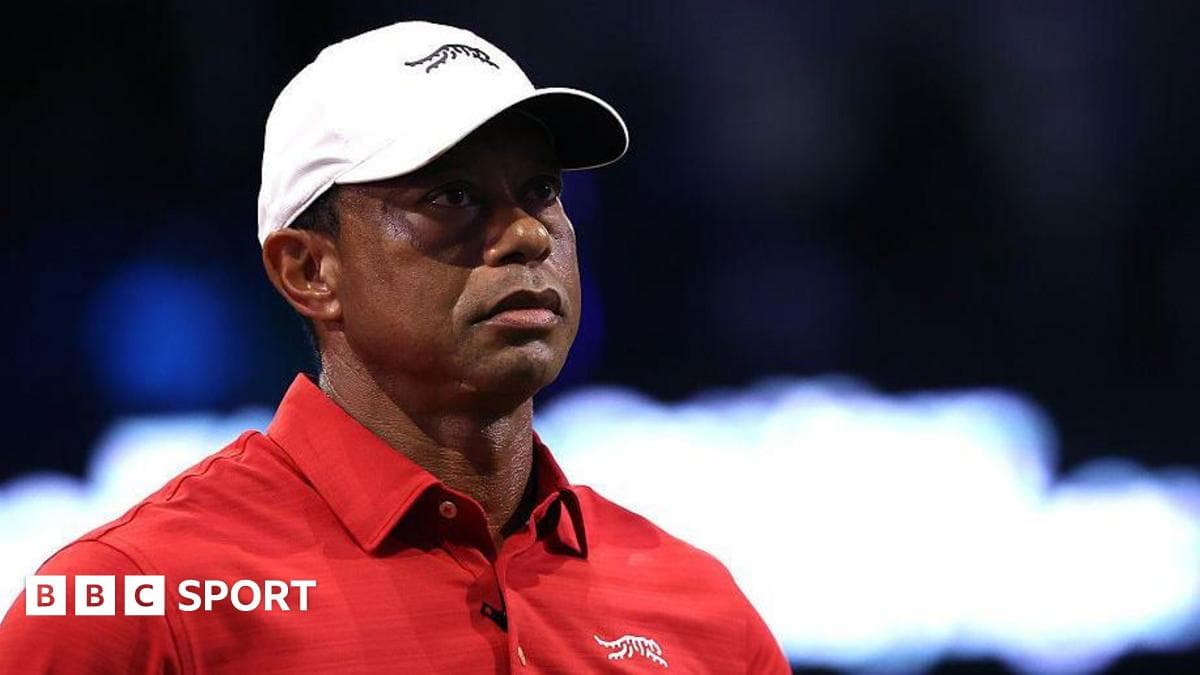
Tiger Woods, the 15-time major champion and one of golf’s most iconic figures, has declined the role of U.S. Ryder Cup captain for the 2027 edition in Ireland, the PGA of America announced Tuesday. The decision comes amid a tumultuous week for Woods, who was arrested and charged with driving under the influence (DUI), property damage, and refusal to submit to a lawful test following a car crash in Florida last Friday. Woods, who admitted to authorities he was looking down at his phone while changing radio stations before the collision, is stepping away from professional golf to focus on his health and seek treatment overseas. The PGA of America released a statement expressing deep respect for Woods’ decision and unwavering support during his recovery.
Why Tiger Woods’ Decision to Decline the Ryder Cup Captaincy Matters
Tiger Woods’ rejection of the Ryder Cup captaincy for 2027 is more than a personal choice—it signals a turning point in his storied career and casts a spotlight on the broader challenges facing professional golf. The Ryder Cup, a biennial team competition between the United States and Europe, is one of the most prestigious events in sports, steeped in tradition and intense rivalry. By stepping away from the captain’s role, Woods is not only prioritizing his health but also reshaping the narrative around his legacy. His absence from the 2027 event, scheduled for Adare Manor in County Limerick, Ireland, from September 17 to 19, 2027, leaves a leadership void that will be difficult to fill. The decision also raises questions about Woods’ future in the sport, given his limited playing schedule in recent years due to multiple surgeries and ongoing recovery.
The DUI Arrest and Car Crash: What Happened and What It Reveals
The chain of events leading to Woods’ decision began last Friday, March 8, 2024, when he was involved in a single-vehicle crash in Jupiter, Florida. According to authorities, Woods clipped a truck while changing radio stations on his phone and subsequently rolled his car. The collision resulted in minor injuries to Woods, but the aftermath brought to light serious legal and health concerns. Police reports indicated that Woods appeared "lethargic and slow," with "sweating profusely" and "extremely dilated" pupils, suggesting impairment. Two white pills found in his pocket were identified as hydrocodone, a prescription opioid commonly used to manage pain.
Woods’ Health Struggles: A Timeline of Setbacks
This is not the first time Woods’ health has been a topic of concern. In February 2021, he underwent emergency surgery after suffering multiple leg injuries in a terrifying car accident in Los Angeles, where his SUV rolled over and landed in a ravine. The accident left him with a broken ankle and other serious injuries, forcing him to withdraw from several tournaments and undergo multiple surgeries. Since then, Woods has played only a limited schedule, competing in just 10 PGA Tour events between 2021 and 2024. His withdrawal from professional golf in the wake of his latest legal troubles underscores the gravity of his current health challenges.
Legal Proceedings and Treatment Plans
On Tuesday, March 12, 2024, Woods submitted a written plea of not guilty to his charges via his lawyers. His attorney, Douglas Duncan, revealed that doctors had recommended an "intensive, highly individualized and medically integrated program" for Woods, emphasizing the need for privacy that cannot be guaranteed in the United States. A Florida judge approved Woods’ request to leave the country to seek treatment overseas, marking a significant step in his recovery journey. Duncan stated that the urgency of Woods’ care required an environment free from the media and public scrutiny that has surrounded him for decades.
Ryder Cup History: Woods’ Limited Role in the Prestigious Event
Tiger Woods’ connection to the Ryder Cup spans nearly three decades, but his record in the event is surprisingly modest. He has competed in the biennial competition eight times for the U.S. team, debuting in 1997 at age 21 and making his final appearance in 2018. Despite his dominance in individual majors, Woods has only one victory as a player in the Ryder Cup—at the 1999 edition held at Brookline Country Club in Massachusetts. His lone win came in a dramatic singles match against Miguel Ángel Jiménez, a moment that remains one of the most celebrated in the event’s history. Woods’ absence as a player since 2018 and now as captain for 2027 marks the end of an era for the competition.
Reactions from the Golf World: Support and Skepticism
The PGA of America’s response to Woods’ decision was one of unequivocal support. In a statement, the organization commended Woods for prioritizing his long-term health and expressed hope for his recovery. The PGA also noted that it would share further updates about the captaincy "when appropriate," leaving the door open for future involvement. However, not all reactions were as positive. Paul McGinley, the European Ryder Cup-winning captain in 2014, offered a more critical perspective on Sky Sports, suggesting that Woods’ health issues may signal the end of his competitive golf career.
A lot of people are running out of patience now, including himself and his family by all accounts from what he said yesterday. He realises the seriousness of the situation and I think it's a line in the sand. I don't think it's fair to write him off fully but it's highly improbable that he wins another tournament again, never mind a major.
McGinley’s Take on Woods’ Future Role in Golf
Beyond his playing career, Woods has remained an influential figure in golf governance. McGinley highlighted Woods’ potential to play a pivotal role as chairman of the PGA Tour’s Future Competition Committee, a position Woods has held since 2020. In this role, he has been tasked with shaping the future of professional golf amid growing competition from rival tours like LIV Golf. McGinley praised Woods’ ability to rally players behind a unified vision, stating, "There's nobody better positioned to coerce players into a future for the tour than Tiger Woods because they are all so much in awe of them because of what he achieved as a golfer."
The Broader Implications for Golf’s Future
Woods’ decision to step away from the Ryder Cup captaincy and professional golf reflects broader trends in the sport. The PGA Tour, led by CEO Brian Rolapp, is navigating a period of significant change, with the rise of LIV Golf and other alternative circuits drawing top players away. Woods’ influence has been a stabilizing force in maintaining unity among players, and his absence could accelerate shifts in the sport’s power dynamics. Additionally, Woods’ health struggles raise important questions about the long-term sustainability of careers in professional golf, particularly as athletes face increasing physical and mental demands.
What’s Next for Tiger Woods?
As Woods focuses on his recovery, the golf world will be watching closely to see whether he can return to any level of competition, let alone the form that once made him the world’s top-ranked player. His attorneys have indicated that his treatment will be comprehensive and individualized, suggesting a long-term commitment to addressing both his physical and mental health. Meanwhile, the PGA of America and the Ryder Cup organizers must now plan for a captaincy selection process that does not include Woods—a daunting task given his unparalleled influence in the sport.
- Tiger Woods has declined the role of U.S. Ryder Cup captain for 2027, citing health concerns following a DUI arrest and car crash in Florida.
- Woods faces multiple legal charges, including DUI, property damage, and refusal to submit to a lawful test, after clipping a truck and rolling his car last Friday.
- The PGA of America expressed full support for Woods, highlighting his prioritization of long-term health and recovery.
- Woods has a history of health issues, including a 2021 car accident that left him with multiple leg injuries and limited his playing schedule.
- His decision to step away from professional golf raises questions about the future of his career and his role in shaping the sport’s governance.
Key Takeaways on Tiger Woods’ Ryder Cup Decision and Health Crisis
- Tiger Woods declined the 2027 Ryder Cup captaincy to focus on his health, marking a significant shift in his post-playing career.
- His DUI arrest and car crash have intensified scrutiny over his physical and mental well-being, prompting a judge to approve overseas treatment.
- The PGA of America stands firmly behind Woods, but his absence leaves a leadership gap in one of golf’s most prestigious events.
- Woods’ legacy in the Ryder Cup is understated compared to his major championship success, with only one win in eight appearances.
- His role in golf governance, particularly with the PGA Tour’s Future Competition Committee, could become more critical as the sport evolves.
Frequently Asked Questions About Tiger Woods’ Ryder Cup Decision
Frequently Asked Questions
- Why did Tiger Woods turn down the Ryder Cup captaincy?
- Woods declined the role to prioritize his health and seek treatment for ongoing medical issues, including pain management and recovery from prior injuries.
- Will Tiger Woods return to professional golf after his treatment?
- The outcome remains uncertain. Woods’ attorney stated that an intensive, individualized program is recommended, but his ability to return to competition is not guaranteed.
- Who will replace Tiger Woods as U.S. Ryder Cup captain for 2027?
- The PGA of America has not yet named a replacement, stating it will share updates on the captaincy selection process when appropriate.