In a move that sent ripples through the sports world, the Connecticut Sun—one of the WNBA’s most storied franchises—was sold for $185 million to Tilman Fertitta, the billionaire owner of the Houston Rockets, and slated to relocate to San Antonio, Texas, after the 2025 season. The decision, announced in late April 2025, has reignited a long-simmering debate: When a professional sports team changes hands, who truly owns its history? From championship banners to fan memories, the intangible legacy of a franchise often becomes as negotiable as its roster or its arena lease. For decades, leagues, owners, and courts have wrangled over the boundaries of team history, creating legal precedents that blur the line between fact and fiction.
The Connecticut Sun Sale: A Case Study in Legacy and Leverage
The Connecticut Sun’s sale to Fertitta’s group marked the latest chapter in a pattern that has reshaped the WNBA and NBA over the past 25 years. The Sun, originally founded as the Orlando Miracle in 1999, relocated to Connecticut in 2003 after the Mohegan Tribe purchased the franchise. Despite its deep roots in New England—including a 2004 and 2005 WNBA Finals appearance and a 2019 playoff run—the team’s new ownership has chosen to uproot it entirely, citing what Fertitta described as “strategic growth opportunities” in Texas. In a statement, he emphasized the Rockets’ commitment to expanding the WNBA’s footprint, though no timeline for the Sun’s relocation has been confirmed.
Unlike the defunct Houston Comets—a franchise that won the first four WNBA championships in the late 1990s and was officially disbanded in 2008—the Sun’s relocation does not erase its history from the league’s record books. The WNBA recognizes the Sun’s achievements under the Connecticut banner, including the 2004 and 2005 Finals appearances. However, the move raises questions about whether future iterations of the team in Texas could claim those legacies as their own. Historically, the league has taken a flexible approach to such transitions. For example, when the Sacramento Monarchs folded in 2009 after failing to secure arena funding, the WNBA absorbed its players into a dispersal draft rather than preserving its history under a new banner.
The Mohegan Tribe’s Decision: Sovereignty and Business
The Mohegan Tribe, which owned the Sun, held the ultimate authority over the franchise’s future. Tribal sovereignty grants them the legal right to sell the team to any buyer, a point underscored by Connecticut Senator Richard Blumenthal in a letter to WNBA Commissioner Cathy Engelbert. “The Mohegan Tribe has made a business decision that is theirs alone to make,” Blumenthal wrote, though he expressed concern about the loss of local investment in women’s sports. The tribe, which also operates Mohegan Sun casino, has not detailed its future plans for the WNBA franchise but confirmed that the sale was finalized without fan opposition or legal challenges—a stark contrast to past relocation disputes.
A History of History for Sale: When Franchises Rewrite Their Past
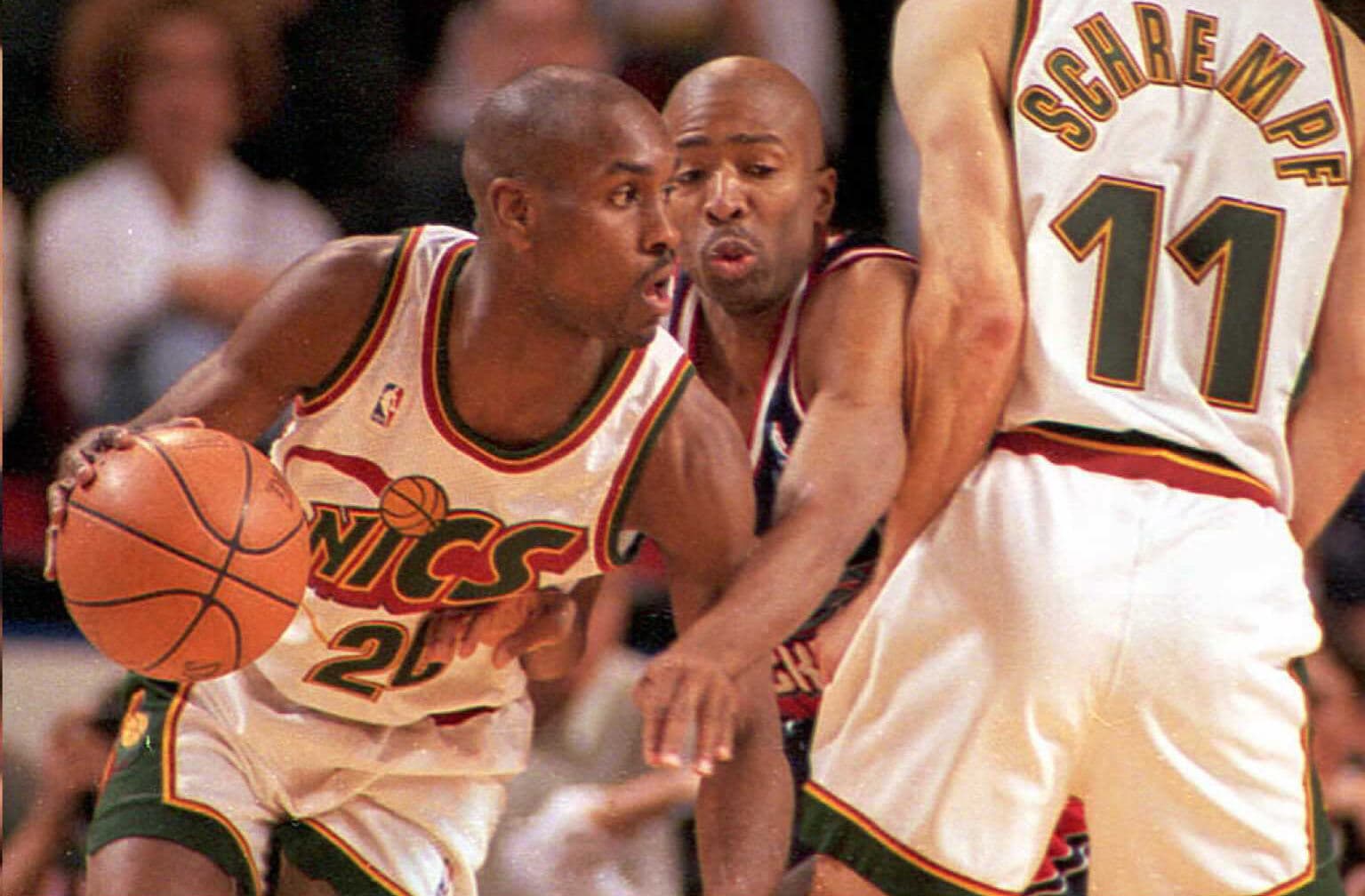
The Connecticut Sun’s sale is far from the first time a team’s history has been treated as a commodity. In the NBA, the Seattle SuperSonics saga remains one of the most contentious examples. After owner Clay Bennett moved the team to Oklahoma City in 2008, Seattle struck a deal with the NBA to keep the Sonics’ name, colors, and history in exchange for $75 million and a commitment to expand the league. The resulting Oklahoma City Thunder, while inheriting the Sonics’ roster and front office, were rebranded as an expansion team—a designation that persists today. Kevin Durant, who played his rookie season with the Sonics in 2007-08 before the team’s relocation, is officially listed as a Thunder player, though his tenure in Seattle is memorialized in team lore.
The NHL’s Coyotes and the Illusion of Continuity
In the NHL, the Arizona Coyotes’ relocation to Utah in 2024 provided another lesson in how history can be manipulated. After former owner Alex Meruelo failed to secure a new arena in Arizona, he negotiated a $1 billion deal with new owner Ryan Smith. As part of the agreement, Meruelo retained the rights to the Coyotes’ name and history for five years, effectively allowing him to claim the franchise’s legacy even as the physical team moved to Salt Lake City. The deal, which included a clause preventing the new Utah-based team from adopting the Coyotes’ history, underscored how leagues and owners prioritize financial settlements over historical accuracy. “This isn’t about the team’s past,” said an NHL insider familiar with the negotiations. “It’s about what you can sell to fans—and to courts.”
The Browns’ Precedent: When History Becomes a Legal Fiction
The most famous example of history being traded like a stock comes from the NFL’s Cleveland Browns. In 1996, owner Art Modell moved the team to Baltimore, rebranding it as the Ravens. In response, Cleveland retained the Browns’ name, colors, and history while waiting for an expansion team to be awarded. The new Browns, which began play in 1999, are technically a separate franchise but are legally recognized as the continuation of the original team. This legal fiction allowed Cleveland to preserve its identity while Baltimore built its own legacy. The arrangement has been a source of pride—and occasional frustration—for Browns fans, who argue that their team’s history was stolen, even as the Ravens developed their own proud tradition, including Super Bowl victories in 2000 and 2012.
Why History Matters: Fan Identity and League Economics
At the heart of these disputes is a fundamental question: What does a team’s history represent? For fans, it’s a source of identity, pride, and continuity. The Hartford Whalers, who relocated to North Carolina in 1997, remain a cultural touchstone in Connecticut despite their 30-year absence. The city still celebrates the team’s legacy, from jerseys in thrift stores to annual fan gatherings. Yet when the Sun’s relocation was announced, Connecticut’s reaction was notably muted. Unlike Seattle’s vocal opposition to the Sonics’ move or Cleveland’s legal battle for the Browns’ history, the Sun’s departure elicited little pushback beyond local sports radio debates. Analysts attribute this to the Mohegan Tribe’s sovereign status, which insulated the sale from public pressure, as well as the relative youth of the WNBA compared to the NBA or NFL.
The Business of Selling Legacy
For leagues and owners, a team’s history is a valuable asset—one that can be monetized through merchandise, broadcasts, and nostalgia marketing. The WNBA, which has struggled with visibility and revenue, may see the Sun’s relocation as an opportunity to grow its fanbase in Texas, a state with limited professional women’s basketball presence. Fertitta, whose Rockets are one of the NBA’s most profitable franchises, has emphasized his commitment to the WNBA’s expansion, though critics question whether the league’s infrastructure can support another team. “The WNBA needs more markets with strong ownership,” said sports economist Victor Matheson. “But if history is for sale, what’s stopping the next owner from moving the team again in five years?”
- The Connecticut Sun’s $185 million sale to Tilman Fertitta marks the latest in a long history of sports franchises treating history as a negotiable asset, not a fixed record.
- Unlike past disputes like the Seattle SuperSonics and Cleveland Browns, the Sun’s relocation faced little fan or legal resistance due to the Mohegan Tribe’s sovereign authority.
- Leagues often prioritize financial settlements over historical accuracy, allowing new ownership groups to claim or disclaim a team’s legacy based on courtroom or boardroom negotiations.
- The WNBA’s flexible approach to franchise history—where championships and playoff appearances are tied to a specific banner rather than a physical team—creates ambiguity about what truly belongs to fans.
- The sale highlights broader questions about the sustainability of women’s sports teams in smaller markets and the role of legacy in franchise relocation decisions.
The Future of Team History: Will the Sun’s Legacy Follow?
As the Sun’s move to Texas looms, the question of what happens to its history remains unresolved. The WNBA’s record books will likely retain the Sun’s achievements under the Connecticut banner, but Fertitta’s group has not indicated whether they plan to honor those milestones in San Antonio. The team’s new identity—if it even retains the “Sun” name—could be rebranded entirely, leaving fans to debate whether the franchise’s legacy is being preserved or erased. This pattern is familiar in sports: The Utah Jazz, for example, became the Utah Stars in 1970 before relocating to New Orleans and later reverting to Jazz—all while their history remained tied to Salt Lake City. “History isn’t a trophy you can pass around,” said historian and sports author David Maraniss. “It’s a living thing, and when you sever its roots, you risk losing what made it special in the first place.”
What’s Next for Women’s Basketball in Connecticut?
For Connecticut, the loss of the Sun represents more than just a basketball team. The franchise was a cornerstone of the state’s investment in women’s sports, drawing sellout crowds at Mohegan Sun Arena and inspiring generations of young athletes. The University of Connecticut’s dominance in college basketball—led by legends like Geno Auriemma and Paige Bueckers—has kept the spotlight on women’s sports in the state, but the WNBA’s absence will be felt. Local officials have not announced plans to pursue another franchise, though some advocates have floated the idea of an expansion team. “Connecticut has always been a basketball state,” said state representative Jillian Gilchrest. “But without the Sun, we risk losing that identity—and the next generation of fans who might never see a WNBA game in person.”
The Broader Implications: Can Fans Trust the Record Books?
The Connecticut Sun’s sale is a microcosm of a larger trend in professional sports: the commodification of history. As franchises become more valuable—and more mobile—leagues and owners are increasingly willing to trade legacy for profit. The NBA’s expansion into Europe, the NFL’s international games, and the WNBA’s push for new markets all signal a future where teams may have multiple homes in their lifetimes. This raises ethical questions about authenticity, fan trust, and the role of history in sports. “When a team’s past can be rewritten as easily as a roster, what does that say about the sport’s integrity?” asked University of Michigan sports historian S. W. Pope. “Fans deserve better than a league that treats history like a disposable asset.”
Key Takeaways: Who Owns a Team’s History?
- Owners and leagues can—and often do—treat a team’s history as a negotiable asset, separate from the physical team, players, or records.
- Fan opposition is less effective when the selling party has sovereign immunity (like the Mohegan Tribe) or when leagues prioritize financial settlements over historical accuracy.
- The WNBA’s approach to franchise history is more flexible than the NFL or NBA’s, allowing for ambiguous claims to legacy despite clear relocations.
- Relocations like the Seattle SuperSonics and Cleveland Browns show that while history can be “retained” legally, it’s often a fiction that serves the league’s interests.
- The sale of the Connecticut Sun underscores the tension between business decisions and fan identity, leaving questions about the future of women’s basketball in New England.
Frequently Asked Questions About Sports Franchise Relocations and History
Frequently Asked Questions
- Can a sports team legally sell its history to a new owner?
- Yes, but it depends on the league’s rules and any legal agreements. Teams often negotiate the transfer of history—including names, colors, and records—as part of relocation deals, though the new team may not be recognized as the same franchise.
- Why didn’t Connecticut fans fight harder to keep the Sun?
- The Mohegan Tribe’s sovereign status insulated the sale from public pressure, and the WNBA’s relatively small footprint in Connecticut meant there was less fan outrage compared to NBA or NFL relocations.
- What happens to a team’s records when it relocates?
- League record books typically retain the team’s achievements under its original name and location, but new owners may choose to disclaim or reinterpret that history as part of rebranding efforts.