For the past month, Joseph and I have been playing Marathon obsessively—not just because it’s a standout extraction shooter from Bungie, but because it’s become a litmus test for an industry in freefall. The game, a spiritual successor to *Destiny*’s tactical shooters, has earned glowing reviews, sold 1.2 million copies on Steam alone, and inspired fan art of its characters. Yet, its Steam player counts—hovering between 20,000 and 30,000 concurrent users—have turned it into a cautionary tale. Those numbers aren’t just a metric; they’re a window into the brutal economics of modern game development, where even critically acclaimed titles with multimillion-dollar budgets struggle to justify their existence to shareholders. The question looming over Marathon isn’t whether it’s fun—it’s whether it’s *profitable enough* to survive in an era where the video game crash of 2025 is no longer a hypothetical.
Key Takeaways: Why Marathon’s Player Numbers Matter More Than You Think
- Marathon has sold 1.2 million copies and earned tens of millions, but its 20K-30K Steam players are a flashpoint for industry anxieties about niche game survival.
- Sony Interactive Entertainment’s $3.7 billion acquisition of Bungie has turned Marathon into a high-stakes bet on whether extraction shooters can be sustainable without *Fortnite*-level success.
- The video game industry is hemorrhaging jobs, with a third of U.S. developers laid off in 2024, making Marathon’s fate a microcosm of broader market pressures.
- Games like *Concord* and *Highguard* crashed and burned within months, suggesting that even viral launches may not guarantee long-term viability.
- Industry observers warn that player-count obsession distorts priorities, reducing games to business models and players to metrics.
The Marathon Paradox: A Hit Game in a Dying Genre
Marathon’s commercial success is undeniable. It’s a top earner on Steam, outselling the vast majority of the 19,000+ games released on the platform in 2025. Its sales figures alone place it among the elite, yet its concurrent player counts tell a different story. For context, *Concord*—Sony’s other competitive shooter—peaked at just 700 players before its abrupt shutdown in 2024, barely a month after launch. *Highguard*, a free-to-play multiplayer shooter revealed at The Game Awards 2025, fared slightly better with nearly 100,000 concurrent players at its peak, but its lifespan was just as short. These numbers underscore a harsh reality: in 2025, even games with initial buzz are disposable unless they achieve near-instant, *Fortnite*-level dominance.
Extraction Shooters: A Niche with Big Dreams
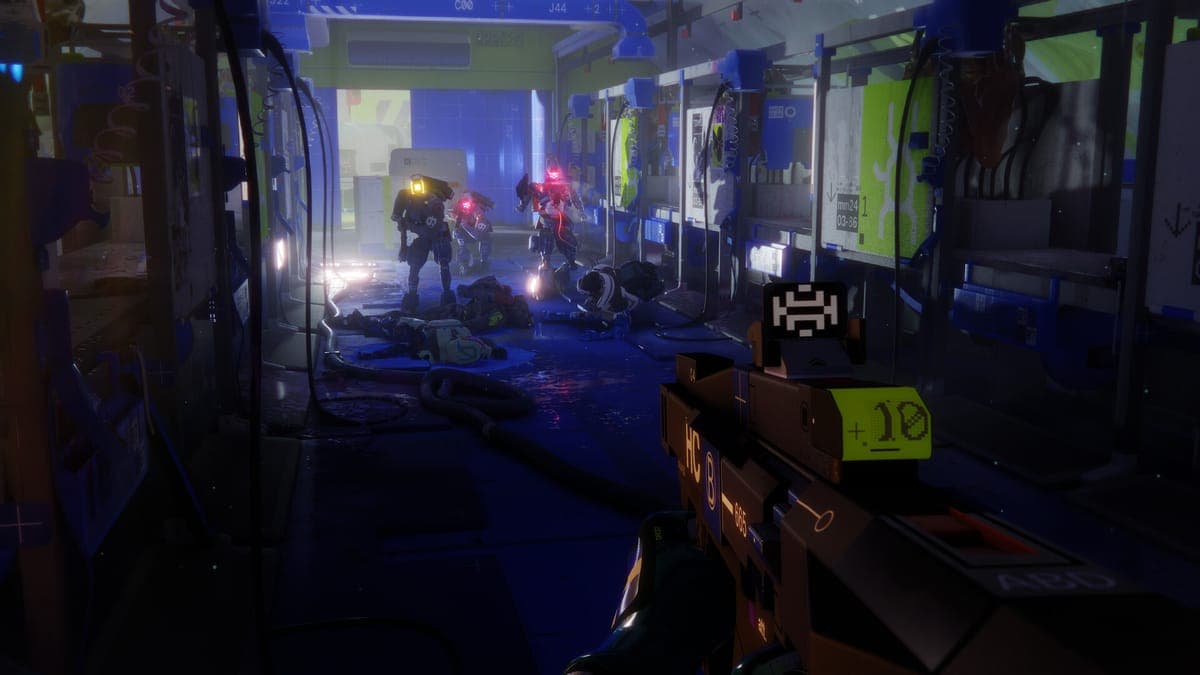
Extraction shooters—a subgenre where players scavenge for loot while facing off against others—have gained cult followings but remain a gamble for publishers. Games like *Escape from Tarkov* and *Hunt: Showdown* have proven that dedicated communities will tolerate punishing mechanics for the thrill of high-stakes PvP. Marathon, with its low-gravity physics, methodical movement, and emphasis on positioning over twitch reflexes, has carved out its own niche. As *PC Gamer*’s Morgan Park noted, it’s a game that ‘evokes a more civilized age,’ blending modern conveniences with the deliberate pacing of older shooters. Yet its appeal to ‘uncs’—a slang term for players who skew older or less interested in hyper-competitive shooters—may be both a strength and a liability.
Marathon's low gravity, bouncy physics, and methodical boot clunks echo Master Chief's graceful, weighty gait circa 2004. It's got modern conveniences like aim-down-sights, sprinting, sliding—and yet Marathon evokes a more civilized age. Those qualities make it more accessible to a range of people who struggle to keep up in faster games while maintaining a skill range in other disciplines.
Sony’s Gamble: Can Bungie Make Extraction Shooters Profitable?
Sony’s 2022 acquisition of Bungie for $3.7 billion was a bet on the studio’s ability to innovate within the competitive shooter space—a bet that now hinges on Marathon’s success. The game’s development costs remain undisclosed, but its post-launch support—frequent balance updates, cosmetic drops, and community engagement—suggests Sony is serious about turning it into a long-term franchise. However, the math isn’t straightforward. While Marathon’s sales are strong, its player counts are modest compared to industry giants. Ubisoft’s *Rainbow Six Siege*, for example, launched to tepid reception in 2015 but became a decade-long cash cow through consistent updates and a loot-box monetization model. Similarly, *For Honor* has limped along since 2017, kept alive by its dedicated player base despite lackluster sales.
The Shareholder Problem: Why Modest Success Isn’t Enough
Sony is a publicly traded company answerable to shareholders who demand quarter-over-quarter growth. Marathon’s current trajectory—while profitable—isn’t the kind of explosive success that moves stock prices. The tension here is between *art* and *commerce*. Bungie employs hundreds of developers whose livelihoods depend on Marathon’s continued relevance. But if Sony’s leadership determines that the game’s player base isn’t sustainable, the studio could pivot resources elsewhere. The risk isn’t just financial; it’s cultural. Marathon’s design philosophy—a throwback to 2000s shooters—may resonate with a loyal but shrinking audience. As *The Washington Post* reported in 2024, younger gamers are increasingly drawn to free-to-play models like *Roblox* and *Fortnite*, leaving traditional console shooters in the dust. With a PlayStation 5 Pro priced at $899 and a rumored PlayStation 6 potentially exceeding $1,000, Sony’s core audience is aging out.
The Industry Crash of 2025: Layoffs, Bankruptcies, and the Death of Mid-Tier Games
The video game industry is in the midst of what analysts are calling a ‘proper crash’—one that lacks the near-extinction drama of 1983 but is no less devastating. In 2024 alone, a third of U.S. game developers were laid off, and the hemorrhaging has continued into 2025. Studios that once thrived on mid-tier titles—games that sold millions but weren’t blockbusters—are collapsing under the weight of rising development costs and shareholder impatience. The pattern is brutal: a game launches, garners praise, but fails to go viral, and within months, it’s canceled or abandoned. *Concord* and *Highguard* are textbook examples of this phenomenon. *Concord*, despite being a Sony-published title, lasted barely a month before shuttering. *Highguard*, which peaked at nearly 100,000 concurrent players, met the same fate. These weren’t flops in the traditional sense; they were *non-starters*—games that couldn’t sustain momentum beyond their initial buzz.
The Self-Fulfilling Prophecy of Player Counts
The obsession with concurrent player counts isn’t just a symptom of industry anxiety—it’s a self-fulfilling prophecy. When a game’s player numbers dip below a perceived threshold, it triggers a death spiral. Players abandon it, believing it’s doomed, which accelerates its demise. This cycle is exacerbated by the toxic discourse around ‘dead games’—a term that’s become shorthand for titles that fail to meet unrealistic expectations. The problem, as *Remap Radio* has argued, is that these discussions strip games of their essence. Marathon isn’t just a set of numbers; it’s a product of Bungie’s decades of experience, a game that rewards timing, positioning, and tactical play. Yet, the conversation has been hijacked by spreadsheets and earnings reports. ‘Games from major publishers become either mega hits or are quickly slapped with the “dead game” label before they’re taken offline,’ wrote one industry observer. ‘What the game actually was is barely relevant.’
The ‘Unc’ Factor: Why Nostalgia May Not Be Enough
Marathon’s design choices—a slower pace, deliberate movement, and a focus on skill over twitch reflexes—have earned it comparisons to classics like *Half-Life 2* and *Star Wars: Knights of the Old Republic*. These are the kinds of games that resonate with ‘uncs,’ a term that originated from a meme depicting an exaggeratedly enthusiastic older gamer pointing at a collage of ‘unc slop’—retro games deemed ‘good for old people.’ The irony is that Marathon is, in many ways, a victim of its own charm. It’s a game that thrives on the kind of mechanics that defined the 2000s, but in 2025, those mechanics are increasingly seen as relics. The industry’s shift toward free-to-play, live-service models—and the younger audiences that flock to them—has left traditional console shooters in a precarious position. As *Kotaku* noted in a 2025 retrospective, ‘The PlayStation 5 Pro costs $899. The PlayStation 6 will cost more. That’s a price point for 30- and 40-year-olds with disposable income, not the 12-year-olds Sony needs to win over for its future.’
The Business of Survival: Can Marathon Outlast the Crash?
The question isn’t whether Marathon is a good game—it is—but whether it can survive as a business. Sony has shown a willingness to support games long-term, as seen with *Horizon Forbidden West* and *God of War Ragnarök*, but these titles are exceptions, not the rule. Marathon’s extraction-shooter DNA gives it a fighting chance. The genre has proven resilient in the face of industry downturns, with *Escape from Tarkov* and *Hunt: Showdown* maintaining dedicated player bases for years. However, Marathon’s success hinges on two factors: its ability to retain its core audience and Sony’s willingness to invest in a game that may never achieve *Fortnite*-level numbers. The alternative—a pivot to free-to-play or a sudden shutdown—would be a devastating blow to the players who’ve embraced it. For now, Marathon’s community is holding on, buying cosmetics not just for the items themselves but as a signal to Sony that there’s money to be made here. But signals only work if the recipient is listening.
The Broader Implications: What Marathon Teaches Us About the Future of Gaming
Marathon’s struggles reflect a larger shift in the video game industry. The days of mid-tier console exclusives are numbered, replaced by either blockbuster franchises or free-to-play experiments. For players, this means fewer games that prioritize depth over spectacle. For developers, it means fewer opportunities to take creative risks. The industry’s obsession with virality and shareholder returns has created a feedback loop where only the loudest, most accessible games survive. Games like Marathon—niche, deep, and unapologetically ‘old-school’—are becoming casualties of this new order. Yet, their disappearance would be a loss. There’s a beauty in games that reward patience, skill, and thoughtfulness. The tragedy is that in 2025, those qualities may not be enough to keep a game alive.
Frequently Asked Questions
Frequently Asked Questions
- How many copies has Marathon sold?
- As of its latest reports, Marathon has sold 1.2 million copies on Steam alone, making it one of the platform’s highest-earning titles in 2025.
- Why did Sony shut down Concord and Highguard so quickly?
- Both games failed to sustain player interest beyond their initial launches. *Concord* peaked at just 700 concurrent players before shutting down in 2024, while *Highguard* lasted a bit over a month despite peaking at nearly 100,000 players.
- What is an ‘unc’ game and why does it matter?
- An ‘unc’ game refers to titles that appeal to older or less competitive players, often nostalgic for 2000s mechanics. Marathon’s design—a slower, more methodical shooter—has earned it this label, raising questions about whether such games can survive in today’s market.