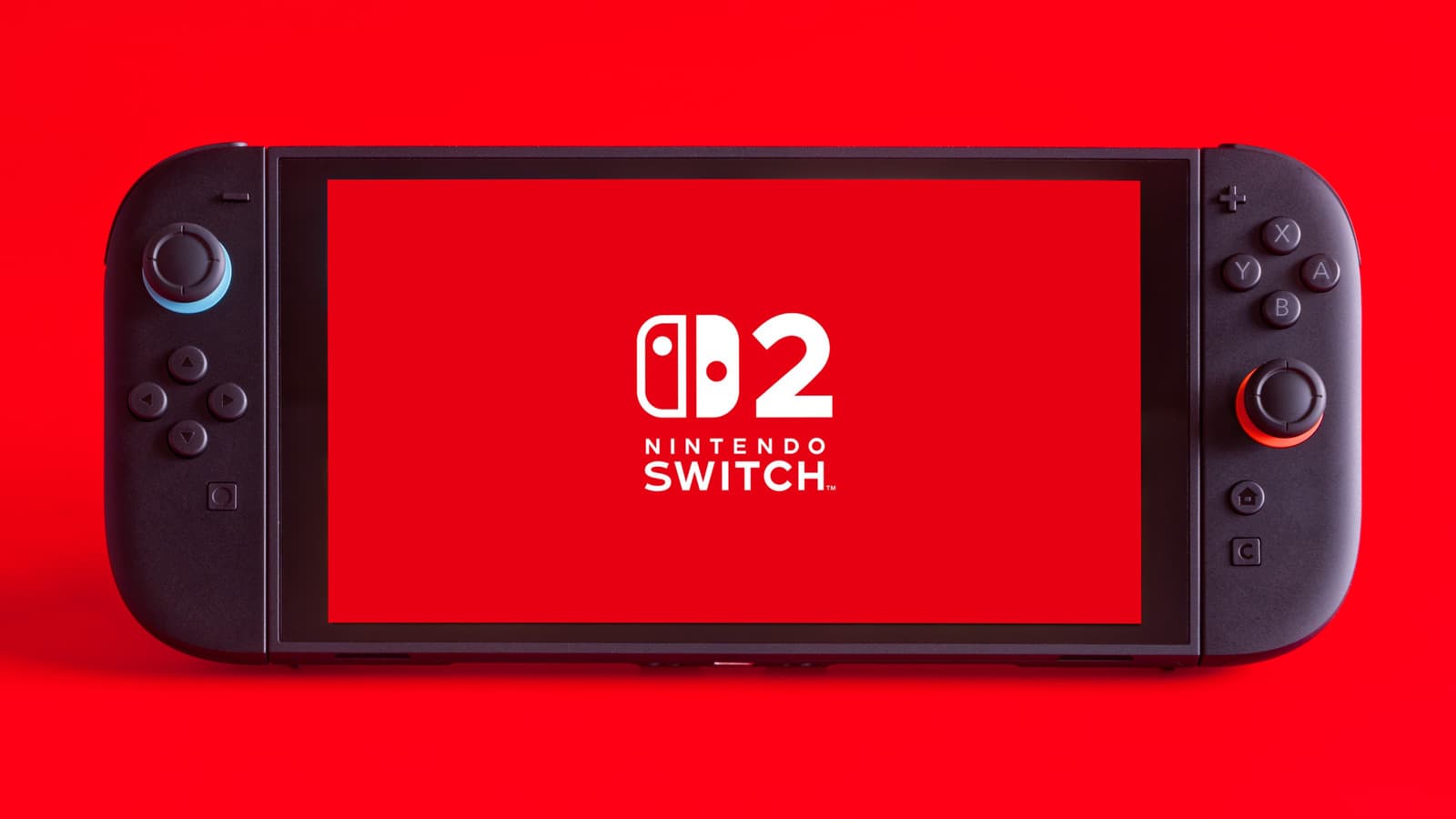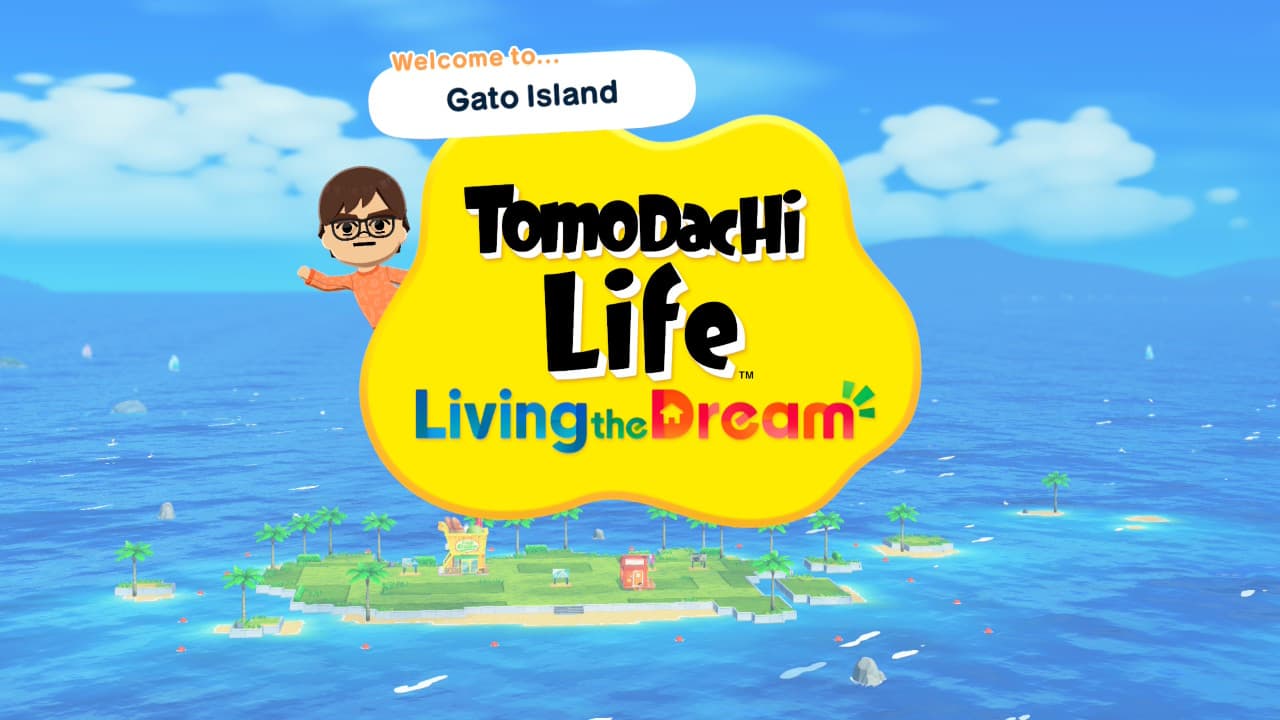
Nintendo has officially clarified long-standing questions about its upcoming life simulation game, Tomodachi Life: Living the Dream , via a newly published Japanese FAQ page. The title, slated for a worldwide release on April 16, 2026, will be the first in the series on the Nintendo Switch platform and introduces several key features and limitations that players should know before diving into the colorful world of Mii-based island life. Among the most notable disclosures are a strict cap of 70 Mii characters per island, confirmation that the game does not support the Nintendo Switch 2’s Handheld Mode Boost functionality, and official guidance on social media sharing policies—all of which have generated significant discussion among fans since the game’s reveal and demo launch.
Key Takeaways: What Players Need to Know About Tomodachi Life: Living the Dream
- Each island in the game will support a maximum of 70 Mii characters, a limit confirmed by Nintendo’s official FAQ.
- The game will run at 1080p in handheld mode on the Nintendo Switch 2 but does not utilize the system’s Handheld Mode Boost feature.
- Players can share images and videos of their gameplay on social media, provided they follow Nintendo’s copyright and platform-specific guidelines.
- Married couples in the game can have babies regardless of gender, expanding family-building options in the life sim.
- Mii data created in the game cannot be transferred to other Nintendo Switch titles or consoles, though Miis from the console can be used to create new island residents.
Nintendo’s Official FAQ Sheds Light on Long-Awaited Gameplay Details
The Japanese FAQ page, published on Nintendo’s official website, serves as the company’s first comprehensive response to fan inquiries about Tomodachi Life: Living the Dream since the game’s initial announcement and the release of the playable demo on the Nintendo eShop. The FAQ addresses a range of technical and gameplay-related questions, offering players clarity on everything from performance expectations on the upcoming Nintendo Switch 2 to the game’s approach to character creation and social sharing.
The 70 Mii Limit: A Strategic Design Choice or a Hardware Constraint?
One of the most debated limitations uncovered by dataminers earlier this year was the rumored cap of 70 Mii characters per island. Nintendo has now officially confirmed this restriction, which may influence how players design their island communities. The limit is particularly noteworthy given the life simulation genre’s penchant for sprawling, bustling environments filled with dozens of unique characters. Some players speculate that the cap is a deliberate design choice to maintain performance stability, especially on the Nintendo Switch 2, which will launch with enhanced processing capabilities. Others suggest it reflects Nintendo’s intent to encourage more curated, intentional island populations rather than overcrowded virtual spaces.
It’s worth noting that this isn’t the first time Nintendo has imposed such limits in its life sims. The original Tomodachi Life for the Nintendo 3DS allowed up to 100 Miis per island, though the exact reasoning behind the reduction to 70 remains unconfirmed. Players who previously enjoyed the 3DS version may need to adjust their expectations, as the Switch 2’s technical specifications—while improved—may still necessitate such constraints to ensure smooth gameplay.
Nintendo Switch 2 Performance: What the FAQ Reveals About Visuals and Gameplay
The FAQ provides critical insights into how Tomodachi Life: Living the Dream will perform on the Nintendo Switch 2, the successor to the wildly successful Nintendo Switch which has dominated the handheld gaming market since 2017. Unlike many modern titles that leverage the Switch 2’s new Handheld Mode Boost feature—an option that enhances performance in handheld mode—this game will not utilize the feature. Instead, it will render at a native 1080p resolution in handheld mode, regardless of whether Handheld Mode Boost is enabled.
Nintendo explains that enabling Handheld Mode Boost in the game’s trial version disables touch controls, which are essential for certain functions like Mii creation and the Item Workshop. The company recommends leaving Handheld Mode Boost turned off to retain full functionality, including touch input. A future system update will remove Handheld Mode Boost support from the trial version entirely, standardizing the experience for all players.
While the FAQ does not explicitly address docked performance, it implies that the game will take advantage of the Switch 2’s capabilities in other ways, such as reduced loading times and support for “Game Chat,” a feature enabled by a Nintendo Switch Online subscription. This feature allows players to chat with friends and share their screens during gameplay, adding a social layer to the experience. However, the game does not support the Switch 2’s Joy-Con 2 mouse function, meaning players will rely solely on button and touch controls.
Social Sharing and Copyright Guidelines: What Players Can and Cannot Do
In an era where social media sharing has become a cornerstone of gaming culture, Nintendo’s approach to content distribution for Tomodachi Life: Living the Dream strikes a balance between fan engagement and intellectual property protection. The FAQ explicitly states that players are permitted to post images and videos of the game on social media platforms, provided they adhere to Nintendo’s Guidelines for the Use of Nintendo’s Copyrighted Works on Network Services . This marks a notable shift from some of Nintendo’s past policies, which have historically restricted or outright banned certain types of content sharing.
However, the FAQ also includes an important caveat: images and videos captured within the game cannot be utilized with certain console functions. This includes transferring images to a smartphone, direct social media posting (via Nintendo Switch 2 features), or automatic image uploading—capabilities that are disabled for this title. Players will need to manually capture and upload their content, which may require additional steps compared to other Switch games that support these features natively.
This policy reflects Nintendo’s ongoing efforts to protect its intellectual property while still fostering a vibrant community around its games. The company has faced criticism in the past for overly restrictive content policies, particularly in titles like The Legend of Zelda: Breath of the Wild , where certain in-game screenshots were prohibited from being shared online. The more lenient approach here suggests a strategic pivot, possibly influenced by the success of games like Animal Crossing: New Horizons , which thrived on social sharing and player creativity.
Family Planning in Tomodachi Life: Gender-Neutral Relationships and Parenting
One of the most progressive aspects of Tomodachi Life: Living the Dream is its approach to relationships and family structures. The FAQ confirms that married couples—regardless of gender—can have babies, a feature that aligns with the game’s theme of simulating everyday life in a whimsical, Mii-based world. Players can select a Mii’s romantic partner from “Male,” “Female,” or “Other” categories, and the game will reflect the chosen relationship dynamically. This inclusivity extends to character creation, where players can assign a gender of “Other” to their Miis, further diversifying the game’s representation.
This feature is particularly significant in the context of Nintendo’s broader efforts to create more inclusive and representative gaming experiences. The original Tomodachi Life for the 3DS faced backlash in 2014 for its omission of same-sex relationships, a decision Nintendo later reversed in response to fan feedback. The inclusion of gender-neutral options in Living the Dream suggests that Nintendo has taken these concerns seriously, ensuring that players of all backgrounds can see themselves reflected in the game’s world.
Mii Data Management: What You Can and Cannot Transfer Across Platforms
The FAQ provides clear guidance on how Mii data can be managed and transferred, a topic that has long concerned players who invest time in crafting unique characters. One key limitation is that Mii characters created within Tomodachi Life: Living the Dream cannot be exported to other Nintendo Switch titles or consoles. This means that the adorable Mii you design for your island will remain exclusive to the game, unable to be used in Miitopia or shared across your Nintendo Switch library.
However, there is a workaround for players who already have Miis stored on their Nintendo Switch or Switch 2 consoles. Players can use these existing Miis to create new residents in Tomodachi Life . To do this, they must select “Mii” on the title screen, choose the Mii they wish to copy, and then select “To Nintendo Switch System.” It’s important to note that makeup and wigs applied to the Mii in Miitopia will not carry over, preserving the integrity of the character’s original design. This feature ensures that players can bring their existing Mii collections into Living the Dream , but it does not allow for the reverse transfer of data.
Save Data and Multiplayer: How the Game Handles Shared Consoles
For households with multiple players sharing a single Nintendo Switch or Switch 2 console, the FAQ clarifies that save data and islands are not shared between users. Each player registered on the console will have their own separate save file, and they can only have one save data file active at a time. This means that siblings or roommates cannot merge their islands or access each other’s progress, ensuring that each player’s experience remains unique.
This approach aligns with Nintendo’s typical handling of save data in multi-user environments, prioritizing individual experiences over shared progress. It also prevents potential conflicts or accidental overwrites, which could frustrate players who invest significant time into building their islands. For those looking to share their creations, Nintendo encourages social media sharing as the primary method for showcasing their islands and Miis to the broader community.
The Road Ahead: What’s Next for Tomodachi Life Fans
With the April 16, 2026 release date fast approaching, Nintendo’s FAQ serves as a critical resource for players eager to dive into Tomodachi Life: Living the Dream . The game represents a significant evolution for the franchise, transitioning from the Nintendo 3DS to the more powerful Switch 2 while introducing new features and addressing long-standing fan requests. The confirmation of the 70 Mii limit, social sharing policies, and Switch 2 performance details provides players with the information they need to prepare for the game’s launch.
For those who have already experienced the demo, the FAQ offers additional context and clarifications that may enhance their understanding of the full game. Nintendo has also hinted at further updates and optimizations leading up to the release date, including changes to the trial version’s Handheld Mode Boost support. As the gaming community continues to anticipate the launch, Tomodachi Life: Living the Dream stands poised to deliver a fresh take on the life simulation genre, blending creativity, social interaction, and Nintendo’s signature charm.
Frequently Asked Questions
Frequently Asked Questions
- Can I play Tomodachi Life: Living the Dream on both the Nintendo Switch and Nintendo Switch 2?
- Yes. The game is fully compatible with both the original Nintendo Switch and the upcoming Nintendo Switch 2. While the gameplay content remains the same, the Switch 2 version will feature reduced loading times and support for Game Chat, a feature that requires a Nintendo Switch Online subscription.
- Does Tomodachi Life: Living the Dream support the Nintendo Switch 2’s Handheld Mode Boost feature?
- No. The game will run at 1080p in handheld mode on the Switch 2 regardless of Handheld Mode Boost settings. Enabling Handheld Mode Boost in the trial version disables touch controls, and Nintendo recommends leaving it off for the best experience.
- Can I transfer Mii characters from Tomodachi Life: Living the Dream to other games or consoles?
- No. Mii data created within the game cannot be transferred to other Nintendo Switch titles or consoles. However, you can use Miis created on your Switch or Switch 2 console to create new residents in the game, though makeup and wigs from other titles won’t carry over.