
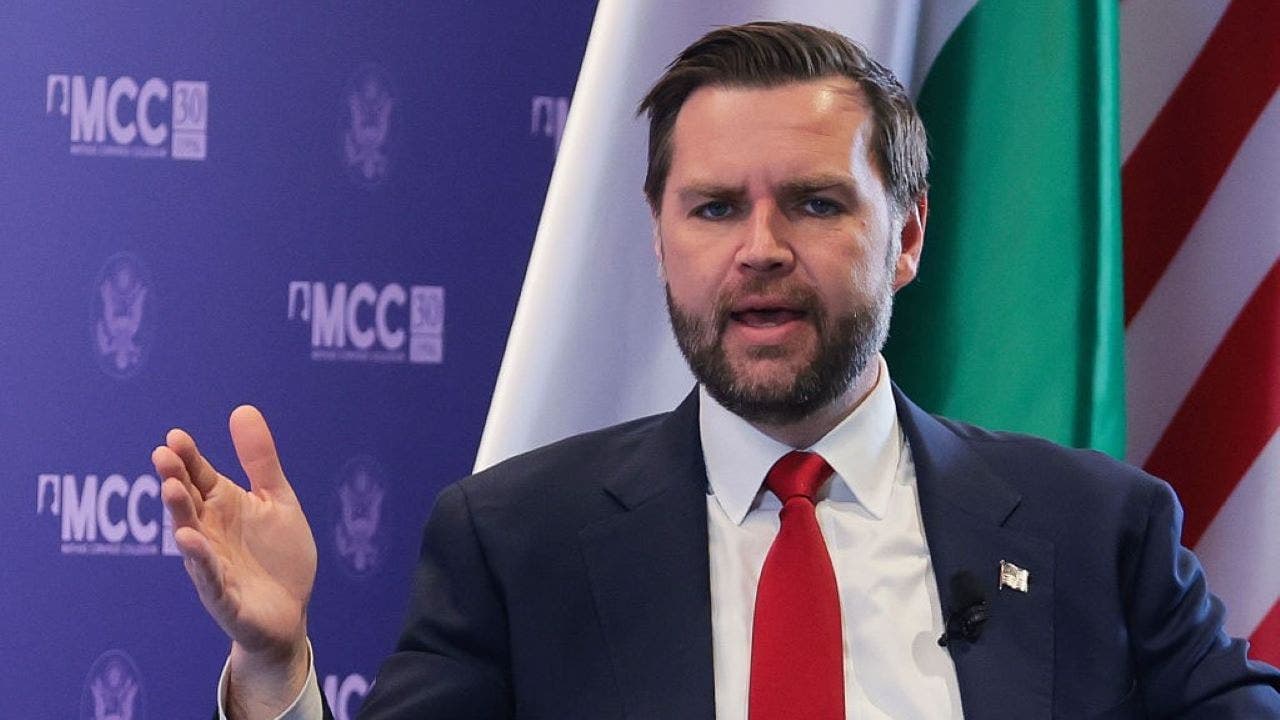
Vice President JD Vance delivered a stark warning to Iran on Wednesday, declaring the newly brokered ceasefire between the U.S. and Tehran is "fragile" and could collapse if the Islamic Republic fails to negotiate in good faith. Speaking at the Mathias Corvinus Collegium in Budapest, Hungary, Vance framed the truce as conditional on Iran’s immediate and unconditional reopening of the Strait of Hormuz—the critical chokepoint for global oil shipments—while emphasizing that President Donald Trump possesses "extraordinary economic leverage" and is prepared to act decisively if Tehran reneges on the agreement. The comments, made just hours after the ceasefire was announced, underscore the administration’s dual approach: pursuing diplomacy while maintaining a credible threat of military or economic retaliation. As Vance put it, Iran will "find out" that Trump "is not one to mess around."
The Fragile Truce: Conditions and Consequences of the Iran-US Ceasefire
The two-week ceasefire, announced in the eleventh hour before Trump’s threatened strike on Iranian energy infrastructure, hinges on Iran’s agreement to "the COMPLETE, IMMEDIATE, and SAFE OPENING of the Strait of Hormuz," a demand that reflects the administration’s prioritization of regional stability and global energy security. The truce, mediated by Pakistani Prime Minister Shehbaz Sharif, applies to all conflict zones, including Lebanon, and is contingent on reciprocal actions from both sides. Iranian Supreme National Security Council officials responded with a 10-point proposal outlining terms for a broader peace deal, which U.S. officials described as a "workable basis for negotiation."
Iran’s 10-Point Proposal: A Path to Peace or a Stalling Tactic?
Iran’s proposal, submitted through diplomatic channels, includes a commitment to halt defensive operations if attacks against Iran cease, as well as a framework for future negotiations. The document acknowledges Pakistani mediators’ "tireless efforts" and frames the ceasefire as a temporary measure while broader disputes—including nuclear ambitions and regional proxy conflicts—remain unresolved. Analysts note that while the proposal signals Iran’s willingness to engage, its terms may be designed to buy time or extract concessions rather than represent a genuine shift in policy. The U.S. response, as outlined by Vance, suggests skepticism tempered by cautious optimism, with officials describing the proposal as a starting point rather than a final agreement.
JD Vance’s Warning: Trump’s Leverage and the Threat of Escalation
Vice President JD Vance’s remarks in Budapest were not merely diplomatic posturing; they were a calculated display of the administration’s strategic assets. Vance highlighted three pillars of U.S. leverage: military strength, diplomatic channels, and—most critically—economic pressure. The latter includes sanctions that have crippled Iran’s oil exports and restricted its access to international financial systems. By framing the ceasefire as a test of Iran’s intentions, Vance implicitly warned that the U.S. is prepared to escalate if Tehran is perceived as acting in bad faith. "We still have clear military, diplomatic and, maybe most importantly, we have extraordinary economic leverage," Vance stated. "The President has told us not to use those tools. He’s told us to come to the negotiating table. But if the Iranians don’t do the exact same thing, they’re going to find out that the President of the United States is not one to mess around."
The Strait of Hormuz: Why This Waterway Is the Center of the Crisis
The Strait of Hormuz, a narrow waterway between Iran and Oman, is the world’s most critical oil chokepoint, with approximately 20% of global oil supply passing through it daily. Any disruption—whether through military action, sabotage, or blockades—could trigger a global energy crisis, sending oil prices soaring and destabilizing economies worldwide. Iran has previously threatened to close the strait in response to sanctions or perceived aggression, most notably in 2019 and 2021, when it seized foreign oil tankers or conducted missile tests near the waterway. The Trump administration’s insistence on its immediate reopening reflects a broader strategy to prevent Iran from using its geographic advantage as a bargaining chip in negotiations. As geopolitical analysts note, control over the strait is not just a regional issue but a global one, with implications for energy markets, inflation, and international security.
Pakistan’s Role: From Mediator to Architect of the Islamabad Talks
Pakistan has emerged as an unlikely but pivotal mediator in the U.S.-Iran ceasefire, leveraging its historical ties to both nations. Prime Minister Shehbaz Sharif announced the truce in a statement, framing it as a "sagacious gesture" and inviting both delegations to Islamabad for further negotiations on April 10, 2026. Sharif’s statement emphasized Pakistan’s commitment to "peace and stability" in the region, positioning the country as a neutral arbiter amid escalating tensions. While Pakistan’s influence is limited compared to traditional mediators like Turkey or Oman, its geographic proximity and diplomatic relationships with both the U.S. and Iran have made it a key player in de-escalation efforts. The "Islamabad Talks," as they’ve been dubbed, represent a rare moment of potential progress in a conflict that has simmered for decades.
Historical Context: From Obama’s Nuclear Deal to Trump’s Maximum Pressure
The current ceasefire negotiations occur against a backdrop of decades of U.S.-Iran hostility, punctuated by moments of diplomatic breakthrough and violent confrontation. The 2015 Joint Comprehensive Plan of Action (JCPOA), brokered under President Barack Obama, temporarily curbed Iran’s nuclear program in exchange for sanctions relief—a deal Trump withdrew from in 2018, reimposing crippling sanctions under his "maximum pressure" campaign. Since then, tensions have escalated, with incidents like the 2020 assassination of Iranian General Qasem Soleimani and the 2023 attacks on oil tankers in the Gulf of Oman. The Trump administration’s approach has been characterized by a willingness to use military force, as seen in the 2020 strike that killed Soleimani, while simultaneously pursuing direct negotiations—a strategy Vance’s remarks suggest is being deployed again.
What’s Next? The Timeline and Potential Outcomes of the Ceasefire
The two-week ceasefire, set to expire on April 22, 2026, provides a narrow window for both sides to demonstrate good faith. If Iran complies with the Strait of Hormuz conditions, negotiations will proceed in Islamabad, with the goal of reaching a broader peace deal. Failure to meet the terms could result in Trump’s threatened military action, which Vance’s comments suggest is imminent. Analysts are divided on the likely outcome: some believe the ceasefire is a genuine opportunity for dialogue, while others see it as a temporary lull in hostilities designed to regroup for a more aggressive stance. As Senator Marco Rubio noted during a recent appearance, Iran’s ambitions—to become "the next North Korea"—remain a core concern, and the U.S. is unlikely to accept anything less than a comprehensive resolution.
Key Takeaways: What Americans Need to Know About the Iran Ceasefire
- The U.S.-Iran ceasefire is fragile and conditional on Iran reopening the Strait of Hormuz, a critical global oil chokepoint.
- Vice President JD Vance warned Iran that President Trump is prepared to use military and economic leverage if the truce is violated.
- Iran submitted a 10-point proposal for broader peace talks, which the U.S. described as a "workable basis" for negotiation.
- Pakistan is mediating the talks, with further negotiations scheduled for April 10, 2026, in Islamabad.
- The ceasefire’s outcome could shape regional stability, global energy markets, and U.S. foreign policy for years to come.
Expert Analysis: Is This Ceasefire a Turning Point or a Temporary Pause?
Geopolitical experts are split on whether the ceasefire represents a meaningful shift or merely a tactical pause. Dr. Vali Nasr, a Middle East scholar at Johns Hopkins University, argues that the U.S. is leveraging its economic power to force Iran to the table, a strategy that could yield results if backed by credible threats. "Trump’s approach combines pressure with diplomacy, which has worked in the past," Nasr said. "The key will be whether Iran sees the benefits of compliance outweighing the costs of defiance." Others, like Dr. Trita Parsi of the Quincy Institute, caution that Iran’s proposal may be a stalling tactic. "History shows that Iran often uses negotiations to buy time while continuing its regional activities," Parsi noted. "The U.S. must ensure that any deal includes ironclad verification mechanisms."
The Broader Implications: Energy Markets, Inflation, and Global Stability
The outcome of the U.S.-Iran ceasefire has implications far beyond the Middle East. Global oil markets, already sensitive to geopolitical risks, could react sharply to any disruption in the Strait of Hormuz. The U.S. Energy Information Administration estimates that a prolonged closure of the strait could push oil prices above $120 per barrel, triggering inflationary pressures worldwide. Additionally, the ceasefire’s success or failure could influence other regional conflicts, including the war in Yemen and tensions between Israel and Iran-backed groups like Hezbollah. For the Trump administration, the stakes are high: a successful negotiation would strengthen its foreign policy legacy, while a collapse could reignite military tensions and further strain global supply chains.
Frequently Asked Questions
- What are the specific conditions Iran must meet to maintain the ceasefire?
- Iran must agree to the "COMPLETE, IMMEDIATE, and SAFE OPENING of the Strait of Hormuz" and halt any defensive operations if attacks against Iran cease. The truce also requires Iran to engage in good faith during negotiations for a broader peace deal.
- How long will the ceasefire last, and what happens if it expires?
- The ceasefire is set to last for two weeks, expiring on April 22, 2026. If Iran fails to meet the conditions or negotiations stall, President Trump has threatened to resume military action against Iranian energy infrastructure.
- What role is Pakistan playing in the U.S.-Iran negotiations?
- Pakistan, under Prime Minister Shehbaz Sharif, is mediating the talks and has invited both delegations to Islamabad for further negotiations on April 10, 2026. Pakistan’s geographic proximity and diplomatic ties to both the U.S. and Iran have made it a key player in de-escalation efforts.

