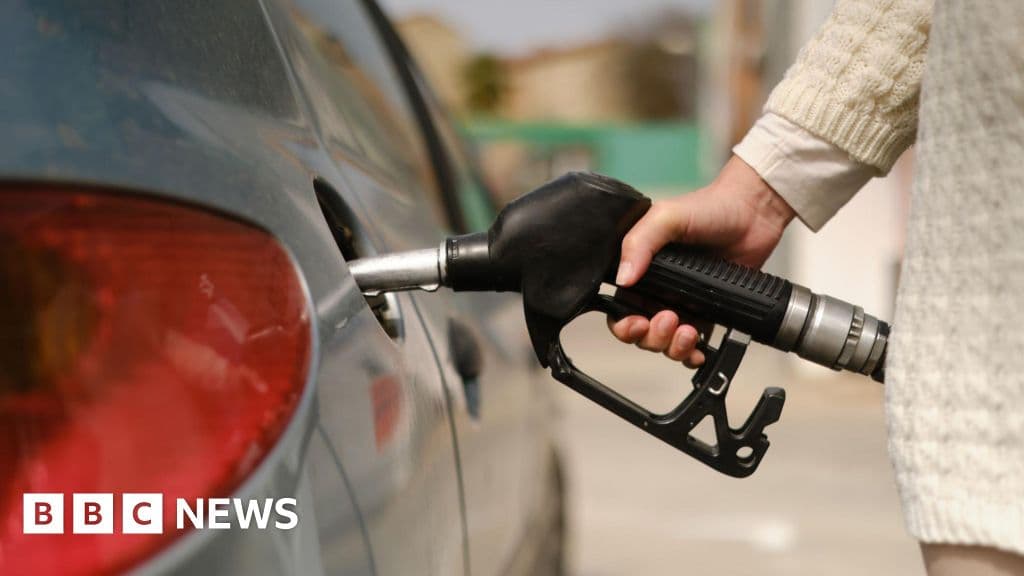
G7 nations have said they would support the collective release of oil from their reserves to tackle soaring prices since the start of the US-Israel war with Iran.
The group of countries has been meeting with the International Energy Agency (IEA), which is reported to be readying its biggest ever intervention in the oil market on Wednesday afternoon.
The conflict has caused oil exports through the vital Strait of Hormuz - which carries a fifth of global oil supplies - to virtually stop and production in the region to slump.
Prices have jumped since the conflict started but stabilised following reports that oil could be released from countries' stockpiles though some experts say the move would only be a short-term solution.
According to reports, the IEA could release 300 to 400 million barrels of oil — more than double the amount it released following Russia's full-scale invasion of Ukraine in early 2022.
Following a meeting with the IEA on Wednesday, G7 energy ministers said: "In principle, we support the implementation of proactive measures to address the situation, including the use of strategic reserves."
All IEA member countries are required to keep 90 days' worth of their nation's oil use in reserve in case of global disruption.
The oil itself is not in a single place. For example, producers like Shell and BP keep stocks at terminals and refineries around the UK and can earmark stocks held elsewhere as counting towards their reserves.
When it is released, it does not mean a sudden flood of new oil starts moving.
Instead, producers will make more available in the market for refineries to order, though energy analysts have told the BBC that there is a shortage of refining capacity.
The other issue with releasing reserves is that it is not something you can do again.
"Once you release them, they don't exist," Nick Butler, former head of strategy at BP, told the BBC.