A Nepalese hydropower worker says he ran for about 20 minutes as floodwater surged into a tunnel where he and dozens of colleagues were working. Pemba Dundu Tamang escaped, but six members of his family were killed when the same disaster destroyed homes along the Trishuli River. Nepal’s death toll has surpassed 1,000 following last week’s devastating flash floods, while about 4,000 people remain missing, according to officials. Rescue teams are now focusing on hydropower tunnels where potentially hundreds of workers could still be trapped.
The Floodwater Rushed Into the Tunnel
Tamang was working with a team of about 30 people on the concrete lining of a tunnel when a sudden blast of air sent plywood and heavy machinery flying. Outside, homes had already been swept away. Tamang ran toward the tunnel entrance as water followed behind him. He said he was almost unconscious from shock and struggled to think clearly as he fled. His colleague Itha Ghale also described the force of the initial gust, saying it nearly knocked the workers off their feet as they ran.
Dozens of Hydropower Workers Escaped
Tamang estimates that about 50 to 60 workers managed to escape the tunnel with him. The group eventually found refuge in the village of Shanti Bazar, where they remained for two days before being rescued by the army. Tamang believes more people could have survived if better resources had been available. The danger is particularly serious because hydropower workers operate across a large network of tunnels along the river. Engineers have been pumping air into some of the tunnels as rescue crews search for people who may still be alive.
Families Were Swept Away Along the River
For Tamang, escaping the tunnel brought another devastating discovery. When he returned toward his home, he could see where the house had stood, but nothing remained. Six relatives were missing or presumed dead, including his mother, elder brother, sister-in-law and three children. His wife, son and one nephew survived. Ghale said eight members of his family were lost, including his mother and eldest daughter. His wife and three sons survived. The survivors are now facing a future without many of the people closest to them.
Nepal Depends Heavily on Hydropower
More than 99% of Nepal's electricity comes from hydropower, making the damaged projects crucial to the country's power supply. Tamang and Ghale were working on the Upper Trishuli 3B Hydropower Project, a major facility that was scheduled to open next year. The project was designed to reuse water from a hydroelectric plant farther upstream, generating additional electricity for Nepal's national grid. The disaster has now placed both the infrastructure and the workers who build it at the center of the rescue effort.
Scientists Point to Warning Signs Before the Disaster
A new report cited evidence that conditions around the glacier were becoming increasingly unstable before the disaster. Satellite imagery showed faster movement across the glacier surface, brown meltwater and a developing crack in surrounding rock, according to experts from the Asian Mountain Academic Alliance, the Stimson Centre and China's Institute of Mountain Hazards and Environment. Scientists said those changes can indicate growing instability in the mountains. The avalanche itself moved too quickly for conventional warnings to protect people closest to it. Farther downstream, however, researchers said the flood took 10 minutes or more to arrive, potentially providing enough time for a comprehensive warning system to save lives.
Rescue Crews Search Damaged Tunnels
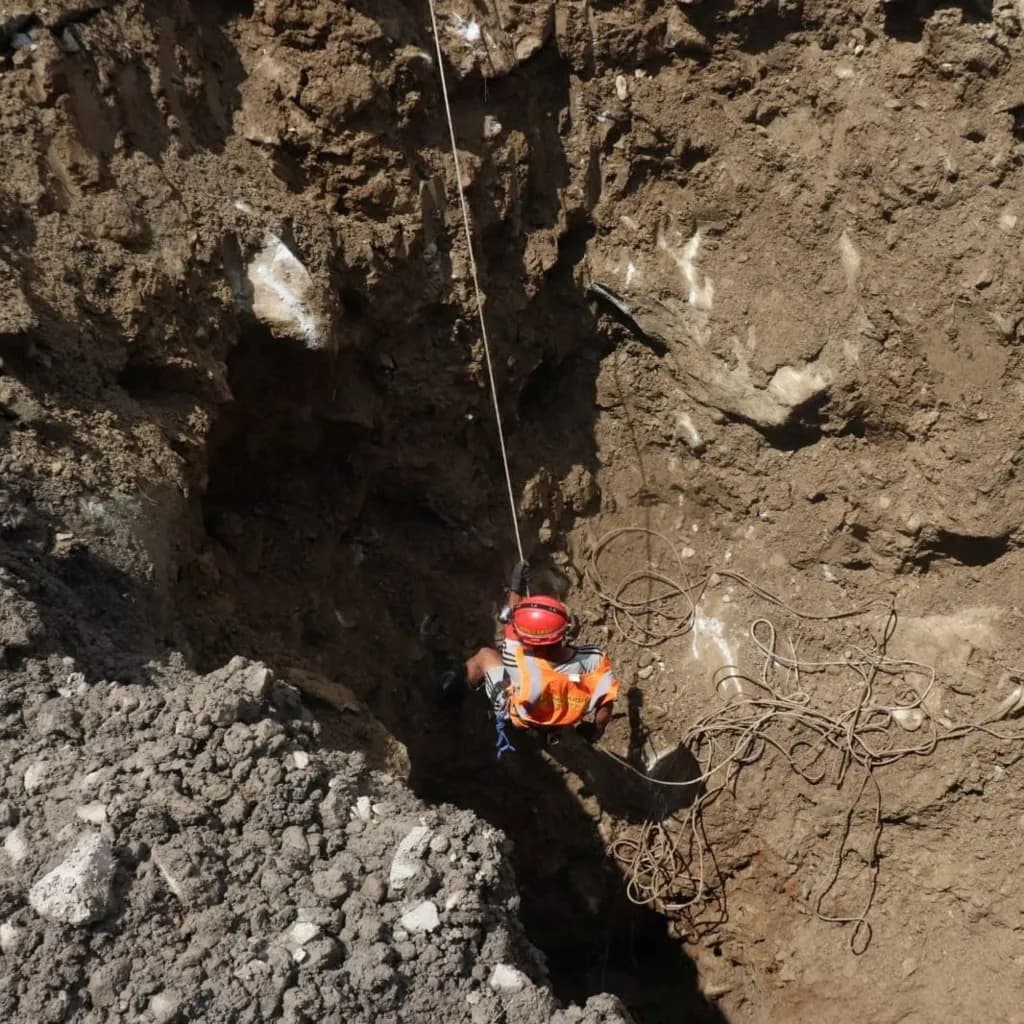
Specialists from China, India and Nepal are continuing to clear debris from hydropower sites using excavators and heavy machinery. The Nepal Army says search-and-rescue operations remain focused on the tunnels. Soldiers are also collecting bodies and working to prevent disease from spreading. Tamang remains hopeful that some workers trapped inside the tunnels can still be rescued.
What Comes Next
Rescue teams will continue clearing debris and searching hydropower tunnels for missing workers as Nepal confronts the scale of the disaster. For survivors such as Tamang and Ghale, the rescue effort is also deeply personal. They are waiting to learn what happened to colleagues and relatives while confronting the loss of homes, livelihoods and family members.
FAQ
How long did the Nepal flood survivor run from the water?
Pemba Dundu Tamang said he ran for about 20 minutes as floodwater chased him through and out of a hydropower tunnel.
How many people are missing after the Nepal floods?
Officials say about 4,000 people are missing following the devastating floods.
How many people have died in the Nepal floods?
Nepal’s death toll has exceeded 1,000, according to the source material.
Why are hydropower tunnels a major focus of the rescue effort?
Potentially hundreds of workers may be missing from hydropower sites along the river, prompting rescue teams to search damaged tunnels.
Could earlier warnings have saved lives?
Scientists said a comprehensive warning system might have saved significant numbers of people farther downstream, where the flood took 10 minutes or more to arrive.