Epicenter and Timing
The earthquake struck at approximately 7:34 a.m. local time on Monday, August 10, 2026, with its epicenter near San José del Palmar in the Chocó department on Colombia's Pacific coast. Depth estimates varied by source, ranging from roughly 79 to 107 kilometers below the surface. Deeper earthquakes tend to cause less surface destruction than shallower ones of comparable magnitude, though the shaking was still felt across a wide region. Colombia's national disaster risk management agency, the Unidad Nacional para la Gestión del Riesgo de Desastres (UNGRD), took charge of coordinating the emergency response in the hours that followed.
How Far the Shaking Reached
Strong shaking was reported across several major Colombian cities, including Bogotá, Cali, Medellín, Pereira, and Quibdó. Residents in Ecuador and Panama also reported noticeable movement. In Bogotá, some buildings were evacuated as a precaution. The capital sits more than 400 kilometers from the epicenter, which underscores just how far the earthquake's energy traveled.
Casualties and Damage
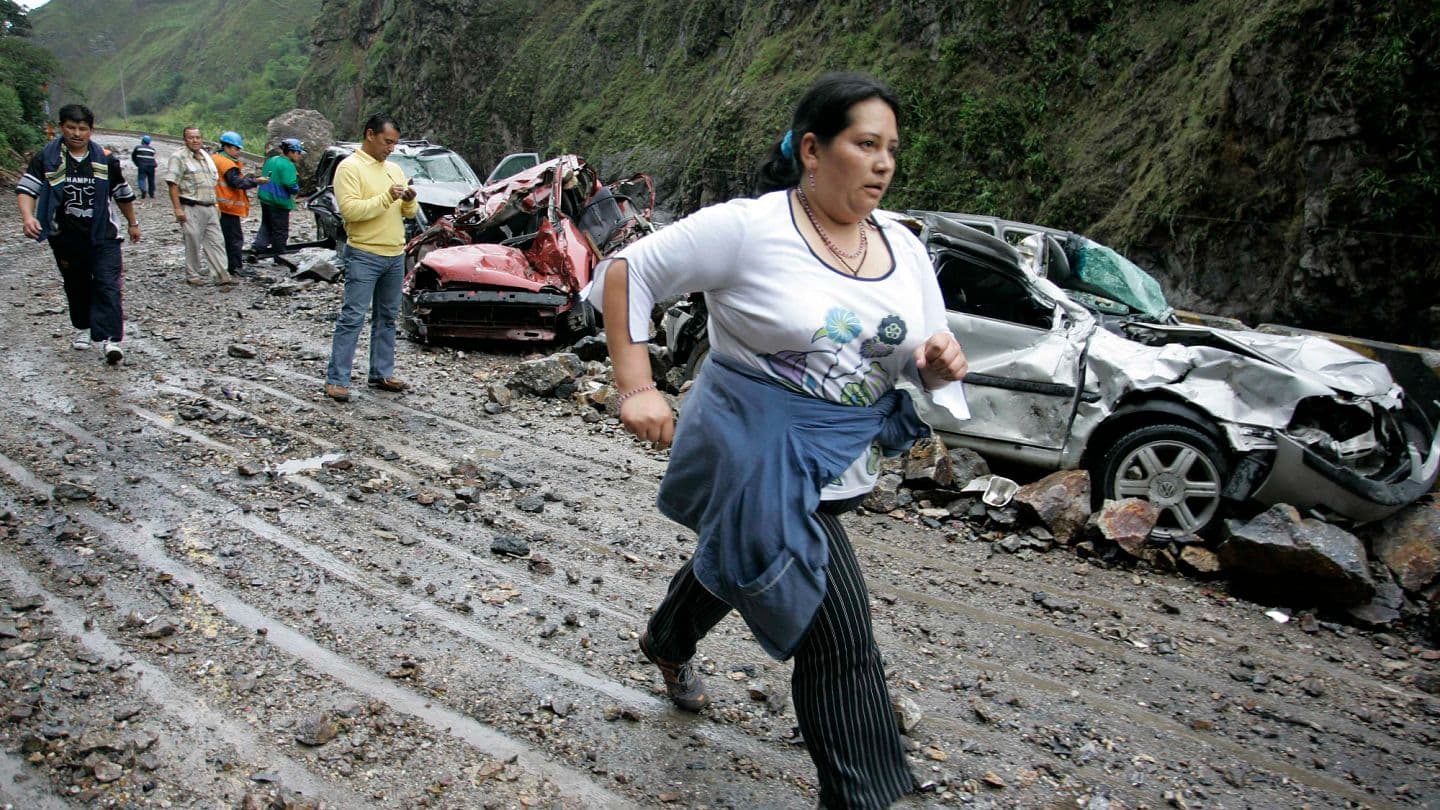
At least 22 people were confirmed dead, according to ColombiaOne and the Miami Herald. Al Jazeera reported at least 20 deaths in early coverage, a figure that climbed as rescue teams and assessment crews reached affected areas. UNGRD and local authorities were working to account for the injured and evaluate structural damage across Chocó and surrounding regions. Detailed damage tallies were still being compiled at the time of initial reports. No additional casualty or damage figures beyond those confirmed by named sources have been included here.
See footage shared on X from the quake zone: Watch here
Aftershock and Tsunami Assessment
Colombia's SGC reported a magnitude 4.6 aftershock following the main event. Aftershocks are a standard feature of large earthquakes and can complicate rescue operations while putting further stress on already damaged structures. The US Tsunami Warning System determined there was no tsunami threat. Colombia's Pacific coast sits in a seismically active zone, but the depth of this quake and its specific characteristics did not produce the kind of seafloor displacement needed to generate a destructive wave.
International Response
Israel's Foreign Minister Gideon Sa'ar offered assistance to Colombia in the wake of the earthquake, according to France 24. The offer came among the first international responses as the scope of the disaster became clearer. Colombia's government had not issued a formal statement on foreign aid acceptance at the time of initial reporting.
Colombia's Seismic Context
Colombia sits at the convergence of several tectonic plates, making it one of the more seismically active countries in South America. The Chocó region is particularly exposed to that risk. The country has lived through destructive earthquakes before, including the 1999 Armenia earthquake that killed more than 1,000 people and a 1979 offshore quake that sent a tsunami along the Pacific coast. Monday's event ranks among the strongest to hit the country in recent years and will likely renew scrutiny of building standards and emergency preparedness in vulnerable Pacific coast communities.