The Trump administration's decision to ease sanctions on Russian oil sales has ignited fierce opposition from Ukrainian President Volodymyr Zelensky and key European leaders, who argue that the move will inject billions of dollars into the Kremlin's war chest and significantly reduce prospects for a negotiated end to the nearly three-year conflict in Eastern Europe. Announced amid escalating tensions in the Middle East between the United States, Israel, and Iran, the sanctions relaxation has prompted sharp rebukes from France, Germany, the European Union, and the United Kingdom—all of whom fear that additional revenue streams for Moscow will enable the Russian military to sustain and intensify its invasion of Ukraine precisely when the country had begun recovering from a brutal winter and reclaiming territory.
European Leadership Condemns Sanctions Easing as Unjustified
The diplomatic backlash from America's closest allies has been swift and unambiguous. French President Emmanuel Macron declared there was "no justification" for the decision, reflecting Paris's longstanding position that maximum economic pressure on Russia remains essential to forcing Moscow to the negotiating table. German Chancellor Friedrich Merz characterized the move as "wrong," signaling Berlin's concern that the easing of sanctions contradicts the unified Western strategy toward Russia that has been painstakingly maintained since the February 2022 invasion. European Council President Antonio Costa added his voice to the criticism, calling the development "very concerning" and underscoring the anxiety among EU capitals that Washington may be abandoning the collective sanctions regime that has been instrumental in constraining Russian military capabilities.
Financial Windfall: How $10 Billion in New Oil Revenue Could Reshape the War
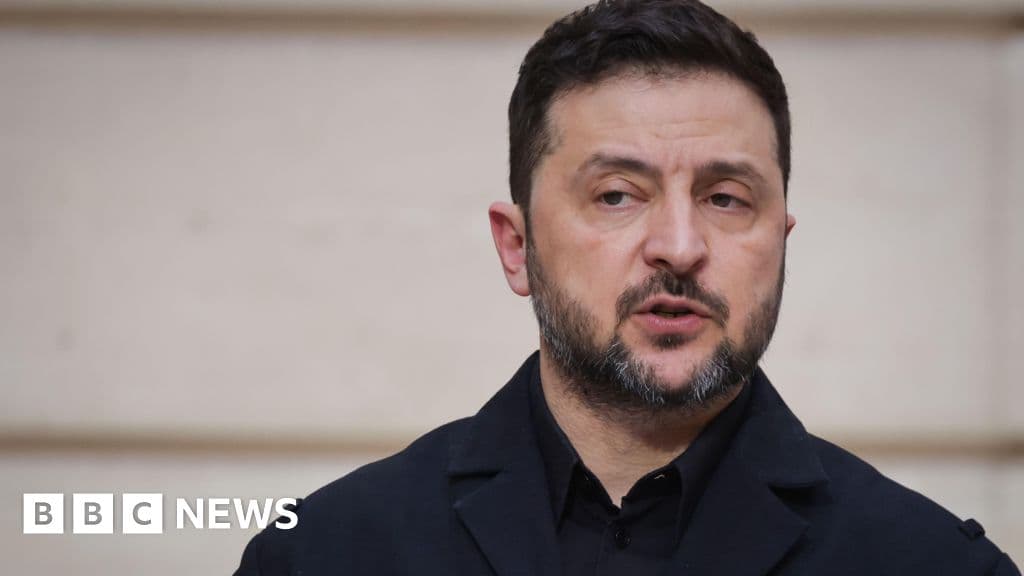
During a press conference in Paris following meetings with French officials, President Zelensky quantified the stakes of the American decision with striking precision. The Ukrainian leader estimated that the sanctions easing alone would be worth approximately $10 billion (£7.5 billion) to Russia—a staggering sum that represents a meaningful injection of capital into an economy already strained by nearly three years of intensive military spending and Western economic pressure. "This certainly does not help peace," Zelensky stated, articulating the fundamental concern shared across Ukraine's government and its European partners: that additional revenue directly translates into expanded military capacity and prolonged conflict.
The economic logic underlying this concern is straightforward but consequential. Russia's fiscal position has deteriorated significantly in recent months as military expenditures have consumed an ever-larger share of government revenues. To maintain funding for its war effort, the Kremlin has been forced to undertake increasingly desperate measures, including liquidating portions of its gold reserves and implementing consumption tax increases that have put additional strain on ordinary Russian citizens. With the sanctions easing providing a substantial new revenue source through expanded oil sales, Russian policymakers will gain considerably more flexibility in their defense budgets, enabling them to procure additional weapons systems, recruit and maintain larger military forces, and sustain the grinding attrition that has characterized the war's recent phase. Intelligence assessments indicate that Russia continues to suffer approximately 1,000 casualties—both killed and wounded—nearly every day, a rate of loss that has begun to strain the country's recruitment and replacement capabilities. Expanded oil revenues would directly alleviate this constraint, allowing Moscow to offer higher military salaries and bonuses to attract recruits.
The Timing Problem: Why Sanctions Easing Arrives at the Worst Possible Moment
From the perspective of Ukrainian and European strategists, the timing of the American decision could hardly be worse. Ukraine has navigated an extraordinarily difficult winter campaign while simultaneously achieving modest but meaningful territorial gains against Russian forces. Ukrainian forces have also conducted successful strikes against military targets deep within Russian territory, demonstrating improved operational capability and resilience despite severe resource constraints. Simultaneously, the Russian economy was beginning to show signs of genuine stress, with recruitment challenges intensifying and financial pressures mounting on the state budget.
The sanctions easing fundamentally alters this strategic calculus. By providing Russia with an economic boost precisely when Ukrainian momentum was building and Russian constraints were tightening, the American decision threatens to reset the military balance and extend the timeline for any potential resolution. European officials fear that this temporary relaxation of sanctions pressure could become permanent, establishing a new baseline for American policy that would permanently undermine the sanctions regime that has been central to Western strategy since 2022. A spokesman for UK Prime Minister Sir Keir Starmer emphasized this concern, stating that "all allies should maintain pressure on Russia and its war chest" and that "the best way to continue to stop Russia supporting hostile actors is to continue on collective pressure and end the war in Ukraine."
Ukraine's Financial Crisis and the Hungary Pipeline Dispute
Compounding the challenges created by the American sanctions easing, Ukraine itself faces an acute financial crisis that undermines its capacity to sustain the war effort. The European Union has pledged €90 billion ($103 billion; £77 billion) in financial support to Kyiv, but the disbursement of these critical funds has been delayed by a contentious dispute with Hungary, which has blocked approval of the aid package. This funding shortfall comes at a moment when Ukraine's defense budget is already stretched to its limits and when every dollar becomes essential to maintaining military operations and civilian infrastructure.
Adding another layer of complexity to Ukraine's financial troubles is a dispute with Budapest over the Druzhba pipeline, a critical energy infrastructure corridor that passes through Ukrainian territory. Russian strikes damaged the pipeline in January, and it normally carries Russian oil to Hungary and other European destinations. Budapest has accused Kyiv of deliberately delaying repairs to the pipeline, while Ukrainian authorities contend that the damage is severe and will require substantial time to remediate. The dispute has become entangled with the broader EU funding question, creating a situation where Ukraine faces simultaneous pressure from multiple directions: it needs EU financial assistance, it must manage a critical infrastructure dispute with a NATO ally, and it must now contend with an American decision that strengthens its primary adversary economically.
Middle East Conflict's Ripple Effects on Ukraine Strategy
The Trump administration's decision to ease Russian oil sanctions is inextricably linked to broader developments in the Middle East. The ongoing conflict between the United States and Israel against Iran, combined with Iranian retaliation against American allies in the Persian Gulf region, has created significant disruptions to global energy markets. With major energy producers affected by regional instability, world oil prices have risen, and American policymakers have evidently concluded that easing sanctions on Russian oil exports serves the strategic purpose of increasing global energy supply and moderating price pressures.
However, this calculus appears to have been made without adequately accounting for the views and concerns of Ukraine and its European allies. The decision represents a unilateral American approach to energy security that prioritizes Middle Eastern concerns over the unified Western strategy toward Russia that has been maintained since the 2022 invasion. Trump administration envoys have been leading diplomatic efforts to end the Ukraine war, yet the sanctions easing suggests that these peace negotiations may not be progressing in ways that align with American interests, or that energy security considerations have been weighted more heavily than the advice of Ukrainian and European partners.
Prospects for Peace Negotiations and Collective Pressure
The broader implication of the sanctions easing is that prospects for meaningful progress in peace negotiations have likely diminished in the near term. When one party to a conflict—in this case, Russia—receives an economic boost while simultaneously facing reduced international pressure, the incentives for negotiated settlement weaken considerably. Moscow gains additional resources to pursue military objectives while facing fewer costs for continued conflict, a dynamic that historically extends wars rather than shortens them.
European chancelleries now face the prospect that the collective pressure strategy that has been fundamental to Western policy may be fragmenting. The United States, under President Trump, previously imposed sanctions on countries purchasing Russian oil and gas, including major consumers like India. The reversal of this approach signals a significant shift in American policy direction and raises questions about whether the unified Western sanctions regime can be maintained if the United States itself is easing pressure on Russian energy exports. For now, the collective pressure that has characterized Western strategy since 2022 is being reduced, and the Kremlin is positioned to benefit substantially from this strategic divergence among its opponents.
- The Trump administration's decision to ease sanctions on Russian oil sales has drawn sharp criticism from Ukrainian President Zelensky and European leaders including Macron, Merz, and Costa, who fear it will prolong the war.
- President Zelensky estimated the sanctions easing will provide Russia with approximately $10 billion in additional revenue, enabling expanded military spending and weapons procurement.
- The timing of the sanctions relaxation is strategically damaging to Ukraine, arriving precisely when the country had begun recovering from winter and achieving territorial gains while Russia faced recruitment and financial constraints.
- Ukraine faces a simultaneous financial crisis as €90 billion in EU aid remains delayed by disputes with Hungary over pipeline repairs and funding approval.
- The sanctions easing reflects Trump administration prioritization of Middle East energy security over the unified Western strategy toward Russia, raising questions about the sustainability of the collective sanctions regime.
Key Takeaways
Frequently Asked Questions
- Why did the Trump administration ease sanctions on Russian oil sales?
- The decision was made amid escalating tensions in the Middle East between the United States, Israel, and Iran, which have disrupted global energy markets and raised oil prices. American policymakers determined that easing Russian oil sanctions would increase global energy supply and help moderate price pressures, prioritizing energy security concerns over the unified Western sanctions strategy toward Russia.
- How much additional revenue could Russia gain from the sanctions easing?
- President Zelensky estimated that the sanctions easing alone would be worth approximately $10 billion (£7.5 billion) to Russia. This substantial injection of capital would enable the Kremlin to expand military spending, increase weapons procurement, and sustain higher recruitment levels for its military forces.
- What impact could the sanctions easing have on peace negotiations?
- European leaders and Ukrainian officials fear the sanctions easing will reduce prospects for negotiated settlement by strengthening Russia's economic position while decreasing international pressure for peace. When a party to a conflict gains economic resources while facing reduced costs for continued conflict, historical precedent suggests wars extend rather than shorten, making meaningful peace progress less likely in the near term.