The United Nations' historic vote to classify transatlantic slavery as the 'gravest crime against humanity' has ignited a new era of global advocacy for reparations, with the African Union (AU) at the forefront. The resolution, passed by 123 member states at the UN General Assembly, represents a rare moment of collective action against a historical wrong that has long been shrouded in legal and political ambiguity. While Western nations abstained or opposed the vote, the decision has energized leaders like Ghana's President John Mahama, who has become a symbol of resistance to the status quo. The resolution, which passed with a narrow majority, is a critical step in the fight to hold historical perpetrators accountable and ensure justice for descendants of enslaved Africans.
The UN's Landmark Resolution on Transatlantic Slavery
A Global Definitive Statement on a Centuries-Old Sin
The UN's resolution, which declared transatlantic slavery the 'gravest crime against humanity,' marks a historic shift in the global conversation about historical atrocities. The vote, which saw 123 states in favor, was a rare display of international consensus on a subject that has long been contested. The resolution, which was the result of months of negotiations and advocacy by African and diaspora leaders, is a powerful statement that redefines the legal and moral framework for addressing the legacy of slavery. The decision to label the practice as a 'gravest crime' is a direct challenge to the legal and political arguments used by Western nations to justify their historical role in the transatlantic slave trade.
A Fractured Global Response to a Controversial Vote
The vote was not without controversy, as Western nations, including the US, UK, and EU members, abstained or opposed the resolution. The US ambassador to the UN, Dan Negrea, explicitly rejected the idea of reparations for historical wrongs, arguing that the legal framework for such claims did not exist at the time of the transatlantic slave trade. This opposition, which came from states that were central to the development of the system, has created a deep divide in the global response. However, the resolution's passage has been met with widespread support from Africa, the Caribbean, and the Arab world, who have a direct historical connection to the transatlantic slave trade.
The African Union's Reparations Campaign
A Decade-Long Fight for Justice and Recognition
The African Union's 'Decade of Reparations' (2026-2036) is a direct response to the UN's resolution, with Ghana's President John Mahama serving as the lead advocate. The initiative, which was announced in 2022, is a bold attempt to create a global framework for reparations, including financial compensation, policy changes, and the recognition of the historical wrongs of slavery. Mahama, who has been a vocal critic of Western influence in Africa, has used the UN vote as a platform to push for a new era of accountability. The AU's plan includes a framework for reparatory justice, which will be developed in collaboration with descendants of enslaved people and international partners.
The Role of Key Figures in the Reparations Movement
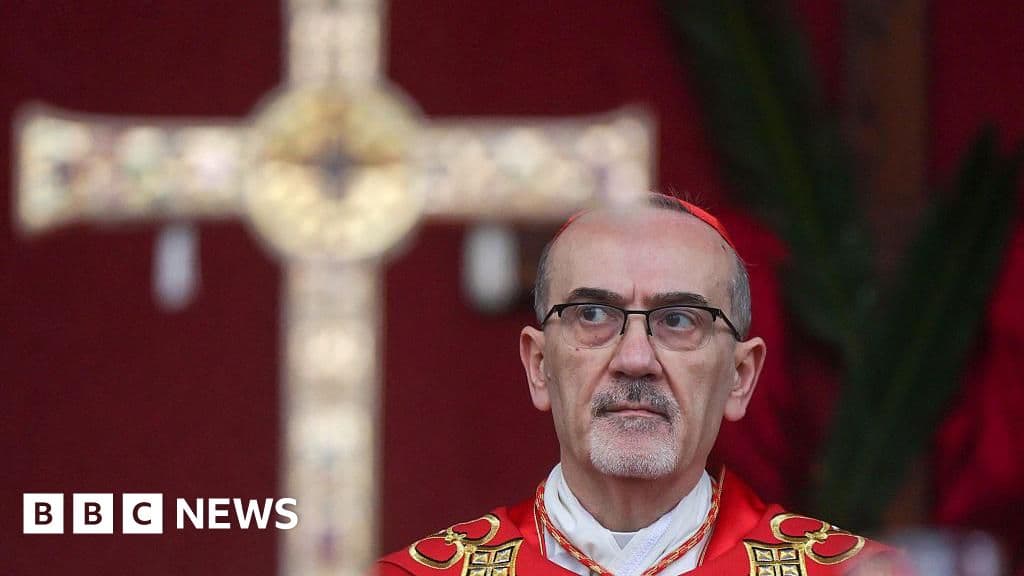
John Mahama, a former president of Ghana, has been a leading voice in the reparations movement, using his position to challenge the West's historical role in the transatlantic slave trade. His 2020 election, which saw him defeat the ruling party candidate, was a symbolic victory for the African Union's push for justice. The Vatican, which has long been a critic of slavery, has also used the UN vote to highlight the need for a more comprehensive approach to historical wrongs. The Vatican's permanent observer, Archbishop Gabriele Caccia, has called the resolution a 'partial narrative,' a comment that has been met with both criticism and support from African leaders.
Challenges in Securing Reparations
A Global Battle for Legal and Political Recognition
The path to reparations is fraught with legal and political challenges, as many Western nations have historically resisted the idea of legal redress for historical wrongs. The US, for example, has been a major obstacle, with the US ambassador to the UN explicitly rejecting the notion of reparations. The resolution, which is not legally binding, has been criticized by some as a symbolic gesture rather than a legal tool. However, the AU and its allies have argued that the resolution is a necessary first step in the long process of justice. The UN's call for 'far bolder action' is a clear signal that the global community is now more aware of the need for accountability.
The Role of the Vatican in the Reparations Debate
The Vatican's stance on the issue has been a point of contention, with the archbishop of the UN, Gabriele Caccia, calling the resolution a 'partial narrative.' This comment has been met with strong opposition from African leaders, who have accused the Vatican of downplaying the role of the Church in the transatlantic slave trade. The Vatican, which has a long history of supporting the transatlantic slave trade, has been a key player in the global conversation on this issue. However, the UN's vote has forced the Vatican to re-evaluate its position, with some within the Church now calling for a more critical examination of their historical role.
The Path Forward for Reparations
A New Era of Advocacy and Accountability
The UN's resolution is a significant step in the global fight for reparations, but the path to justice remains long and difficult. The African Union's 'Decade of Reparations' is a bold attempt to create a new framework for accountability, but it will require sustained pressure from the global community. The role of the UN, the African Union, and the African diaspora is critical in this process, as they are the main actors in the fight for justice. The resolution, which was the result of months of negotiations, is a powerful statement that will continue to shape the global conversation on this issue for years to come.
The Future of the Reparations Movement
The future of the reparations movement will depend on the ability of the African Union and its allies to create a new legal and political framework for justice. The UN's vote is a significant step, but the real test will be in the years to come. The African Union's plan, which includes a framework for reparatory justice, is a critical part of this process, but it will require the support of the global community. The role of the UN, the African Union, and the African diaspora is critical in this process, as they are the main actors in the fight for justice. The resolution, which was the result of months of negotiations, is a powerful statement that will continue to shape the global conversation on this issue for years to come.
- The UN's resolution to label transatlantic slavery as the 'gravest crime against humanity' has marked a turning point in the global fight for reparations.
- The African Union's 'Decade of Reparations' (2026-2036) is a major step in the quest for justice for descendants of enslaved Africans.
- The resolution, which was the result of months of negotiations, is a powerful statement that will continue to shape the global conversation on this issue for years to come.
Frequently Asked Questions
- What is the UN's resolution on transatlantic slavery?
- The UN's resolution, passed by 123 member states, labels transatlantic slavery as the 'gravest crime against humanity,' marking a historic step in the global fight for reparations. The decision, which was the result of months of negotiations, is a powerful statement that redefines the legal and moral framework for addressing the legacy of slavery.
- What is the African Union's plan for reparations?
- The African Union's 'Decade of Reparations' (2026-2036) is a major step in the quest for justice for descendants of enslaved Africans. The plan, which includes a framework for reparatory justice, is a bold attempt to create a new legal and political framework for accountability, with the support of the global community.
- What is the role of the Vatican in the reparations debate?
- The Vatican's stance on the issue has been a point of contention, with the archbishop of the UN, Gabriele Caccia, calling the resolution a 'partial narrative.' This comment has been met with strong opposition from African leaders, who have accused the Vatican of downplaying the role of the Church in the transatlantic slave trade.