In an era when airline executives are under intense scrutiny for everything from pricing to service quality, news that American Airlines’ current CEO Robert Isom and former CEO Doug Parker were vacationing together in Paris—and even shared a first-class flight back to Dallas on Easter Sunday—has sent ripples through the aviation industry. The sighting, first reported by social media influencer JonNYC, has sparked conversations about executive privilege, customer engagement, and the evolving expectations of leadership in one of the world’s most competitive industries.
- Robert Isom, current CEO of American Airlines, and Doug Parker, his predecessor, were seen vacationing together in Paris and flying business class back to Dallas on Easter Sunday.
- The reported behavior—including pre-boarding, carrying Gucci shopping bags, and not acknowledging passengers—has reignited debates about airline executive conduct and customer service expectations.
- The friendship between Isom and Parker raises questions about leadership dynamics in the airline industry, especially in comparison to other high-profile executive rivalries.
Why the American Airlines CEO Friendship Matters in the Airline Industry
The relationship between Robert Isom and Doug Parker is more than just a personal anecdote—it reflects broader trends in airline leadership and corporate culture. Both men have shaped American Airlines during pivotal moments: Parker led the airline through its 2013 merger with US Airways, a transformative deal that created the world’s largest airline by fleet size and passenger traffic. Isom, who succeeded Parker in 2022, has overseen American’s recovery from the COVID-19 pandemic, navigating labor disputes, rising fuel costs, and shifting consumer expectations.
A Legacy of Leadership: Doug Parker’s Impact on American Airlines
Doug Parker took the reins of American Airlines in 2013 following the merger with US Airways, a move that ended years of turbulence between the two carriers. Under Parker’s leadership, American expanded its global footprint, invested in premium cabins like Flagship Business, and prioritized customer experience initiatives like Main Cabin Extra seating. Parker’s tenure was marked by aggressive growth strategies and a focus on cost efficiency, though it also faced criticism for labor relations and operational disruptions, particularly during the 2019 summer meltdown, when thousands of flights were canceled due to staffing shortages.
Robert Isom’s Strategic Shift: From Operations to Post-Pandemic Recovery
Robert Isom, who joined American Airlines in 1998 and rose through the ranks before becoming CEO in 2022, has focused on operational stability and digital transformation. His leadership has emphasized reliability, with initiatives like the airline’s "Project Recap" aimed at improving on-time performance. Isom’s tenure has also seen American navigate the financial fallout of the pandemic, renegotiate labor contracts, and expand its cargo operations amid global supply chain challenges. Despite these efforts, Isom has faced scrutiny over customer service complaints, including issues with delayed baggage and flight cancellations.
The Paris Vacation: What We Know About the Trip and the Flight
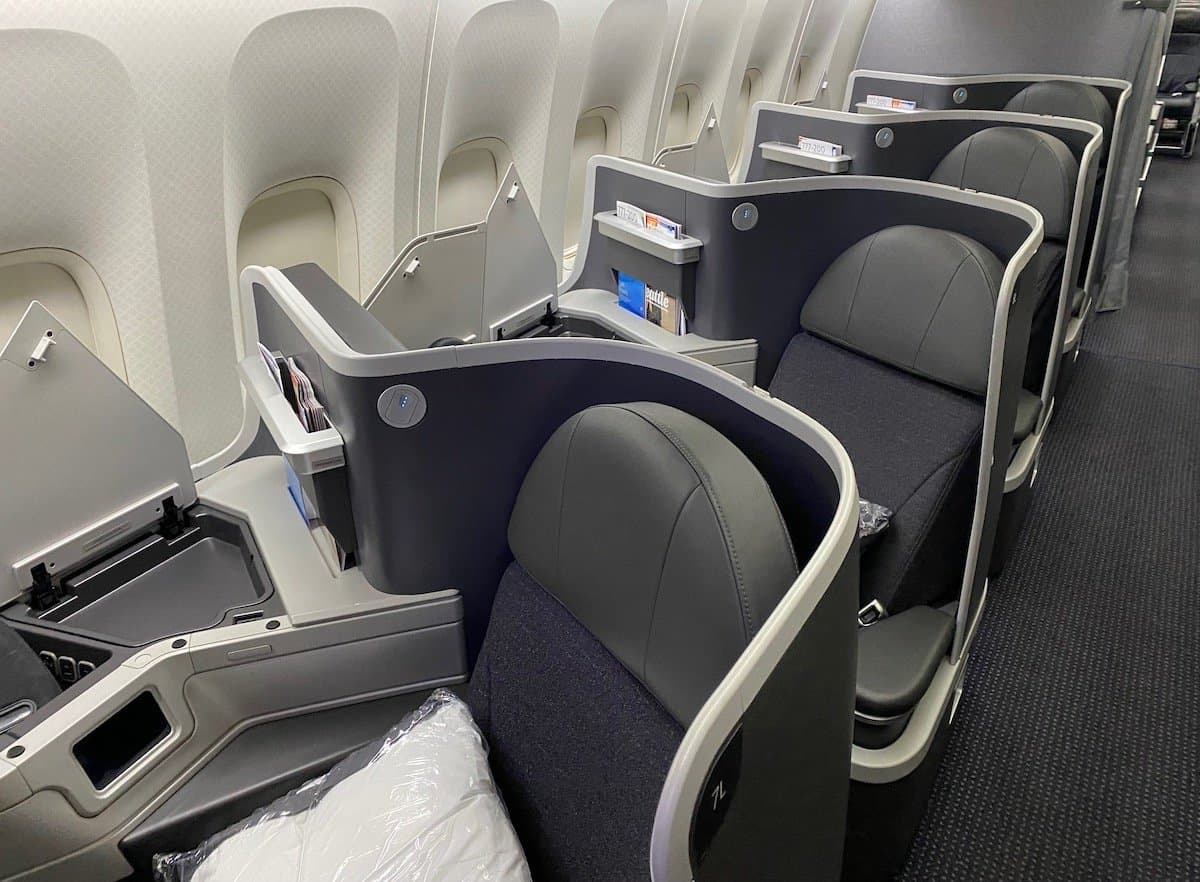
According to social media posts by JonNYC, a well-known aviation insider with a history of breaking industry news, Isom and Parker were vacationing in Paris with their families over Easter weekend. The group reportedly boarded an American Airlines flight from Charles de Gaulle Airport (CDG) to Dallas/Fort Worth International Airport (DFW) in business class. The post described the scene as follows: "Nothing says out of touch like [major airline Bigwig] and [similar/former] family and their security flying back to [US airport] from their Paris vacation on Easter Sunday with Gucci shopping bags in hand, cutting [absolute highest level] pre-boards to get on the plane first to their 6+ seats in business, and never acknowledging a single customer along the way."
“OK, well, I still cannot confirm/comment on the behavior reported (yet…) But this was Isom and (wife or family) and Doug Parker and (wife or family.)” — JonNYC (@xJonNYC) April 5, 2026
Examining the Controversy: Pre-Boarding, Customer Engagement, and Executive Privilege
While pre-boarding is a standard perk for airline executives and their families, the optics of the scene—complete with Gucci shopping bags and a lack of passenger interaction—have drawn sharp criticism. Aviation industry observers and frequent flyers alike have questioned whether such behavior undermines public trust in airlines, particularly at a time when customer service scores are a growing concern. "Ideally, the CEO would want to pre-board to talk with the crew, thank them for their work, etc.," noted one industry analyst. "But the failure to acknowledge passengers, even in passing, seems like a missed opportunity to connect with the very people who keep the airline running."
Is Pre-Boarding a Necessary Perk or a Symbol of Executive Out-of-Touch?
Pre-boarding is a common courtesy for airline executives, allowing them to settle into their seats, conduct last-minute meetings, or debrief with crew members before the cabin fills with passengers. However, the practice has become increasingly scrutinized in an era of heightened public skepticism toward corporate elites. Airlines like Delta and United have faced backlash over similar incidents, with passengers and advocacy groups calling for more transparency and humility from executives. "When you’re in a position of leadership, every interaction is an opportunity to reinforce your company’s values," said a former airline operations executive. "Ignoring that is a choice—and not a wise one."
The Gucci Shopping Bags: A Symbol of Excess or a Common Travel Accessory?
The mention of Gucci shopping bags in the social media post has fueled perceptions of excess, particularly given the timing of the trip during Easter weekend. While luxury brands are a common sight in global fashion hubs like Paris, the juxtaposition of high-end shopping with the struggles of airline workers—many of whom faced layoffs or pay cuts during the pandemic—has drawn criticism. "It’s not about the brand," commented a travel industry consultant. "It’s about the optics. When executives travel with high-end luggage, it sends a message that they’re disconnected from the reality of their employees and customers."
The Bigger Picture: How Airline Executive Behavior Reflects Industry Challenges
The Isom-Parker vacation highlights broader issues within the airline industry, where executive behavior often mirrors the sector’s reputation for cutthroat competition and uneven customer service. Airlines have long grappled with perceptions of being out of touch with passengers, a problem exacerbated by rising airfare prices, hidden fees, and operational failures. In 2023, the U.S. Department of Transportation (DOT) proposed new rules to enhance airline customer service, including requirements for refunds and compensation for delays, as well as transparency in pricing. "The industry needs to rebuild trust," said a former DOT official. "When executives are seen as living in a bubble, it’s hard to convince the public that the airline cares about their experience."
Leadership Dynamics: Isom, Parker, and the Unspoken Rivalry with Scott Kirby
The friendship between Isom and Parker stands in contrast to the widely reported tension between Parker and Scott Kirby, former CEO of United Airlines. Kirby, known for his competitive streak, has been vocal about his disdain for American Airlines’ merger strategy under Parker. "There’s a better situation between [Isom and Parker] than between either of them and Kirby," noted one industry observer. This dynamic adds another layer to the narrative, suggesting that interpersonal relationships among airline executives can influence corporate strategies and industry competition.
Could This Be a Missed Opportunity for American Airlines?
While the vacation itself may seem like a private matter, the optics of the trip have raised questions about American Airlines’ commitment to customer service and employee engagement. Airlines spend millions on marketing campaigns to promote their "customer-first" ethos, yet incidents like this can undermine those efforts. "Every interaction is a chance to reinforce your brand," said a former American Airlines executive. "When the CEO doesn’t acknowledge passengers, it sends a message that the company’s values are performative rather than genuine."
What’s Next for American Airlines Under Robert Isom?
As American Airlines continues to navigate post-pandemic challenges, including labor negotiations and rising operational costs, the leadership team’s ability to connect with employees and customers will be critical. Isom’s focus on operational reliability and digital innovation has been well-received internally, but external perceptions of executive behavior could impact the airline’s reputation. "The industry is at a crossroads," said an aviation analyst. "Airlines that prioritize transparency and humility will have a competitive edge in rebuilding public trust."
Frequently Asked Questions
- Did Robert Isom and Doug Parker officially confirm their Paris vacation?
- No, neither Robert Isom nor Doug Parker has publicly confirmed the details of the Paris vacation or the flight from Charles de Gaulle to Dallas. The report was based on social media posts by aviation insider JonNYC, who shared observations about their travel behavior.
- Why do airline executives pre-board flights?
- Airline executives typically pre-board to settle into their seats, conduct last-minute meetings with crew members, or prepare for media interactions. Pre-boarding is a standard perk for senior leaders, though it has come under scrutiny for perceived elitism.
- How has American Airlines responded to criticism about executive behavior?
- American Airlines has not issued a public response regarding the reported Paris vacation or the pre-boarding incident. The airline’s leadership team has historically focused on operational improvements and customer service initiatives, though specific reactions to this incident remain undisclosed.