
HONG KONG — The U.S.-Israel conflict with Iran and the subsequent closure of the Strait of Hormuz have triggered a severe oil crisis in Asia, forcing governments from New Delhi to Manila to implement emergency measures to mitigate surging prices and fuel shortages. As of March 15, 2026, Brent crude oil prices have surpassed $100 per barrel, prompting panic-buying and rationing across the continent. The International Energy Agency has called this the largest supply disruption in global oil market history, with Asia, heavily dependent on Middle Eastern imports, bearing the brunt of the crisis.
How the Iran War Disrupted Global Oil Supply Chains
The Strait of Hormuz, a critical shipping route for about 20% of the world’s oil, has effectively been shut down due to the escalating conflict. Unlike the U.S. and Europe, which have more diverse oil sources, Asia relies heavily on Middle Eastern imports, making the region particularly vulnerable to supply chain disruptions. The International Energy Agency (IEA) has warned that the conflict has created unprecedented challenges for global energy markets, with Asia facing the most immediate and severe consequences.
Asia’s Heavy Dependence on Middle Eastern Oil
Countries like India, Japan, and South Korea import a significant portion of their oil from the Middle East, with South Korea sourcing 70% of its oil from the region. China, though diversified, still imports nearly a third of its oil through the Strait of Hormuz. The closure of this critical route has left Asian nations scrambling to secure alternative supplies, with many turning to domestic reserves or seeking assistance from neighboring countries.
Government Responses to the Oil Crisis
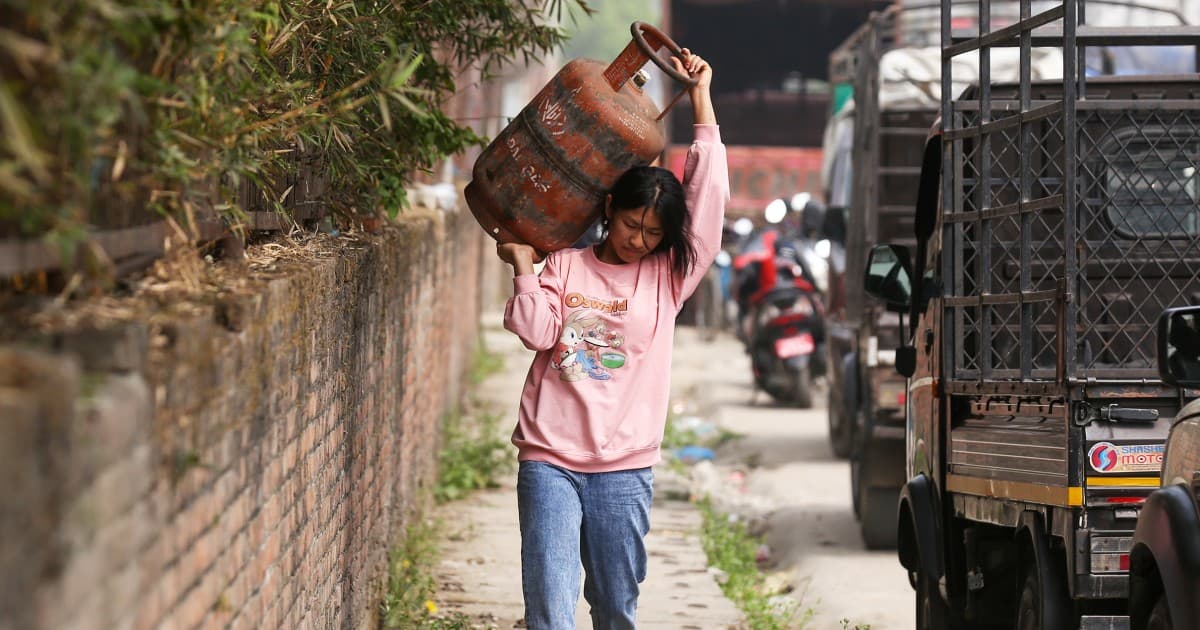
Asian governments have responded with a mix of emergency measures to stabilize fuel supplies and mitigate economic fallout. In India, authorities have invoked emergency powers to maximize LPG production, while Nepal has rationed cooking gas by filling cylinders only halfway. The Philippines has introduced a four-day workweek for government employees, and Vietnam has urged citizens to work from home to conserve energy.
Fuel Rationing and Work-from-Home Policies
Thailand has halted most of its energy exports and is tripling fuel reserves to 3% of national consumption. The country has also implemented austerity measures, including urging government employees to work from home and encouraging the use of stairs over elevators. Meanwhile, major airlines like Air India and Cathay Pacific have nearly doubled fuel surcharges for passengers to offset rising costs.
Economic and Social Implications of the Oil Crisis
The oil crisis is expected to have far-reaching economic and social consequences across Asia. Higher fuel prices are likely to drive up the cost of living, particularly for essential goods like food, as oil-derived products such as fertilizer become scarcer. Robert Savage, head of markets strategy at BNY Mellon, warns that the disruption could lead to an economic slowdown, with food inflation rising into the summer.
Impact on Stock Markets and Consumer Confidence
South Korea’s stock markets have experienced some of the steepest declines this month, with the benchmark Kospi index losing 2% on March 15 alone. Consumer confidence has also been shaken, with panic-buying at gas stations and increased demand for alternative energy sources. Governments are urging citizens to avoid unnecessary fuel purchases to prevent further strain on domestic resources.
China’s Vulnerability and Global Trade Concerns
China, which imports about 13% of its oil from Iran, is particularly vulnerable to the supply disruption. The conflict has compounded existing challenges, including U.S. sanctions on Venezuela, another major oil supplier. Brenda Shaffer, an energy expert at the U.S. Naval Postgraduate School, warns that losing access to discounted oil from both Iran and Venezuela could have significant economic repercussions for China.
Australia’s Response to Fuel Shortages
Australia has relaxed fuel quality standards for two months to allow an additional 100 million liters of fuel into the country. The move aims to mitigate shortages and stabilize prices amid the global supply disruption. The crisis has highlighted the interconnected nature of global energy markets and the vulnerability of nations heavily reliant on imported oil.
- Asia faces severe oil shortages due to the Iran war and closure of the Strait of Hormuz.
- Governments are implementing emergency measures, including fuel rationing and work-from-home policies.
- The crisis is expected to drive up food prices and slow economic growth in the region.
Frequently Asked Questions
- How has the Iran war affected global oil supplies?
- The conflict has led to the effective closure of the Strait of Hormuz, a critical shipping route for about 20% of the world’s oil, causing severe supply disruptions and price surges.
- What measures are Asian governments taking to address the oil crisis?
- Governments are rationing fuel, urging work-from-home policies, and seeking alternative energy sources to stabilize supplies and mitigate economic fallout.
- How will the oil crisis impact food prices in Asia?
- Higher fuel costs are expected to drive up the price of oil-derived products like fertilizer, leading to increased food inflation across the region.

