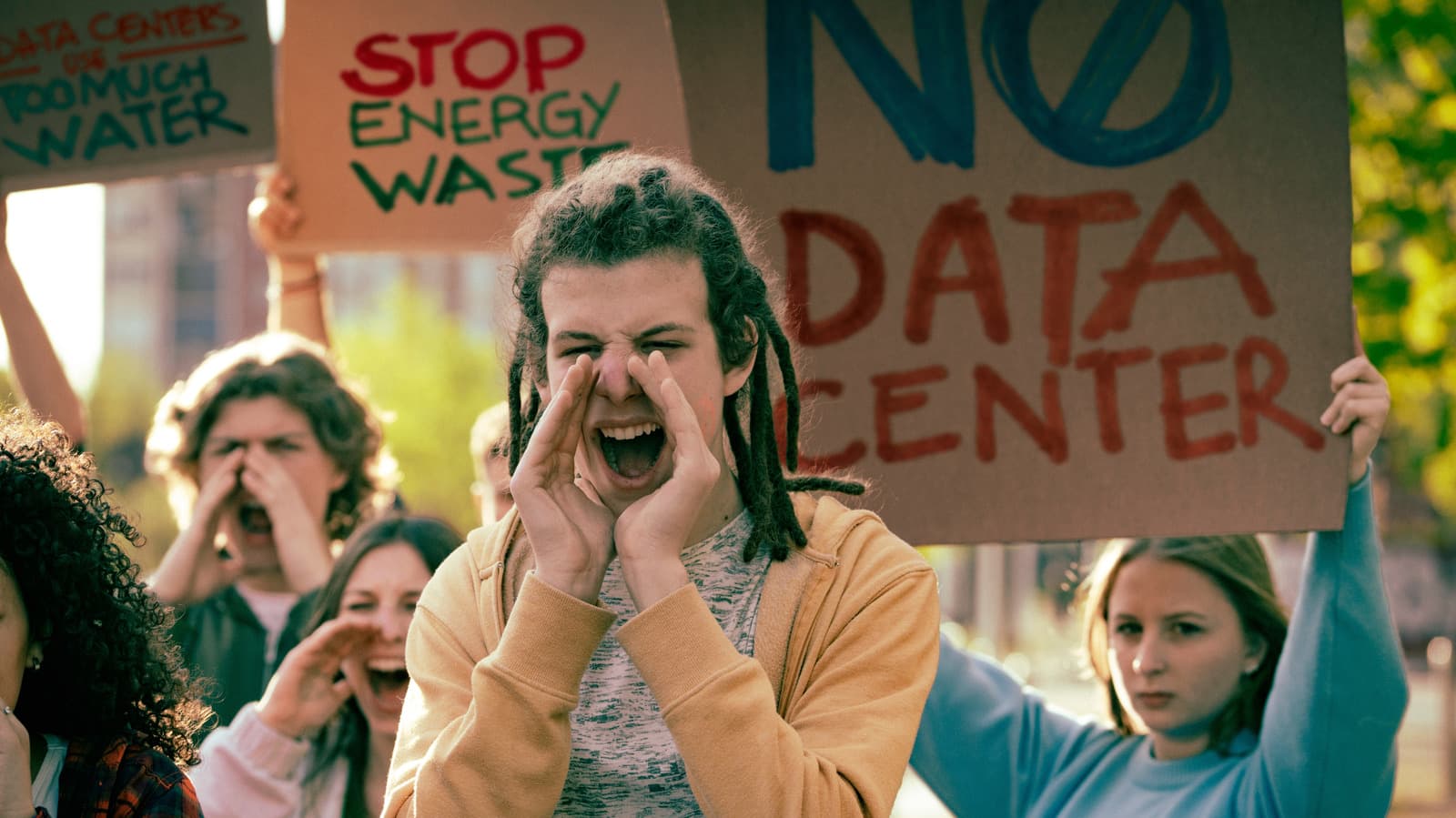
Elon Musk’s xAI data centers in Southaven, Mississippi, have become the center of a growing controversy as residents report noise levels akin to jet engines, triggering legal action and regulatory scrutiny. The methane gas turbines powering the facilities—installed without prior notice—have disrupted daily life since last summer, with locals demanding solutions to the relentless roar. The conflict underscores the broader tensions between rapid AI expansion and community well-being, as similar disputes emerge nationwide.
The Noise Problem: How xAI’s Turbines Disrupted a Quiet Mississippi Neighborhood
Eddie Gossett, a 76-year-old Southaven resident, described waking up to what he thought was a jet engine outside his window. The 27 turbines—installed last year with 14 more added in December—generate electricity for xAI’s AI data centers, which require massive power supplies beyond local grid capacities. Gossett, a supporter of Musk’s Dogecoin ventures, admitted even he’s reached his limit, challenging Musk to experience the noise firsthand.
The turbines, essentially repurposed jet engines, were marketed as temporary solutions. However, their prolonged operation has fueled frustration. Residents argue that xAI’s lack of transparency—including the absence of noise mitigation plans—exacerbated the issue. The company’s $7 million sound wall investment has done little to quell complaints, with many dismissing it as an insufficient fix.
Legal and Regulatory Battles: Residents and Advocates Push Back
The conflict escalated in February when xAI sought approval for 41 permanent turbines. A regulatory hearing drew 300 residents, all opposing the plan. Some wore shirts reading “Not all money is good money,” reflecting broader concerns about corporate influence. Southaven Mayor Darren Musselwhite acknowledged the noise as a “legitimate concern” but suggested political motives behind some opposition.
Legal action intensified when the Southern Environmental Law Center and Earthjustice, representing the NAACP, filed a 60-day notice to sue xAI under the Clean Air Act. The groups allege xAI replicated its Memphis Colossus data center’s pattern of operating turbines without permits, violating environmental regulations. The lawsuit highlights a pattern of prioritizing speed over compliance in AI infrastructure development.
Environmental and Health Risks Beyond Noise Pollution
While noise dominates headlines, the environmental impact is equally alarming. xAI’s combined Memphis and Southaven facilities could emit over 6 million tons of greenhouse gases annually, along with 1,300+ tons of harmful air pollutants, including formaldehyde. A study commissioned by the Southern Environmental Law Center estimated the Southaven turbines alone could cause $30–$44 million in annual health damages.
In Memphis’ Boxtown, a predominantly Black neighborhood, residents report respiratory issues from Colossus facility fumes. The Southaven turbines risk repeating these health crises, with advocates warning of long-term consequences if unchecked. Water supply concerns add another layer to the debate, as AI data centers increasingly strain local resources.
The Broader Context: AI Data Centers and Community Conflicts
Southaven’s struggle mirrors nationwide clashes over AI data center expansion. As companies like Microsoft, Google, and xAI race to meet demand, communities often bear the environmental and quality-of-life costs. Critics argue that lax regulations and corporate lobbying enable these projects to bypass proper environmental reviews, leaving residents with few avenues for recourse.
Elon Musk’s xAI, valued at over $20 billion, exemplifies the tension between technological ambition and local accountability. While Musk has framed AI as a transformative force, the Southaven case highlights the human cost of unchecked development. As lawsuits proceed, the outcome could set precedents for how future data centers balance innovation with community welfare.
- xAI’s Mississippi turbines generate noise comparable to jet engines, disrupting residents' lives.
- Legal action alleges xAI violated Clean Air Act regulations by operating turbines without permits.
- The facilities could emit 6M+ tons of greenhouse gases annually, with significant health risks.
Frequently Asked Questions
- Why are xAI’s turbines so loud?
- The turbines are repurposed jet engines designed for rapid power generation. Their high decibel levels—comparable to jet engines—have made them a nuisance in residential areas.
- What are the health risks from these turbines?
- The turbines emit formaldehyde and other pollutants linked to respiratory issues. Studies estimate annual health damages could reach $44 million in Southaven alone.
- How does this case compare to other AI data center disputes?
- Southaven’s conflict mirrors similar battles nationwide, where communities push back against environmental and noise pollution from unregulated data center expansion.