The U.S. Food and Drug Administration (FDA) on Wednesday approved Eli Lilly’s oral obesity drug Foundayo (orforglipron), a landmark decision that accelerates the pharmaceutical arms race in the rapidly expanding weight-loss treatment market. The approval comes just months after Novo Nordisk secured FDA clearance for its oral peptide drug Wegovy, setting the stage for a direct commercial showdown between two pharmaceutical titans racing to capture a slice of a market projected to exceed $50 billion by 2030. Foundayo’s green light—granted under the FDA’s priority review voucher program—underscores the urgency with which regulators and drugmakers are responding to the escalating global obesity epidemic, which now affects more than 42% of American adults according to the CDC.
Why the FDA’s Approval of Foundayo Marks a Turning Point in Obesity Treatment
The FDA’s decision to approve Foundayo represents more than just another drug clearance—it signals a paradigm shift in how obesity is treated in the United States. Historically, weight-loss medications have struggled to gain traction due to stigma, limited efficacy, and safety concerns. But the emergence of GLP-1 receptor agonists like Lilly’s Zepbound (injectable) and Novo Nordisk’s Wegovy (injectable and oral) has revolutionized the field, offering unprecedented weight loss results backed by robust clinical data. Foundayo, the third oral GLP-1 drug to enter the market following Wegovy and Pfizer’s discontinued candidate, is poised to further democratize access to these life-changing therapies by eliminating the need for injections and associated logistical hurdles such as cold storage and needle aversion.
The Science Behind Foundayo: How It Works and What the Trials Show
Foundayo belongs to a class of drugs known as GLP-1 receptor agonists, which mimic the hormone glucagon-like peptide-1 to regulate appetite and food intake by acting on the brain’s satiety centers. Unlike traditional weight-loss pills that suppress appetite through stimulants or fat absorption inhibitors, GLP-1 drugs like Foundayo slow gastric emptying, enhance insulin secretion, and reduce hunger—mechanisms that have proven far more effective in clinical settings.
In Lilly’s Phase 3 trials—collectively known as the OASIS program—Foundayo demonstrated an average 11.2% reduction in body weight over 72 weeks among participants with obesity or overweight conditions and at least one weight-related comorbidity. These results, while slightly below Wegovy’s 13.6% weight loss observed in a 64-week Phase 3 study, still represent a significant advance over older anti-obesity medications, which typically yield 5–10% weight loss. Importantly, Foundayo was evaluated in both capsule and tablet formulations, with the FDA ultimately approving a 17.2 mg tablet dose. Lilly asserts that this dose is bioequivalent to the 36 mg capsule strength tested in trials, simplifying dosing for patients and clinicians.
The Competitive Landscape: Lilly vs. Novo Nordisk in the Oral GLP-1 Wars
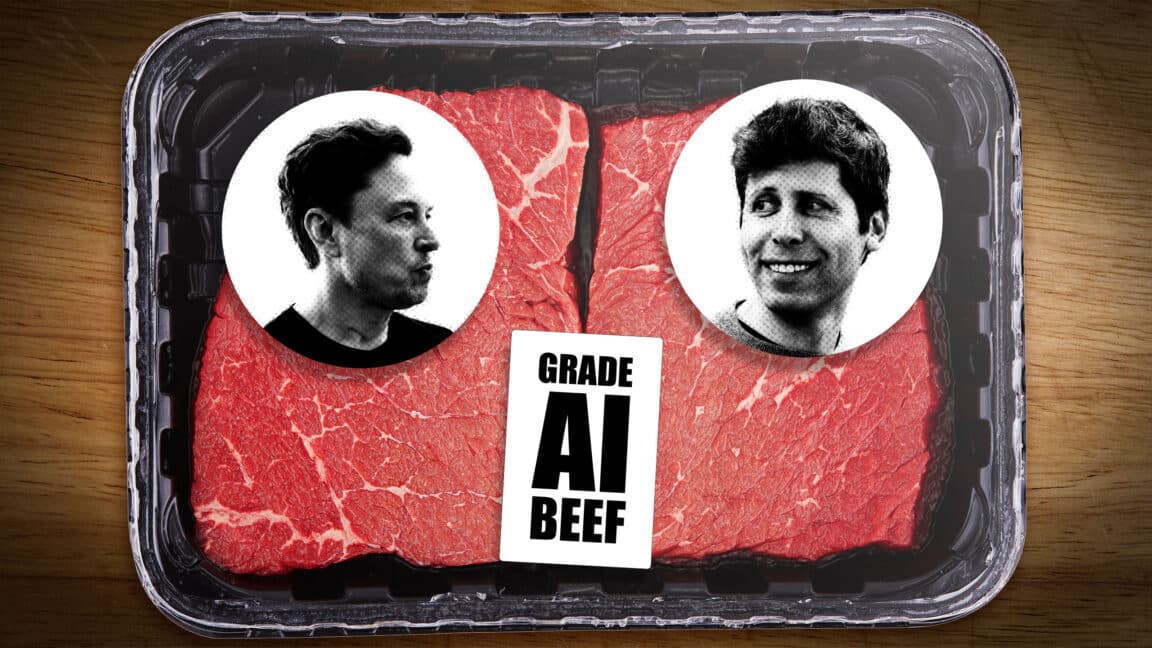
The approval of Foundayo intensifies the rivalry between Eli Lilly and Novo Nordisk, the two companies that have come to dominate the GLP-1 weight-loss market. Since 2021, Novo Nordisk’s injectable semaglutide (Wegovy) and Lilly’s tirzepatide (Zepbound) have consistently ranked among the top-selling drugs in the world, with combined annual revenues nearing $20 billion in 2023. The introduction of oral formulations represents the next frontier in this high-stakes battle, as both companies seek to capture patients who prefer pills over injections due to convenience, needle phobia, or practical considerations like travel and storage.
Patient Convenience vs. Clinical Efficacy: Weighing the Pros and Cons
Oral GLP-1 drugs offer clear advantages in terms of user experience. Foundayo, unlike Wegovy’s oral peptide formulation (Rybelsus), does not require fasting or timed administration before meals, making it far more user-friendly. Patients taking Wegovy’s oral version must take the pill on an empty stomach with no more than 4 ounces of water and wait at least 30 minutes before eating, drinking, or taking other medications—restrictions that can be burdensome and lead to poor adherence. Foundayo’s flexibility could give it a competitive edge in real-world usage, especially among working professionals or those with irregular schedules.
However, efficacy remains a critical differentiator. In head-to-head indirect comparisons, Wegovy’s oral formulation has shown slightly superior weight loss results—13.6% versus Foundayo’s 11.2%—though direct trials have not been conducted. Novo Nordisk also benefits from its longer market presence with injectable semaglutide, which has accumulated extensive real-world safety data, including evidence from the SELECT trial showing a 20% reduction in major cardiovascular events among high-risk patients. Lilly has not yet secured a cardiovascular indication for Foundayo, though it has signaled plans to pursue such claims in the future.
Pricing Strategies: Lilly Matches Wegovy’s $299 Monthly Cash Price
Pricing has emerged as the decisive battleground in the oral GLP-1 wars. When Lilly first announced its pricing strategy in late 2023, it proposed a cash market price range of $149 to $399 per month, positioning Foundayo as a premium option. But after Novo Nordisk launched Wegovy’s oral version at up to $299 per month in April 2024, Lilly quickly recalibrated. On the day of Foundayo’s FDA approval, Lilly announced it would match Wegovy’s price ceiling, offering the drug at up to $299 monthly for patients who maintain continuous prescriptions. For insured patients, both drugs are covered under many commercial plans, though out-of-pocket costs vary significantly depending on copays and deductibles.
Analysts at Goldman Sachs estimate that the oral GLP-1 market could capture 30–40% of total GLP-1 revenue by 2027, with pills accounting for $20–25 billion in annual sales. Given that Lilly’s Zepbound alone generated $1.2 billion in revenue in its first full quarter on the market (Q4 2023), the company is under pressure to ensure Foundayo’s uptake doesn’t cannibalize its injectable blockbuster prematurely. Meanwhile, Novo Nordisk has already seen rapid adoption of Wegovy’s oral version, which accounted for nearly 20% of total Wegovy prescriptions in the U.S. within six months of launch.
Safety Profile and Regulatory Controversies Surrounding Foundayo’s Approval
Like all GLP-1 drugs, Foundayo carries a well-documented side effect profile centered on gastrointestinal issues. In Lilly’s trials, the most commonly reported adverse events included nausea (30–40% of patients), vomiting (15–20%), and diarrhea (10–15%), with most symptoms mild to moderate in severity. These effects typically diminish over time as patients adjust to the medication. Unlike some older weight-loss drugs, Foundayo did not show evidence of increased liver toxicity in preclinical or clinical studies, a concern that has historically dogged small-molecule GLP-1 agonists.
However, Foundayo’s approval pathway has drawn scrutiny due to its use of a priority review voucher (PRV), a program designed to incentivize the development of drugs targeting unmet medical needs or rare diseases. PRVs allow companies to expedite FDA review timelines—typically cutting review periods from 10 to 6 months—but have faced criticism for enabling perceived favoritism and political influence. In Foundayo’s case, Lilly received the voucher as part of a broader agreement with the White House in 2023 to lower prices of certain obesity drugs in federal programs like Medicare and Medicaid. Following Reuters’ reporting on internal communications, questions arose about whether Lilly had exerted undue pressure on the FDA to fast-track the review process. A Lilly spokesperson denied any improper influence, stating the company expected a ‘fulsome, science-based review.’
The Broader Implications: How Oral GLP-1 Drugs Are Reshaping Healthcare and Society
The rise of oral GLP-1 therapies is poised to transform not just the pharmaceutical industry, but the broader healthcare system and societal attitudes toward obesity. For decades, obesity was widely regarded as a lifestyle issue rather than a chronic disease, leading to limited insurance coverage and societal stigma. The clinical success of GLP-1 drugs—demonstrated in trials showing sustained weight loss of 15–20% in many patients—has forced a rethinking of these attitudes. Major insurers, including UnitedHealthcare and Aetna, now cover weight-loss medications with few restrictions, and Medicare is expected to expand coverage following the Inflation Reduction Act’s 2023 drug price negotiations.
Public health experts also see oral GLP-1 drugs as a potential tool to reduce obesity-related comorbidities such as type 2 diabetes, hypertension, and sleep apnea. The CDC estimates that obesity-related medical costs in the U.S. exceed $170 billion annually. If oral GLP-1 drugs can reduce hospitalizations and complications, they may deliver long-term cost savings to the healthcare system. However, concerns persist about access and affordability. Even with insurer coverage, high out-of-pocket costs and prior authorization requirements could limit uptake among lower-income populations, exacerbating health disparities.
What’s Next: Patent Battles, Pipeline Expansion, and the Global Race for Dominance
The approval of Foundayo is only the first salvo in what promises to be a prolonged commercial and legal conflict between Lilly and Novo Nordisk. Both companies have filed multiple patents related to their obesity drug formulations and delivery systems, setting the stage for potential litigation over exclusivity rights. Novo Nordisk’s oral semaglutide (Wegovy) is protected by patents extending into the 2030s, while Lilly has filed for patent protection on Foundayo’s unique small-molecule structure and sustained-release formulation.
Beyond the U.S., international markets represent the next frontier. Novo Nordisk has already secured approvals for oral Wegovy in the European Union and Canada, with Lilly expected to pursue similar pathways for Foundayo. Analysts at Jefferies project that by 2028, the global oral GLP-1 market could surpass $40 billion, with China emerging as a key growth driver due to its large patient population and rising incidence of obesity and diabetes.
Meanwhile, both companies are investing heavily in next-generation therapies. Lilly’s pipeline includes a once-weekly oral tirzepatide (currently in Phase 3 trials), which combines GLP-1 and GIP receptor agonism for potentially greater efficacy. Novo Nordisk is developing oral versions of its dual-agonist drugs, including a pill form of its experimental obesity treatment, amycretin, which showed promising results in early trials.
- Eli Lilly’s oral obesity drug Foundayo (orforglipron) received FDA approval on Wednesday, entering a competitive market alongside Novo Nordisk’s Wegovy.
- Foundayo demonstrated 11.2% average weight loss in 72-week trials, slightly below Wegovy’s 13.6% but with greater dosing convenience.
- Both drugs are priced at up to $299 per month in the cash market, with insurance coverage expanding but out-of-pocket costs remaining a barrier.
- The approval of Foundayo highlights the rapid evolution of obesity treatment from stigma-laden lifestyle interventions to scientifically validated pharmacotherapy.
- Regulatory scrutiny surrounds Foundayo’s approval via a priority review voucher, raising questions about political and commercial influence on FDA decisions.
Key Takeaways for Patients, Clinicians, and Investors
For patients struggling with obesity, the approval of Foundayo offers a new non-injectable option, though availability and insurance coverage may vary. Clinicians now have two FDA-approved oral GLP-1 therapies to consider, each with distinct dosing requirements and efficacy profiles. Investors, meanwhile, are closely watching the commercial tug-of-war between Lilly and Novo Nordisk, as the outcome will shape the future of one of the most lucrative sectors in biotech.
Frequently Asked Questions About Eli Lilly’s Foundayo and Novo Nordisk’s Wegovy
Frequently Asked Questions
- How does Foundayo’s efficacy compare to Wegovy’s oral version?
- In Phase 3 trials, Foundayo led to an average 11.2% weight loss over 72 weeks, while Wegovy’s oral version resulted in 13.6% weight loss in a 64-week study. Direct head-to-head trials have not been conducted.
- Is Foundayo covered by insurance like Wegovy?
- Both drugs are increasingly covered under commercial insurance plans, but coverage varies by insurer and plan. Medicare coverage for obesity drugs is expanding under recent legislation, though prior authorization may still apply.
- What are the main side effects of Foundayo?
- The most common side effects reported in trials were nausea (30–40% of patients), vomiting (15–20%), and diarrhea (10–15%). These side effects are typically mild to moderate and decrease over time.