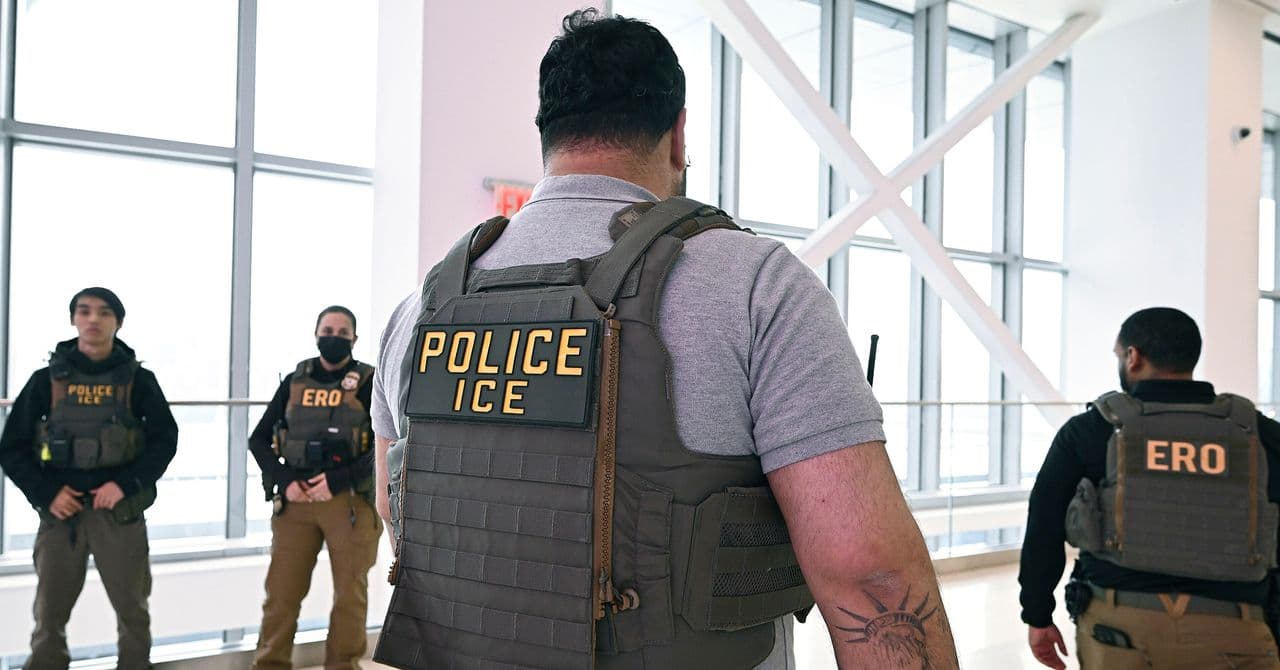
The American Federation of Teachers (AFT) is calling for its 1.8 million members to boycott Target during the back-to-school shopping season, as the retailer struggles to recover from three years of declining sales. The AFT says Target failed to respond adequately to aggressive federal immigration enforcement in Minneapolis this winter, which resulted in the shooting deaths of two U.S. citizens by ICE agents. The boycott comes as Target's new CEO Michael Fiddelke lays out an ambitious plan to refresh stores, add more enticing merchandise, and return to sales growth.
AFT Calls for Boycott Over Target's Response to ICE Actions in Minneapolis
The AFT, a major teachers' union affiliated with the AFL-CIO, passed a resolution on Thursday urging its members and others to shop at local stores instead of Target during the critical back-to-school shopping season. The union says Target did not respond adequately to the surge of aggressive and violent federal immigration enforcement in the retailer's hometown of Minneapolis this winter, which resulted in the shooting deaths of two U.S. citizens, Renee Good and Alex Pretti, by ICE agents.
"Target was negotiating with our colleagues in the civil rights community for weeks and weeks and weeks. They could have very easily dealt with both [concerns about DEI and immigration enforcement] and they chose not to."
AFT President Randi Weingarten said the union sent a letter to Target and met with Target staff to encourage them to speak up before passing the boycott resolution. Weingarten described a letter co-signed by Fiddelke and dozens of other Minnesota-based executives calling for "immediate de-escalation" as "insulting" and said it "basically blamed both sides."
Boycott Comes as Target Struggles to Recover from Declining Sales
The AFT's call for a boycott comes as Target is struggling to recover from three consecutive years of declining sales. Earlier this month, Fiddelke laid out an ambitious plan to refresh Target's stores, add more enticing merchandise, and return to sales growth. The retailer said it expects net sales to rise about 2% this fiscal year compared with the prior year and anticipates sales will grow every quarter.
However, it remains unclear how much the AFT's boycott could hurt Target's efforts to win back customers. The retailer has attributed some of its sales losses to backlash over its rollback of major diversity, equity and inclusion (DEI) initiatives, as well as other factors such as company missteps with merchandise, a weaker store experience, and softer discretionary spending.
Frequently Asked Questions
Frequently Asked Questions
- Why is the AFT calling for a boycott of Target?
- The AFT says Target failed to respond adequately to aggressive and violent federal immigration enforcement in Minneapolis this winter, which resulted in the shooting deaths of two U.S. citizens by ICE agents.
- How much could the AFT's boycott hurt Target's sales?
- It remains unclear how much the AFT's boycott could hurt Target's efforts to win back customers and return to sales growth. The retailer has attributed some of its sales losses to backlash over its DEI decision, as well as other factors.