The closure of the iconic Paradise Cove Luau on New Year’s Eve 2025 has sent ripples through Hawaii’s tourism industry, marking the end of a 47-year cultural legacy in Kapolei. The 167 employees of the site, which had been a family-run business for decades, are now facing unemployment as the 41,000-acre property is set to undergo a $135 million redevelopment. This decision reflects a broader shift in Hawaii’s tourism model, as the state’s economy moves toward luxury, high-end experiences, and modernized infrastructure, leaving behind the once-thriving, high-volume traditional luaus that defined the area for nearly five decades.
The Final Night: A Bittersweet Farewell to a Cultural Icon
A Lasting Legacy of Community and Tradition
The final performance of the Paradise Cove Luau on New Year’s Eve 2025 was a bittersweet celebration of a 47-year cultural tradition. The event, led by emcee Summer 'U'ilani' Barros, who had spent decades with the organization, featured a poignant moment when multiple generations of former dancers returned to the stage. Despite the absence of a formal rehearsal, the performance was described as a masterclass in precision, with nine men executing a synchronized routine that left the audience in tears. The emotional weight of the night was further underscored by the presence of Keith Horita, the site’s owner, who was seen wearing a stack of leis gifted by staff members, a symbol of the deep familial bonds that had defined the business for decades.
‘This is a moment that will be etched in the memory of our community. The cove was more than a destination—it was a family, a tradition, and a part of who we are.’ – Summer 'U'ilani' Barros, emcee of the final Luau
A History of Innovation and Community in Hawaii’s Tourism
The Birth of a Cultural Landmark in a Rural Setting
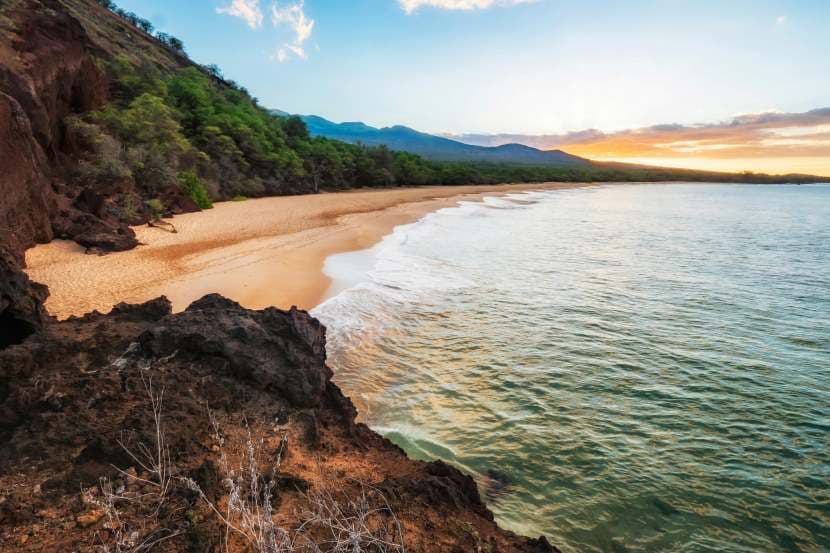
Open in 1978, the Paradise Cove Luau was a rare anomaly in the Hawaiian tourism landscape, as it was one of the few attractions in a largely rural area. The site, originally a 41,000-acre parcel purchased by industrialist James Campbell in 1877, was transformed into a cultural hub that introduced interactive elements that would later become standard in the industry. Before the main stage shows, guests were invited to participate in traditional arts and crafts, take canoe rides, and engage in cultural games, setting a new standard for immersive, community-driven experiences. The venue’s unique western-facing sunset views also distinguished it from the more popular beachside luaus in Waikiki, making it a destination in its own right.
A Pivotal Role in Hawaii’s Economic and Social Fabric
At its peak, the cove hosted up to 1,000 guests per night, with management known for its commitment to staff welfare, including 401(k) accounts and lavish holiday celebrations. The site’s success was not just economic; it was a cultural touchstone for families, with many staff members having spent their entire careers there. The decision to close the Luau in 2025 was not made lightly, as the site had been a symbol of the community’s resilience, a place where generations of families had built their lives and shared in the magic of the cove.
The Shift to Luxury: A New Era for Hawaii’s Tourism
The $135 Million Vision for a Modernized Destination
The $135 million redevelopment of the site is a clear signal of Hawaii’s evolving tourism strategy, as the state moves toward a model of high-end, premium experiences. The new development will include luxury shopping, high-end restaurants, and modern entertainment venues, positioning the cove as a destination for discerning travelers. This shift reflects a broader trend in the global tourism market, where consumers are increasingly seeking intimate, curated experiences over the high-volume, mass-attraction model that once defined the Hawaiian vacation. The project is also part of a larger trend in the region, as nearby areas like Kapolei have already seen the rise of luxury hotels and resorts, such as the Four Seasons and Aulani Disney, which are reshaping the local economy.
The Cost of Change: Job Losses and Community Impact
The closure of the Luau has had significant economic and social consequences for the Kapolei community. The loss of 167 local jobs is a blow to a community that has long relied on the cove as a source of employment, with many families having multiple generations of service. The transition from a local, family-oriented business to a luxury commercial hub represents a broader challenge for the islands, as traditional, community-driven models are often replaced by the demands of global luxury brands. While the new development promises economic revitalization, the human cost of this change is a reminder of the fragility of such cultural institutions in a rapidly evolving market.
The Broader Implications for Hawaii’s Tourism Future
A Test of Resilience in a Changing Economic Landscape
The closure of the Paradise Cove Luau is a microcosm of the challenges facing Hawaii’s tourism industry as it navigates the pressures of a globalized economy. The site’s transformation reflects a shift in consumer preferences, as travelers increasingly seek unique, high-end experiences that align with the values of the global luxury market. However, this shift also highlights the risks of relying on a single, culturally significant destination, as the cove’s closure serves as a reminder of the fragility of traditional business models in a rapidly changing market. The state’s ability to balance economic growth with the preservation of cultural heritage will be a key test in the years to come.
- The closure of the Paradise Cove Luau marks the end of a 47-year cultural legacy in Kapolei, as the site transitions to a luxury development.
- The $135 million redevelopment aims to position the cove as a high-end destination, reflecting a shift in Hawaii’s tourism model toward premium, curated experiences.
- The loss of 167 local jobs highlights the economic and social impact of this transition, as the community grapples with the changes brought by modernization.
Frequently Asked Questions
- What is the significance of the Paradise Cove Luau’s closure?
- The closure of the Luau marks the end of a 47-year cultural tradition in Kapolei, symbolizing a shift in Hawaii’s tourism industry toward luxury, high-end experiences, and modernized infrastructure. The site’s transformation reflects a broader trend in the global tourism market, as consumers increasingly seek unique, curated experiences over the high-volume, mass-attraction model that once defined the Hawaiian vacation.
- How will the community be affected by the redevelopment?
- The closure has already led to the loss of 167 local jobs, a significant blow to a community that has long relied on the cove as a source of employment. The transition from a family-owned business to a luxury commercial hub represents a broader challenge for the islands, as traditional, community-driven models are often replaced by the demands of global luxury brands.
- What is the new development plan for the site?
- The $135 million redevelopment will transform the cove into a luxury destination featuring high-end restaurants, shopping, and modern entertainment venues. The project is part of a larger trend in the region, as nearby areas like Kapolei have already seen the rise of luxury hotels and resorts, which are reshaping the local economy.