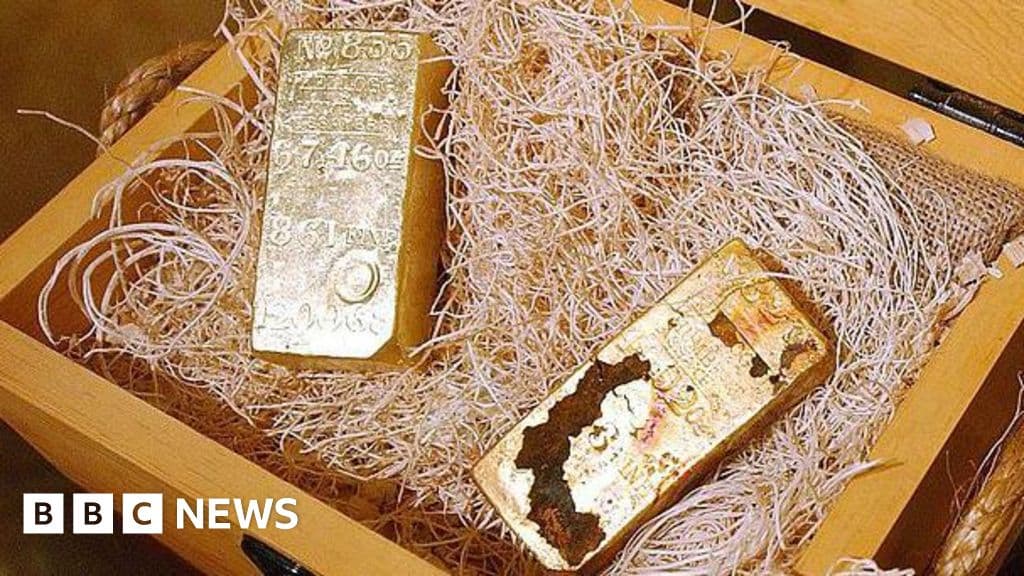
Tommy Thompson, the 73-year-old treasure hunter who discovered millions in gold from the 1857 wreck of the SS Central America, walked free from prison this week after a decade behind bars. His refusal to disclose the location of 500 missing gold coins—part of a $400 million haul—sparked a high-stakes legal battle with investors and raised questions about underwater archaeology and maritime law. The case, which began in 1988, has become a landmark in the intersection of treasure hunting, corporate finance, and legal ethics.
The SS Central America: A Shipwreck That Changed History
The SS Central America, dubbed the 'Ship of Gold,' sank in a hurricane off the coast of South Carolina in 1857 while carrying 30,000 pounds of newly minted gold from San Francisco to New York. The disaster, which claimed 425 lives, exacerbated the Panic of 1857—a financial crisis that rippled across the U.S. economy. The ship’s cargo, intended to bolster Eastern bank reserves, became a legendary lost treasure, inspiring decades of failed recovery attempts.
In 1988, Thompson, then an oceanic engineer at Ohio’s Battelle Memorial Institute, led a team that successfully located the wreck at a depth of 7,000 feet. Using deep-sea technology, they recovered thousands of gold bars and coins, later selling much of the haul to a marketing group for $50 million in 2000. However, the recovery was marred by disputes over ownership and profits, setting the stage for a protracted legal battle.
The Legal Battle: Investors vs. the Treasure Hunter
Thompson’s investors, 161 in total, had collectively invested $12.7 million in the recovery effort, expecting a share of the proceeds. By 2005, they sued, alleging Thompson had withheld profits and failed to distribute earnings. A federal judge later found Thompson in civil contempt of court for refusing to disclose the whereabouts of the remaining 500 coins, valued at up to $400 million.
Thompson maintained that the coins were placed in a trust in Belize and that legal fees and bank loans consumed most of the initial profits.
The case took a dramatic turn in 2012 when Thompson vanished, evading court orders for years. He and an associate were finally arrested in 2015 in Boca Raton, Florida, where they had lived under false names, paying cash for a hotel room and avoiding detection. Thompson’s legal team argued that his imprisonment was unjust, as he had no intention of revealing the coins’ location.
Why the Case Matters: Legal Precedents and Ethical Questions
Thompson’s release last year, after a judge ruled he was unlikely to ever comply, underscores the complexities of underwater archaeology and treasure hunting. The case raises ethical questions about who owns sunken treasures—discoverers, investors, or the public—and whether courts can force disclosure of such finds. It also highlights the risks of high-stakes investments in treasure recovery, where legal battles can drag on for decades.
Maritime law experts note that the SS Central America case has set precedents for future recoveries. Courts have increasingly sided with investors in such disputes, but the Thompson case demonstrates the limits of legal enforcement when assets are hidden or destroyed. The fate of the missing coins remains a mystery, fueling speculation about whether they were ever recovered or if they remain lost at sea.
Key Takeaways
- Tommy Thompson spent 10 years in prison for refusing to disclose the location of 500 missing gold coins from the SS Central America.
- The shipwreck, discovered in 1988, contained up to $400 million in gold, but legal battles delayed profits for investors.
- The case highlights the legal and ethical challenges of treasure hunting, including ownership disputes and court enforcement.
Frequently Asked Questions
Frequently Asked Questions
- What happened to the missing gold coins from the SS Central America?
- The 500 missing coins remain unaccounted for. Thompson claimed they were placed in a trust in Belize, but their exact location is unknown.
- Why was Tommy Thompson jailed for so long?
- He was held in civil contempt for refusing to disclose the coins' location, a sentence that typically lasts until compliance—but the judge ruled he was unlikely to ever comply.
- How much was the SS Central America's gold worth?
- The recovered gold was valued at up to $400 million, though legal fees and disputes reduced the actual profits distributed.