Starting this month, passengers booking United Airlines’ business-class tickets on select routes will encounter a stark new reality: the most affordable premium fares will come with paywall-style restrictions on amenities once considered standard. The airline’s rollout of a tiered fare structure—dubbed 'Base,' 'Standard,' and 'Flexible'—marks the first time a major U.S. carrier has applied the 'basic economy' concept to its premium cabins, stripping away perks like complimentary advance seat assignments, extra checked bags, and lounge access unless travelers pay extra. For a carrier long positioning itself as a premium rival to Delta Air Lines, the move underscores a broader industry shift toward unbundling services, even in the most expensive cabins.
- United’s new 'Base Business' fares will charge extra for advance seat assignments and checked bags on select long-haul routes starting this month.
- The tiered structure introduces 'Standard' and 'Flexible' options, restoring lost perks at higher prices while offering refundability and change flexibility.
- This change aligns with United’s broader overhaul of its MileagePlus program and cabin refresh, aiming to compete more aggressively in the premium market.
- The move follows overseas trends, with airlines like British Airways, Air France, and Lufthansa already offering stripped-down premium fares.
Why United’s Tiered Business Fares Signal a Major Shift in Airline Pricing
United Airlines’ decision to introduce tiered fares in its premium cabins represents a seismic shift in how airlines price and package their most lucrative offerings. Historically, business-class tickets were sold as all-inclusive products, bundling amenities like lounge access, priority boarding, and free checked bags into a single upfront price. But as airlines face rising costs—from fuel to staffing—and seek to maximize revenue from each passenger, many are now adopting a 'à la carte' approach, allowing travelers to pay only for the services they value. This strategy, pioneered in economy cabins with 'basic economy' fares over a decade ago, is now trickling upward into premium classes.
The Breakdown of United’s New Premium Fare Tiers
Under United’s new structure, passengers booking business-class tickets will choose from three fare types, each with distinct trade-offs between cost and convenience:
- **Base Business:** The entry-level tier, priced lowest but with significant restrictions. Passengers pay extra for advance seat assignments (typically $25–$100 per segment), receive only one free checked bag (instead of the usual two), and lose access to United’s Polaris lounges. Changes and refunds are also prohibited, and travelers are ineligible for travel credits if their plans change.
- **Standard Business:** Mid-tier option that restores most lost perks. Advance seat assignments are included, as are two free checked bags. Refunds and changes are permitted (for a fee), and Polaris lounge access is granted. This fare type is designed for passengers who want a balance between cost and flexibility.
- **Flexible Business:** The premium tier, offering maximum convenience. All perks are included—advance seat assignments, two free checked bags, Polaris lounge access, and full refundability or changes without penalties. This option targets high-value corporate travelers and those with unpredictable schedules.
The new fare structure extends beyond business class to United’s Premium Plus cabin, which offers recliner-style seats similar to domestic first class. Premium Plus passengers will also see tiered options, though the restrictions are less severe than in business class. For example, Base Premium Plus fares may exclude advance seat assignments or lounge access, while Flexible options restore these benefits.
Where and When Will These New Fares Roll Out?
United plans to launch the tiered fare structure in 'select markets this month,' with a full expansion scheduled for 2026. The initial rollout will target long-haul international routes, transcontinental U.S. flights (such as New York to Los Angeles), and longer Hawaii routes. Over time, the new fares will be available on every United plane equipped with a Polaris business-class cabin—primarily long-haul international flights but also select domestic and Hawaii routes. Notably, the changes will not apply to shorter international routes or domestic flights where United sells recliner seats under the 'first-class' branding.
Routes and Cabins Affected by the Change
The tiered fares will first appear on routes like:
- London Heathrow (LHR) to Newark (EWR)
- Tokyo Narita (NRT) to San Francisco (SFO)
- Sydney (SYD) to Los Angeles (LAX)
- New York JFK to Los Angeles (LAX)
- Chicago O’Hare (ORD) to Honolulu (HNL)
United’s fleet of Boeing 787 Dreamliners, 777s, and select Airbus A350s will be the first to feature the new fares, as these aircraft typically operate on the carrier’s premium long-haul routes. The airline has not announced a timeline for expanding the program to its Boeing 767s or other narrow-body aircraft used on shorter domestic and international flights.
The Strategic Context: Why United Is Pivoting to Tiered Fares Now
United’s move is part of a sweeping strategic overhaul aimed at positioning the carrier as a premium leader in the U.S. airline industry. This transformation includes three key pillars: fare restructuring, loyalty program changes, and cabin upgrades. Taken together, these initiatives reflect a bet that customers will pay more for flexibility and perks—even if it means paying extra for services they previously received for free.
Overhauling the MileagePlus Program
In April, United implemented significant changes to its MileagePlus loyalty program, which now prioritizes cobranded credit cardholders when earning miles. Under the new rules, elite members and credit cardholders earn miles at higher rates than general members, effectively reducing the value of miles for casual flyers. This shift aligns with the airline’s broader revenue strategy, which increasingly targets high-spending travelers and corporate accounts. The tiered fare structure in premium cabins complements this approach by offering more options for customers willing to pay a premium for flexibility.
Upgrading Cabin Interiors to Compete with Delta
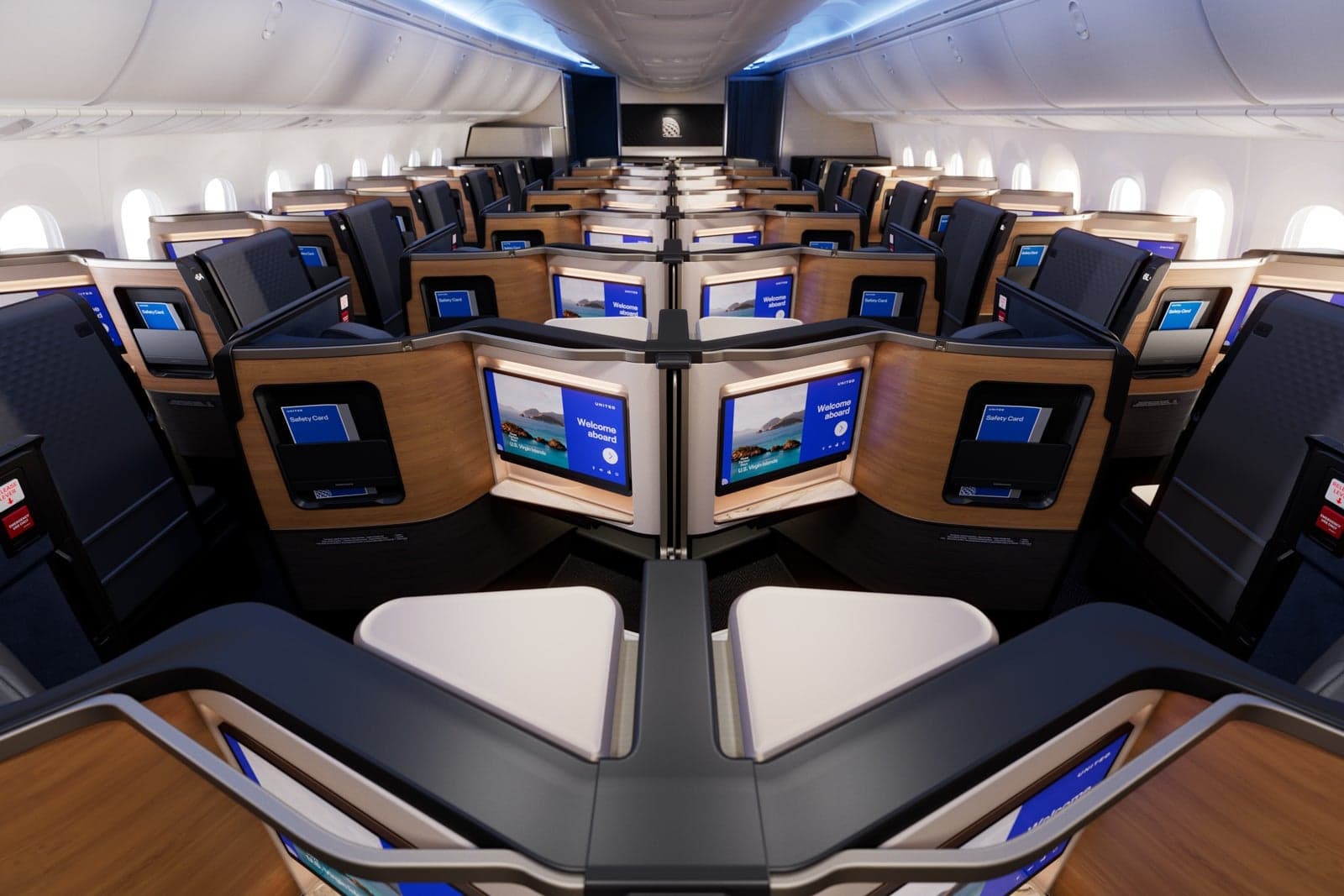
United has been aggressively refreshing its cabins to close the perceived gap with Delta Air Lines, which has long dominated the premium market with its Delta One suites and Sky Priority perks. Recent upgrades include the introduction of the 'Coastliner' configuration on transcontinental routes, featuring lie-flat seats in a 1-2-1 layout, and plans to debut new 'suite-like' seats in economy by 2027. These investments are designed to justify higher fares while ensuring the airline remains competitive in the race for premium passengers. The tiered fare structure allows United to cater to a wider range of budgets within its premium cabins, from cost-conscious business travelers to luxury-seeking flyers.
A Global Trend: How U.S. Airlines Are Following Overseas Precedents
United’s tiered premium fares are not an isolated innovation but part of a broader global trend. European carriers like British Airways, Air France, and Lufthansa have offered stripped-down premium fares for years, often marketed as 'Lite' or 'Essential' options. These fares typically exclude perks like lounge access, priority boarding, or free checked bags unless travelers pay extra or purchase a higher-tier fare. The strategy has proven lucrative for international airlines, which operate in a more competitive market where passengers are accustomed to paying for individual services.
United’s chief commercial officer, Andrew Nocella, framed the move as a response to customer demand for choice: 'These new tiered options give customers more choice and make it easier to find a fare that includes the benefits they want most — whether that's a great value, added perks, or maximum flexibility.'
How Travelers Are Likely to React: Potential Backlash and Long-Term Impact
While airlines argue that tiered fares empower customers to pay only for what they need, the move risks alienating premium travelers who expect a baseline level of service for the high prices they pay. Early reactions from frequent flyers suggest mixed feelings: some business travelers accustomed to all-inclusive fares may bristle at the idea of paying extra for seat assignments or checked bags, while budget-conscious corporate travelers could welcome the savings. The success of United’s initiative may hinge on how well the airline communicates the value proposition of its tiered fares and whether customers perceive the Base option as a fair trade-off for lower upfront costs.
Could This Spark a Broader Industry Trend?
If United’s tiered premium fares prove popular, other major U.S. carriers like Delta, American, and Alaska Airlines may follow suit, further unbundling services in their premium cabins. Delta has previously hinted at considering similar changes, and American Airlines has experimented with basic economy-like restrictions in premium cabins on some routes. The risk for airlines, however, is that excessive unbundling could erode customer loyalty and brand perception, particularly among high-spending frequent flyers who drive a disproportionate share of revenue.
What This Means for Your Next Business-Class Flight
For travelers booking United business-class tickets in the coming months, the new tiered fare structure adds a layer of complexity to an already nuanced purchasing decision. Here’s what to consider before booking:
1. Assess Your Travel Needs
If you’re a business traveler who values flexibility, the Flexible Business fare may be worth the premium, as it includes refundability and change options. Conversely, leisure travelers on a tight budget might opt for the Base fare, accepting the restrictions in exchange for a lower upfront cost. Ask yourself: Do you need to select a specific seat in advance? Will you require additional checked bags? Are your plans subject to change?
2. Compare Total Costs, Not Just Base Fares
When evaluating fares, factor in the cost of add-ons like seat assignments, checked bags, and lounge access. For example, a Base Business fare priced at $2,000 might balloon to $2,200 or more once you pay for a preferred seat and an extra checked bag. In some cases, upgrading to a Standard or Flexible fare could offer better value, especially if you anticipate needing these services.
3. Weigh Loyalty Benefits
United’s tiered fares could impact how you earn and redeem miles. Higher-tier fares (Standard and Flexible) may offer better redemption value for elite members, while Base fares could limit your ability to earn miles or qualify for status. If you fly United frequently, consider whether the savings from a lower-tier fare justify the loss of loyalty benefits.
The Broader Implications for the Airline Industry
United’s tiered premium fares are more than just a pricing experiment—they reflect a fundamental shift in how airlines approach revenue management in an era of high costs and intense competition. As fuel prices remain volatile and labor costs rise, carriers are under pressure to extract more value from each passenger. The unbundling of services allows airlines to cater to diverse customer segments, from budget-conscious travelers to high-spending corporate clients, without alienating either group.
Potential Risks for Airlines
However, the strategy is not without risks. Airlines that over-restrict their premium fares risk damaging customer loyalty, particularly among frequent flyers who drive a significant portion of revenue. Additionally, excessive unbundling could lead to a race to the bottom, where airlines compete primarily on price rather than service quality. For United, the success of its tiered fares will depend on whether customers perceive the Base option as a fair compromise or a bait-and-switch tactic.
Frequently Asked Questions
Frequently Asked Questions
- Which United Airlines routes will have the new tiered business-class fares first?
- United plans to launch the tiered fares in select long-haul international, transcontinental U.S., and longer Hawaii routes this month, with a full expansion scheduled for 2026. Routes like London to Newark and Tokyo to San Francisco will be among the first affected.
- Can I still access United’s Polaris lounges with a Base Business fare?
- No. Only Standard and Flexible Business fares include access to United’s Polaris lounges. Base Business passengers will have access to United Club locations but not the premium Polaris lounges typically reserved for higher-tier fares.
- How do the new fares affect MileagePlus members?
- The new tiered fares impact how you earn and redeem miles. Higher-tier fares (Standard and Flexible) may offer better redemption value, while Base fares could limit your ability to earn miles or qualify for elite status. Credit cardholders are prioritized in the updated MileagePlus program.