LOS ANGELES — The sudden escalation of the war in Iran is reshaping the U.S. housing market this spring, turning what was expected to be a buyer-friendly season into a precarious landscape marked by rising mortgage rates, stubborn inflation, and deepened economic uncertainty. Just weeks after mortgage rates had dipped to 6%—their lowest level in over three years—lenders have swiftly adjusted to 6.46%, the highest rate in nearly seven months, as surging energy prices and geopolitical tensions stoke fears of prolonged inflation. This abrupt reversal threatens to derail the spring homebuying surge, traditionally the busiest period of the year, while simultaneously offering a rare window of opportunity for well-prepared buyers who can navigate the volatility.
- Mortgage rates spiked from 6% to 6.46% in March 2026 following the outbreak of war in Iran, erasing early-year gains and complicating affordability.
- Homebuyers with strong finances are gaining leverage in negotiations due to increased inventory and slower sales, but economic uncertainty looms large.
- The median home price remains nearly five times the median household income, despite recent price declines in some metro areas, underscoring persistent affordability challenges.
- Industry experts warn that further rate hikes could stall mortgage applications and prolong the sluggish housing recovery that began in 2022.
How the Iran War Is Driving Up Mortgage Rates and Inflation Fears
The outbreak of war between the U.S. and Iran in late February 2026 has sent shockwaves through global energy markets, driving oil prices sharply higher and stoking inflation concerns among economists and consumers alike. The conflict’s immediate impact on mortgage rates is indirect but potent: as investors seek safer assets amid heightened geopolitical risk, demand for U.S. Treasury bonds has surged, pushing yields higher. Lenders use the yield on the 10-year Treasury as a benchmark for 30-year mortgage rates, and the recent climb in yields has translated directly into more expensive home loans.
The Role of Oil Prices and Consumer Sentiment
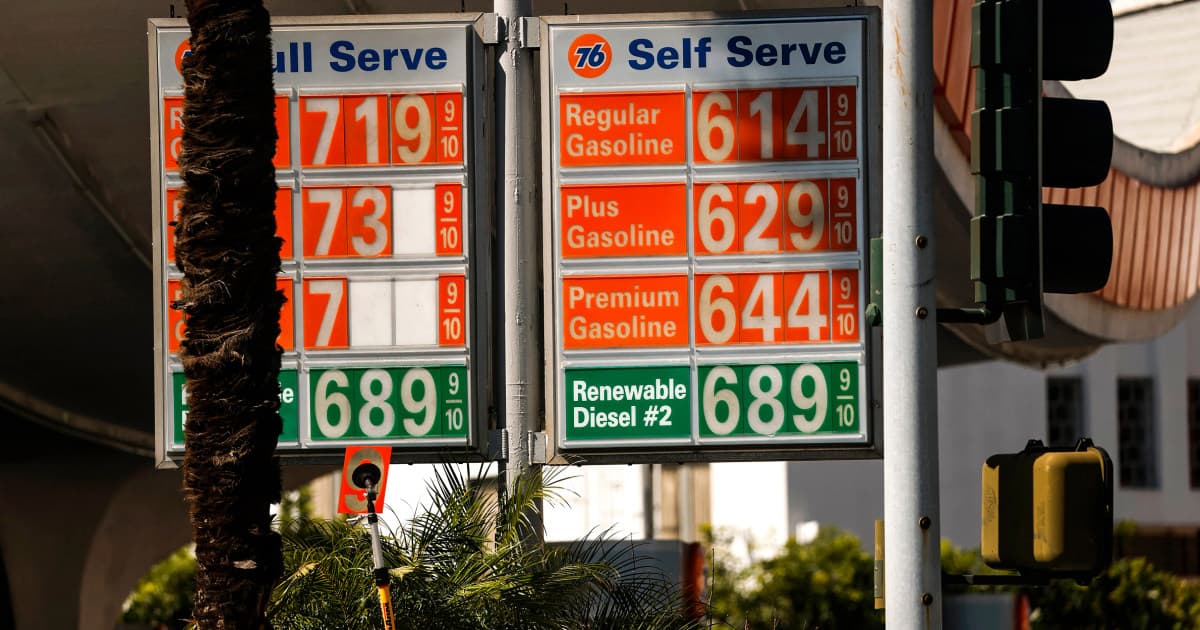
The war’s disruption of oil supplies from the Middle East has pushed gasoline prices past $3.80 per gallon in many U.S. cities, according to AAA data, fanning public anxiety over rising costs of living. This psychological effect is compounding the Federal Reserve’s ongoing battle to tame inflation, which had shown tentative signs of cooling in late 2025. "When consumers see energy prices climbing, they expect inflation to persist, which makes them more likely to save rather than spend," said Dr. Lisa Patel, an economist at Moody’s Analytics. "That shift in behavior can ripple through the economy, affecting everything from consumer confidence to housing demand."
The spike in mortgage rates is particularly painful because it comes on the heels of a brief period of relief for homebuyers. In the final week of February 2026, the average 30-year fixed mortgage rate had fallen to 6%, its lowest level since mid-2023. However, by mid-March, rates had jumped to 6.46%, erasing those gains and pushing monthly payments higher for prospective buyers. For example, on a $400,000 home with a 20% down payment, the difference between a 6% and 6.46% rate translates to an additional $83 per month—or nearly $1,000 per year in interest payments.
Spring Housing Market: A Buyer’s Market with Cracks
Despite the headwinds posed by rising rates and geopolitical instability, the housing market is exhibiting several trends that favor buyers this spring. Nationally, the number of active home listings surged nearly 8% in February 2026 compared to the same month last year, according to data from Realtor.com. This increase is uneven across the country, with the West, Midwest, and South seeing the most significant gains. In 43 of the 50 largest U.S. metro areas, including Seattle, Indianapolis, and Las Vegas, inventory levels are up by as much as 38.5%. Even in high-cost markets like Los Angeles and Washington, D.C., where prices are still elevated, the pace of home sales has slowed, giving buyers more time to evaluate options.
Slower Sales and Price Declines in Key Metros
The median listing price in February 2026 fell year-over-year in 27 of the nation’s 50 largest metro areas, with some of the steepest declines occurring in Austin (-8.9%), Memphis (-8.8%), and Washington, D.C. (-5.2%). In Los Angeles, the median listing price dropped 5.1%, while San Diego saw a 5.4% decline. These price adjustments are a stark contrast to the frenetic pace of 2021 and 2022, when bidding wars and record-high prices were the norm. "We’re seeing sellers who were accustomed to multiple offers in 2021 now having to adjust their expectations," said Matthew Crites, a real estate agent with Coldwell Banker Realty in the Dallas-Fort Worth metroplex. "In some cases, they’re pricing more competitively or offering concessions just to attract buyers."
The Inventory Buyer’s Advantage
The gap between buyers and sellers has widened significantly, creating one of the most buyer-friendly markets in over a decade. A recent analysis by Redfin estimates that there were 46% more sellers than prospective buyers in the market in February 2026, up from a 30% surplus a year earlier. This imbalance is most pronounced in cities like Miami, Nashville, and Austin, where sellers far outnumber buyers. Joel Berner, a senior economist at Realtor.com, notes that this dynamic gives well-positioned buyers substantial leverage. "Sellers are now more likely to negotiate on price, closing costs, or repairs," Berner said. "That’s a dramatic shift from the seller’s market we’ve seen for much of the past decade."
“The war in Iran has seriously complicated the spring buying season. I expect that many buyers will be put off by rising rates and mounting economic uncertainty, choosing to bide their time rather than jumping on board for a purchase before rates go up.”
Affordability Remains the Overarching Challenge
Even with the recent softening in home prices and increased inventory, affordability remains a critical hurdle for many Americans. The median price of an existing home sold in February 2026 was $398,000, according to the National Association of Realtors—nearly five times the median household income of $82,000. Historically, homes have cost about three times the median household income, but that rule of thumb has been upended by a decade of low interest rates followed by rapid inflation. "We’re still in a situation where wage growth has not kept pace with home prices," said Sarah House, a senior economist at Wells Fargo. "Even with lower rates than we saw in 2023, the combination of high prices and elevated borrowing costs makes homeownership out of reach for many first-time buyers."
The Cost of Waiting Versus Acting Now
For buyers like Anne King, a contract administrator from Fort Worth, Texas, the calculus came down to timing and risk. King purchased a three-bedroom ranch-style home in late February for $275,000—$10,000 below the asking price—after securing a 6% mortgage rate. She also negotiated for the seller to contribute $5,000 toward closing costs and $12,000 for repairs after a home inspection revealed roof damage. "Fortunately for me, the seller was in a position they needed to sell," King said. "I feel like I got a good deal on this property, and that’s all that matters." King had initially hoped rates would drop further, but the outbreak of war in Iran made her hesitant to wait. "Last May, I experienced a bidding war when I bought a townhouse in Arlington," she recalled. "I didn’t want to risk competing with more buyers this spring."
Sellers Face a Reality Check: Patience and Pricing Discipline
While buyers may be enjoying newfound leverage, sellers are grappling with a market that no longer bends to their will. Gail and David Sanders, a couple from Olathe, Kansas, listed their four-bedroom home in late February for $525,000 after initially pricing it at $535,000. Despite hosting open houses and adjusting their price, they had not received a single offer by late March. Their situation reflects a broader trend: homes are taking longer to sell, and sellers who overprice risk languishing on the market. "We just didn’t think it was fair to lock ourselves into a contingent offer on another house when we weren’t sure how fast ours would move," Gail Sanders explained. "I don’t want to be stuck with two mortgages."
The Role of Local Markets: Winners and Losers
The housing market’s performance varies dramatically by region, with some areas showing resilience despite the broader slowdown. In Kansas City, for example, the median listing price rose 4.1% year-over-year in February, though inventory surged nearly 20%. Meanwhile, in high-growth markets like Nashville, sellers still hold significant power, with a surplus of buyers chasing limited inventory. "In markets where job growth remains strong, like Nashville or Austin, sellers can still command premium prices," said Jo Chavez, a Redfin agent in Kansas City. "But in areas where economic activity is slowing, sellers are having to adjust quickly or risk sitting on the sidelines."
The Broader Economic Fallout: Job Market and Consumer Confidence
The housing market’s struggles are not occurring in a vacuum. The U.S. job market, which had been a relative bright spot in the post-pandemic recovery, is showing signs of strain. Job growth slowed in the first two months of 2026, and the unemployment rate ticked up to 4.1% in February, according to the Bureau of Labor Statistics. Economists warn that rising mortgage rates could further dampen consumer confidence, which has already been shaken by inflation and geopolitical instability. "When people feel less secure about their jobs or their ability to afford a home, they tend to pull back on big-ticket purchases," said Dr. Patel of Moody’s Analytics. "That can create a feedback loop where reduced spending slows economic growth, which in turn affects housing demand."
What’s Next for Mortgage Rates and the Housing Market?
The trajectory of mortgage rates in the coming months will hinge on several factors, including the Federal Reserve’s monetary policy decisions, the outcome of the war in Iran, and the broader trajectory of inflation. If the conflict escalates or oil prices remain elevated, rates could climb further, exacerbating affordability challenges. Conversely, a de-escalation in the Middle East or a sharp drop in inflation could lead to a reversal, with rates easing back toward 6% or lower by summer. "The Fed is walking a tightrope," said House of Wells Fargo. "They need to balance their fight against inflation with the risk of choking off economic growth. Any misstep could have significant repercussions for the housing market."
Key Takeaways for Homebuyers and Sellers in 2026
- Mortgage rates have surged to 6.46% in March 2026, up from 6% in late February, due to geopolitical tensions and inflation fears—erasing early-year gains for buyers.
- Buyers with strong finances and clear budgets are gaining leverage in negotiations, with more inventory and slower sales creating opportunities for price concessions.
- Affordability remains a major obstacle, as home prices (median $398,000) are nearly five times the median household income ($82,000), despite recent price declines in some metros.
- The war in Iran and broader economic uncertainty are injecting volatility into the market, making timing and risk assessment critical for both buyers and sellers.
- Industry experts caution that further rate hikes could stall mortgage applications and prolong the housing market’s sluggish recovery, which began in 2022.
Frequently Asked Questions
Frequently Asked Questions
- How has the war in Iran affected mortgage rates in early 2026?
- The war has driven mortgage rates up from 6% in late February to 6.46% in mid-March due to increased demand for U.S. Treasury bonds amid geopolitical risk. This rise reflects concerns over inflation and economic uncertainty triggered by the conflict.
- Are homebuyers getting better deals this spring?
- In many markets, yes. With more homes on the market and slower sales, buyers are gaining leverage to negotiate lower prices, closing cost assistance, and repairs. However, affordability remains a major hurdle for many due to high prices and elevated rates.
- What should sellers expect in this shifting market?
- Sellers must be more patient and price competitively, as homes are taking longer to sell. Overpricing or refusing to negotiate concessions could leave properties languishing on the market, especially in areas with slower economic growth.