
Americans are set to receive larger tax refunds this year than in 2023, thanks to changes in the tax code. As of February 27, the average federal tax refund stood at $3,742—10.6% higher than the previous year, according to IRS data. However, economists warn that the economic benefits of these refunds could be undermined by the escalating U.S.-led conflict in Iran, which has already driven up gas prices and stoked inflation fears.
Why Bigger Tax Refunds Matter for the U.S. Economy
For millions of Americans, tax refund season represents a critical financial infusion. Many households rely on these refunds to pay down debt, cover essential expenses, or make major purchases. The ripple effects of this sudden cash flow extend across the economy, influencing everything from retail sales to housing markets. In 2023, the average refund was $3,371, meaning this year’s increase—though modest—could still provide a modest boost to consumer spending.
The Role of Tax Refunds in Household Budgets
Tax refunds often serve as a financial lifeline for lower- and middle-income families. A 2022 study by the Brookings Institution found that refunds disproportionately benefit households earning less than $50,000 annually, who are more likely to use the funds for immediate needs like groceries, utilities, or medical bills. Higher-income earners, meanwhile, may allocate refunds toward discretionary spending, such as travel or home improvements.
How the Iran War Is Disrupting Economic Gains
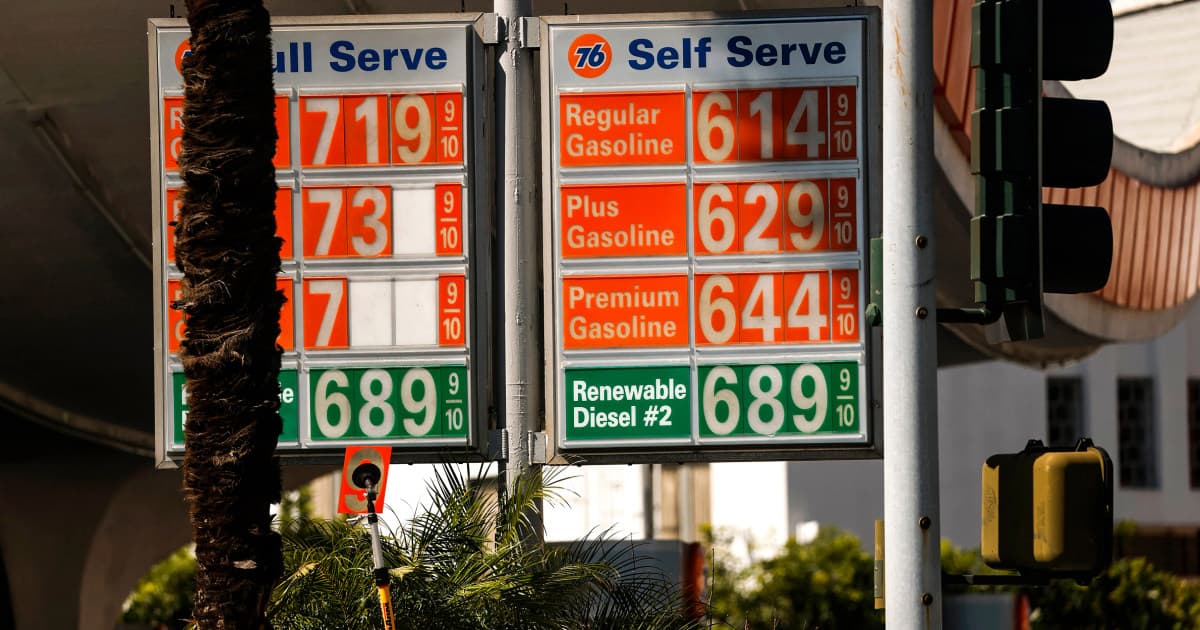
The conflict in Iran has already sent oil prices soaring, with the average U.S. gas price reaching $3.64 per gallon as of late February—up $0.72 from the previous month. This surge in energy costs threatens to offset the economic benefits of larger tax refunds, as consumers are forced to divert more of their income toward essential expenses.
“When a war pushes oil up, it is not just a gasoline story. Gas prices have already jumped sharply, and diesel costs are rising too. That means higher costs for commuting, groceries, shipping, and basic household living.” — Paul Dietrich, Chief Investment Strategist at Wedbush Securities
The Broader Economic Risks of Rising Gas Prices
Higher gas prices don’t just affect drivers—they ripple through the entire economy. Transportation costs rise, increasing the price of goods shipped across the country. Food prices, in particular, are sensitive to fuel costs, as farming and distribution rely heavily on diesel. Meanwhile, businesses that depend on consumer discretionary spending, such as restaurants and retailers, may see demand decline as households tighten their budgets.
Inflation and Interest Rate Concerns
The Federal Reserve has been closely monitoring inflation, which remained steady in February. However, the Iran war introduces new uncertainty. Brent Schutte, Chief Investment Officer at Northwestern Mutual Wealth Management, warns that rising energy costs could reignite inflationary pressures, potentially forcing the Fed to raise interest rates further. This would have cascading effects, particularly on the housing market, where mortgage rates have already climbed to 6.41% for a 30-year fixed-rate loan—up from 5.9% before the conflict escalated.
“There are still inflation embers in the U.S. economy, and an increase in energy has the potential to raise inflation expectations. This, in turn, may cause rates to have to go higher to tamp down inflation.” — Brent Schutte, Northwestern Mutual Wealth Management
The Disproportionate Impact on Lower-Income Families
While all consumers feel the pinch of higher gas prices, lower-income households are hit hardest. According to Max Kahn, President of Coresight Research, energy costs consume a larger share of discretionary spending for these families, leaving less room for other essentials. Unlike groceries or household items, where consumers can shop for deals or buy in bulk, fuel costs are largely fixed—drivers must pay the market rate regardless of income.
Can Tax Refunds Offset the Economic Downturn?
Some economists argue that larger tax refunds could help cushion the blow of rising gas prices. Kahn suggests that refunds may reduce the psychological strain of inflation, allowing consumers to absorb higher costs without drastically cutting back on other spending. However, he cautions that the economic boost from refunds will likely be weaker than in previous years, as more of the money will go toward necessities rather than discretionary purchases.
The Long-Term Economic Outlook
The U.S. economy remains resilient, but the Iran war introduces new risks. If oil prices continue to climb, inflation could accelerate, forcing the Fed to take further action. Meanwhile, consumer confidence—already fragile after years of inflation and economic uncertainty—could weaken further, dampening spending and investment. The coming months will be critical in determining whether the economy can weather these challenges or face a more prolonged slowdown.
- Americans are receiving larger tax refunds in 2024, but rising gas prices may offset the economic benefits.
- The Iran war has driven up oil and diesel costs, increasing household expenses across the U.S.
- Higher energy prices could reignite inflation, potentially leading to further interest rate hikes.
- Lower-income families are disproportionately affected by rising fuel costs, as energy takes a bigger share of their budgets.
- Tax refunds may help soften the blow of inflation, but they are unlikely to fully counterbalance the economic headwinds.
Frequently Asked Questions
- How do tax refunds impact the U.S. economy?
- Tax refunds provide a significant cash infusion for millions of Americans, often used for debt repayment, essential expenses, or discretionary spending. This boosts consumer demand, which drives economic growth.
- Why are gas prices rising due to the Iran war?
- The conflict has disrupted global oil supply chains, causing prices to spike. Higher energy costs then ripple through the economy, increasing the price of goods and services.
- Could the Federal Reserve raise interest rates again?
- If inflation accelerates due to rising energy costs, the Fed may raise rates to cool down price growth. This would make borrowing more expensive, particularly for mortgages and business loans.
