The 2026 Academy Awards promised a return to ‘humanity’—an earnest, almost naive theme for an industry grappling with AI, consolidation, and its own existential dread. By the time the sun set over Los Angeles, the night had devolved into a surreal tableau of frozen sidewalks, wandering feathers, and a caviar bar that ambled through the Dolby Theatre like a modern-day metaphor for excess. For those who braved the event—celebrities, journalists, and a handful of intrepid attendees—it was less a celebration of cinema than a masterclass in the absurdity of Hollywood’s most hallowed ritual.
What Does ‘Humanity’ Mean When the Oscars Feel Like a Preserved Specimen?
The theme of the 2026 Oscars, ‘humanity,’ was a deliberate pivot from the flashy spectacle of years past. Academy CEO Bill Kramer had described the ceremony’s vibe as ‘organic, calm, Zen’—a description that, on X, was compared to the quiet ambiance of a P.F. Chang’s. But by Saturday’s rehearsal, the disconnect was glaring. Inside the Dolby Theatre, the air was so aggressively conditioned that attendees shivered in long sleeves despite 78-degree weather outside. A velvet-lined elevator delivered warnings about what could and could not be revealed before the broadcast: any spoilers about scripted bits, presenter lineups, or the identities of Adrien Brody’s ‘triplets’ (a trench coat stunt to mimic the actor) would be met with swift retribution. ‘We will come after you,’ one representative said, cheerfully.
Brody’s Rehearsal Antics and the Illusion of the Oscars
Adrien Brody, clad in a black T-shirt emblazoned with the word ‘Hollywood,’ spent the afternoon kneeling onstage to test the delivery of his joke, all while a video of Jessie Buckley weeping played on massive screens behind him. Nearby, Rose Byrne, Maya Rudolph, Ellie Kemper, and Kristen Wiig practiced a *Bridesmaids* reunion sketch in towering heels, their laughter echoing through the nearly empty theater. Javier Bardem, in designer black sweats, introduced a faux award alongside an actress playing Priyanka Chopra Jonas before sidling up to the Academy’s brass with a playful ‘Am I fired? I’ll learn the lines!’ The Oscars, after all, were a performance—a fake ceremony with fake winners delivering tearful, Oscar-worthy speeches. One actor, cut off mid-monologue by music, reacted with genuine frustration, his gratitude left hanging in the air like the forgotten feather that would soon drift across the red carpet.
The rehearsal’s artificiality wasn’t just thematic; it was structural. Winners were pre-selected, their speeches cued up in the teleprompter. Actors like Alexandre Desplat delivered Oscar-worthy odes to their mothers, while the faux winners of *Sinners*—a film that would go on to win Best Picture—seemed genuinely shocked when their time ran out. ‘One of the fake Sinners winners was cut off by music as he thanked his mom,’ Handler wrote. ‘He seemed genuinely frustrated.’
The Red Carpet: A War of Attrition and a Feather’s Sad Odyssey
By Sunday afternoon, the Oscars had transformed into a real-life Hunger Games. The air-conditioned gauntlet began with Handler’s Uber driver navigating a maze of blocked-off streets, a tradition as reliable as the red carpet’s selfie wars. ‘This is a first for us,’ two security guards told her after spotting her DSW heels and offering a ride in their SUV. Hollywood Boulevard was a circus: a protest sign reading ‘Forgetting God = Hell’ fluttered near the entrance, while helicopters—once a symbol of joyous arrival—now carried news of drone threats. (They didn’t materialize, but the paranoia lingered.)
The red carpet itself was a battleground. Domhnall Gleeson conducted a triumphant TikTok Live with Andy Richter, while Emma Stone breezed past without a word. Kathy Bates, however, stopped to chat. A stray feather, dislodged from Demi Moore’s gown by an anonymous foot, became the night’s most poignant symbol—a relic of glamour, now trampled and forgotten, pushed across the carpet for 30 minutes until it vanished into the ether. ‘The feather is gone by the time I finally walk into the theater; it seems to have fallen down a hole to the floor below, where Nicole Kidman is talking to Steven Spielberg.’
The Dolby Theatre’s Freezing Hell: Boob Tape, Goldie Hawn, and a Bar That Could Chill a Corpse
Inside the Dolby Theatre, the voice of announcer Matt Berry greeted the audience with a moniker for the night’s proceedings: the ‘Winter Ozempics.’ His opening line—‘You work in Hollywood. Your whole life is a lie.’—elicited laughter, but the humor barely masked the physical discomfort. The press section was a meat locker, and Handler, determined to avoid last year’s ‘mummy neck’ from spray tans, had invested in an arsenal of boob tape: nipple covers, double-sided adhesive, and lifting strips. Five minutes before showtime, she ducked into the restroom to reapply the lifting tape, only to emerge and nearly collide with Goldie Hawn striding out of a stall. ‘Inside the theater, the voice of announcer Matt Berry calls the Oscars the “Winter Ozempics” and implores the audience to have fun,’ Handler wrote. ‘Conan’s monologue goes over well in the room, but I don’t stay in my seat for long because despite being a human, I’m also a journalist and therefore seated far away from the presenters and nominees.’
Downstairs, the bar was a refuge—or a purgatory. Emma Stone and Kate Hudson wandered in first, with Stone ordering a white wine with ice while her husband, Dave McCary, waited. Kurt Russell and Goldie Hawn huddled around Hudson for a spontaneous family meeting, their dynamic a reminder that some Hollywood dynasties transcend awards season. Meanwhile, Handler chatted with Kate Hudson about her dress before Stone returned, her iced wine hastily transferred to a more portable cup. Nearby, Kirsten Dunst, Jesse Plemons, and Alicia Silverstone exchanged hugs before dispersing to restrooms. Silverstone, already sans shoes, sipped a cocktail while watching the ceremony on a screen by the auditorium door. ‘So do we just stand here?’ she asked someone. The answer, it seemed, was yes.
Joel Edgerton bolted into a bathroom. Jack O’Connell jogged past with four waters clutched in his hands. Marty Supreme’s Kevin O’Leary, however, took his time ordering a red wine, using the lull to brag about the rare Kobe Bryant basketball card dangling around his neck—a $19 million asset he co-owned. ‘People really care about this shit,’ he said. ‘I own part of the company that owns the card.’
Jacob Elordi, the Caviar Bar, and the Night’s Most Powerful Force: Hunk Energy
Jacob Elordi entered the bar with his arm around his mother, ordering a tequila on the rocks with lime. The room’s gravitational pull shifted instantly. A woman approached, asking, ‘Is this Jacob Elordi? We have to get a picture with him.’ Elordi, politely averting his gaze, put his other arm around someone shorter than him and walked into a corner, leaving the admirer to snap at a bystander about the whereabouts of someone named Nick. ‘I don’t care about Nick!’ she snapped. The night’s hunk energy reached its apex when Elordi, Paul Mescal, and Joe Alwyn formed a huddle so potent that strangers asked for autographs on their Oscars programs. ‘They chat about their jobs and how they tie their ties in an unsettlingly normal way,’ Handler observed.
The Winners Circle: From ‘Sinners’ Sweep to One Battle After Another’s Triumph
The ceremony’s biggest moments were met with equal parts awe and exhaustion. When *Sinners* won Best Original Screenplay, the bar erupted in cheers, and Gracie Abrams and Paul Mescal emerged from the theater together, with Mescal waiting outside the bathroom like a gentleman. The Sentimental Value cast lined up for Champagne, while Renate Reinsve commiserated with Handler over the travails of boob tape—‘You get used to it,’ she said, as she collected eight glasses for the cast and director Joachim Trier. Stellan Skarsgård held her hand sweetly. Ari Aster, sipping red wine, asked a stranger about her baby before joining a group that included Emma Stone, Felicity Jones, and Alicia Silverstone. Stone, in a moment of unfiltered candor, called a man a ‘fucking loser!’ and hugged him.
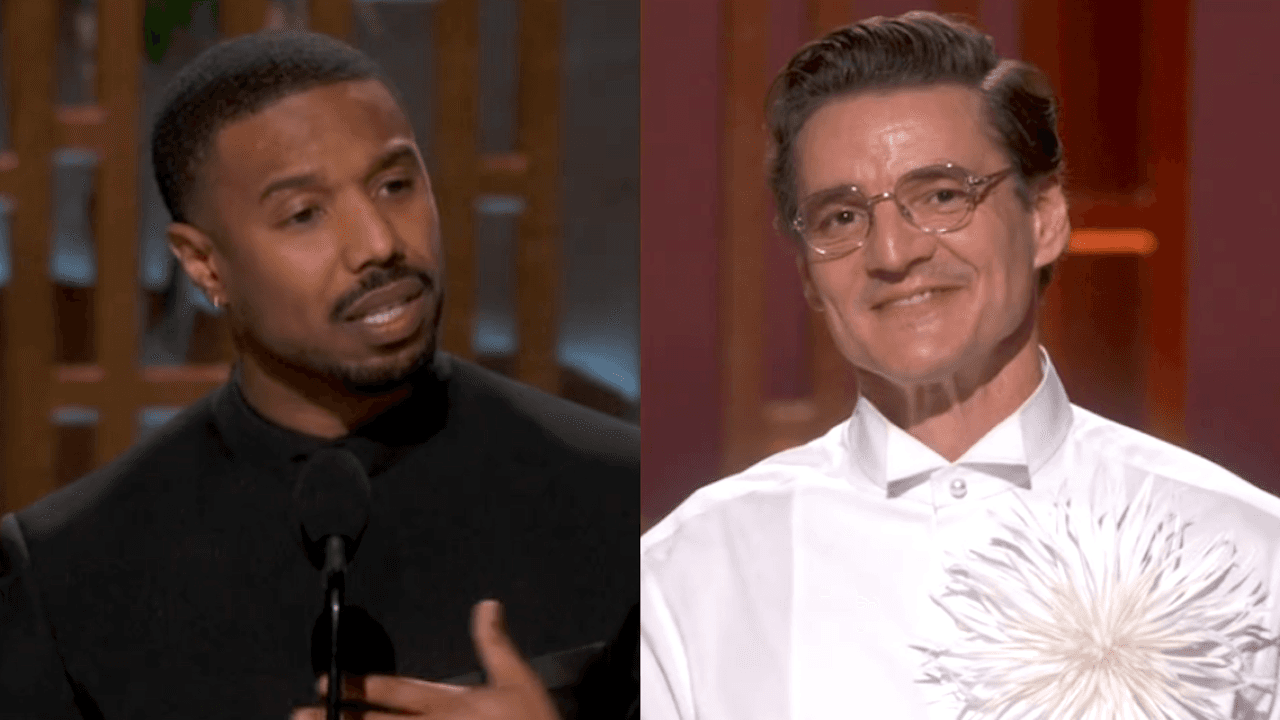
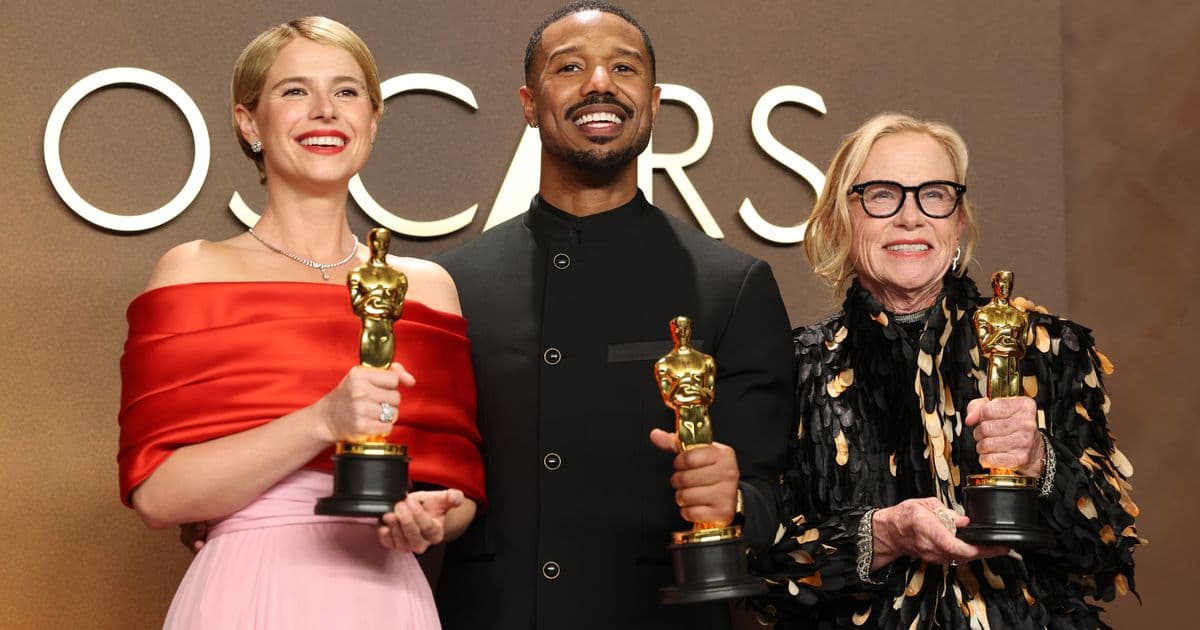
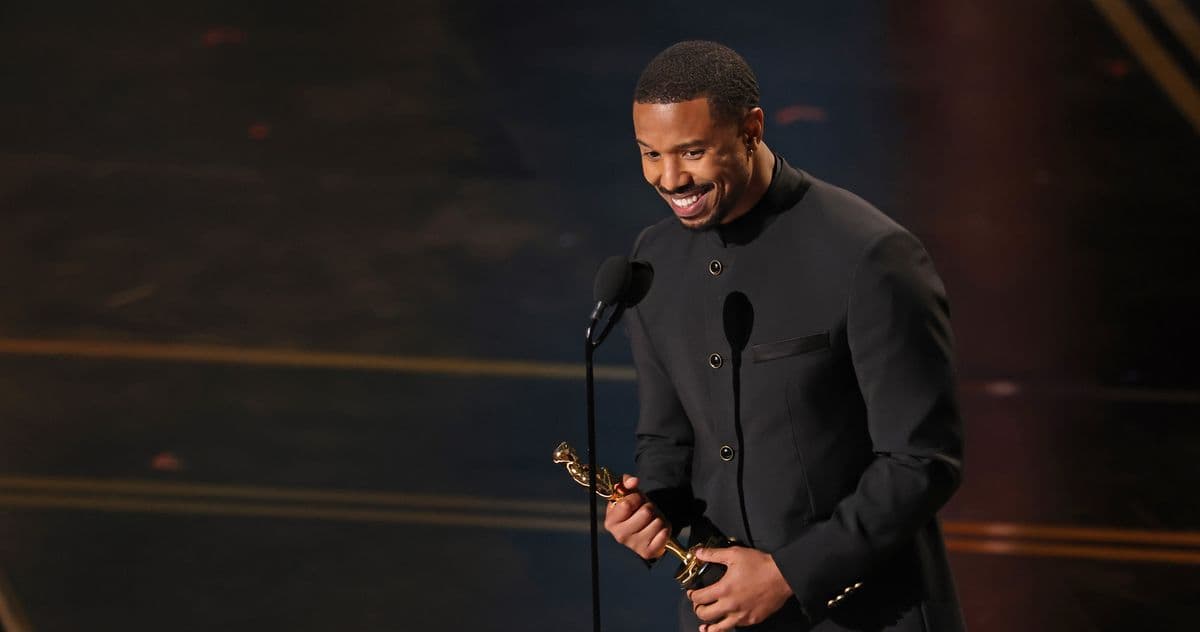
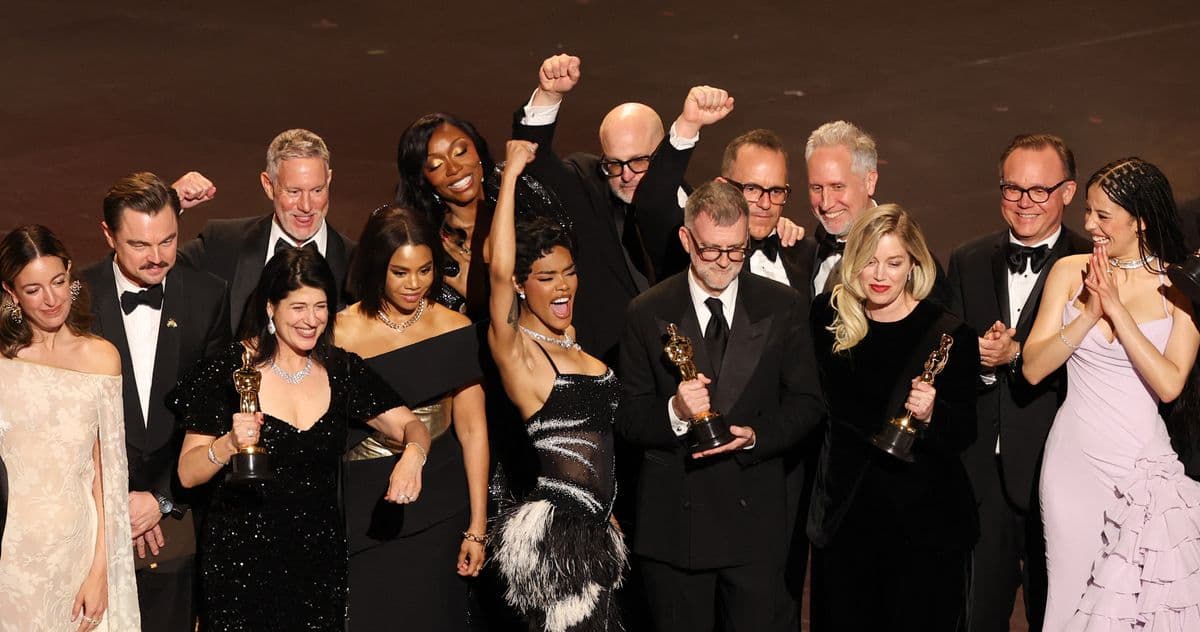
The night’s biggest winner, *One Battle After Another*, took home the final award, but not before Michael B. Jordan (Best Actor) and Jessie Buckley (Best Actress) claimed their statues, and Sentimental Value won Best International Film. Handler, now boob-tape veteran, watched as Frankenstein’s Kate Hawley screamed into a phone in the bathroom, celebrating her Best Costume Design win. Outside, the Governors Ball offered warmth—literally. Caterers directed attendees to stand near the pizza oven. ‘Just don’t put your skin on it or it will burn off,’ one warned. Ellie Kemper tried to explain a controversy over Best Sound, while Alana Haim frantically called a ‘Josh’ from someone else’s phone. ‘Josh?! Where are you?! It’s Alana!’ she cried, before hugging Vicky Krieps instead.
The After-Parties: Caviar on a Leash and the Ghost of Penn Jillette
At the Neon after-party, Handler stood beneath a heat lamp in the limo waiting area, watching the same cast of characters shuffle toward their cars. Joe Alwyn looked ‘a little less tan.’ Attendants shouted out numbers—‘1845, last call!’—and celebrities vanished into the Los Angeles night. The caviar bar, hanging from a man’s neck like a living accessory, offered a final irony: a nod to the night’s theme of ‘humanity,’ served by a man who admitted, ‘I think it could have been a table.’
- The 2026 Oscars’ ‘humanity’ theme clashed with the event’s artificiality, from rehearsed winners to a caviar bar that ambled through the Dolby Theatre.
- Behind-the-scenes chaos included Adrien Brody’s joke rehearsals, Demi Moore’s stray feather, and a frozen press section where boob tape became a survival tool.
- Celebrity encounters ranged from Jacob Elordi’s reluctant fan interactions to Emma Stone’s iced wine and Goldie Hawn’s spontaneous family briefings.
- The night’s biggest winners—*One Battle After Another*, Michael B. Jordan, and Jessie Buckley—marked a triumphant but exhausting end to Hollywood’s most hallowed night.
Why the Oscars Still Matter in an Era of AI and Industry Upheaval
The 2026 Oscars arrived at a cultural inflection point. Hollywood is consolidating at a breakneck pace, with giants like Disney and Warner Bros. Discovery swallowing smaller studios whole. The rise of AI threatens to disrupt everything from scriptwriting to animation, while audiences increasingly turn to streaming platforms over traditional cinema. In this context, the Oscars—ostensibly a celebration of human creativity—feel like a relic, a vestige of an era when a gold statuette could still guarantee prestige. Yet the ceremony endures, not just as a ratings bonanza but as a yearly reminder of the industry’s contradictions: glamour and exhaustion, artistry and artifice, humanity and the caviar bar.
‘Conan’s monologue goes over well in the room, but I don’t stay in my seat for long because despite being a human, I’m also a journalist and therefore seated far away from the presenters and nominees.’
Frequently Asked Questions About the 2026 Oscars
Frequently Asked Questions
- What was the theme of the 2026 Oscars?
- The Academy chose the theme ‘humanity,’ aiming for an ‘organic, calm, Zen’ vibe. However, the night’s artificiality—from rehearsed winners to a caviar bar on a leash—made the theme feel more aspirational than realized.
- Did any major controversies arise during the 2026 Oscars?
- No major controversies were reported, though Handler noted a ‘sketchy’ moment involving Conan O’Brien and an unnamed attendee, as well as a controversy over the Best Sound presentation. The night’s biggest talking point was the theme itself.
- Who hosted the 2026 Oscars?
- Conan O’Brien hosted the ceremony, delivering a monologue that included the memorable line, ‘You work in Hollywood. Your whole life is a lie.’ His opening was praised as ‘epic’ by Academy CEO Bill Kramer.