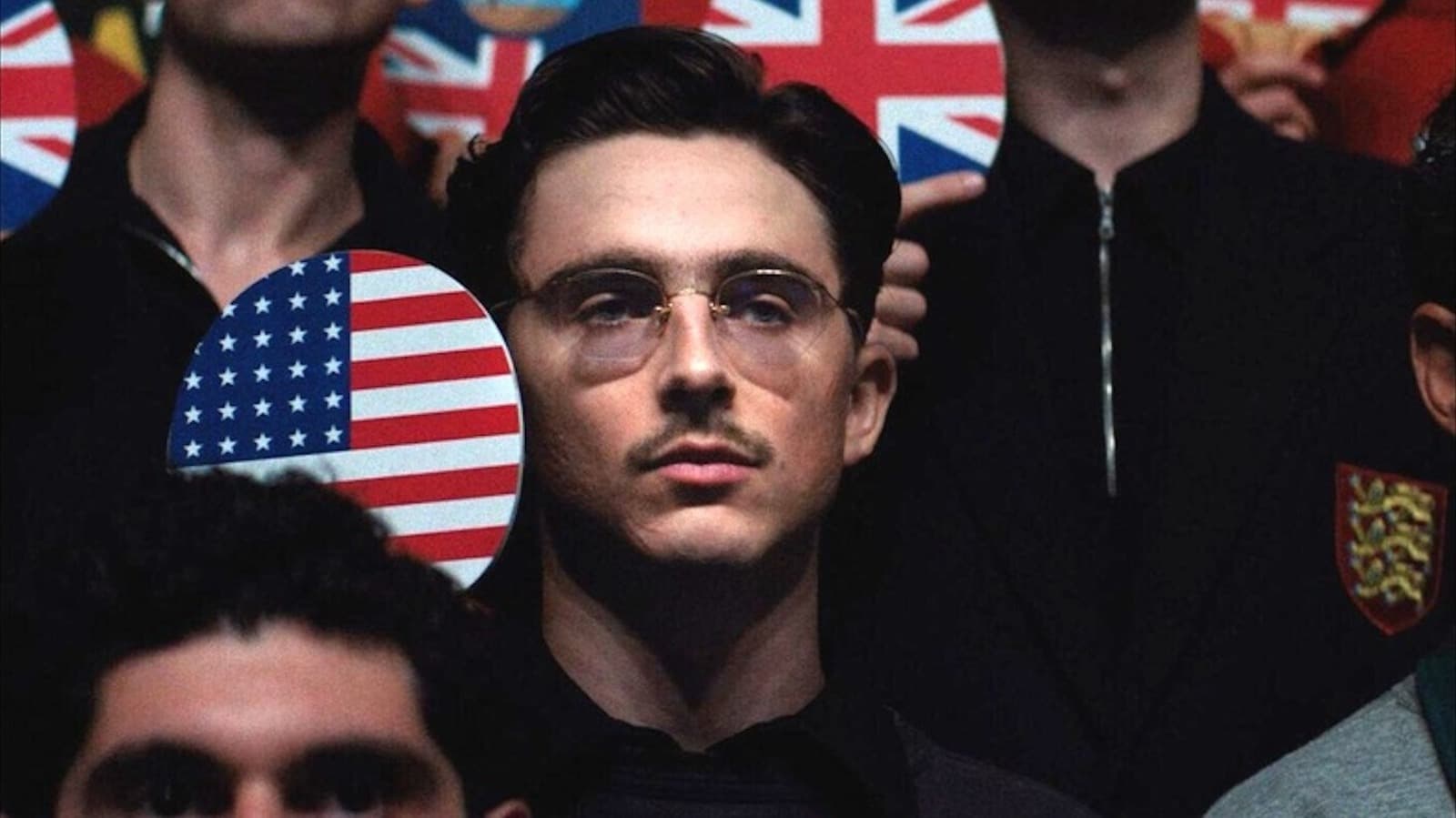
History was made on Sunday night as Hollywood’s most prestigious awards ceremony, the 98th Academy Awards, unfolded under the glare of global scrutiny. The night belonged to Paul Thomas Anderson’s gripping political thriller One Battle After Another , which secured six Oscars out of 13 nominations, including the coveted Best Picture and Best Director awards. Yet, the ceremony was far from one-sided. Ryan Coogler’s critically acclaimed vampire epic Sinners —a film that entered the night with a record 16 nominations—emerged with four wins, including Best Original Screenplay. The contrast between the two films highlighted the unpredictable nature of the Oscars, where artistry, timing, and cultural resonance collide. From historic ties in live-action shorts to sharp political jabs from host Conan O’Brien, the 2026 Oscars delivered drama both on and off the screen.
Key Takeaways from the 98th Oscars: Wins, Surprises, and Controversies
- One Battle After Another claims Best Picture and Best Director, solidifying Paul Thomas Anderson’s status as a modern auteur.
- Sinners , despite its record nominations, wins four Oscars, including Best Original Screenplay for Ryan Coogler.
- Michael B. Jordan takes home Best Actor, overshadowing Timothée Chalamet amid backlash over his comments on opera and ballet.
- A historic tie in Best Live Action Short sees Two People Exchanging Saliva and The Singers share the award.
- Political commentary dominates the ceremony, with hosts and presenters subtly critiquing U.S. policies under President Donald Trump.
- AI controversies loom large after a deepfake video of Brad Pitt and Tom Cruise goes viral, sparking industry-wide debates.
One Battle After Another vs. Sinners: The Ultimate Awards Showdown
The 98th Oscars presented a rare head-to-head battle between two titans of contemporary cinema: Paul Thomas Anderson’s One Battle After Another and Ryan Coogler’s Sinners . The former, a dense, politically charged thriller adapted from Thomas Pynchon’s novel Vineland , entered the night with 13 nominations, trailing only Sinners , which set an Academy Awards record with 16 nods. The competition extended across the most prestigious categories, including Best Picture and Best Director, where Anderson ultimately prevailed. Yet Coogler’s film was no underdog. Sinners , inspired by his uncle’s love of the blues, earned the Best Original Screenplay award, proving that even in defeat, the film’s impact was undeniable.
Anderson’s Victory: A Masterclass in Political Storytelling
For Paul Thomas Anderson, Sunday night marked his fourth Best Director nomination—and his first win. In his acceptance speech, the filmmaker struck a reflective tone, comparing the Best Picture nominees of 1975— Dog Day Afternoon , One Flew Over the Cuckoo’s Nest , Jaws , Nashville , and Barry Lyndon —to the films nominated in 2026. "There is no best among them," he said. "There is just what the mood might be that day." His humility underscored the subjective nature of awards, where critical acclaim and cultural zeitgeist often clash.
Coogler’s Resilience: How Sinners Overcame the Odds
Ryan Coogler’s Sinners faced an uphill battle against One Battle After Another , but it left the ceremony with four wins, including Best Original Screenplay. The film’s success was a testament to Coogler’s vision and the strength of its ensemble cast, led by Michael B. Jordan, who delivered a powerhouse performance in the Best Actor race. Jordan’s victory marked a career-defining moment, capping a decade-long collaboration with Coogler that began with Fruitvale Station in 2013.
Michael B. Jordan Outshines Timothée Chalamet in Best Actor Upset
The Best Actor category became the night’s most contentious race, pitting Jordan against Timothée Chalamet, star of the critically lauded ping-pong drama Marty Supreme . While Chalamet had positioned himself as the frontrunner through aggressive campaigning, his recent comments disparaging opera and ballet—art forms he dismissed as irrelevant—sparked backlash. "We can change society through art, through creativity, through theatre and ballet and also cinema," director Alexandre Singh remarked during his acceptance speech for Best Live Action Short, a pointed rebuttal to Chalamet’s remarks. Host Conan O’Brien leaned into the controversy with a joke: "I’m told there are concerns about attacks from both the opera and ballet communities. They’re just mad you left out jazz."
“Nobody cares anymore” about either art form. — Timothée Chalamet, in a recent interview
Historic Ties and Unexpected Wins: The Night’s Most Shocking Moments
The Oscars are no stranger to surprises, but the 2026 ceremony delivered two unprecedented moments. First, a tie was declared in the Best Live Action Short category, a rarity in Oscar history that has only occurred six times before. The winners? The surrealist thriller Two People Exchanging Saliva and the moody bar-room drama The Singers , each earning equal votes. The second shock came in the form of Autumn Durald Arkapaw’s historic win for Best Cinematography. The first-time nominee, whose work on Sinners was her sole credit, defeated industry veterans like Marty Supreme’s Darius Khondji and Frankenstein ’s Dan Laustsen. "It’s an honor to be in the company of such legendary cinematographers," Arkapaw said, her voice trembling. "This is just the beginning."
The Films That Missed the Mark: Del Toro, Netflix, and the Snubs
Not every contender left the Dolby Theatre with hardware. Guillermo del Toro’s Frankenstein , a visually stunning adaptation of Mary Shelley’s classic, won three technical Oscars—Best Production Design, Best Costumes, and Best Hairstyling and Makeup—but fell short in the major categories. Netflix’s animated hit KPop Demon Hunters , which dominated the animated feature and original song races, also underperformed in broader categories. Meanwhile, Chloe Zhao’s Hamnet , a period drama starring Jessie Buckley, secured just one win—Best Actress—despite eight nominations. Other high-profile snubs included Marty Supreme , which went home empty-handed despite nine nominations, and The Secret Agent , which swept Cannes in 2025 but earned no Oscars.
Political Commentary and AI Controversies: The Oscars Address the State of the Nation
Beyond the trophies and speeches, the 98th Oscars served as a platform for broader cultural and political discourse. Host Conan O’Brien and presenters carefully navigated the charged atmosphere, avoiding direct mentions of President Donald Trump while still skewering his administration’s policies. "We’re here to celebrate the art of cinema," O’Brien quipped, "but let’s be real—some of us are just here to escape the news." The joke drew laughter, but it underscored the tension between Hollywood’s liberal leanings and the country’s polarized climate.
AI Takes Center Stage: Deepfakes and the Future of Filmmaking
The most contentious issue of the night, however, was artificial intelligence. Just weeks before the ceremony, a deepfake video depicting Brad Pitt and Tom Cruise in a rooftop brawl—generated by Chinese tech firm ByteDance—went viral. The video, which appeared indistinguishable from reality, alarmed industry leaders who condemned it as a threat to actors’ livelihoods and a violation of copyright laws. "This isn’t creativity; it’s theft," said SAG-AFTRA president Fran Drescher in a statement ahead of the Oscars. While no direct references to AI were made during the ceremony, the controversy loomed large, casting a shadow over the celebration of human artistry.
The Global Stage: International Films and Representation
The Oscars have long grappled with diversity, and the 2026 ceremony was no exception. While One Battle After Another and Sinners dominated the headlines, international films like Brazil’s The Secret Agent and Ireland’s Hamnet reminded audiences of cinema’s global reach. Jessie Buckley’s win for Best Actress marked a rare international recognition in a category often dominated by American stars. Meanwhile, the Best International Feature Film nominees highlighted stories from Kenya, South Korea, and Argentina, underscoring the Academy’s gradual shift toward inclusivity.
The Legacy of the 98th Oscars: What It Means for the Future of Cinema
As the curtains closed on Hollywood’s biggest night, the 98th Academy Awards left an indelible mark on the film industry. One Battle After Another ’s victory cemented Paul Thomas Anderson’s place among the greats, while Sinners proved that even record-breaking films can’t buy love. The ties, the snubs, and the political undertones reflected a moment in time where cinema is both a mirror and a battleground for cultural conversations. And with AI reshaping the creative landscape, the Oscars may soon face a reckoning: Can awards ceremonies continue to celebrate human artistry in an era of algorithms? One thing is certain—the 2026 Oscars have set the stage for debates that will echo through Hollywood for years to come.
Frequently Asked Questions About the 2026 Oscars
Frequently Asked Questions
- Who won Best Picture at the 2026 Oscars?
- Paul Thomas Anderson’s political thriller <em>One Battle After Another</em> won Best Picture at the 98th Academy Awards, earning six total Oscars.
- Did any films tie for an Oscar this year?
- Yes, the Best Live Action Short category ended in a historic tie between <em>Two People Exchanging Saliva</em> and <em>The Singers</em>.
- What was the controversy surrounding Timothée Chalamet?
- Chalamet faced backlash after dismissing opera and ballet as irrelevant, comments that overshadowed his Best Actor campaign against Michael B. Jordan.