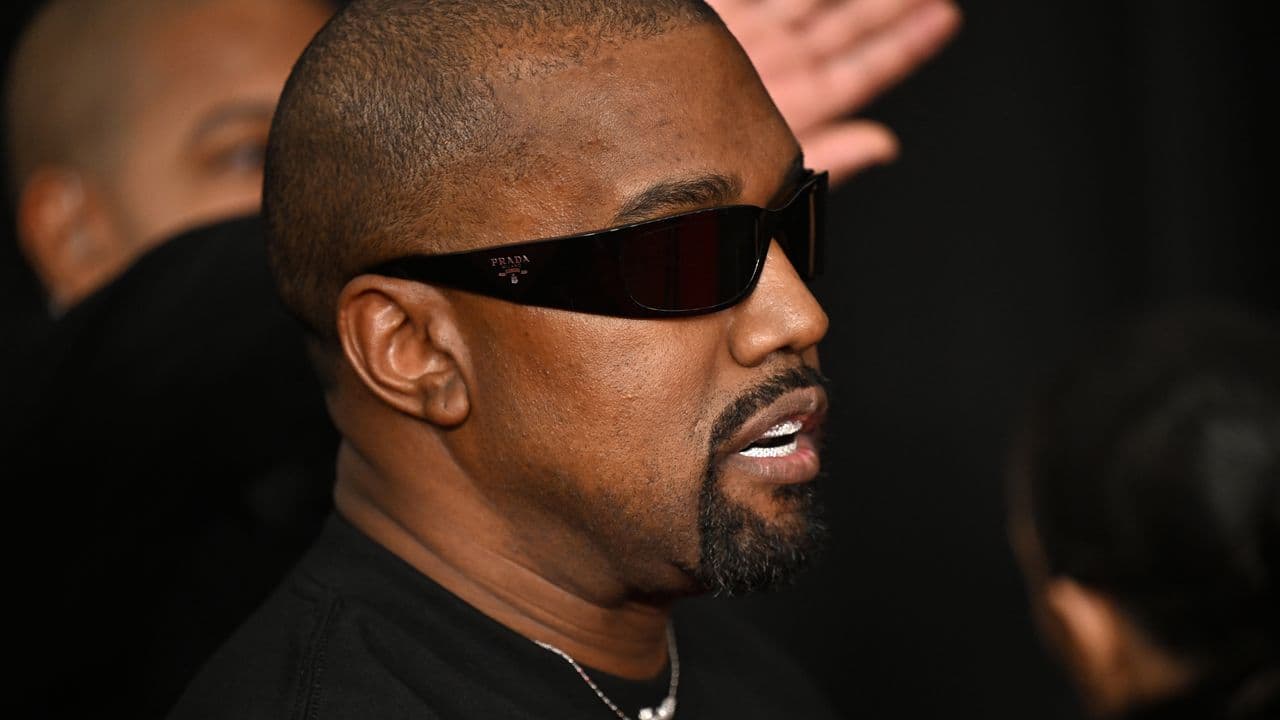
Pepsi and Diageo have abruptly severed their ties with Wireless Festival in London, just days after the event’s organizers announced Kanye West, formerly Kanye Ye, as a headliner for its July 10–12 run at Finsbury Park. The decision came within hours of UK Prime Minister Keir Starmer publicly condemning the booking, citing West’s history of antisemitic remarks and perceived normalization of extremist ideology. The corporate exits—followed by Rockstar Energy Drink and PayPal’s partial withdrawal—have cast a shadow over the festival’s viability and ignited a fierce debate about corporate complicity, artistic freedom, and public accountability in the arts.
Why Sponsors Are Pulling Out: Corporate Accountability in the Public Eye
The rapid withdrawal of major sponsors from Wireless Festival reflects a broader reckoning in corporate branding strategies, where companies are increasingly expected to align with social values and avoid association with figures whose public statements or actions contradict widely accepted ethical norms. Pepsi, which had held a prominent co-branding role as "Pepsi MAX Presents Wireless" since 2015, confirmed its exit Sunday evening, followed by Diageo, the global beverage giant behind Johnnie Walker and Captain Morgan, which issued a statement distancing itself from the festival without naming West directly. While Pepsi’s statement emphasized its commitment to 'inclusive and welcoming spaces,' Diageo’s echoed similar sentiments, noting that its 'brand values do not tolerate hate speech or discrimination.'
The Timeline of Corporate Retreat: From Initial Condemnation to Sponsor Exodus
The unraveling began with political condemnation. On Wednesday, London Mayor Sadiq Khan’s office distanced City Hall from the festival, issuing a statement through a spokesperson that read: 'We are clear that the past comments and actions of this artist are offensive and wrong, and are simply not reflective of London’s values.' The statement clarified that the decision to book West was made solely by festival organizers and not endorsed by local government. Hours later, Liberal Democrat leader Ed Davey escalated the rhetoric, calling for West to be banned from entering the UK, declaring in a Thursday interview with the Guardian, 'We need to get tougher on antisemitism.'
Prime Minister Keir Starmer’s intervention on Sunday marked a turning point. In a statement published by the Sun, Starmer described West’s booking as 'deeply concerning,' adding, 'Antisemitism in any form is abhorrent and must be confronted firmly wherever it appears. Everyone has a responsibility to ensure Britain is a place where Jewish people feel safe.' The timing of Starmer’s remarks—just hours before Pepsi’s announcement—raised speculation that political pressure may have influenced corporate decisions.
By Monday, the exodus accelerated. Variety reported that Rockstar Energy Drink had withdrawn its sponsorship, though the company has not issued a public statement. Meanwhile, PayPal confirmed it would no longer allow its branding to be used at the festival, though sources indicated the company had not fully terminated its sponsorship agreements. As of Monday morning, Budweiser, Beatbox, and Drip remained listed as sponsors on the festival’s website, though their continued involvement appears uncertain in the face of mounting outrage.
Kanye West’s Polarizing Comeback: From Music to Controversy
West’s return to the global stage has been met with both celebration and condemnation. His two sold-out shows at SoFi Stadium in Los Angeles on April 4–5 marked his first substantial solo performances in the U.S. in five years, drawing 80,000 fans per night. The concerts featured guest appearances from Lauryn Hill, Travis Scott, and Don Toliver, and were staged atop a giant half-globe—a visual echo of his 2020 album *Jesus Is King*. West’s stage presence radiated triumph, with him telling the crowd, 'They said I’d never be back in the States. Two sold-out concerts, baby!' and 'I want to thank y’all for sticking by me all these years. Through the hard times, through the low times. I love you for that.'
Public Apologies and Lingering Doubts
West has attempted to rehabilitate his public image through written statements. In January, he took out a full-page apology ad in the *Wall Street Journal*, acknowledging that he had suffered 'a four-month-long manic episode of psychotic, paranoid and impulsive behavior that destroyed my life' and was receiving treatment for a brain condition. He followed this with an email interview in *Vanity Fair* expressing remorse, though the magazine noted the exchange was conducted in writing—raising questions about authenticity. Critics have pointed out that both the *WSJ* ad and *Vanity Fair* interview may have been ghostwritten, further undermining their sincerity.
A History of Provocation and Backtracking
West’s history of inflammatory statements has repeatedly drawn backlash. In May 2024, he released the song 'Heil Hitler,' which was banned from all major streaming platforms. He later rebranded the track as 'Hallelujah,' altering the lyrics to remove Nazi references in favor of Christian themes. Earlier, in 2025, he had sold swastika-emblazoned T-shirts on his website before the items were pulled. These actions have led Jewish advocacy groups, including the U.K.’s Jewish Leadership Council, to label his booking as 'deeply irresponsible,' stating in a Guardian interview: 'West has repeatedly used his platform to spread antisemitism and pro-Nazi messaging… Any venue or festival should reconsider before providing their platform to Kanye West to spread his antisemitism.'
The Wireless Festival: A Cultural Institution Under Threat
Wireless Festival, held annually in London’s Finsbury Park, has long been a cornerstone of the U.K. music calendar, known for its eclectic lineup and massive attendance. Founded in 2005, the event was rebranded in 2015 as 'Pepsi MAX Presents Wireless' following a decade-long partnership with the soft drink giant. Over the years, the festival has featured headliners such as Drake, Ed Sheeran, and Cardi B, cementing its reputation as a must-attend event for pop and hip-hop fans. However, West’s booking has exposed deep divisions within the festival’s support structure. While some fans have welcomed his return to the stage—marking his first U.K. appearance in 11 years—others view the decision as a miscalculation that risks alienating sponsors, artists, and audiences alike.
The Broader Implications: Art, Politics, and Corporate Responsibility
The Wireless Festival controversy is more than a dispute over a single booking; it reflects a growing tension between artistic expression and corporate values in the entertainment industry. Companies like Pepsi and Diageo operate in a landscape where consumer expectations have shifted dramatically. A 2023 Edelman Trust Barometer report found that 63% of consumers worldwide now expect CEOs to take public stances on societal issues, with 58% saying they would buy or boycott a brand based on its stance on a social or political issue. In this context, sponsorship decisions are no longer purely transactional—they carry moral weight and reputational risk.
The Role of Social Media and Public Pressure
Social media has amplified the backlash against West’s booking, with users on X, Instagram, and TikTok sharing screenshots of his past statements and calling for sponsors to withdraw. The hashtag #BanKanyeFromWireless trended globally within hours of the booking announcement, with Jewish organizations, interfaith groups, and anti-hate activists coordinating digital campaigns to pressure companies to act. Pepsi’s decision to exit, in particular, has been framed by some as a victory for advocacy, demonstrating how public pressure can influence corporate behavior in real time.
What’s Next for the Festival? A Future in Question
As of Monday, April 6, only Budweiser, Beatbox, and Drip remained listed as sponsors on the Wireless Festival website, though their continued participation appears precarious. Organizers have not issued a public statement addressing the sponsor withdrawals or the broader controversy. The absence of a clear response has fueled speculation about the festival’s future, with some insiders suggesting the event may be canceled or relocated. The withdrawal of Pepsi, in particular—a brand synonymous with the festival for nearly a decade—raises logistical and financial questions that may be difficult to resolve in the coming weeks.
The Music Industry’s Reckoning: Where Do We Go From Here?
West’s case is not unique in the music industry, where artists with controversial pasts have seen their careers revived or derailed based on public perception and corporate decisions. In 2023, R. Kelly’s Lifetime Achievement Award at the Grammy Awards sparked a similar outcry, leading to its rescission. Meanwhile, figures like Dr. Dre and Snoop Dogg, who have faced their own controversies, have managed to rebuild their images through selective public appearances and strategic partnerships. The question now is whether West’s team can navigate the current storm—or if the industry’s tolerance for redemption arcs has reached its limit.
- Pepsi and Diageo have withdrawn sponsorship from Wireless Festival in London following Kanye West’s headlining booking, citing concerns over his history of antisemitic remarks.
- UK political leaders, including Prime Minister Keir Starmer and London Mayor Sadiq Khan, have publicly condemned the booking, intensifying pressure on sponsors and organizers.
- West’s recent U.S. comeback shows at SoFi Stadium drew massive crowds but did little to quell controversy over his public statements and perceived lack of accountability.
- The festival’s future is now uncertain, with only a handful of sponsors remaining and growing calls for organizers to reconsider the booking.
- The incident highlights the increasing role of corporate values in sponsorship decisions and the power of social media in driving rapid public backlash.
Key Takeaways: What This Means for Brands, Artists, and Audiences
- Corporate sponsors are under mounting pressure to align with social values, and failure to do so can result in rapid reputational damage and financial losses.
- Public figures with controversial histories face higher scrutiny when re-entering the mainstream, particularly when their past statements conflict with modern ethical standards.
- The music industry is grappling with how to handle artists with controversial pasts, balancing artistic freedom with corporate responsibility and audience expectations.
- Social media campaigns and political statements can quickly escalate controversies, forcing brands and organizers to make swift decisions to mitigate backlash.
- The Wireless Festival controversy may serve as a case study in how corporate accountability and public pressure intersect in the entertainment industry.
Frequently Asked Questions
Frequently Asked Questions
- Why did Pepsi pull out of the Wireless Festival?
- Pepsi withdrew its sponsorship following public and political backlash over Kanye West’s headlining role at the festival. The company stated its commitment to 'inclusive and welcoming spaces,' aligning with growing corporate expectations to avoid association with figures whose actions contradict social values.
- Has the Wireless Festival been canceled?
- As of April 6, the festival has not been officially canceled. However, the withdrawal of major sponsors, including Pepsi and Diageo, has raised serious questions about its viability. Organizers have not issued a statement addressing the future of the event.
- What has Kanye West said about his past controversies?
- West has issued written apologies, including a full-page ad in the *Wall Street Journal* in January, where he acknowledged suffering a 'four-month-long manic episode' and receiving treatment for a brain condition. He has also given a written interview to *Vanity Fair* expressing remorse, though critics question the authenticity of these statements.