
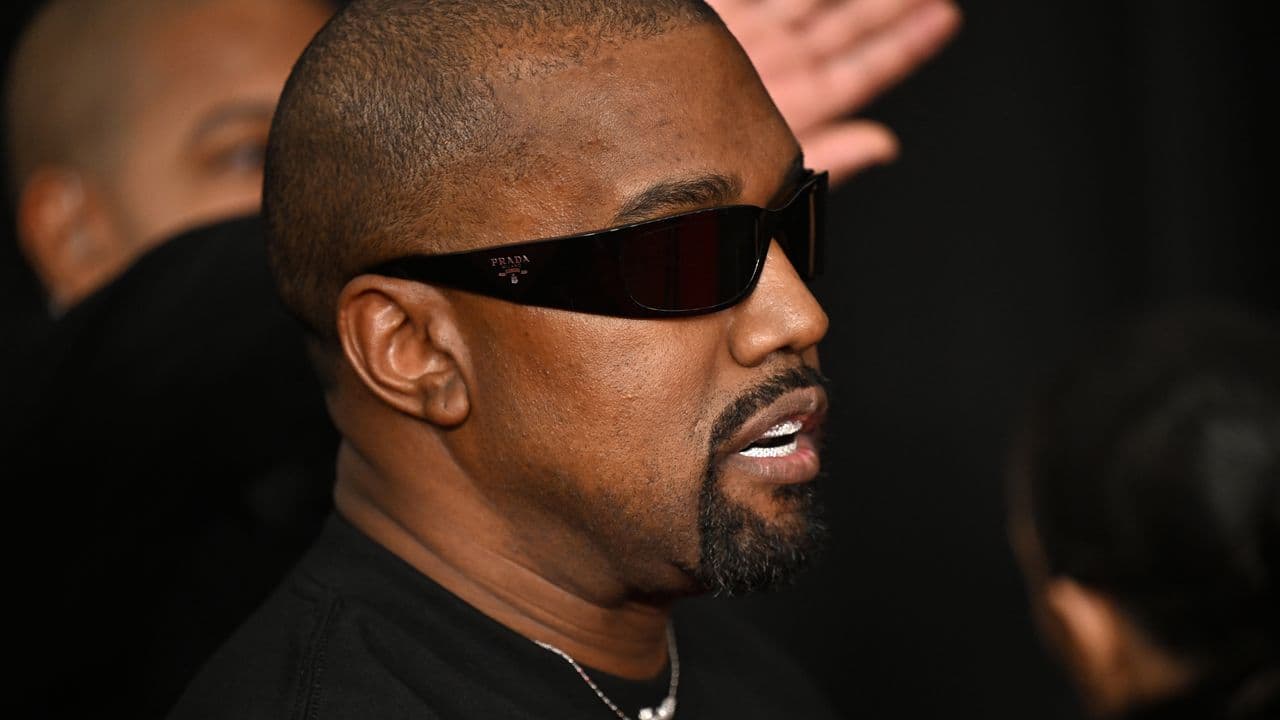
London’s Wireless Festival is at the center of a fiery cultural and political debate after confirming Kanye West, now performing as Ye, will headline all three nights of its 2026 edition. The announcement has sparked outrage, corporate defections, and calls from high-profile British politicians for West to be barred from entering the UK entirely. Yet despite the backlash, festival organizer Melvin Benn of Festival Republic has doubled down, defending the decision in a strongly worded statement that frames the booking as a matter of legal rights, artistic freedom, and redemption. The controversy spotlights the tension between free expression, corporate accountability, and the enduring influence of West’s polarizing public persona, now further complicated by his recent legal troubles and erratic public statements.
Why Kanye West’s Wireless Festival Headlining Is Sparking Global Outrage
The backlash against West’s inclusion on the Wireless Festival bill is rooted in a pattern of antisemitic and inflammatory remarks that have intensified in recent years. In October 2022, West made headlines worldwide after wearing a ‘White Lives Matter’ T-shirt during Paris Fashion Week, a phrase widely recognized as a slogan used by white supremacist groups. His public statements escalated further in late 2024 and early 2025, when he repeatedly praised Adolf Hitler and declared himself a ‘Nazi’ in a since-deleted X post following the 2025 Grammy Awards. These remarks drew immediate condemnation from Jewish organizations, human rights advocates, and political leaders across the UK and the United States. The Anti-Defamation League (ADL) issued a statement calling West’s comments ‘beyond reprehensible,’ while British Prime Minister Keir Starmer told The Sun that West’s booking was ‘deeply concerning.’
Political Leaders Weigh In: From Starmer to Khan
The criticism has transcended cultural commentary, entering the halls of power. Prime Minister Keir Starmer, who took office in July 2024, publicly condemned the festival’s decision, stating in an interview with The Sun that ‘antisemitism in any form is abhorrent and must be confronted firmly wherever it appears.’ Starmer emphasized that ‘everyone has a responsibility to ensure Britain is a place where Jewish people feel safe.’ London Mayor Sadiq Khan, a prominent voice on social issues, also weighed in through a spokesperson, who stated, ‘We are clear that the past comments and actions of this artist are offensive and wrong, and are simply not reflective of London’s values.’ Khan’s office emphasized that the festival’s booking decision was made independently and not by City Hall.
Corporate Sponsors Flee as Public Pressure Mounts
The growing controversy has had immediate financial consequences. At least four major sponsors have severed ties with Wireless Festival over West’s inclusion, including Pepsi, which confirmed its withdrawal on April 6, 2025. PayPal also revoked its branding rights, and the festival’s ‘Partners’ page on its official website currently returns a 404 error, indicating a mass removal of sponsor logos and affiliations. The loss of corporate backing raises questions about the festival’s long-term financial viability and whether other brands will follow suit as public sentiment continues to sour. Industry analysts note that festivals are increasingly vulnerable to consumer activism, with sponsors prioritizing brand safety amid social media-driven boycotts.
Melvin Benn’s Statement: A Case for Forgiveness and Legal Rights
In a bold defense published on April 6, 2025, Melvin Benn, Managing Director of Festival Republic, issued a statement that has since gone viral for its tone of moral reflection and legal argumentation. Benn acknowledged his own initial ‘disgust’ at the prospect of West performing but stated that he had since reconsidered. ‘Ye’s music is played on commercial radio stations in this country,’ Benn wrote. ‘It is available via live streams and downloads in this country without comment or vitriol from anyone and he has a legal right to come into the country and to perform in this country. He is intended to come in and perform.’ He added, ‘Forgiveness and giving people a second chance are becoming a lost virtue in this ever-increasing divisive world.’ The statement reflects a broader debate about redemption, accountability, and the role of art in society—especially when the artist in question has been accused of hate speech.
Kanye West’s Recent Controversies: From Music Delays to Legal Battles
West’s inclusion on the Wireless Festival lineup comes at a particularly volatile moment in his career and public image. In March 2025, he finally released *Bully*, a long-delayed album that had been anticipated for over two years. The album’s release was marred by controversy when producer James Blake requested his name be removed from the closing track, ‘The One Here.’ Blake cited a disconnect between the final version and the spirit of the track he had worked on, reflecting growing discomfort among collaborators with West’s public persona. The album’s reception has been overshadowed by these personal and professional fractures. West is also facing multiple civil lawsuits. In 2023, he was sued by a former assistant for alleged sexual battery. In a separate case, a model who appeared in one of his music videos filed a lawsuit accusing him of sexual assault. These legal challenges add another layer to the ethical debate surrounding his public performances.
The Debate Over Redemption in the Arts: Can Performers Reclaim Public Trust?
Benn’s invocation of forgiveness reflects a broader cultural reckoning with how society treats artists who have committed acts of hate or harm. The question of whether West—or any polarizing figure—deserves a platform is not new, but it has gained urgency in the age of social media, where statements and actions from years past can resurface instantly. Historically, the music and entertainment industries have grappled with similar dilemmas. For instance, R. Kelly’s decades-long career was only curtailed after decades of abuse allegations culminated in criminal convictions. Similarly, the resurgence of XXXTentacion’s music after his death in 2018 sparked debates about separating art from artist. Yet West’s case is unique due to the specificity and severity of his antisemitic remarks, which have been documented in real time and widely condemned by international human rights organizations. The Wireless Festival decision forces the public to confront whether redemption is possible—and if so, under what conditions.
What’s Next for Wireless Festival and the 2026 Lineup?
As of April 2025, Wireless Festival has not indicated any plans to remove West from the bill. Festival Republic, which operates Wireless, has emphasized that its role is to present music that audiences already engage with, regardless of the artist’s personal conduct. However, the loss of sponsors and political pressure may force a reevaluation. Industry insiders suggest that festivals increasingly rely on artist draws to generate ticket sales and sponsorship revenue, creating tension between commercial interests and social responsibility. Whether other high-profile acts will withdraw from the festival in solidarity—or whether West’s presence will overshadow the event—remains to be seen. The controversy also raises questions about the future of festival culture in an era where audiences and corporations alike are more attuned to issues of representation and accountability.
- Wireless Festival has confirmed Kanye West will headline its 2026 London event despite widespread criticism.
- Four major sponsors, including Pepsi and PayPal, have withdrawn support over West’s antisemitic remarks.
- UK Prime Minister Keir Starmer and London Mayor Sadiq Khan have both publicly condemned the booking.
- Festival Republic’s Melvin Benn defended the decision, citing West’s legal right to perform and the music’s mainstream popularity.
- West is facing multiple civil lawsuits and has faced backlash for recent antisemitic and inflammatory statements.
Cultural and Ethical Implications: Where Do We Draw the Line?
The Wireless Festival controversy underscores a growing national and global conversation about the limits of artistic expression and the responsibilities of event organizers. In the UK, hate speech laws are among the strictest in the Western world, with public statements that incite hatred on the grounds of race, religion, or ethnicity potentially prosecutable under the Public Order Act 1986. While performance contracts typically include clauses related to conduct and reputation, they rarely address historical statements unless they are directly tied to current behavior. Critics argue that allowing West to perform sends a message that hate speech can be monetized without consequence. Proponents of the booking, like Benn, counter that art and artist should be separated—that music itself is not the problem, only the artist’s personal beliefs.
A Look Back: Kanye West’s Trajectory from Genius to Pariah
West rose to fame as a visionary producer and rapper whose 2004 debut album *The College Dropout* redefined hip-hop with its soulful samples and introspective lyrics. By the late 2000s, he had become a cultural icon, collaborating with architects, fashion houses, and even NASA. However, his public persona grew increasingly erratic, marked by a 2007 diagnosis of bipolar disorder, a 2008 car accident that left him with a brain injury, and a series of public meltdowns that intensified after 2016. His support for then-presidential candidate Donald Trump in 2020 alienated much of his fanbase. The 2022 antisemitic remarks marked a turning point, leading to the loss of business deals with Adidas, Balenciaga, and other major brands. Despite this, his music continues to receive airplay and streaming, illustrating a persistent disconnect between art and artist in the digital age.
“Forgiveness and giving people a second chance are becoming a lost virtue in this ever-increasing divisive world and I would ask people to reflect on their instant comments of disgust at the likelihood of him performing (as was mine) and offer some forgiveness and hope to him as I have decided to do.” — Melvin Benn, Managing Director, Festival Republic
Key Takeaways
- Wireless Festival’s 2026 lineup includes Kanye West as a headliner, despite calls for his removal over antisemitic remarks.
- Multiple sponsors, including Pepsi and PayPal, have withdrawn support, citing brand safety concerns.
- UK political leaders, including Prime Minister Keir Starmer and London Mayor Sadiq Khan, have condemned the booking.
- Festival Republic defends the decision on legal and artistic grounds, framing it as a matter of forgiveness and free expression.
- West’s recent behavior, including antisemitic statements and lawsuits, continues to fuel the controversy.
Frequently Asked Questions
Frequently Asked Questions
- Can Kanye West legally perform in the UK despite his past remarks?
- Yes. West has not been convicted of a hate crime in the UK, and freedom of expression laws protect his right to perform. However, organizers may face legal risks if his remarks incite hatred under UK law.
- Why are sponsors pulling out of Wireless Festival?
- Sponsors like Pepsi and PayPal are distancing themselves due to brand safety concerns. Public pressure and social media backlash are driving corporations to prioritize alignment with community values over commercial exposure.
- Has Kanye West ever apologized for his antisemitic comments?
- West issued a public apology in January 2025, attributing his behavior to bipolar disorder and a 2002 car accident. However, critics argue the apology was insufficient given the severity of his remarks and history of public outbursts.


